
Low carb recipes keep popping up because they work simply: fewer spikes, more steady energy, and plenty of tasty options. Whether you want to lose weight, manage blood sugar, or just feel less sluggish after meals, low carb recipes give you tools, not strict rules. This guide walks you through pantry picks, swaps, meal plans, and recipes so you can start cooking with confidence.
Why Low-Carb Recipes Still Matter
Low-carb recipes aren’t a fad—they’re a practical tool people use to feel better, steady energy, and sometimes lose weight. Here’s the short version of why they stay relevant:
- Weight-management edge: Many people see quicker reductions in appetite and body weight when they cut refined carbs and prioritize protein and healthy fats. (1, 2)
- Blood-sugar control: Reducing total carbs (especially refined starches and sugars) often reduces post-meal glucose spikes, which matters for people with prediabetes or diabetes. (3, 4)
- Better satiety: Meals built around protein, fiber-rich veg, and healthy fats keep you full longer — which makes it easier to avoid overeating between meals.
Quick practical note: low-carb recipes are a means to an end — not a moral scoreboard. Use them to improve meal quality (more whole foods, less sugar and refined starch), and avoid extreme restriction that can backfire.
What “low-carb” means for different readers
Different goals and health needs call for different definitions. Below are practical, evidence-based ranges and what they typically mean in real meals:
- Keto / very low carb — under ~20–50 g carbs/day
- Moderate low-carb — ~50–130 g carbs/day
- Purpose: reduce refined carbs and added sugars while keeping fruit, some whole grains, and starchy veg in moderation.
- Typical foods: lean proteins, plenty of non-starchy veg, modest whole-grain servings, berries, nuts.
- Use case: sustainable for many people, supports steady blood sugar, and is easier for long-term adherence. Harvard’s guidance highlights that moderate low-carb approaches emphasizing healthy plant-based fats and proteins tend to be more heart-friendly. (7, 8)
- Diabetic-friendly / individualized carb targets
- Purpose: optimize glucose control while meeting nutrition needs.
- Typical approach: individualized carb budgeting across meals and snacks, paired with consistent protein/fat and fiber to blunt glucose rises.
- Use case: many people with type 2 diabetes or prediabetes benefit from tailored low-carb approaches that reduce A1C and medication needs — but these plans should be made with a clinician or registered dietitian. (9)
How to think about these ranges in kitchen terms
- A keto version of a meal might be salmon + sautéed spinach + butter (almost zero starch).
- A moderate low-carb plate could be grilled chicken + big salad + ½ cup quinoa (some starchy carbs allowed).
- A diabetic-friendly plan focuses on consistent carb portions (for example, ~30–45 g per meal) and pairing carbs with protein and fat.
Safety & common-sense rules (especially important)
- Don’t assume “low-carb” = automatically healthy — quality matters. Choose whole foods, not ultra-processed low-carb packaged items.
- If you’re under 18, pregnant, nursing, have a chronic health condition, or take medications (especially diabetes meds), check with a healthcare provider before shifting to a strict low-carb plan.
- Watch for nutrient gaps (fiber, some vitamins/minerals) on very restrictive plans — include non-starchy vegetables, nuts/seeds, and, when appropriate, fortified foods or professional guidance. (10)
Low-carb recipes matter because they offer a flexible framework: you can use them to reduce refined carbs, stabilize energy and blood sugar, and increase satiety—while still enjoying tasty meals. Choose the level of carb restriction that fits your goals, prioritize whole foods, and get professional support when health conditions are involved.
What Is a Low-Carb Diet? Quick Definitions & Common Approaches
Low-carb is an umbrella term for eating plans that cut down on carbohydrate intake compared with a typical Western diet. There’s no single global definition — researchers and clinicians use slightly different thresholds — but you can think of carb levels on a practical scale, so you know what kinds of low carb recipes fit each approach. Studies and clinical reviews often group diets by the percent of calories from carbs or by grams per day; there’s no one “right” cutoff, but the ranges below are the most useful for planning food and meals. (11)
Practical definitions (kitchen-friendly)
- Very low carb (ketogenic) — roughly under 20–50 g carbs/day. Foods emphasize fat and moderate protein; non-starchy vegetables are the main plant source. This level aims to produce nutritional ketosis in many people. (12)
- Low carb — around 50–100 g carbs/day. Still a significant reduction from typical intake, but more flexible than keto; allows more veggies, some berries, and small portions of whole grains or legumes. (13)
- Moderate low-carb — roughly 100–130 g carbs/day. Focuses on cutting refined carbs and added sugars while keeping fruit, dairy, and limited grains; this is often more sustainable long term and easier to tailor in family meal planning.
Tip: If you’re creating low carb recipes, label them with a ballpark carb range per serving (e.g., “~5g carbs per serving” or “~15–25g”), so readers can easily match recipes to their target.
Popular variants — how they differ and what that means for your plate
Below are commonly named approaches you’ll encounter. Each shift, food choices are a bit different, which affects how you design or pick low carb recipes.
Keto (Ketogenic Diet)
- Essence: Very low carbs + high fat + moderate protein to shift the body toward burning ketones rather than glucose.
- Typical carb target: ≤ 20–50 g/day for many people aiming for ketosis.
- Food focus: Fatty fish, oils, butter/ghee, eggs, high-fat dairy, and plenty of leafy and non-starchy vegetables.
- Recipe implications: Keto low carb recipes rely on carb-free thickeners (eggs, cream cheese), low-carb flours (almond, coconut), and small-portion berries for sweetness. (14, 15)
Atkins (Low-Carb, phased)
- Essence: Starts with a strict low-carb induction phase (very low carbs), then gradually reintroduces more carbs as weight stabilizes.
- Food focus: Early phases mirror keto in many ways; later phases allow controlled portions of whole grains, fruits, and vegetables.
- Recipe implications: Many low carb recipes that work for Atkins are adaptable by changing portion sizes or adding a serving of whole grain in later phases. (16, 17)
Moderate low-carb (flexible low-carb)
- Essence: Cuts back on refined carbs while keeping a balanced plate that includes whole grains and fruit in moderation.
- Food focus: Lean proteins, non-starchy vegetables, healthy fats, and limited whole-grain or starchy sides.
- Recipe implications: This is the easiest approach for developing family-friendly low carb recipes — you can swap rice for cauliflower rice one night and keep a small serving of quinoa another night.
Low-GI / Glycemic-conscious low-carb
- Essence: Instead of focusing strictly on grams, this approach prioritizes carbs that cause smaller blood-sugar rises (low glycemic index) and stresses fiber and food quality.
- Food focus: Legumes, many fruits, whole grains with low GI, and lots of vegetables.
- Recipe implications: Low carb recipes built on low-GI principles may include modest portions of beans or barley and rely on pairing carbs with protein/fat to blunt glucose spikes — a helpful middle ground for people concerned about blood sugar but not wanting full carb exclusion. (18, 19)
How to choose which approach fits you (quick checklist)
- Goal = rapid weight loss or therapeutic ketosis? Consider keto (very low carb), but plan for medical supervision if you have health conditions.
- Goal = steady, sustainable improvements in blood sugar and energy? A moderate low-carb or low-GI approach often gives good results with better long-term adherence.
- Goal = clinical diabetes management? Work with a clinician or dietitian to individualize carb targets and medication adjustments; the ADA highlights the importance of quality carbs and consistent portions.
What this means for building low carb recipes
- Label clearly: Give carb estimates and note whether the recipe is keto-friendly, low-carb, or moderate low-carb.
- Offer swaps: Add “make it keto” or “add a grain” options so one recipe serves multiple audiences.
- Prioritize whole foods: Even in low-carb cooking, favor vegetables, nuts, seeds, fish, and minimally processed proteins to keep recipes both nutritious and appealing.
Quick safety note
There’s no one-size-fits-all. Extremely restrictive plans can limit important nutrients and may not be ideal long-term for everyone; balance and food quality matter. If you have health issues (especially diabetes, pregnancy, or chronic disease), consult a healthcare professional before shifting to a strict low-carb regimen. (20)
Benefits & Risks: Evidence-Based Summary
Here’s a clear, practical look at what low-carb recipes can deliver — and what to watch for. I’ll keep this tight and usable so you can apply it to meal planning, writing recipes, or advising readers.
Short-term benefits (what people usually feel first)
- Less hunger, easier calorie control. Many people report reduced appetite when they shift to low-carb meals that emphasize protein and fat — that makes daily calorie control simpler without constant snacking.
- Faster initial weight loss. In the short term, carbohydrate restriction commonly leads to quicker weight loss than low-fat approaches (partly from water loss and partly from improved calorie control). That makes low-carb recipes attractive for people wanting visible early results. (21)
- Improved blood-sugar control. Cutting refined carbs and pairing any carbs with protein/fat/fiber reduces post-meal glucose spikes — a helpful effect for people with prediabetes or type 2 diabetes. Clinically, tailored low-carb meal patterns can reduce A1C and fasting glucose when used under guidance. (22)
- Better triglycerides and (often) higher HDL. Many controlled trials show triglycerides fall and HDL rises on lower-carb patterns, which are favorable cardiometabolic changes.
Practical tip for recipe writers: highlight satiety drivers in your recipes — protein, fiber-rich veg, and healthy fats — so readers know why a meal keeps them full.
Potential risks and what to watch (evidence-based cautions)
- Variable effects on LDL cholesterol (the ‘bad’ cholesterol). A sizable minority of people experience increases in LDL-C on very low-carb, high-fat diets — sometimes substantial. The direction and magnitude of change depend on the person, the type of fat consumed (saturated vs unsaturated), and the overall pattern. It’s not rare to see LDL rise even while triglycerides fall. Monitor this if you are using very low carb/keto patterns long term. (23, 24)
- Micronutrient and fiber shortfalls. Extremely restrictive plans that cut fruit, whole grains, and some starchy vegetables can reduce intake of fiber, B vitamins, magnesium, potassium, and other micronutrients. That’s a recipe-design opportunity: include plenty of non-starchy vegetables, nuts/seeds, and consider fortified foods or supplements when needed. (25)
- Short-term side effects (“keto flu”) and electrolyte shifts. Early transitional symptoms (headache, fatigue, dizziness) are common when people drop carbs quickly — usually temporary and related to fluid and sodium losses. Encourage adequate hydration, a balanced salt intake, and a diet rich in potassium and low in carbohydrates to reduce these symptoms.
- Long-term outcomes are mixed and depend on quality. Large observational studies and some meta-analyses show mixed results for long-term mortality and cardiovascular outcomes — particularly when people replace carbs with lots of ultra-processed meats and saturated fat instead of plant fats and fish. In short, quality matters more than just the quantity of carbs. (26)
- Not appropriate for everyone without supervision. People who are pregnant, breastfeeding, under 18, or with certain medical conditions (liver or kidney disease, some endocrine disorders) or on glucose-lowering medicines should consult a clinician before adopting a strict keto or very low carb plan.
Actionable safeguards — what to recommend to readers (quick checklist)
- Monitor basic labs before and during a strict plan: lipid panel (LDL, HDL, triglycerides), A1C (if diabetic), basic metabolic panel (kidney function, electrolytes). If LDL rises, rework fat sources — favor olive oil, avocado, nuts, and fatty fish over excess butter/processed red meat.
- Build low-carb recipes around non-starchy vegetables, fish/poultry/eggs, nuts, seeds, and plant oils to keep micronutrients and heart-healthy fats high.
- Include fiber in recipes (chia, flax, leafy greens, broccoli, artichoke) and recommend small portions of low-GI fruit (berries) where appropriate.
- Advise gradual transitions for beginners (e.g., reduce refined carbs first, then cut further if needed) to minimize side effects and improve adherence.
- For diabetes: pair carb changes with medication review — dropping carbs may require lowering insulin or some oral agents to avoid hypoglycemia; this must be done with a clinician.
Low-carb recipes can deliver clear short-term wins — less hunger, better blood sugar control, and often rapid weight loss — but they are not automatically “healthier” by carb count alone. The quality of the fats, the presence of vegetables and fiber, and appropriate medical supervision for higher-risk readers determine whether a low-carb approach is safe and sustainable. Use smart recipe design (balanced macros, fiber, nutrient-dense ingredients) and encourage basic lab monitoring for longer-term adherence.
How Many Carbs Should You Eat? Setting Targets
Knowing how many carbs to eat is one of the most useful skills when you’re building low carb recipes or planning meals. Below, I’ll show simple rules, exact calculations (grams ↔ percent of calories), practical example targets, and easy ways to measure accurately using reliable sources.
Quick rule of thumb (practical targets)
- Keto / very low carb: ≤ 20–50 g carbs per day. Helpful if you want nutritional ketosis or a very low carb plan. (27)
- Low-carb: ~50–130 g carbs per day. A flexible middle ground used by many who want weight loss or blood-sugar benefits without extreme restriction.
- Moderate / standard: ~130 g+ carbs per day. The brain’s minimal glucose needs are often cited around 130 g/day; this level is also closer to general dietary recommendations.
Use these as starting points — then tune for activity level, sex, age, and goals.
Grams vs. % of calories — the simple math (useful when writing low carb recipes)
Your body turns macronutrients into calories using the Atwater factors: carbs = 4 kcal/gram, protein = 4 kcal/gram, fat = 9 kcal/gram. The USDA FoodData Central documents these energy factors. (28, 29)
To convert percent of calories → grams of carbs:
- Multiply total daily calories by the percent you want from carbs → this gives carb calories.
- Divide carb calories by 4 (kcal per gram) → grams of carbs.
Example: 2,000 kcal diet, 30% carbs
- 2,000 × 0.30 = 600 kcal from carbs.
- 600 ÷ 4 = 150 g carbs/day.
To convert grams → percent of calories:
- Multiply grams of carbs × 4 = carb calories.
- Divide carb calories by total daily calories and ×100 = percent.
Example: 50 g carbs on a 2,000 kcal diet
- 50 × 4 = 200 kcal from carbs.
- 200 ÷ 2,000 = 0.10 →10% of calories (very low carb/ketogenic range).
(You can use online macro calculators to speed this up — they implement the same math.) (30)
Example targets explained (kitchen-friendly)
- ≤ 20–50 g/day (keto):
- That’s very low — many people on this level limit starchy foods entirely and rely on low carb recipes centered on eggs, fish, meats, cheese, and fibrous vegetables. Expect carb calories to be ~5–10% of energy.
- 50–130 g/day (low-carb):
- Leaves room for small portions of berries, yogurt, legumes, or half-servings of whole grains — good for sustainable low carb recipes that aren’t overly restrictive.
- 130+ g/day (moderate):
- Meets the commonly cited minimum of ~130 g/day often referenced for brain glucose needs, and aligns with more mainstream nutrition guidance. This level allows more whole grains and starchy vegetables.
Practical measuring tips — how to accurately count carbs for recipes and meals
- Read the Nutrition Facts panel on packaged foods. “Total carbohydrate” is the number to use when counting carbs. Multiply by the number of servings you actually eat.
- Use a food scale for accuracy. Weighing portions (grams/ounces) then looking up that exact weight in USDA FoodData Central gives the most reliable carb counts for whole foods.
- Measure with cups/spoons when a scale isn’t available. Use consistent household measures (1 cup, ½ cup) and double-check the database value for the exact preparation (raw vs cooked).
- Note “net carbs” vs “total carbs.” Some people subtract fiber (and sometimes sugar alcohols) to get “net carbs.” If you or your readers are managing blood sugar or following clinical guidance, count total carbs for clarity unless a clinician advises otherwise. ADA resources emphasize gram-based carb counting for diabetes care. (31, 32)
- Use reputable databases/apps together with USDA FoodData Central. For packaged or branded foods, use the label; for homemade or raw ingredients, use USDA FoodData Central to look up an item’s exact carbs per 100 g or per common household measure.
Quick workflow for recipe creators (so your low carb recipes are accurate)
- Write the ingredient list with weights (grams or exact cups).
- For each ingredient, pull the “total carbohydrate (g)” from USDA FoodData Central or the package label.
- Multiply carbs per unit × units used → total carbs per ingredient.
- Sum ingredient carbs → total carbs per recipe.
- Divide by servings → carbs per serving (display this on the recipe card; include net carbs if you also list fiber and sugar alcohols).
This transparency builds trust and helps you match recipes to their target (keto, low-carb, or moderate).
Final practical tips
- If you’re building a low carb recipes library, label each recipe with a ballpark carb range (e.g., “~6 g carbs/serving — keto friendly”) so users can filter by target.
- Encourage those who take diabetes medicines or insulin to work with their clinician when changing carb targets — ADA resource pages explain carb counting and individualized targets. (33)
Pantry Staples & Smart Swaps (Grocery Checklist + Swap Table)
Stocking a smart pantry makes cooking low carb recipes effortless. Below, I break this into a compact grocery checklist, practical storage & buying tips, then a 10-row swap table you can copy into recipe posts. I also include why each swap works and real-carb savings examples.
Pantry & Fridge Staples for low carb recipes
Keep these on hand so you can throw together satisfying, low-effort meals.
Proteins
- Canned tuna, salmon, sardines — long shelf life, great for salads and bowls.
- Eggs — cheap, versatile (scrambles, frittatas, cloud bread).
- Canned chicken or rotisserie chicken (for quick meals).
Fats & Oils
- Extra-virgin olive oil — salads, finishing oil.
- Avocado oil — high-heat cooking.
- Ghee or grass-fed butter — for flavor and high-heat searing.
Low-carb flours & binders
- Almond flour — baking, pancakes, coatings.
- Coconut flour — dense, so use sparingly and follow recipes.
- Psyllium husk — great for texture in keto breads.
- Xanthan gum (small amounts) — helps bind gluten-free doughs.
Dairy & Dairy Alternatives
- Full-fat Greek yogurt or crème fraîche (watch portions if you need very low carbs).
- Hard cheeses (parmesan, cheddar) for crisps & flavor bombs.
- Cream cheese — a common binder for many keto-friendly recipes.
Veg & Veg Substitutes (fresh + frozen)
- Frozen cauliflower rice (huge time-saver) and fresh heads of cauliflower.
- Zucchini (for zoodles), spaghetti squash, bell peppers, leafy greens.
- Frozen spinach — easy to stir into omelets, sauces.
Nuts, Seeds & Snacks
- Almonds, walnuts, pecans — portion-conscious snacks.
- Chia seeds & flaxseed — fiber, thickening for puddings.
- Pork rinds — crunchy, zero-carb cracker alternative (use sparingly).
Pantry basics
- Canned tomatoes (no-sugar-added) — sauces, stews.
- Low-sodium broths — bases for soups and one-pot meals.
- Tamari or coconut aminos (lower-sugar soy alternative).
- Mustard, vinegar, and hot sauce — seasonings with negligible carbs.
Sweeteners & Baking
- Monk fruit/erythritol blends — for low-carb baking (note: sugar alcohol tolerances vary).
- Unsweetened cocoa, vanilla extract.
Why these matter: having staples that deliver protein, healthy fats, and low-carb structure (almond flour, cauliflower rice, canned fish) makes it simple to convert comfort meals into low carb recipes without a shopping panic.
Storage & buying tips
- Freeze extras: cauliflower rice, cooked shredded chicken, and meatballs freeze well in single-meal portions.
- Buy whole heads of cauliflower when on sale — you can rice, roast, or freeze it. EatingWell has quick methods for ricing cauliflower if you want to DIY.
- Label portions: Use small containers to portion nuts, cheese, and fat bombs so snacks don’t become full-meal calorie bombs.
- Look at ingredient lists on “low-carb” packaged items — many contain hidden sugars or starches.
10-Row Swap Table — Fast swaps to cut carbs (copy/paste friendly)
| Swap (what you usually eat) | Swap (low-carb alternative) | Why it works / Notes | Example carb saved (approx.)* |
|---|---|---|---|
| Rice (white or brown) | Cauliflower rice | Huge carb reduction with similar texture for fried rice, bowls, and side dishes. | ~15 g per ½ cup |
| Pasta | Zucchini noodles (zoodles) or shirataki noodles | Dramatically lowers carbs and calories; holds sauces well and keeps the “noodle” experience. | ~30 g per typical serving |
| Mashed potatoes | Mashed cauliflower | Retains creamy mouthfeel with fewer carbs and more fibre when blended with butter/cream. | ~22 g per ½ cup |
| Bread / tortilla | Lettuce wraps / jicama wraps / portobello caps | Cuts refined carbs and adds veg; great for sandwiches and tacos, flexible for fillings. | ~20–40 g depending on bread |
| Pizza crust | Cauliflower crust or almond-flour crust | Keeps the pizza ritual while lowering net carbs; best homemade or from trusted brands. | ~17 g per serving |
| Crackers / chips | Cucumber slices, cheese crisps, roasted nuts | Provides crunch and texture with more fiber and fat — more satiating, less refined starch. | ~14 g per swap |
| Oatmeal / porridge | Chia pudding or flax porridge (unsweetened) | High-fiber, protein-rich, and lower net carbs when sweetened minimally; keeps you full longer. | ~19 g per serving |
| Soda / sweetened drinks | Sparkling water + citrus, unsweetened tea | Removes added sugar while keeping a flavored, refreshing drink option. | ~41 g per can (soda → seltzer) |
| Flour in baking (white) | Almond flour or coconut flour | Much lower net carbs and adds healthy fats — adjust liquids because coconut flour absorbs more. | Varies — typically large savings vs white flour |
| Rice-based snacks (sushi, rice crackers) | Nori wraps, cucumber sushi, seaweed snacks | Keeps hand-food format but with far fewer carbs and more micronutrients from seaweed/veg. | Varies — often large savings |
Carb savings are approximate and depend on portion size & preparation.
How to present swaps inside low carb recipes
- Add a “Make it lower-carb” box under each recipe with one or two swaps (e.g., “Swap quinoa for cauliflower rice to cut ~15 g carbs/serving”). Cite a source if you show exact carb savings. (34)
- Offer “Make it heart-healthy” options: when replacing carbs, recommend olive oil, fatty fish, and extra veg (EatingWell and Harvard emphasize food quality alongside carb reduction). (35, 36)
- Include a quick how-to for common swaps (e.g., how to make cauliflower rice in 5 minutes) — EatingWell’s cauliflower rice guide is a great model to adapt for your recipe card.
Final quick checklist for shoppers
- Pick 2–3 low carb staples (cauliflower rice, almond flour, canned fish) and build 3–4 go-to meals around them.
- Swap one high-carb item per meal (rice → cauliflower rice, bread → lettuce wrap). Start small and keep flavors you love.
- Use USDA FoodData Central or EatingWell recipe nutrition pages when you want accurate carb counts for labeling recipes.
Meal Planning & Macro Targets for Low-Carb Success
Smart meal planning turns low carb recipes from a weekend hobby into a weekday habit. Below, I give a step-by-step weekly planning system, realistic macro breakdowns for different goals, and pragmatic meal-prep/batch-cooking strategies you can start using today.
How to plan a weekly low-carb menu — 6 simple steps
Follow this roadmap to build a week of meals you’ll actually eat.
- Pick your carb target for the week.
- Decide whether you’re aiming for keto/very low carb, low-carb, or moderate low-carb and lock the daily gram target (see macro examples below). This choice determines which recipes you include and which swaps you need.
- Choose a rotating template (fast wins).
- Example template:
- Breakfast: protein + fat (egg muffins, Greek yogurt bowl)
- Lunch: big salad or bowl (protein + greens + one low-carb substitute)
- Dinner: protein + two veggies (roast/steam/saute)
- Snack: 1–2 small, protein/fat-focused items (nuts, cheese crisps, boiled egg)
- Example template:
- Select 2–3 proteins and 3–4 veggies for the week.
- Proteins: chicken thighs, canned salmon, eggs, ground beef/turkey.
- Veg: cauliflower (rice), zucchini (zoodles), spinach, broccoli. This keeps shopping focused and reduces decision fatigue.
- Pick 4–6 low carb recipes that reuse ingredients.
- Reuse shredded chicken across salads, soups, and lettuce wraps. Use one roasted cauliflower batch for “rice,” mash, and crusts.
- Draft a shopping list by category (produce, proteins, fats, spices).
- Keep staples stable: olive oil, almond flour, eggs, canned fish, cheese, frozen cauliflower.
- Prep two things on Sunday: protein (roast or shred) and one base (cauliflower rice or roasted veg). Then assemble or reheat during the week. This 2-item rule cuts weekday cooking drastically.
Why this works: limiting the variety of base ingredients reduces waste, speeds up cooking, and lets you rotate low carb recipes without boredom. (Practical planners and dietitians use this batching system.) (37, 38)
Sample macro breakdowns — weight loss vs maintenance (practical numbers)
Macros below are examples — you’ll want to tweak them based on your calories, activity level, sex, and goals. I show three daily-calorie scenarios so you can map grams → food more easily.
How to read this: Carbs listed in grams; protein and fat grams shown for balance. Use a tracker/app to adjust precisely.
A. Very low carb/ketogenic (aim: ≤ 50 g carbs/day) — for short-term weight loss or ketosis
- 1,600 kcal/day: Carbs ≤ 40 g, Protein 90–110 g, Fat 100–115 g.
- 2,000 kcal/day: Carbs ≤ 50 g, Protein 110–130 g, Fat 135–150 g.
(Carbs ≈ 5–10% kcals; protein moderate; fat fills the rest.)
B. Low-carb (aim: 50–130 g carbs/day) — flexible, sustainable for many
- 1,600 kcal/day: Carbs 60–100 g, Protein 90–110 g, Fat 70–90 g.
- 2,000 kcal/day: Carbs 80–130 g, Protein 100–140 g, Fat 80–100 g.
(Carbs ≈ 15–30% kcals depending on target.)
C. Moderate carbs (130+ g/day) — closer to mainstream dietary levels
- 2,000 kcal/day: Carbs 130–250 g, Protein 75–125 g, Fat 55–85 g.
(Often chosen for higher activity or to emphasize whole grains/fruit while cutting refined carbs.) (39)
Practical protein rule: aim for ~0.7–1.2 g protein per pound of lean body mass (or ~20–30% of calories) if weight loss/maintenance and preserving muscle is a priority.
Meal-prep & batch-cooking strategies that actually save time
The trick isn’t cooking everything — it’s prepping flexible building blocks you can mix & match.
1. Two-hour Sunday session (minimalist plan)
- Roast a large sheet pan of mixed vegetables (broccoli, cauliflower, bell pepper).
- Roast/bake 2–3 proteins (chicken thighs, salmon fillets, or a tray of meatballs).
- Make a big pot of cauliflower rice or mashed cauliflower.
- Portion into containers for 3–4 days (breakfasts can use egg muffins or yogurt + nut topping prepped separately).
2. Batch quantities that freeze well
- Freezer-friendly: soups, stews, chili, casseroles, and meatballs. Label with date and carb estimate per serving. DietDoctor and other low-carb meal-prep guides recommend these staples for keto/low-carb batch cooking. (40, 41)
3. Build-your-own dinner bowls for variety
- Cook 2 proteins + 2 bases (cauliflower rice, zoodles) + 1 sauce. Mix different combos through the week to avoid monotony.
4. Use smart containers & reheating strategy
- Use shallow containers for faster cooling and even reheating. Store dressings and crunchy toppings separately to preserve texture.
5. Time-saving tools & shortcuts
- Frozen riced cauliflower, pre-spiralized zucchini, and rotisserie chicken are valid time-savers — use them to assemble low carb recipes faster. The Kitchn and other meal-prep resources show how a few smart shortcuts reduce weekly cooking to under 2 hours. (42)
6. Labeling & portion control
- On each container, write: recipe name, serving size, carb grams per serving, and reheating instructions. This removes guesswork (and helps you stay within your daily target).
7. Freezer-to-oven reheats for texture
- For casseroles or crusted dishes, freeze assembled portions and reheat at 350°F until hot and crisp — you’ll keep texture better than microwaving.
Sample one-week micro schedule (realistic, low effort)
- Sunday: 90 min — roast 2 proteins; steam & chiffonade greens; make 2 cups cauliflower rice.
- Monday–Wednesday: assemble bowls, reheat proteins, quick sautéed veg; breakfasts are egg muffins.
- Thursday: use leftover proteins in lettuce wraps + fresh slaw.
- Friday: quick skillet dinner (shrimp + garlic butter + zoodles).
- Saturday: eat out or make a simple family meal — keep it flexible.
Tracking and adjusting — keep it practical.
- Check progress weekly. If weight stalls for two weeks, reduce calories by ~5–10% or increase activity; if energy crashes, raise carbs slightly or increase meal protein. (Small tweaks beat big swings.)
- Use a simple tracker to record one week of meals and macro totals — this shows where hidden carbs are creeping in (dressings, sauces, snacks).
- Aim for consistency, not perfection. If you hit your protein and stay under your carb target 4–5 days a week, you’re moving in the right direction.
Quick checklist: start this week
- Choose your carb tier (keto / low-carb/moderate).
- Pick 4 low carb recipes that reuse 6 ingredients.
- Batch-cook 1 protein + 1 base (cauliflower rice).
- Portion and label 3–4 meals for grab-and-go.
Breakfast: 10 Fast Low-Carb Recipes & Templates
Breakfast sets the tone. Aim for protein + fat + a little fiber to prevent mid-morning crashes — research shows extra protein at breakfast reduces later hunger and helps steady blood sugar. (43, 44)
Below are quick strategy notes, then 10 grab-and-go recipe ideas with short descriptions and tight carb estimates (I show how the estimate was calculated so you — or a recipe card — can verify).
Breakfast strategy (quick)
- Prioritize ~15–30 g protein for a filling start when your goal is satiety or weight control.
- Add healthy fats (olive oil, avocado, nuts) to slow glucose absorption.
- Keep single-serve carb counts low (target depends on your plan: keto ≤ 20–50 g/day; low-carb ~50–130 g/day). Use low carb recipes that list carbs per serving.
- Make-ahead wins: egg muffins, chia pudding, and overnight porridges are perfect for batch prep.
10 Fast Low-Carb Recipes (1–2 line summary + carb estimate)
Notes on carb estimates: I list an approximate carbs per serving and the short calculation used to arrive at it. These are estimates for typical home portions — use USDA FoodData Central or your label for exact values when you publish the recipe. (45)
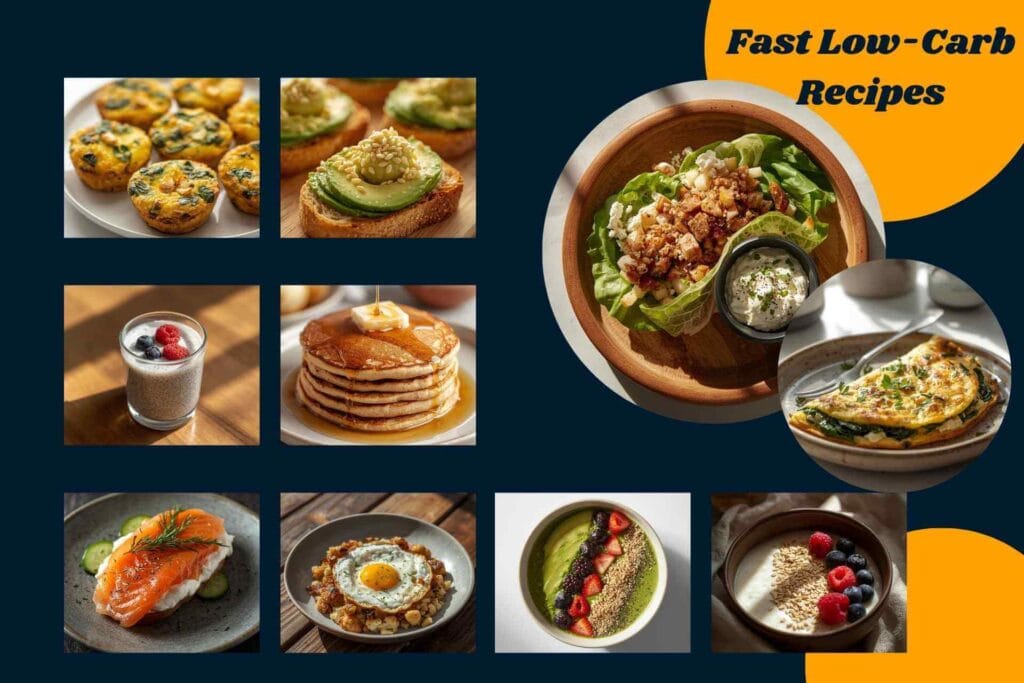
- Egg Muffins (spinach & cheddar) — Portable, bake-ahead mini frittatas.
- Why: High protein and fat; grab two for a satisfying start.
- Carb estimate: ~3 g / serving (2 muffins).
- Calculation: 2 large eggs = 2 × 0.6g = 1.2g; spinach (¼ cup cooked) ≈ 1.0g; 1 tablespoon shredded cheddar ≈ 0.8g → total ≈ 1.2 + 1.0 + 0.8 = 3.0g.
- Cloud Bread Toast with Avocado — Fluffy egg-based “bread” to top with smashed avocado.
- Why: Bread-like texture with minimal carbs.
- Carb estimate: ~2–4 g / 1–2 slices.
- Calculation: 2 egg whites (negligible) + 1 tbsp cream cheese in cloud bread ≈ 0.5g + 1/4 avocado ≈ 2.0g → total ≈ 2.5g (round to 3g).
- Chia Pudding (unsweetened almond milk, a few berries) — Make overnight; fiber-rich and creamy.
- Why: Chia adds fat, fiber, and a gel that slows digestion. (46)
- Carb estimate: ~8–12 g / serving.
- Calculation: 2 Tbsp chia seeds ≈ 2 × 5g carbs = 10g (but fiber ≈ 8g — many people track net carbs; total carbs = 10g). Add 2 Tbsp almond milk, trace carbs ≈ 0.5g, and 4 raspberries ≈ 0.5g → total ≈ 11g (fiber heavy).
- Savory Cottage-Cheese Wrap (lettuce + cottage cheese) — Simple: full-fat cottage cheese, herbs, tomato in butter lettuce.
- Why: Quick, protein-forward, and low-prep.
- Carb estimate: ~4–6 g / wrap.
- Calculation: ½ cup full-fat cottage cheese ≈ 4.0g carbs; small tomato slice ≈ 1.0g → total ≈ 5.0g.
- Keto Pancakes (almond flour) — Almond-flour pancakes topped with a smear of cream cheese or a few berries.
- Why: Pancake feel without the starch.
- Carb estimate: ~4–6 g / 2 small pancakes.
- Calculation: 2 Tbsp almond flour ≈ 3.0g carbs; 1 egg ≈ 0.6g; 1 Tbsp cream cheese topping ≈ 0.5g → total ≈ 4.1g (round to 4–5g).
- Spinach-Feta Omelet — Two-egg omelet with wilted spinach and crumbled feta.
- Why: Fast, savory, and packed with protein & calcium.
- Carb estimate: ~3 g / serving.
- Calculation: 2 eggs = 2 × 0.6g = 1.2g; ½ cup raw spinach ≈ 0.6g; 1 Tbsp feta ≈ 0.5g → total ≈ 2.3g (round to 2–3g).
- Smoked Salmon Plate (cream cheese, cucumber, dill) — Fancy but fast: smoked salmon, cucumber slices, a smear of cream cheese.
- Why: High in omega-3s and low in carbs — great for keto mornings.
- Carb estimate: ~2–4 g / plate.
- Calculation: 2 oz smoked salmon ≈ 0g carbs; ¼ cucumber ≈ 1.5g; 1 Tbsp cream cheese ≈ 0.5g → total ≈ 2.0g.
- Cauliflower Hash with Fried Egg — Riced cauliflower sautéed with onion and pepper, topped with an egg. (Use frozen riced cauliflower to save time.) (47)
- Why: Earthy, savory, and very low-carb compared to potato hash.
- Carb estimate: ~6–8 g / serving.
- Calculation: 1 cup cooked cauliflower rice ≈ 4.0g total carbs (per typical packaged values) + 1/4 small onion ≈ 3.0g → total ≈ 7.0g.
- Keto Smoothie Bowl (unsweetened almond milk, spinach, avocado, protein powder) — Thick, spoonable, and nutrient-dense.
- Why: Use low-carb protein powder and avocado for creaminess.
- Carb estimate: ~6–10 g / bowl.
- Calculation: 1/2 avocado ≈ 2.0g; 1 cup unsweetened almond milk ≈ 1.0g; 1 scoop low-carb protein powder ≈ 2–5g depending on brand → total ≈ 5–8g (range depends on powder).
- Overnight Flax Porridge (ground flax + coconut milk) — Warm or cold; nutty flavor and rich in fiber/omega-3s.
- Why: Lower-carb alternative to overnight oats with thick, porridge-like texture.
- Carb estimate: ~5–8 g / serving.
- Calculation: 3 Tbsp ground flax ≈ 3 × 0.7g carbs = 2.1g total carbs? (Note: nutrition varies by brand; flax is mostly fiber.) To be conservative, use ~6g total, including milk additions.
Quick make-ahead tips for these breakfasts
- Egg muffins & cloud bread: Bake multiples, freeze flat with parchment between layers; reheat in toaster oven.
- Chia pudding & overnight flax porridge: Make 3–4 jars at once; store 4–5 days refrigerated.
- Cauliflower hash: Sauté and portion; re-crisp in a skillet rather than microwave for best texture. (Pack into containers with a fresh egg to fry that morning.)
- Smoothie bowls: Freeze fruit/greens in single-serve bags; blend with almond milk and protein powder for 60 seconds.
Lunch: 10 Easy Low-Carb Recipes — Bowls & Sandwich Alternatives
Lunch should be simple, portable, and keep you fueled through the afternoon. Aim for a balance of protein + fiber-rich veg + a fat — that combo slows digestion and helps avoid the 3 p.m. slump. Below are ten low-carb recipes (ideas you can batch, pack, or assemble in minutes), each with a quick description and an approximate carb estimate per serving so you can match lunches to your carb target. When in doubt about exact numbers, use USDA FoodData Central for ingredient-level carb lookups.
Fast rules for lunch that actually work
- Build each lunch around one palm-sized protein portion (chicken, tuna, eggs, tofu) + lots of non-starchy veg + one fat (olive oil, avocado, olives).
- Prep components separately so you can mix-and-match: roasted protein, riced cauliflower, raw greens, jarred dressings. The American Diabetes Association recommends packing containers and cooling packs for safe, consistent meals on the go. (48)
10 Easy Low-Carb Recipes (short descriptions + carb estimate)
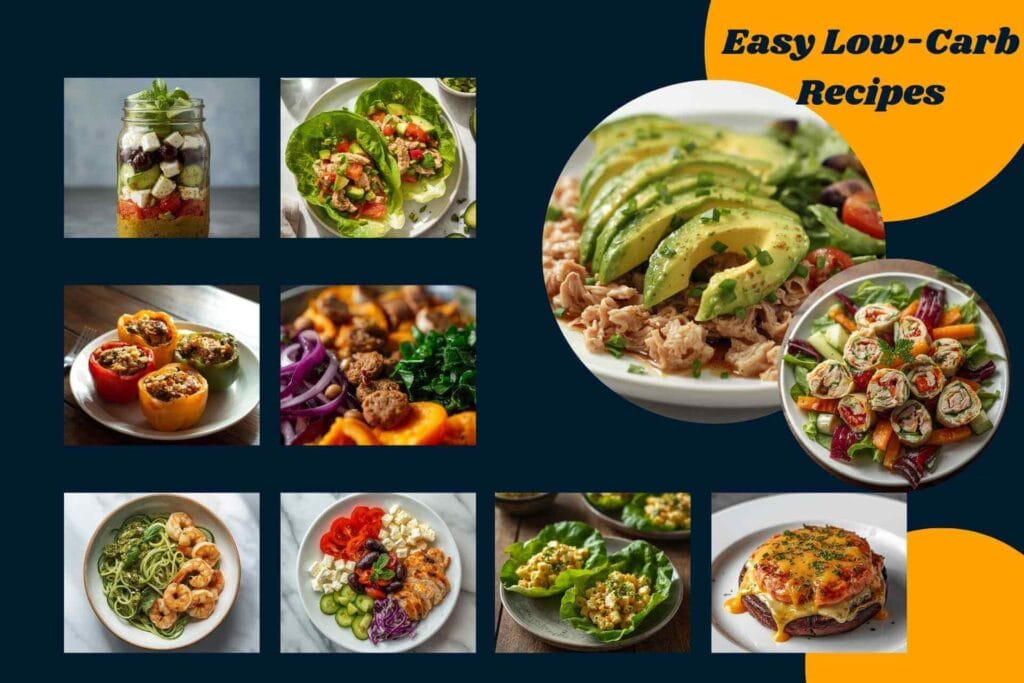
- Mason-Jar Salad Bowl (Greek-style) — Layer baby spinach, cucumber, cherry tomatoes, olives, feta, and grilled chicken; shake with olive-lemon dressing.
- Why it works: Keeps textures separate for hours; protein + fat keeps you satisfied.
- Carb estimate: ~6–8 g / serving (mostly from veg + small tomato). (49)
- Turkey & Avocado Lettuce Wraps — Slices of turkey breast, mashed avocado, shredded carrot, and a smear of Dijon wrapped in romaine.
- Why it works: Hand-held, very low-carb, perfect for quick lunches.
- Carb estimate: ~4–6 g / 2 wraps.
- Stuffed Bell Peppers (crustless) — Halved peppers stuffed with seasoned ground turkey, tomatoes (no sugar added), and cauliflower rice, finished with a sprinkle of cheese.
- Why it works: Dinner-for-lunch vibe; easily reheats or eats cold.
- Carb estimate: ~8–12 g / half pepper (pepper + small tomato + cauliflower rice). (50)
- Cauliflower Rice Bowl with Sausage & Greens — Sautéed riced cauliflower, browned chicken sausage, kale, and a drizzle of pesto.
- Why it works: High-volume, filling bowl that swaps rice for cauliflower rice to cut carbs.
- Carb estimate: ~7–10 g / bowl. (See EatingWell for meal-prep cauliflower rice bowls inspiration.) (51)
- Zucchini Noodle (Zoodle) Pesto Bowl with Shrimp — Quick-cooked shrimp tossed with zoodles, cherry tomatoes, and basil pesto.
- Why it works: Pasta sensation without the starch; fast to sauté and cool for transport.
- Carb estimate: ~6–9 g / serving.
- Turkey & Avocado Plate (no bread) — Sliced turkey, half an avocado, pickles, cucumber slices, and a small green salad.
- Why it works: Ultra-simple, protein-forward, and great for picky eaters.
- Carb estimate: ~3–5 g / plate.
- Greek Bowl (deconstructed) — Cucumber, tomato, olives, feta, hummus-style dollop made with cauliflower (or a small spoon of real hummus if within carb budget), and grilled lamb or chicken.
- Why it works: Mediterranean flavors that reheat poorly — best eaten cold or at room temperature.
- Carb estimate: ~8–12 g / bowl (adjust hummus portion for carbs). (52)
- Egg-Salad Lettuce Cups — Classic egg salad made with mayo, mustard, and chives, spooned into Boston lettuce cups.
- Why it works: High in protein & fat, portable, and toddler/office-friendly.
- Carb estimate: ~2–3 g / 2–3 cups.
- Open-Face Tuna Melt on Portobello — Tuna mixed with plain Greek yogurt or mayo, a little mustard, cheesy top, broiled on a large portobello cap.
- Why it works: All the comfort of a tuna melt, without bread; simply reheat briefly to melt cheese.
- Carb estimate: ~4–6 g / portobello melt.
- Turkey Roll-Ups with Veg Crudités — Sliced turkey rolled around herbed cream cheese and asparagus or pickles; served with celery and radishes.
- Why it works: Super portable, snackable, and low-fuss for meal boxes.
- Carb estimate: ~2–4 g / 3 roll-ups.
Packing & on-the-go tips (keep food safe and tasty)
- Cool, then pack. Cool hot foods to room temperature, then refrigerate. Use an insulated lunchbox with ice packs to keep perishable low-carb recipes under 40°F for several hours. The ADA recommends appropriate containers and cooling packs for consistent meal success. (53)
- Separate wet components. Store dressing, avocado, and crunchy toppings separately in little containers to avoid soggy salads. Pack them on the side and combine right before eating. (54)
- Label with reheating instructions. If lunches will be reheated (microwave or stovetop), note the time and target temperature. Reheat leftovers until steaming hot or to 165°F to ensure food safety — USDA guidance recommends this as the safe internal temperature for reheated foods. (55, 56)
- Use dividers & bento boxes. Compartmentalized containers keep flavors from mixing and help portion control. The ADA also recommends investing in good containers for on-the-go eating.
Quick reheating & freshness hacks
- For bowls with cauliflower rice, reheat briefly in a skillet with a splash of oil to revive texture rather than microwaving to soggy mush. EatingWell’s cauliflower rice recipes are great models for meal-prep bowls that reheat well. (57)
- Reheat open-face mushrooms or stuffed peppers in an oven or toaster oven at 350°F for 6–8 minutes to keep edges crisp.
- For salads, add a hand-held ice pack if you can’t refrigerate; this keeps dairy and egg-based fillings safe until lunchtime. FSIS and food-safety sources recommend keeping perishable foods cold during transport.
Small meal-prep checklist for a week of lunches
- Cook 2 proteins (roast chicken + turkey sausage) and 1 batch of cauliflower rice.
- Chop a big container of mixed salad greens and store them in paper-lined containers to keep them crisp.
- Portion dressings and nut/seed toppings into 1–2 tbsp containers.
- Assemble jars or bowls for the first 2–3 days; freeze or plan a midweek cook to refresh flavors. (58)
Dinner: 12 Hearty Low-Carb Recipes (Family Friendly)
Dinner is where comfort and convenience meet. Below are 12 family-friendly mains you can rotate into weeknights — each entry has a short description, why it works, and an approximate carbs-per-serving note so readers can match recipes to their targets. (Carb estimates are approximate — use a nutrition database or package labels for exact numbers.)
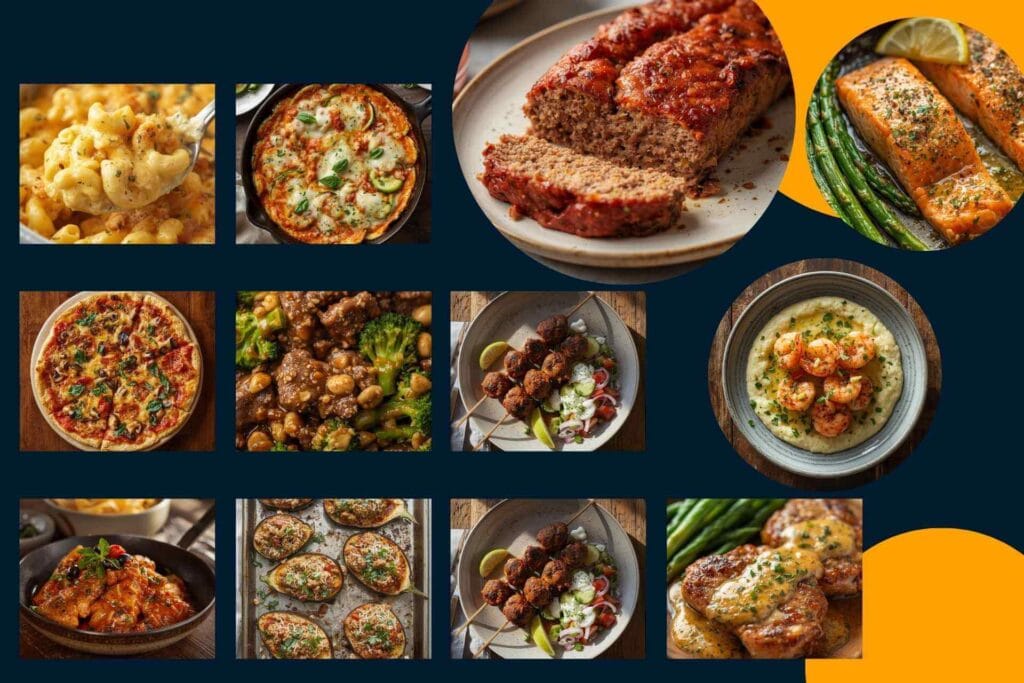
1. Cauliflower Mac & Cheese — creamy, cheesy, and totally satisfying without the pasta.
- Why it works: Roasted cauliflower florets soak up a rich cheese sauce (cheddar + a touch of cream), delivering the comforting texture of mac & cheese without the starch.
- Carb estimate: ~8–12 g / serving (depends on portion size and milk/cheese choices).
- Quick tip: Blend a scoop of cream cheese into the sauce for extra silkiness with minimal carbs.
2. Zucchini Lasagna (no noodles) — layers of thin-sliced zucchini, ricotta, marinara, and mozzarella.
- Why it works: Replaces pasta sheets with roasted zucchini to cut carbs while keeping the familiar lasagna mouthfeel.
- Carb estimate: ~6–10 g / serving (varies by amount of sauce and ricotta).
- Family swap: For picky kids, lightly salt & roast the zucchini to remove bitterness; add extra melted cheese on top.
3. Keto Meatloaf (almond flour binder) — classic meatloaf flavor with almond-flour crumb instead of breadcrumbs.
- Why it works: Keeps texture and moisture while slashing carbs; great for batch cooking and freezing.
- Carb estimate: ~3–6 g / serving (mostly from onion and any tomato glaze).
- Kid hack: Replace spicy glaze with a tiny smear of sugar-free ketchup mixed with a touch of honey (or just plain ketchup for kids) — adjust macros accordingly.
4. Garlic-Butter Salmon + Asparagus — fast skillet or sheet-pan dinner with bright lemon finish.
- Why it works: High in protein and omega-3s, minimal carbs, and on the table in 20 minutes.
- Carb estimate: ~2–4 g / serving.
- Serving idea for kids: Add a small side of mashed potato or sweet potato for picky eaters who need something more familiar.
5. Cauliflower-Crust Pizza (family-style) — a crispy, cheesy crust that holds toppings like pepperoni, mushrooms, or roasted veg.
- Why it works: Keeps pizza night alive with a big reduction in carbs; customize toppings for each family member.
- Carb estimate: ~8–15 g / slice (varies widely by crust recipe and toppings).
- Make it easier: Pre-bake crusts and freeze; let kids top their own mini pizzas before a final bake.
6. Beef & Broccoli (low-sugar sauce) — takeout vibes made with tamari or coconut aminos and minimal sweetener.
- Why it works: Classic combo of protein + fibrous veg; swap cornstarch thickener for xanthan or reduced sauce for lower carbs.
- Carb estimate: ~8–12 g / serving (depending on sauce volume).
- Kid-friendly tweak: Increase broccoli florets and add a small scoop of white rice for children who prefer rice.
7. Chicken Cacciatore (with shirataki or extra veggies) — tomato-braised chicken thighs with peppers and olives.
- Why it works: Hearty, aromatic, and naturally low-carb; serve over shirataki noodles or cauliflower rice for a comforting bowl.
- Carb estimate: ~6–10 g / serving (tomato content drives carbs).
- Family tip: Use a milder tomato base (less onion/garlic heat) for kids; spoon over mashed cauliflower or a small pasta portion for children.
8. Stuffed Eggplant (ground meat & tomato) — roasted eggplant halves filled with spiced ground beef or turkey and topped with cheese.
- Why it works: Pocket-style dinners that feel “special” but are simple to prep and reheat.
- Carb estimate: ~7–11 g / half eggplant.
- Allergy swap: Use dairy-free cheese or omit topping for dairy-free households; boost with extra herbs & lemon.
9. Lamb Kofta & Salad — spiced lamb skewers with cucumber-tomato salad and yogurt-dill sauce.
- Why it works: Bold flavors, easy grilling, and naturally low-carb; great for meat-eaters and adventurous kids.
- Carb estimate: ~4–6 g / serving (mostly from salad veg + yogurt).
- Kid note: Serve a mild yogurt dip on the side and offer pita wedges for those who want them.
10. Pork Chops with Mustard-Cream Sauce — pan-seared pork chops finished with a tangy cream-mustard pan sauce.
- Why it works: Fast, elegant, and pairs perfectly with green beans or roasted Brussels sprouts.
- Carb estimate: ~3–5 g / serving.
- Family approach: Crust chops in almond flour for kids who prefer a “bready” texture without the carbs.
11. Shrimp & Cauliflower Grits — buttery, garlicky shrimp served over super-creamy cauliflower “grits.”
- Why it works: A Southern-inspired comfort dish reimagined for low-carb recipes; satiating and quick.
- Carb estimate: ~6–9 g / serving (depends on cream used in grits).
- Kid-friendly tip: Mildly season shrimp and serve some plain cauliflower on the side for cautious palates.
12. Slow-Cooker Low-Carb Stew (beef or chicken) — long-simmered veggies (turnips, mushrooms, celery) and protein in a savory broth.
- Why it works: Hands-off weeknight winner — toss, forget, and serve; turnips or rutabaga mimic starchy texture with fewer carbs.
- Carb estimate: ~8–12 g / serving (root swaps determine total).
- Make-ahead: Freeze portions for future quick dinners; reheat gently to preserve texture.
Substitution Notes & Kid-Friendly Strategies
- Add a small starchy side for picky kids: If kids insist on carbs, offer a small familiar side (½ cup mashed potato, a few small pasta shells, or ¼ cup cooked rice). This keeps their plate recognizable while the rest of the family enjoys low carb recipes.
- Mild flavors first: Reduce strong spices (harissa, cayenne, extra garlic) for kid plates; serve sauce on the side. Kids often accept new textures more readily when flavors are mild.
- Texture swaps: If a child dislikes cauliflower texture, try mashing it into ultra-smooth “mash” with butter and cheese, or hide it in blended sauces.
- Make custom plates: Build-your-own bowls or meals, let each person choose how “low-carb” they want to go — e.g., meat + veg bar with optional small grain portion.
- Sneak-in veg: Grate zucchini into meatloaf, fold spinach into ricotta for lasagna, or blend roasted peppers into tomato sauces — keeps nutrition high with minimal fuss.
- Allergen-friendly swaps: Use almond flour → sunflower-seed flour for nut-free households; use coconut milk or oat cream for dairy-free sauces. Be mindful of taste changes and test recipes before serving to guests with allergies.
Family Meal-Planning Tips for These Dinners
- Double the protein and use leftovers for lunches (sliced lamb becomes kabob salad; meatloaf becomes sandwiches in lettuce wraps).
- One-pan nights (garlic-butter salmon + asparagus; sheet-pan roast) reduce cleanup and are perfect for busy families.
- Let kids help with topping pizzas, stuffing eggplants, or assembling bowls — involvement increases buy-in for new dishes.
- Label leftovers with carb estimates and reheat instructions so family members staying on low-carb recipes know exactly what to eat.
Snacks, Sides & Quick Bites: 10 Ideas
Need something fast that won’t blow your carb budget? Snacks are where strategy wins — a little planning keeps you satisfied between meals without derailing your low-carb recipe plan. Below are 10 snack ideas with short descriptions, approximate carb counts per serving, and practical portion & storage guidance so you can pack them, scale them, or serve them at a party.
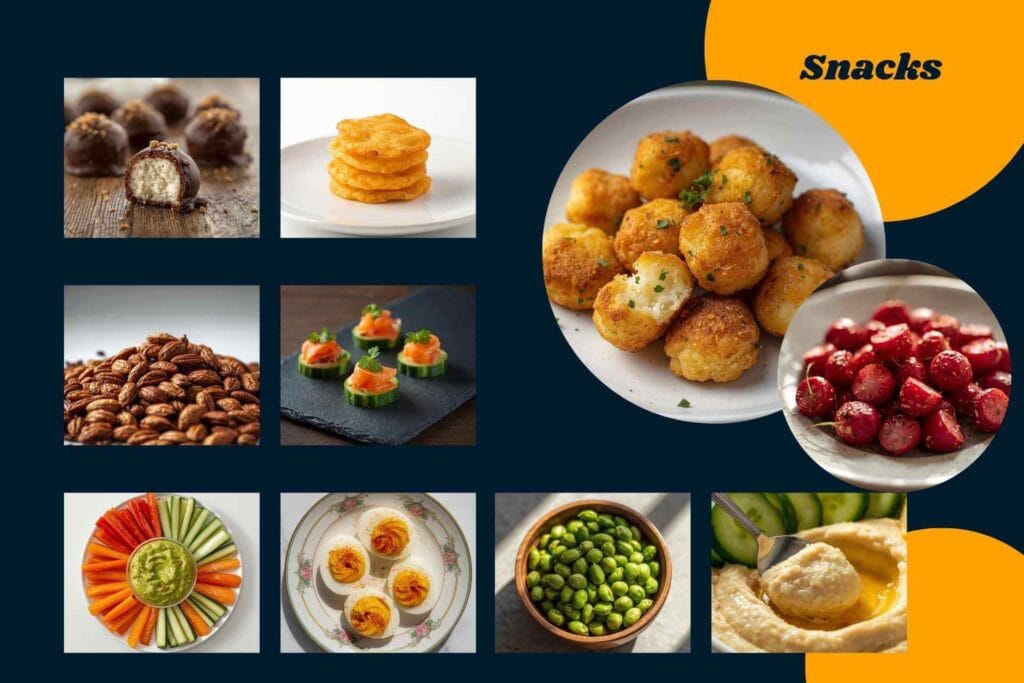
- Fat bombs (1 piece) — rich little bites made from cream cheese, nut butter, coconut oil, or cocoa.
- Why they work: Concentrated fat + optional mild sweetener keeps cravings away.
- Carb estimate: ~1 g per piece.
- Portion guidance: 1 fat bomb = a snack; stick to 1–2 if you’re watching calories.
- Storage: Refrigerate up to 2 weeks or freeze for 3 months.
- Tip: Use monk fruit or erythritol if you want a sweeter bite with negligible added carbs.
- Cheese crisps (3 crisps) — baked or microwaved parmesan (or cheddar) discs for crunchy, zero-bread satisfaction.
- Why they work: Zero to very-low carb, high calcium, and savory crunch.
- Carb estimate: ~1 g per 3 crisps.
- Portion guidance: 3–6 crisps depending on appetite.
- Storage: Store in an airtight container to keep crispness.
- Roasted nuts (1 oz / 28 g) — almonds, walnuts, or pecans tossed with a pinch of salt or smoked paprika.
- Why they work: Portable, shelf-stable, and filling thanks to fat + protein.
- Carb estimate: ~6 g per 1 oz (28 g).
- Portion guidance: Stick to a 1-oz portion (about a small handful) — nuts are calorie-dense.
- Kid tip: Chop and mix with a few dark chocolate chips for a “treat” (but account for extra carbs).
- Cucumber + smoked-salmon bites (4 bites) — cucumber rounds topped with a smear of cream cheese and smoked salmon.
- Why they work: Fresh, fancy-feeling, and very low in carbs — great for gatherings.
- Carb estimate: ~3 g per 4 bites.
- Portion guidance: 4–6 bites make a satisfying mini-snack.
- Prep tip: Make it on the day you serve to keep the cucumber crisp.
- Guacamole + veg sticks (2 tbsp guac + veggies) — creamy avocado dip served with celery, cucumber, or pepper strips.
- Why they work: Avocado delivers healthy fats + fiber; veg adds crunch and volume.
- Carb estimate: ~3 g per 2 tbsp guac + non-starchy veg.
- Portion guidance: 2–3 tbsp guac with 1–2 cups of veg.
- Storage: Guac keeps 1–2 days refrigerated (press plastic wrap across surface to reduce browning).
- Deviled eggs (2 halves / 1 whole egg prepared) — classic mayo-mustard filling with chives or paprika.
- Why they work: Egg protein + fat = very filling, travel-friendly.
- Carb estimate: ~1 g per 2 halves.
- Portion guidance: 2 halves as a snack, 4 halves as a mini-meal.
- Food safety: Keep chilled; use within a day if packed for lunch.
- Edamame (½ cup shelled, cooked) — warm or chilled; lightly salted.
- Why they work: Plant-based protein and fiber — great for vegetarian, low-carb recipes.
- Carb estimate: ~9 g per ½ cup shelled.
- Portion guidance: ½ cup is a good snack portion; add lemon or chili flakes for extra flavor.
- Prep tip: Steam frozen edamame and toss with sesame oil for an instant bite.
- Roasted radishes (1 cup) — roast until tender and slightly caramelized; they turn mellow and potato-like.
- Why they work: A surprising low-carb swap for roasted potatoes in small portions.
- Carb estimate: ~4 g per 1 cup roasted.
- Portion guidance: 1 cup as a side or ½ cup with a protein for a small meal.
- Serving idea: Sprinkle with herb butter or parmesan to boost satiety.
- Cauliflower tots (≈3 tots) — grated cauliflower mixed with egg, cheese, and a little binder, then baked until golden.
- Why they work: Total comfort without the potato — fun for kids and adults.
- Carb estimate: ~6 g per ~3 tots.
- Portion guidance: 3–5 tots as a snack; serve with a dip like mustard mayo.
- Make-ahead: Freeze baked tots in a single layer, then reheat in the oven or air fryer to crisp.
- Keto hummus (2 tbsp cauliflower hummus) — chickpea-free dip made from roasted cauliflower, tahini, lemon, and garlic.
- Why they work: Dairy-free, creamy, and far lower in carbs than traditional hummus.
- Carb estimate: ~2 g per 2 tbsp.
- Portion guidance: 2–4 tbsp with veg sticks or cheese slices.
- Flavor tip: Roast cauliflower until golden for a nuttier hummus base.
Pairing & portion-play (quick rules)
- Pair a protein (egg, cheese, smoked fish) with a fiber/veg (cucumber, radish, celery) for maximum staying power.
- When in doubt, treat 1 serving as: 1 palm-sized protein + 1 cup non-starchy veggies or 1 oz nut/seed. This keeps most snacks under ~6–9 g carbs for low-carb plans.
- If you track net carbs, show both total carbs and fiber on recipe cards so readers can decide which method they use.
Storage & party tips
- Batch & portion: pre-portion roasted nuts, cheese crisps, and fat bombs into small containers for grab-and-go.
- For parties: set out three stations, crunchy (cheese crisps, veggies), creamy (guac, keto hummus), and protein (deviled eggs, smoked salmon). Label carb counts so guests can choose confidently.
Low-Carb Desserts That Don’t Taste Like “Diet Food”
Yes — you can finish a meal with something that tastes indulgent and still fits your low-carb recipe plan. Below are 8 dessert ideas that deliver texture, richness, and real flavor (not cardboard). Each entry includes a quick description, approximate carbs per serving, portion guidance, texture or ingredient tips, and a note about how to make it truly satisfying. I also include a short sweetener guide with safety and GI notes so you can pick the right swap for baking and chilling.
Quick note: carb ranges are estimates (ingredients, brands, and portion size change totals). For precise labeling, use USDA FoodData Central or package nutrition labels.
Dessert ideas (short & usable)

- Mug Brownie (almond-flour) — Single-serve brownie made in a mug with almond flour, unsweetened cocoa, egg, butter, and a monk-fruit/erythritol blend.
- Why it works: Fast, warm, and chocolatey — the almond flour gives body and a familiar crumb.
- Carb estimate: ~5–8 g per mug (depends on almond-flour amount and sweetener). Almond flour typically has ~5–6 g total carbs per 28 g (¼ cup). (59, 60)
- Tip: Add a few chopped walnuts for crunch and a pinch of flaky salt to brighten the chocolate.
- Berry Chia Parfait — Layers of unsweetened Greek yogurt or coconut yogurt, chia pudding (chia + unsweetened almond milk), and a spoonful of macerated berries.
- Why it works: Texture contrast (creamy pudding + juicy berries) with fiber from chia to keep it filling.
- Carb estimate: ~8–12 g per jar (depends on berry portion).
- Tip: Use 2 Tbsp chia + 2/3 cup unsweetened milk to keep carbs low and make the pudding thick.
- Ricotta Lemon Cake (mini) — Small almond-flour cake with ricotta for moisture and lemon zest for bright flavor.
- Why it works: Ricotta adds creaminess and keeps the crumb tender without needing refined sugar.
- Carb estimate: ~6–10 g per mini slice.
- Tip: Bake in a muffin tin for portion control; glaze lightly with a monk-fruit lemon syrup if you want extra shine.
- Keto Panna Cotta — Silky cream, gelatin, vanilla, and a touch of lemon or espresso for flavor; chilled until wobble-perfect.
- Why it works: Elegant texture, zero-to-very-low carbs depending on garnish.
- Carb estimate: ~1–3 g per small ramekin (use unsweetened cream and keto sweetener).
- Tip: Top with 3–4 raspberries or a dusting of cocoa for contrast.
- Coconut Macaroons — Shredded coconut, egg white, a touch of sweetener, and a dip in dark sugar-free chocolate if you like.
- Why it works: Chewy, toasty coconut gives a candy-like treat that’s naturally lower in carbs than many cookies.
- Carb estimate: ~4–6 g per macaroon.
- Tip: Toast coconut well for a deeper flavor and less perceived sweetness.
- Chocolate Avocado Mousse — Ripe avocado blended with unsweetened cocoa, a touch of vanilla, and erythritol/monk fruit to taste.
- Why it works: Ultra-creamy, rich mouthfeel that mimics heavy chocolate mousse without starch.
- Carb estimate: ~5–8 g per small bowl (avocado contributes some carbs but lots of fiber).
- Tip: Chill 30–60 minutes to firm up; garnish with a few chopped toasted pecans.
- Baked Apple — Small Portion — Half an apple cored and stuffed with cinnamon, a sprinkle of chopped nuts, and baked until tender (serve warm).
- Why it works: Feels like a “real dessert” with one naturally sweet ingredient — keep the portion small to control carbs.
- Carb estimate: ~12–18 g per half apple (varies by apple size; choose smaller/tart apples for lower sugar).
- Tip: Pair with a spoonful of full-fat ricotta or Greek yogurt to add protein and slow sugar absorption.
- Low-Carb Cheesecake (mini) — Almond-flour crust, cream-cheese filling sweetened with erythritol/monk fruit, baked in muffin cups for portion control.
- Why it works: Classic cheesecake texture and flavor with big carb savings over graham-cracker versions.
- Carb estimate: ~4–8 g per mini cheesecake (crust size and sweetener choice matter).
- Tip: Top with a smear of berry compote (small portion) for color and freshness.
Portion guidance & presentation tips
- Keep portions small but satisfying. A typical low-carb dessert portion is about 2–4 oz (a ramekin or muffin-tin size) — small enough to limit carbs but big enough to feel indulgent.
- Serve contrast: Pair a dense bite (mousse, cake) with a bright, acidic garnish (lemon zest, berries) — that makes each bite feel more complex and therefore more satisfying.
Sweetener guide — how to choose and what to watch for
- Erythritol — a sugar alcohol with almost no calories and minimal blood-glucose impact; it’s usually well tolerated because most is absorbed and excreted unchanged. Erythritol is a common choice for baking because it can replace sugar more directly than some other sweeteners. Recent reviews show it produces a negligible insulin/glucose response in most people. (61, 62)
- Baking note: It can recrystallize in some syrups and create a cooling sensation in high amounts; blends (erythritol + stevia/monk fruit) often give more rounded sweetness.
- Stevia (steviol glycosides) — a plant-derived, zero-calorie sweetener used in many tabletop and baking blends. High-purity stevia extracts are recognized as safe by regulators; check labels because some “stevia” products are blends with other sweeteners. (63)
- Baking note: Some people notice a bitter aftertaste at higher concentrations; blending with erythritol or using vanilla/lemon can mask it.
- Monk fruit (luo han guo) — an intensely sweet, zero-calorie extract often blended with other bulking sweeteners. Generally heat-stable and a good baking option, it produces no glycemic effect when pure. Watch for blended products that add sugar alcohols. (64, 65)
- Sugar alcohols (general notes: xylitol, sorbitol, maltitol, etc.) — many sugar alcohols reduce digestible carbs compared with sugar, but they vary in GI tolerance. Xylitol can cause significant digestive upset in some people and is extremely toxic to dogs (keep away from pets). Maltitol has a higher glycemic effect than erythritol and can spike blood sugar in larger amounts. Expect gas, bloating, or loose stools if you eat large quantities; tolerance varies by person. (66, 67)
- Practical sweetener rules for low-carb desserts
- Start with small amounts when testing a new sweetener. Taste as you go.
- Prefer blends (erythritol + stevia/monk fruit) for a sugar-like profile without the cooling or aftertaste.
- If serving children or guests, label the sweetener used (some prefer to avoid sugar alcohols or have GI sensitivity).
- If you track carbs for keto, check whether you’re counting total carbs or net carbs (subtracting fiber and some sugar alcohols per your tracking method) — be consistent.
- These guidance points reflect regulatory overviews and clinical resources on sweeteners and sugar-alcohol tolerance. (68)
Storage & make-ahead hacks
- Freeze single servings (mug brownies, mini cheesecakes) and thaw in the fridge overnight; reheat mug brownies briefly in the microwave or toaster oven.
- Chill puddings and panna cotta for at least 3–4 hours (overnight is best) — they firm up and develop a better mouthfeel.
- Toast nuts and coconut before folding into batter or topping desserts to amplify flavor so you can use less sweetener.
Final quick tips to keep them tasting “real.”
- Use quality cocoa (70%+), fresh citrus zest, real vanilla extract, and a tiny pinch of salt — these amplify flavor so you rely less on sweetener.
- Texture wins: contrast creamy with crunchy (mousse + toasted nuts) or silky + jammy (panna cotta + berry compote).
- Portion control is your friend — provide smaller plated portions that read as indulgent rather than “diet food.”
Cooking Techniques & Substitutions That Save Carbs
Swapping carbs without sacrificing texture or flavor is half technique, half chemistry. Below, I walk you through the easiest, most reliable ways to make cauliflower rice, zucchini noodles, cloud bread, and almond-flour batters — plus the practical tricks that stop sogginess, gummy crumb, and bland swaps in their tracks. Use these methods to turn comfort food into satisfying low carb recipes that actually feel like real food.
Cauliflower Rice — fast, neutral base
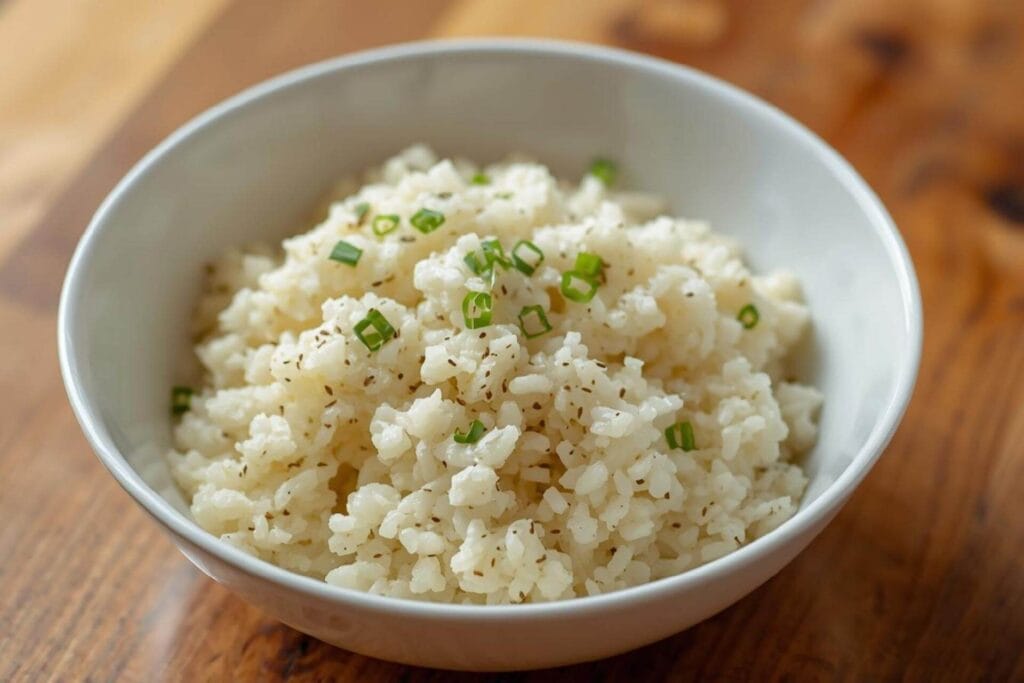
Three simple ways to make it, and how to keep it fluffy.
How to make it:
- Food processor (best texture): Chop cauliflower into florets, pulse in 2–3 second bursts until grainy (don’t over-process into paste).
- Box grater: Rub florets against the large holes for a coarser “rice” — great if you don’t have a processor.
- Frozen riced cauliflower: Thaw & squeeze (see next) — tremendous time-saver.
Cooking options:
- Sauté method (preferred): Heat 1 Tbsp oil or butter in a skillet over medium-high, add 1–2 cups riced cauliflower, sauté 4–6 minutes until tender with some golden edges. Season and finish with lemon or herbs.
- Microwave (quick): Place riced cauliflower in a microwave-safe bowl, cover, microwave 3–4 minutes, then drain excess water.
- Oven roast (great for texture): Toss with oil and roast at 425°F for 12–15 minutes to get nutty, slightly caramelized grains.
Key tricks to avoid sogginess:
- Squeeze the water out. Especially for fresh or thawed cauliflower: place riced cauliflower in a clean towel or cheesecloth and squeeze hard. Water = mush.
- Don’t crowd the pan. Cook in batches so the cauliflower can brown; moisture evaporates better in smaller layers.
- Finish with heat. A short blast of high heat at the end crisps the edges and concentrates flavor.
Pro tip: 1 medium head of cauliflower yields roughly 3–4 cups riced (depending on size). Label recipes with cups so readers can easily match portions for carb counts.
Zucchini Noodles (Zoodles) — pasta vibes, fewer carbs
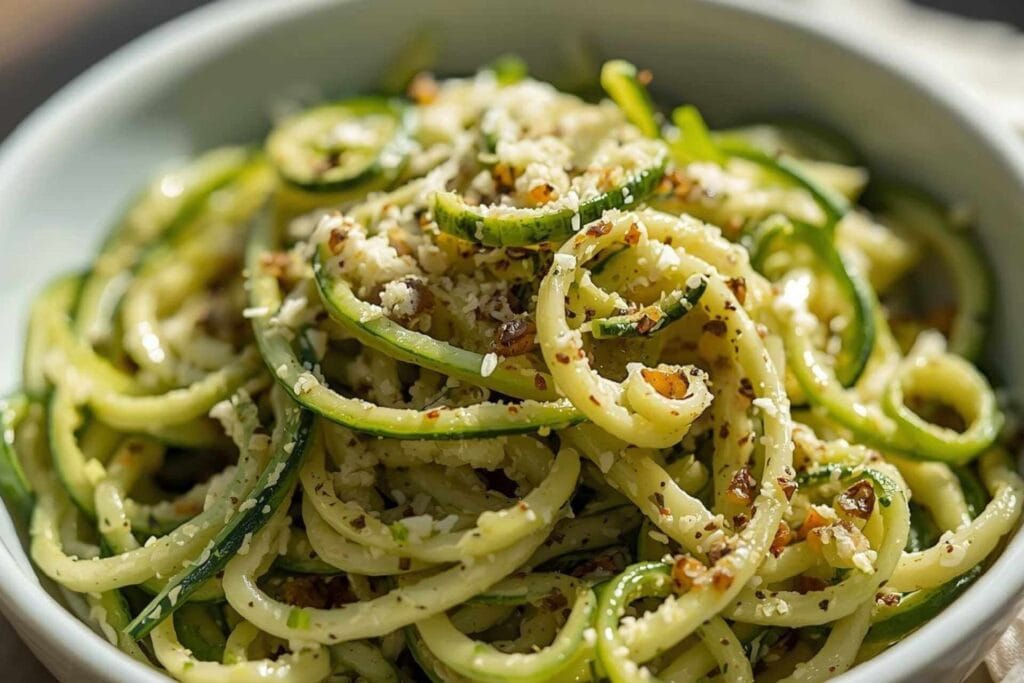
Make them, dry them, and keep them firm.
How to make zoodles:
- Spiralizer: The easiest — use the blade that gives the pasta thickness you want.
- Julienne peeler: Great for thin spaghetti-style zoodles.
- Mandoline: Use the julienne attachment if you have one.
Cooking method and tricks:
- Salt to remove excess moisture: After spiralizing, sprinkle zoodles with a pinch of salt and let them sit 10–15 minutes on a paper towel. Pat dry and squeeze out moisture. This prevents watery sauce.
- Quick sauté: 1–2 minutes in a hot pan with oil is plenty — zoodles cook very fast. Overcooked zoodles = limp, watery noodles.
- Blanch + ice bath: For firmer texture, blanch 30–45 seconds, then shock in ice water and drain thoroughly before dressing.
Storage note: Zoodles don’t freeze well raw — spiralize fresh or buy pre-spiralized and use within 2–3 days.
Kid hack: toss zoodles with a small scoop of tomato sauce and top with cheese; familiar flavors help acceptance.
Cloud Bread — light “bread” for sandwiches & toast

A simple egg-based bread substitute that’s airy and sandwich-ready.
Basic formula (single batch):
- 3 large eggs, separated
- 3 Tbsp cream cheese or Greek yogurt (softened)
- 1/4 tsp cream of tartar (or a pinch of salt)
- Optional herbs or a touch of sweetener
Method:
- Preheat oven to 300–325°F and line a baking sheet with parchment.
- Whip the egg whites with cream of tartar to stiff peaks.
- Whip the yolks with softened cream cheese until smooth. Fold yolk mixture gently into whites in 2–3 additions — keep as much air as possible.
- Spoon rounds onto the sheet, bake 20–30 minutes until set and lightly golden. Cool on a wire rack.
Texture tips:
- Don’t deflate the whites. Gently fold to preserve air; that’s the “bread” texture.
- Lower oven temp if browning too fast. Almond- or dairy-based breads brown faster because of fat/ sugar — lower temp by 10–25°F if needed.
- Use a toaster oven to revive texture before serving.
Cloud bread is fragile but perfect for open-faced sandwiches, toast-style toppings, or quick buns.
Almond-Flour Batters — rules for reliable baking
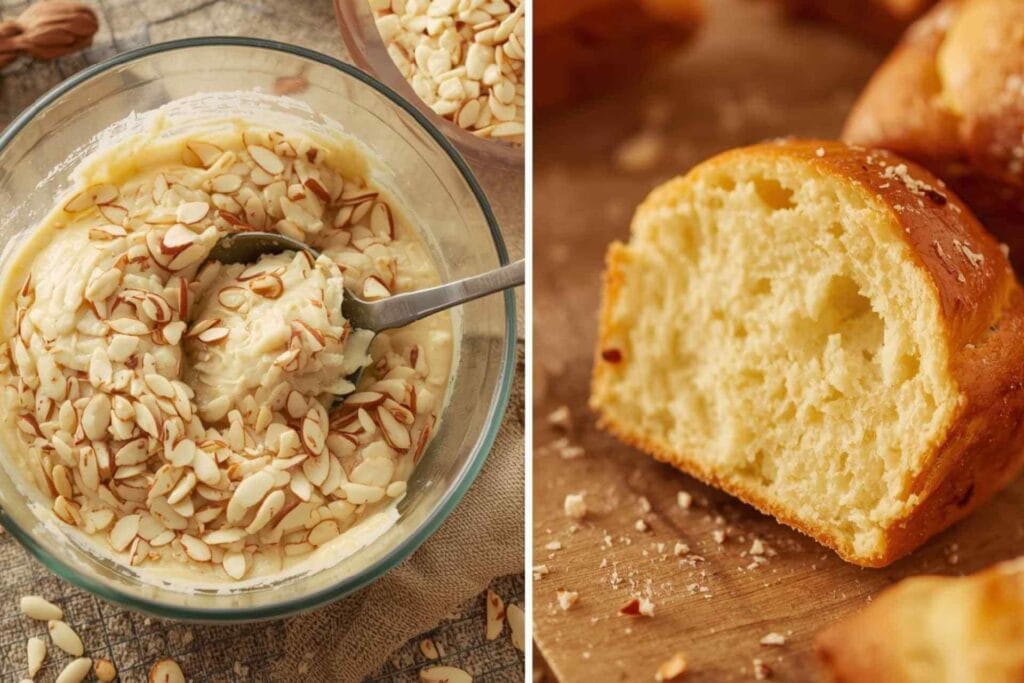
Almond flour behaves very differently from wheat — here’s how to make cakes, muffins, and pancakes that aren’t dense or greasy.
Key differences:
- Higher fat content, less structure. Almond flour lacks gluten, so you need eggs/binders for lift.
- Absorbs less liquid than coconut flour. Don’t treat them interchangeably 1:1.
Basic rules of thumb:
- Add binder: For most recipes, add an extra egg (or egg white) for every 1–1.5 cups of almond flour compared to wheat recipes. Eggs provide structure and moisture regulation.
- Use a binder/stabilizer for breadier textures: 1–2 tsp psyllium husk powder or 1/2 tsp xanthan gum per 2 cups almond flour improves crumb and sliceability.
- Lower oven temperature slightly: Because almond flour browns faster, reduce the temp by about 25°F and check earlier.
- Toast the flour for better flavor: Lightly toasting almond flour in a dry pan for 2–3 minutes deepens the nutty flavor and reduces “raw” mouthfeel.
Pancake formula (quick starting point):
- 1 cup almond flour
- 2 eggs
- 2–3 Tbsp milk (almond or dairy)
- 1/2 tsp baking powder
- Pinch salt
Mix gently and cook in a well-oiled skillet over medium — small pancakes cook fast (1–2 minutes per side).
Troubleshooting:
- Too dense: Add an extra egg or a bit more baking powder; separate eggs and whip whites for extra lift.
- Greasy or crumbly: Reduce added fat (butter/oil) slightly, or add a tablespoon of psyllium for cohesion.
- Soggy center: Ensure batter isn’t too wet; give baked goods extra time at a lower temp.
Tricks to Keep Texture & Flavor When Swapping Carbs
These hacks apply across cauliflower crusts, almond-flour cookies, zoodle “pastas,” and more.
- Control moisture first. Most failed swaps (soggy pizza, watery bowls) come from excess water in the substitute (cauliflower, zucchini). ALWAYS squeeze or dry thoroughly.
- Replace structure with binders, not flour. Eggs, cheese, and psyllium/xanthan provide better cohesion than piling in more almond flour.
- Use flavor amplifiers. Acid (lemon, vinegar), umami (parmesan, miso, anchovy paste), and salt transform bland low-carb bases into craveable dishes. A tiny pinch of acid lifts heavy, fatty flavors.
- Mimic mouthfeel with fat + texture contrasts. Add toasted nuts, seeds, or a crisp topping (parmesan crisp, toasted breadcrumbs made from almond flour) to compensate for the missing chew of gluten.
- Pre-cook where needed. Pre-bake cauliflower crusts, roast shredded vegetables, or pan-sear meat before assembly to concentrate flavor and reduce sog.
- Mind temperature & timing. Low-carb flours brown faster (fat content). Lower the temperature and lengthen bake time slightly to cook through without burning.
- Layer cleverly. For example, put sauce under toppings on cauliflower crust (not on top) to shield the crust from becoming soggy; for lasagna, salt and roast zucchini first to expel water.
- Taste as you go. Because low-carb swaps change sweetness, salt, and bitterness perception, adjust seasoning during cooking, not just at the end.
Quick troubleshooting cheat-sheet
- Soggy cauliflower crust: You didn’t squeeze enough water. Re-press, pre-bake 8–10 minutes, then top.
- Gummy almond-flour bread: Not enough binder or too much fat. Add an extra egg and cut the oil by 10–20%.
- Watery zoodle sauce: Pre-salt and squeeze zoodles; add sauce at plating.
- Dense pancakes: Whip egg whites separately and fold in for lift.
Mini checklist you can paste into recipe cards
- Squeeze moisture from vegetables
- Add a binder (egg/psyllium/xanthan)
- Toast almond flour for flavor
- Pre-bake crusts or roast veg before assembling
- Finish with acid/umami to brighten
Special Considerations: Diabetes, Keto, Vegetarian, Allergies
When you build or follow low-carb recipes, a few special cases need extra attention. Below is practical, evidence-based guidance so you can choose the right approach, avoid common pitfalls, and know when to check in with a clinician.
Diabetes & low-carb: safe changes and must-do precautions
- What helps: Lowering total carbs often improves blood-glucose control and can reduce A1C for many people — but the change must be planned. The American Diabetes Association highlights carb counting, choosing nutrient-dense carbs, and tailoring intake to the person. (69)
- Medication interactions (critical): If someone is on insulin or sulfonylureas (or other glucose-lowering meds), reducing carbs can cause hypoglycemia unless medications are adjusted. The ADA recommends working with a clinician (MD, NP) or certified diabetes educator when changing carb intake or starting a keto plan. (70, 71)
- Practical recipe guidance: For diabetes-friendly low-carb recipes, always:
- List total carbs per serving and show fiber so readers can use their preferred counting method. (72)
- Suggest consistent carb portions at meals (e.g., ~30–45 g per meal for many people, adjusted individually).
- Include pairing tips: “pair carbs with protein and fat” to blunt glucose spikes.
- When to be extra careful: people on insulin, pregnant/breastfeeding women, people with type 1 diabetes, or those with renal impairment should consult their care team before starting a very low carb or keto plan. StatPearls and clinical reviews emphasize individualized screening and monitoring for these groups. (73)
Keto-specific notes (what to watch for if you aim for ketosis)
- Why people choose it: Keto (very low carb) can produce rapid improvements in weight and glycemic markers for some people — studies and clinical protocols document this potential. But keto is more restrictive and needs monitoring. (74)
- Common effects to monitor: “Keto flu” symptoms early on (headache, fatigue) usually reflect fluid/electrolyte shifts; longer-term, some people see LDL-cholesterol increases. If you publish keto recipes, call out moderation of saturated fat and include heart-friendly fat swaps (olive oil, fatty fish, nuts).
- Practical recipe tips:
- Offer modifications: “Make it keto-friendly” boxes (swap rice for cauliflower rice, add olive oil, use fatty fish).
- Flag recipes that are very low carb vs moderate low-carb so readers can pick the right fit.
Vegetarian & vegan low-carb options — how to make them work
- Plant protein winners: Tofu, tempeh, edamame, seitan (if you eat gluten), and higher-protein dairy (Greek yogurt, cottage cheese) are practical core proteins for vegetarian low-carb recipes. They deliver protein with relatively low carbs per serving compared with many legumes. Atkins and practical low carb vegetarian guides show how to build satisfying menus around these ingredients. (75, 76)
- Legumes & carbs: Beans and lentils are nutritious but higher in carbs — use them sparingly and count portions if you’re targeting strict carb limits. For a moderate low-carb plan, small portions can fit; for keto, they often don’t.
- Fat & satiety: Add avocados, olives, nuts, seeds, and coconut to boost calories and satiety when you reduce grains and starchy veg.
- Micronutrient watch: Vegetarians and especially vegans should track B12, iron, DHA/EPA, and sometimes vitamin D — plan for fortified foods or supplements as needed (NHS guidance on vegetarian diets covers this well). (77)
- Recipe ideas: Tofu stir-fry over zoodles, tempeh “crumbles” for stuffed peppers, edamame + cauliflower rice bowls, and nut/seed-based pesto over grilled vegetables.
Allergy-friendly swaps — nut-free and other alternatives
- Why this matters: Many low-carb recipes (baked goods, crusts) rely on almond flour or other nut flours. For nut allergies, safe alternatives exist — but they behave differently in recipes. (78, 79)
- Nut-free low-carb flour options & tips:
- Sunflower-seed flour — a popular 1:1 almond-flour substitute after correcting for color/taste; beware a bitter green tint when baked with baking soda (use baking powder or neutralize).
- Oat fiber (very low in digestible carbs) — used as a bulking agent rather than sole flour; pairs well in blends for structure. (Check product specs — “oat fiber” is not the same as oat flour.)
- Chickpea flour — higher in carbs than almond flour, but workable in small amounts for savory batters (note: not suitable for very low carb/ketogenic plans).
- Coconut flour — nut-free but very absorbent — use much less and add extra liquid/eggs; it’s lower-carb than wheat but not identical to almond flour.
- Label & cross-contact: For allergy-safe baking, label recipes clearly and warn about cross-contact in home/restaurant kitchens.
When to consult a clinician — clear red flags
Get medical advice before major carb shifts if any of the following apply:
- They use insulin or insulin-secretagogues (risk of hypoglycemia when carbs fall).
- They have type 1 diabetes, advanced type 2 diabetes, kidney disease, liver disease, or a history of eating disorders. StatPearls and clinical protocols advise individualized assessment and monitoring.
- They are pregnant or breastfeeding, or under 18 — nutrient needs differ, and restrictive plans aren’t usually recommended without expert oversight.
- They experience unusual symptoms after starting low-carb (fainting, severe dizziness, irregular heartbeat, extreme fatigue) — these warrant immediate medical review.
- They plan to stay on a very low carb/keto pattern long term — periodic labs (lipid panel, kidney function, electrolytes) and clinical follow-up are wise.
Low-carb recipes can be powerful tools for blood sugar control, weight management, and satiety — but they’re not one-size-fits-all. For people with diabetes or those on glucose-lowering meds, start any carb reduction with professional oversight. Vegetarian and vegan adaptations are absolutely possible (think tofu, tempeh, edamame), and allergy-friendly flours (sunflower-seed flour, coconut flour, oat fiber blends) let you keep baking and cooking for inclusive crowds — just test and label carefully. When in doubt, consult a clinician to personalize targets and monitor safety.
Conclusion: Where to Start This Week
Ready to turn ideas into action? Here’s a simple, doable 7-day mini plan that uses low carb recipes you can actually stick with — plus a practical shopping list and 3 starter recipes to batch-cook. No fussy ingredients, just real-food swaps that make mornings, lunches, and dinners easy.
7-Day Mini Action Plan (fast, repeatable)
Goal: keep daily carbs in a low-carb range (you can tweak portions for keto or moderate targets).
Strategy: pick 1 breakfast, 1 lunch, 1 dinner per day and repeat or swap leftovers. Add a snack if needed.
Day 1 (Prep day)
- Morning: Egg muffins (make 8–12 for the week).
- Lunch: Mason-jar Greek salad (assemble jars for 3 days).
- Dinner: Garlic-butter salmon + roasted asparagus (make extra salmon for lunches).
- Snack: 1 oz roasted nuts.
Days 2–3 (Repeat/rotate)
- Morning: Egg muffins or chia pudding.
- Lunch: Leftover salmon over greens or turkey & avocado lettuce wraps.
- Dinner: Cauliflower rice bowl with sausage (batch cauliflower rice).
- Snack: Cottage cheese + cucumber slices.
Day 4
- Morning: Cloud bread toast + avocado.
- Lunch: Zoodle pesto bowl with shrimp (quick sauté).
- Dinner: Zucchini lasagna (make a pan and freeze one portion).
- Snack: Cheese crisps + cherry tomatoes.
Day 5
- Morning: Chia pudding or keto smoothie bowl.
- Lunch: Egg salad lettuce cups.
- Dinner: Beef & broccoli (low-sugar sauce) + cauliflower rice.
- Snack: Deviled eggs.
Day 6 (Flex/family night)
- Morning: Leftover chia pudding/egg muffin.
- Lunch: Stuffed bell pepper (use leftovers).
- Dinner: Cauliflower-crust pizza — let everyone top their own mini pizza.
- Snack: Cucumber + smoked-salmon bites.
Day 7 (Reset & shop)
- Morning: Overnight flax porridge.
- Lunch: Turkey roll-ups + raw veg.
- Dinner: Slow-cooker low-carb stew (set on Saturday night or morning).
- Snack: Fat bomb (1 piece).
Repeat the cycle, swapping in new low carb recipes each week to stay motivated.
Shopping list — weekly (pantry + fresh)
Pantry/fridge staples
- Extra-virgin olive oil, avocado oil, ghee
- Almond flour, coconut flour, psyllium husk
- Canned tuna, canned salmon, and low-sodium broth
- Unsweetened almond milk, canned tomatoes (no sugar)
- Low-carb sweetener blend (erythritol + monk fruit)
- Tamari or coconut aminos, Dijon mustard
- Nuts & seeds (almonds, walnuts, chia, flax)
Fresh proteins & dairy
- Eggs (2–3 dozen, depending on household)
- Chicken thighs or breasts (4–6)
- Salmon fillets (2–4)
- Ground beef or turkey (2 lb)
- Greek yogurt or full-fat cottage cheese
- Cheeses: parmesan, cheddar, cream cheese
Produce
- Cauliflower (2–3 heads or bags frozen riced cauliflower)
- Zucchini (6–8 for zoodles & lasagna)
- Leafy greens (spinach, mixed salad greens)
- Bell peppers (4), onions (1–2), garlic
- Avocados (4–6), lemons (3), cherry tomatoes
- Broccoli (2 heads), asparagus (1 bunch)
- Berries (small container — optional, for breakfasts/desserts)
Extras
- Fresh herbs (parsley, basil, dill)
- Spices: smoked paprika, cumin, Italian seasoning, red pepper flakes
- Small containers for dressings and meal prep
3 Starter Recipes (quick to follow)
1) Easy Egg Muffins (make-ahead)
Why: portable, high-protein breakfast — batch and reheat.
Yields: 8 muffins (4 servings)
Ingredients
- 8 large eggs
- 1 cup fresh spinach, chopped
- 1/2 cup shredded cheddar
- 1/4 cup chopped bell pepper (optional)
- Salt & pepper, 1 tsp olive oil for the pan
Method
- Preheat oven to 350°F. Lightly grease a 12-cup muffin tin.
- Whisk eggs, stir in spinach, pepper, cheese, salt & pepper.
- Divide into 8 cups (use extra cups for smaller muffins). Bake 18–22 minutes until set. Cool, store in fridge.
Carb estimate: ~3 g per 2 muffins.
Make-ahead: Refrigerate up to 5 days or freeze individually.
2) Cauliflower Rice Bowl with Sausage & Greens
Why: quick lunch/dinner, reheats well, family-friendly.
Yields: 4 servings
Ingredients
- 1 large head of cauliflower or 16 oz frozen riced cauliflower
- 1 lb chicken sausage or turkey sausage, sliced
- 2 cups kale or spinach, chopped
- 1/4 cup onion, diced
- 2 Tbsp olive oil, salt, pepper, 1 tsp smoked paprika
Method
- If fresh, pulse cauliflower into rice; squeeze any excess moisture.
- In a large skillet, heat 1 Tbsp oil; brown sausage slices, remove.
- Add remaining oil + onion; sauté 2–3 min, add cauliflower rice, cook 5–7 min until tender. Add kale/spinach and sausage; toss and finish with paprika, salt & pepper.
Carb estimate: ~7–10 g per serving.
Tip: Portion into containers; reheat in a skillet to revive texture.
3) Zucchini Lasagna (single pan)
Why: family-style comfort without pasta — great to freeze portions.
Yields: 6 servings
Ingredients
- 4 medium zucchini, sliced lengthwise into 1/8″ strips (or use a mandoline)
- 1 lb ground turkey or beef
- 2 cups ricotta (or 1 cup ricotta + 1 cup cottage cheese)
- 1 1/2 cups low-sugar marinara (no-sugar-added)
- 1 1/2 cups shredded mozzarella, 1/2 cup grated parmesan
- Olive oil, salt, pepper, Italian seasoning
Method
- Salt zucchini slices lightly and rest 10–15 minutes; pat dry to remove water.
- Brown ground meat, season, and add 1 cup of marinara to finish.
- Layer: spoon a little marinara into a baking dish, add zucchini strips, a layer of ricotta, meat, and mozzarella; repeat, ending with mozzarella/parmesan.
- Bake at 375°F for 30–40 minutes until bubbly. Let rest 10 minutes before slicing.
Carb estimate: ~6–10 g per serving (depends on marinara carb content).
Family tip: Serve small garlic-toast slices for kids (use a tiny portion of bread) while adults enjoy the lasagna.
Encouragement & Next Steps (keep it simple)
- Start small. Swap one carb at a time (rice → cauliflower rice, bread → lettuce wrap). Small wins build momentum.
- Batch once, eat many times. Cook 1–2 proteins + 1 base (cauliflower rice or roasted veg) on Sunday, and you’ll save hours.
- Track for clarity. Use a simple food app for 3–7 days to see where hidden carbs come from (dressings, sauces, snacks).
- Tune, don’t obsess. If energy drops or you feel off, raise carbs slightly or add an extra snack — flexibility helps long-term adherence.
- If you take meds or have medical concerns, check with your clinician before cutting carbs drastically — small changes can require med adjustments.
Busy? Try 300 15-Minute Low-Carb Meals — Simple & Delicious

Fuel your busy life with flavor and health—no more sacrificing taste for time! 300 15-Minute Low-Carb Recipes is your go-to kitchen companion, packed with hundreds of mouthwatering dishes that fit perfectly into any schedule and any low-carb lifestyle. From zesty breakfasts and sizzling skillet suppers to guilt-free desserts and power-packed smoothies, every recipe is rigorously tested to come together in just 15 minutes (prep and cook included), so you can spend more time enjoying your meal—and less time in the kitchen.
- Speedy & Simple – Say goodbye to long ingredient lists and complicated steps. Each recipe uses accessible ingredients and straightforward techniques to deliver maximum flavor in minimum time.
- Endless Variety – Whip up everything from savory egg creations, gourmet burgers, and vibrant salads to indulgent, low-carb snacks and everyday favorites reinvented.
- Family-Friendly Flexibility – Keep your carb-count in check while still satisfying even the pickiest eaters—plus, tips for easy sides and swaps so everyone at the table can dig in.
- Nutrition You Can Trust – Detailed counts for carbs, fiber, and protein, plus expert advice on label-reading, smart pantry staples, and quick-prep hacks to keep your meals fast, healthy, and delicious.
Ready, set, cook—and reclaim your time and your health.


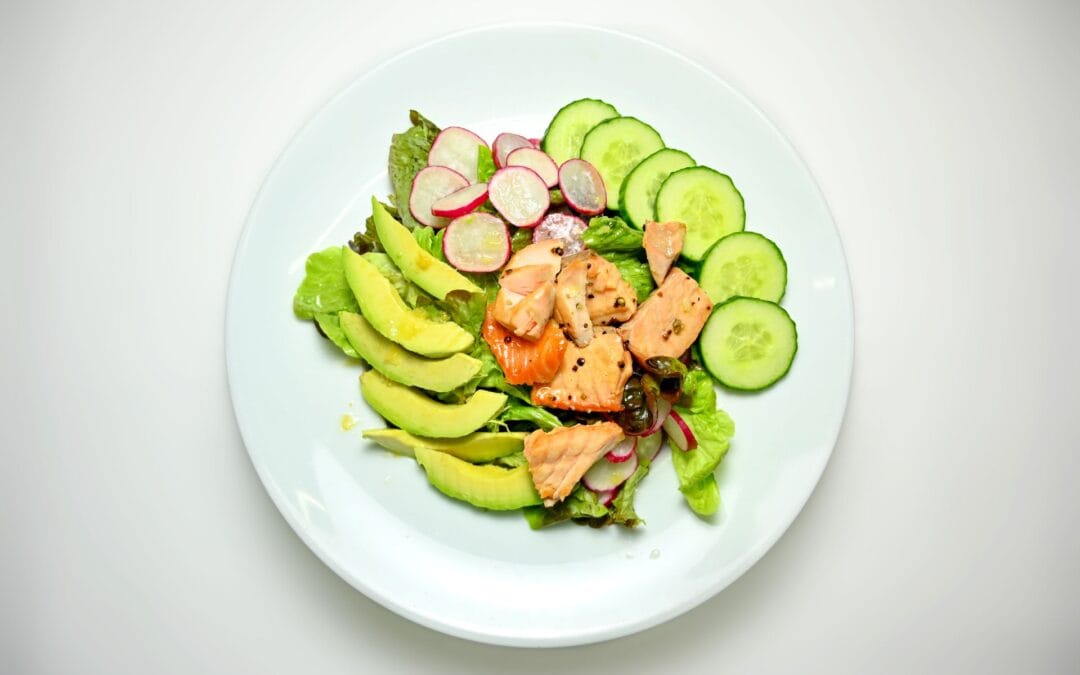

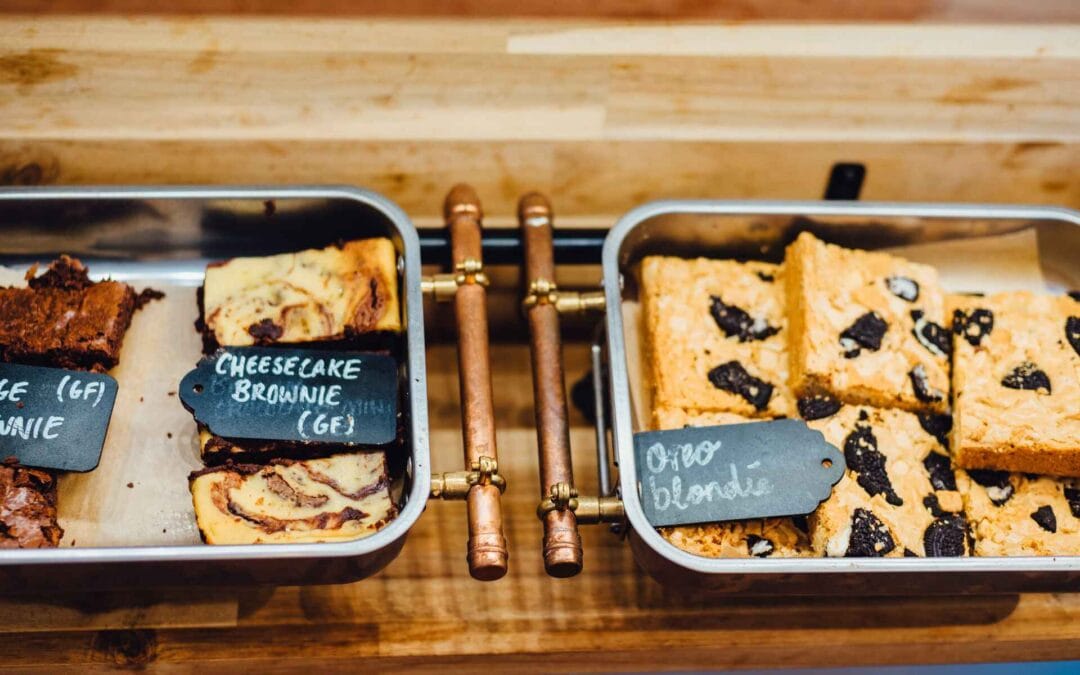
Wow, such great content! You always deliver quality stuff
Thank you so much — that truly means a lot to me. I always aim to share honest, well-researched content, so hearing that it feels genuine and trustworthy is incredibly encouraging.