
Meal prepping is the secret weapon for anyone who wants to stick with a low carb lifestyle without living in the kitchen. Whether you’re short on time, trying to hit macros, or tired of last-minute carb splurges, a well-stocked freezer and a smart batch cooking plan make meals effortless. This guide walks you step-by-step through planning, cooking, freezing, and reheating low-carb meals that taste great and keep you on track.
Why Meal Prep Matters on a Low Carb Diet
Meal prepping is the single best shortcut to sticking with a low-carb plan long term. When you spend a couple of hours on a batch cook day and a little time organizing your freezer, you remove the two biggest saboteurs of low-carb eating: time pressure and decision fatigue. Studies show that people who prepare more meals at home tend to eat better overall and stick to dietary goals more consistently, which translates directly into fewer slip-ups and better outcomes. (1)
Beyond the obvious time savings, meal prep gives you predictability. You control ingredients, portion sizes, and macros. That means less guessing, fewer impulse carb grabs, and more confidence that each meal supports your goals — whether that goal is weight loss, better energy, or improved blood sugar control.
Consistency, adherence, and time savings
Consistency is the secret ingredient in any successful diet. Low carb meal prep turns “What am I going to eat?” from an emotional scramble into a practical choice: heat and eat or assemble from a handful of prepped parts. Research links frequent home cooking with improved diet quality and better adherence to dietary objectives — people who cook at home more often consume more veggies and fiber and less processed food. That matters because the easier a plan is to follow, the more likely you are to stick with it.
Practical, time-saving moves that increase consistency:
- Batch similar tasks (roast a sheet pan of veggies while slow-cooking meat).
- Portion once — weight or measure servings so weekdays become grab-and-go.
- Freeze smart — single-serve containers reduce reheating friction.
- Routine beats willpower — schedule a weekly (or monthly) batch day and treat it like a non-negotiable appointment.
These habits cut daily cooking time dramatically. Instead of scrambling to cook at 6 pm, you reheat a balanced low carb meal and keep your plan intact — day after day.
Blood sugar control, portioning, and fewer impulse carbs
One of the biggest practical wins from planning low-carb meals is improved blood sugar stability. Low-carb patterns (and especially well-structured low-glycemic meals) tend to produce smaller glucose spikes than carb-heavy meals, which is why clinicians often recommend carb reduction for people with prediabetes or type 2 diabetes. While long-term effects depend on many factors, short-term studies show meaningful drops in blood sugar and A1C with reduced carbohydrate intake. (2, 3)
Portion control is the other half of the equation. Research demonstrates that larger portions reliably increase energy intake; conversely, sensible portioning helps limit calories and carbs without the mental gymnastics of constant measuring. Meal prepping lets you set portions ahead of time so you’re not estimating “eyeball” servings when you’re tired or hungry. That directly reduces accidental carb overloads and supports steady blood sugar. (4)
Tactical tips to tighten blood sugar control with low carb meal prep:
- Build every meal with protein + non-starchy veg + healthy fat. This combo slows digestion and smooths blood sugar response. (5)
- Pre-measure carbs (if you track) and label containers with net carb counts. Single-serve labeling removes guesswork.
- Include fiber-rich veg — fiber lowers net carb impact and increases satiety.
- Avoid “convenience” high-carb swaps — when nights get busy, prepped low-carb bowls beat a drive-through.
Finally — and critically — plan for safety. Cook food quickly, store it properly, and keep your freezer at the right temp so your prepped low-carb meals are both healthy and safe. Government guidance shows the “danger zone” for bacterial growth is the range you want to avoid, and it explains the best cooling/freezing practices to keep meals safe for later. (6, 7)
Quick Overview: What “Low Carb” Means for Meal Prep
Low carb meal prep is less about eliminating an entire food group and more about choosing foods and combos that keep carbs controlled while maximizing flavor, fullness, and nutrition. In practice, that means planning meals around a reliable protein, plenty of non-starchy vegetables (fiber!), and a source of healthy fat — then controlling portion sizes and the type of carbs you include (berries, legumes only when they fit your target, and very small portions of starchy roots or grains if any). This creates meals that are easy to batch cook, freeze, and reheat without blowing your daily carb target. (See practical label tips below.) (8, 9)
Net carbs vs total carbs
“Total carbs” on a nutrition label is the sum of everything in that food that’s classified as carbohydrate (sugars, starches, and fiber). “Net carbs” is a user created shortcut many low carb eaters use to estimate the portion of carbs likely to affect blood sugar. The common formula is:
Net carbs = Total carbohydrates − Dietary fiber − (some or all sugar alcohols).
Most guides subtract all fiber because fiber is not fully digested into blood glucose; sugar alcohols are treated variably (erythritol is often fully subtracted, others only partially), so people sometimes subtract half of the sugar alcohol grams or check the ingredient list for specifics. There’s no single government-mandated definition of “net carbs,” so use it as a practical tracking tool — not a legal label. If you have diabetes or other metabolic conditions, double-check how specific sugar alcohols affect your glucose before relying on them. (10, 11)
Practical tips for counting net carbs during meal prep:
- Use whole-food fiber first. Subtract naturally occurring fiber from fruits and veg rather than relying on processed “fiber added” claims. Harvard and major nutrition groups emphasize whole-food fiber for health.
- Be cautious with sugar alcohols. Brands vary — check the ingredients and, if in doubt, subtract only half or track total carbs if you need tighter control. (12)
- Label your meals. When you batch cook, write both total carbs and net carbs on the container so weekday decisions are effortless.
Protein, fat, and fiber balance for satiety
One reason low carb meal prep works is that thoughtfully pairing protein, fat, and fiber increases satiety (the feeling of fullness between meals), so you naturally eat less and slip up less often. Protein is the most powerful macronutrient for increasing satiety and supporting muscle mass; studies repeatedly show that higher-protein meals reduce subsequent calorie intake and raise thermogenesis (calorie burn from digestion). Fat slows gastric emptying and adds palatability; fiber adds bulk and slows glucose absorption — together they make meals more satisfying both physically and mentally. (13, 14)
How to build a satiating low-carb plate for batch cooking:
- Start with protein: 4–6 oz (cooked) of chicken, fish, tofu, or ground meat per adult portion. Pre-cook and portion these for grab-and-go bowls.
- Add fibrous veg: 1–2 cups of non-starchy vegetables (leafy greens, broccoli, cauliflower, peppers). Fiber reduces net carb impact and increases volume without many carbs.
- Include a healthy fat: 1–2 tablespoons of olive oil, avocado, nuts, or full-fat yogurt/dairy (if tolerated). Fats keep you full longer and make reheated meals taste better.
Practical batch prep example: Roast a sheet pan of seasoned chicken thighs (protein + fat), steam and shred cauliflower (fiber + veg), portion into microwave safe containers, and drizzle a tablespoon of olive oil before freezing. Label each container with weight and net carbs so you can reheat without guessing.
Quick caveat: While balancing macros helps most people with appetite and energy, individual responses vary. If you have diabetes, are taking medication that affects glucose, or have other health concerns, check with your healthcare provider about carbohydrate targets and how to count net carbs safely.
Planning Your Low Carb Batch Cook Day
Batch cook days win or lose at the planning stage. Think of the day like a small production line: recipes selected for overlap, tools staged for speed, and a clear timeline so nothing sits too long (or gets forgotten). Good planning cuts cooking time, reduces waste, and makes your freezer a dependable meal bank rather than a mystery drawer.
Below you’ll find practical guidance for choosing freezer-friendly recipes, building a smart ingredient master list, equipping your kitchen with the right containers, and a batching schedule you can use the very first time you try this.
Choosing recipes that freeze well
Not every recipe survives the freezer equally. Use this quick checklist when deciding what to batch cook:
- Pick sturdy textures. Soups, stews, casseroles, braises, meatballs, pulled meats, cooked grains, and riced veggies (like cauliflower rice) freeze and reheat predictably.
- Separate sauces when needed. Creamy or emulsified sauces can split; freeze the base and add cream or fresh dairy at reheating. Acidic dressings (lemon/vinaigrette) are best added fresh.
- Avoid high-water raw veg. Raw lettuce, sliced cucumber, and raw zucchini often turn mushy. Roast or blanch them first, or skip them and add fresh ones at service.
- Think modular. Cook proteins and veg separately and freeze in portions so you can mix and match (protein + veg + sauce) for variety.
- Test new recipes. Freeze one serving as an experiment before committing to an entire batch.
Examples of freeze-friendly low-carb recipes: chili (no corn), pulled pork, meatball marinara (freeze meatballs separately from sauce if possible), cauliflower mash, egg muffins, and baked fish portions wrapped tightly.
Making an ingredient master list
A master list turns “uh-oh, I forgot basil” into quick success. Build it in three columns so it’s useful for shopping and scaling:
- Ingredient (with preferred form) — e.g., “Chicken thighs — boneless, skin-on.”
- Quantity for batch — list exact weights/units for your batch (e.g., 6 lb chicken thighs)
- Substitute(s) & notes — e.g., “Sub: bone-in thighs (add 10–15 min cook). Freeze: yes; portion: 6× portions.”
Sample short master list for a 6-meal batch day:
- Chicken thighs — 6 lb (roast 4 lb for bowls; shred 2 lb for soups) — freeze 6× single servings
- Cauliflower — 6 heads (riced/mashed) — blanch or roast, then freeze flat
- Spinach — 2 lb (saute, squeeze dry) — freeze in 1-cup portions
- Canned tomatoes (no sugar) — 6 cans — for sauces and chilis
- Olive oil, ghee, or avocado oil — 1 bottle each — pantry staple
- Garlic, onion, paprika, cumin, salt, pepper — quantities to taste — pantry staples
Practical tips:
- Group by store section (produce, meat, pantry, dairy, freezer) for faster shopping.
- Pre-scale for portioning — include the number of servings so packaging is ready (e.g., “6 × 10-oz portions”).
- Add timing notes — eg, “Cauliflower riced while meats roast (20 min).” That helps when you map the day.
Tools and containers to own (freezer bags, vacuum sealer, airtight containers)
Your container choices shape food longevity, portioning, and reheating convenience. Favorites that pay for themselves fast:
- Vacuum sealer + bags: Best for long-term quality. Removes air, reduces freezer burn, and flattens packages for efficient stacking. Great for proteins, shredded meats, and sauces.
- Heavy-duty, freezer-safe zip bags (quart & gallon): Cheap, versatile, and great for flat-freezing soups and riced veg. Squeeze out excess air before freezing.
- Stackable rigid containers (BPA-free plastic or tempered glass): Use these for casseroles and single-serve meals. Glass is microwave/oven-safe if labeled; check manufacturer guidance for freezer use.
- Silicone trays & molds: Perfect for freezing single-serve broth or sauce cubes; pop them out and bag them for sauce portions.
- Mason jars (wide mouth, tempered glass): Good for soups if you leave headspace, but be careful—only use jars rated for freezing.
- Labels & freezer pen: Waterproof labels or a sharpie to write name, date, portion size, and net carbs.
- Small food scale: Fast, accurate portioning improves consistency.
Packaging tips:
- Cool foods to room (but not hot) before placing into vacuum bags or rigid containers—hot food can raise freezer temperature or compromise seals.
- Flatten soups/sauces in zip bags for faster freezing and thawing.
- Wrap delicate items (fish, flaky baked goods) in parchment before bagging to reduce sticking.
Scheduling & batching strategy (double, triple, stovetop + oven combo)
A smart schedule keeps burners and ovens busy while you multitask like a pro. Here’s a repeatable batching strategy you can adapt to a 2–4 hour block:
Pre-batch prep (15–30 min)
- Read all recipes and group similar steps (e.g., all roasting, all simmering).
- Preheat ovens (two racks at different temps if needed).
- Chop all veg, measure spices, and portion oils and sauces into bowls (mise en place).
Oven first (30–60 min)
- Start with longer roast items (sheet pan proteins and hearty veg). Example: roast chicken thighs + sheet pan broccoli and cauliflower at the same time. While the oven hums, move to the stovetop.
Stovetop & multi-task (30–60 min)
- Braises, chilis, and sauces simmer on low while you finish other tasks. Use large stockpots or a multi-insert slow cooker/Instant Pot to free up range space.
- Sear or brown ground meats and transfer to the oven or slow cooker to finish.
Quick bakes & egg items (10–20 min)
- Pop egg muffins or frittatas in while other dishes finish. These are a fast win and portion easily.
Cool, portion, and pack (30–60 min)
- Move finished food to shallow pans to cool quickly (safe cooling avoids the danger zone). Divide into single or family-size portions, label, and freeze flat where possible.
Cleaning as you go — keep one sink for rinsing and one area for dirty dishes to minimize end-of-day chaos.
Double & triple batching tips:
- Double recipes that share ingredients rather than making two unrelated recipes; this minimizes prep. Example: double ground beef for keto chili and low carb meatballs.
- Cook big, mix small. Roast a whole tray of seasoned veggies, then split them into different sauces and spices after freezing to create variety.
- Modular freezing — freeze proteins and veg separately so you can recombine different meals (pulled pork + cauliflower mash one night, pulled pork + roasted peppers another night).
Example 3-hour timeline (two-person household):
- 0:00–0:15 — Preheat oven, chop veg, season proteins.
- 0:15–1:00 — Roast proteins + tray veg. Start chili on the stovetop.
- 1:00–1:30 — Brown ground meat; transfer to simmer. Bake egg muffins.
- 1:30–2:00 — Rice/steam cauliflower, sauté greens, finish sauces.
- 2:00–3:00 — Cool, portion, label, stack/freezer organize.
This plan scales: add an extra hour for larger families or triple batches, or compress into a tight 90-minute blitz if you’ve practiced the flow.
Final quick wins for batch day success
- Always label. Date, contents, serving size, and reheating instructions remove guesswork.
- Freeze flat. Saves space, speeds thawing, and stacks neatly.
- Rotate flavors. Make 2–3 core proteins and 3–4 veg/sauce combos to multiply meal variety without extra work.
- Plan reuse. Use bones and trimmings for broth—freeze in cubes for easy flavor boosts later.
Best Low Carb Foods for Batch Cooking & Freezing
Batch cooking and freezing low carb meals works best when you choose ingredients that keep flavor and texture after freezing, store safely, and reheat well. Below, I’ll walk through the top protein choices and the vegetables that hold up (and how to prep them) so your freezer meals stay tasty and practical.
Proteins (chicken, pork, beef, fish, tofu, tempeh)
Pick proteins that withstand freezing and reheating without drying out or turning rubbery. Here’s how to handle each one for best results:
- Chicken (thighs, breasts, shredded):
- Best form: Cooked shredded chicken or bone in thighs freeze and reheat better than lean, overcooked breast. Thighs retain fat and moisture; breasts can dry if overcooked. Portion into meal-sized packages and remove excess air (vacuum-seal or squeeze bag flat) to reduce freezer burn. If freezing raw, overwrap the store packaging with heavy-duty foil or freezer film for longer storage. (15, 16)
- Pork (roasts, pulled pork, ground):
- Best approach: Slow-cooked pulled pork freezes beautifully — portion while shredded and bag flat so thawing is quick. For raw pork chops/roasts, wrap tightly or vacuum seal; consider slicing into meal portions before freezing to speed thawing.
- Beef (stewing cuts, ground, braised):
- Tips: Tougher cuts (chuck, brisket) become tender when braised and are excellent for freezer meals. Freeze stews in single portions or family pans. If freezing raw steaks, use two layers of freezer paper or a vacuum seal to keep quality.
- Fish (fillets, salmon, cod):
- Do this: Flash-freeze fillets flat on a tray, then bag or vacuum seal. Oily fish (salmon) hold up well but may absorb freezer odors — wrap tightly. Cooked fish can be frozen, but delicate flakiness sometimes increases after thawing; aim to avoid repeated reheating.
- Tofu & Tempeh (plant proteins):
- Why freeze them: Freezing tofu changes its texture — ice crystals leave a spongier, chewier block that soaks up marinades and sauces better (great for low carb bowls and stir-ins). Freeze unopened or press/drain first; many cooks freeze whole, then cut after thawing. Tempeh freezes well, too, and is actually often stored frozen for longevity. Both are excellent low carb batch proteins. (17, 18)
Practical protein prep rules
- Cool cooked proteins to near room temperature (but don’t leave >2 hours) before packaging. Then portion, label, and freeze flat for fast thawing. Keep your freezer at 0°F (-18°C) for best quality and safety. (19, 20)
Vegetables that keep their texture after freezing (cauliflower, broccoli, zucchini, caution)
Vegetables vary. Some become mushy if frozen raw, others hold up well when blanched or roasted first. Here’s a quick, low-carb-friendly cheat sheet and how to prep each for batch cooking:
- Cauliflower (rapé/riced, mashed, roasted):
- How to freeze: Cauliflower can be blanched briefly or roasted first, then cooled and frozen flat in bags. Riced cauliflower freezes well when cooked and drained (steam or sauté, then cool). Note: Raw cauliflower frozen directly may suffer textural changes; roasted or cooked forms reheat with better texture. (21, 22)
- Broccoli:
- Prep: Blanch florets 2–3 minutes, cool in ice bath, drain thoroughly, then freeze flat on a tray before bagging. Blanched broccoli retains color and texture and is great for casseroles, soups, or stir-ins.
- Zucchini (use with caution):
- Caution & tips: Zucchini is watery — raw freezing often turns it limp. Solution: slice and roast or sauté first, or grate and squeeze out moisture before freezing as “zoodles” or in fritters. Another option: add frozen zucchini directly to soups or stews where texture matters less.
- Spinach, kale, and leafy greens:
- Best method: Sauté or blanch and squeeze excess liquid before freezing in compact portions. Frozen greens are perfect for egg bakes, soups, and blended dishes — not for fresh salads.
- Peppers, green beans, carrots:
- Use cases: Peppers and green beans freeze well if roasted or blanched first. Carrots hold up if blanched; raw carrots become mealy. These are great for mixed veg packs used in stir-fries or casseroles.
Freezing technique for veg (quick checklist)
- Blanch when needed: Short boil + ice bath locks color and slows enzymes that degrade texture.
- Drain & dry thoroughly: Excess surface water → ice crystals → freezer burn / soggy reheated veg.
- Flash-freeze on a tray: Prevents clumping and makes grabbing single portions easier. (23)
- Package airtight: Vacuum sealing or heavy-duty freezer bags with air removed extend quality.
Putting it together: sample pairings for low-carb batch meals
- Pulled pork + cauliflower mash (freeze separately; reheat and combine) — tender texture, high satiety.
- Chicken thigh tray roast + roasted broccoli — robust reheating resilience.
- Keto chili (ground beef + peppers + tomatoes) — stews and chilis are freezer champions.
- Frozen tofu cubes + sautéed spinach + almond butter sauce — uses frozen tofu’s spongy texture to soak up flavor.
Safety & storage reminders (essential)
- Keep the freezer at 0°F (-18°C). Frozen food stored continuously at that temp is safe indefinitely, though quality declines with time — use recommended windows for best taste. Label packages with date & contents, and rotate using FIFO (first in, first out).
- If freezing store-bought meat for longer than about 2 months in the original flimsy packaging, overwrap with freezer paper or place inside a heavy-duty bag to protect quality.
Freezing & Food Safety Essentials
Freezing is an amazing tool for low carb meal prep: it locks in convenience and prevents waste — but only if you do it safely. Below are the practical rules I use every batch cook day: exact temps and storage logic, how to cool cooked food properly, packaging tips to avoid freezer burn, and clear reheating/refreezing rules so nothing risky winds up on the plate. I’ll cite official guidance so you can trust these steps.
Freezer temperature and storage timelines
- Set your freezer to 0°F (-18°C) or colder. That’s the standard recommendation to keep food safely frozen; at this temp frozen food is safe from a microbiological point of view indefinitely, though quality (taste/texture) will decline over time. Use an appliance thermometer if your freezer doesn’t show an accurate readout.
- Storage timelines are about quality, not safety. Official charts from FoodSafety.gov and the FDA remind us that while food stored continuously at 0°F is microbiologically safe “indefinitely,” recommended windows (2–12 months depending on the food) are given for best flavor and texture. For example, many cooked leftovers are best used within 2–3 months for peak quality. Label everything with the date so you can rotate by age.
Quick reference (quality windows — approximate):
- Cooked leftovers/casseroles: 2–3 months.
- Cooked soups & stews: 2–4 months.
- Raw steaks/chops: 4–12 months depending on cut and packaging.
(Check official charts for specifics — I used FoodSafety.gov & FDA as references.)
Cooling cooked food quickly & “danger zone” rules
- Avoid the danger zone (40°F–140°F / 4°C–60°C). Per USDA/FSIS guidance, bacteria grow fastest between 40°F and 140°F. The rule of thumb for leftovers and batch cooked food: get food under 40°F as fast as practical and into the fridge or freezer within 2 hours (1 hour if ambient temps are above 90°F). (24, 25)
- How to cool safely and fast on batch day:
- Divide hot food into shallow pans (no deep, tall pots) so heat dissipates faster.
- Use an ice bath for soups/stock: place the pot into a sink of ice water and stir occasionally to speed cooling.
- Put smaller portions into shallow containers and refrigerate immediately; freeze after they’re cold.
- Don’t crowd your fridge/freezer — air circulation matters for rapid cooling. (26)
Why this matters: cooling slowly lets food sit in the danger zone longer, which increases the risk of bacterial growth even if you later freeze the food. Fast cooling + prompt freezing drastically lowers that risk.
How to prevent freezer burn & best packaging techniques
Freezer burn (dry, discolored spots caused by dehydration and oxidation) ruins texture and flavor — it’s not a safety issue, but it’s why food tastes sad. Prevent it with airtight packaging and minimal air exposure.
Best packaging practices:
- Vacuum sealing is the gold standard: it removes air and extends quality significantly — especially useful for long-term frozen proteins and sauces. If you freeze a lot, a vacuum sealer pays for itself. (27)
- Flat freeze in zip bags: for soups, stews, riced cauliflower, or sauces — lay bags flat in a single layer to freeze, then stack. Flat packs thaw faster and save space. Squeeze out as much air as possible before sealing. (28)
- Double wrap for raw store packages: overwrap flimsy store plastic with freezer paper or heavy-duty foil before placing in a bag for long storage. This helps avoid moisture loss and freezer odors.
- Use proper freezer-safe containers: tempered glass labeled freezer safe, heavy-duty plastic containers with tight lids, or purpose made freezer jars. If using glass, leave headspace (1″ for soups) because liquid expands when frozen.
- Label everything clearly: contents, pack date, portion size, and a suggested “use-by” for quality. Rotate older items to the front (FIFO).
Packaging speed tips for batch day: cool first (see above), portion into final containers while still warm-to-warm (but not hot), then freeze flat. For sauces that may separate, consider freezing the base and adding dairy/fresh herbs at reheating.
Reheating & refreezing rules
- Thaw safely: the safest method is overnight in the refrigerator. For faster options, use the cold-water method (sealed bag in cold water, change water every 30 minutes) or microwave — but if you use cold water or microwave, cook immediately after thawing. (29)
- Refreezing guidance: You may refreeze food only if it was thawed in the refrigerator and has not been left above 40°F for more than 2 hours. Food that thawed and warmed above 40°F should be discarded. If food still contains ice crystals or is at 40°F or below, the FDA/USDA says it can be safely refrozen. (That’s a practical and conservative rule.)
- Reheat to safe temperatures: when reheating cooked meals, heat to an internal temperature of 165°F (74°C) for leftovers to ensure any bacteria are killed — use a food thermometer for accuracy. If reheating in a microwave, stir and rotate to avoid cold spots. (30, 31)
Note about quality vs safety: refreezing can degrade texture and moisture — meat may be drier, and sauces can separate. For best results, reheat only the portion you plan to eat and avoid repeated freeze thaw cycles. Modular freezing (separating protein, veg, sauce) helps you reheat just what you need without refreezing leftovers.
Short checklist to pin on your freezer door
- Freezer temp = 0°F (-18°C). Check it weekly.
- Cool hot food fast: shallow pans or ice bath; refrigerate within 2 hours (1 hour if very hot).
- Package airtight: vacuum seal or heavy zip bags; flat-freeze liquids. (32)
- Label with date & contents; use FIFO.
- Thaw in fridge; if refreezing, make sure the item stayed ≤40°F or still has ice crystals. Reheat to 165°F.
Recipes & Batch Cook Menus (with portions & freezer notes)
Below are ready-to-use, low carb batch recipes and menu ideas built for easy freezing, clear portioning, and fast reheating. Each recipe entry includes a short description, suggested portion size, freezer notes (how to package and how long it keeps), and quick thaw/reheat instructions — so you can make smart choices on batch day and avoid soggy, bland leftovers. (Reminder: keep your freezer at 0°F / −18°C and label with date; see USDA/FDA freezer guidance for safety and storage timelines.)
7× “Weeknight to Freezer” recipes (short recipe bullets + freeze/thaw notes)
- Keto Beef & Pepper Chili (No Beans)
- What: Ground beef, diced tomatoes (no sugar), bell peppers, onions, chili spices.
- Portion: ~1½–2 cups per adult serving (about 10–12 oz cooked).
- Freeze notes: Cool to room temp, portion into single-serve freezer bags or rigid containers, remove air (press flat in bags). Keeps the best 3 months for quality.
- Thaw/reheat: Thaw overnight in fridge or reheat from frozen in a saucepan over low heat, stirring occasionally; add a splash of broth if it’s thick. Reheat to 165°F.
- Quick tip: Freeze the chili flat in zip bags so it stacks; label with net carbs if you track.
- Pulled Pork Carnitas (Slow Cooker)
- What: Pork shoulder, cumin, oregano, garlic, orange/lime (juice), low-carb seasoning.
- Portion: ~5–6 oz cooked meat per portion.
- Freeze notes: Shred and portion into meal sizes; vacuum seal for best long-term quality (4–6 months). If using bags, flatten.
- Thaw/reheat: Thaw overnight in fridge or reheat from frozen in a skillet with a splash of broth; finish with a quick sear under high heat for texture.
- Quick tip: Freeze extra shredded pork in smaller portions for easy salads or bowls.
- Chicken Thigh Tray Roast + Herbed Cauliflower Rice
- What: Skin-on chicken thighs roasted with garlic & lemon; cauliflower rice cooked and gently seasoned.
- Portion: 2 thighs + 1 cup cauliflower rice per meal.
- Freeze notes: Freeze protein and cauliflower separately for the best texture. Use airtight containers or vacuum bags; cauliflower is best used within 2–3 months.
- Thaw/reheat: Thaw chicken in fridge and reheat in oven (350°F) to crisp skin; microwave cauliflower rice or reheat in a skillet with oil.
- Quick tip: Crisp thighs in a hot pan after reheating to refresh the skin.
- Keto Meatballs in Tomato Sauce (Single-Serve trays)
- What: Beef/pork meatballs flavored with herbs and parmesan, simmered in a low-sugar marinara.
- Portion: 6 meatballs + ¾ cup sauce per serving.
- Freeze notes: Freeze meatballs separately from sauce for best results, or freeze assembled in small baking dishes for convenience (use oven-safe containers). Eat within 2–3 months.
- Thaw/reheat: Thaw overnight or reheat from frozen in a covered skillet; add a splash of water if the sauce is too thick.
- Quick tip: Freeze meatballs on a tray first to avoid clumping, then bag.
- Creamy Cauliflower & Bacon Casserole (Dairy-tolerant; optional dairy-free swap)
- What: Roasted cauliflower, crispy bacon, light cheese or cream substitute, mustard & spices.
- Portion: ~1 cup per serving as a side or 1½ cups as a main.
- Freeze notes: Dairy can separate; for longer-term freezing, freeze the casserole base (cauliflower + bacon) and add cream/cheese when reheating. Keeps 2–3 months.
- Thaw/reheat: Thaw in fridge and reheat in oven to revive texture; add fresh cheese or cream during reheating.
- Quick tip: For dairy-free, use blended cashew cream added at reheat.
- Egg Muffins: Spinach, Feta & Bacon
- What: Baked egg muffins with veggies, cheese, and bacon — portable breakfast or snack.
- Portion: 2–3 muffins per serving.
- Freeze notes: Cool completely, then freeze in airtight bags or containers. Freeze up to 2 months.
- Thaw/reheat: Reheat from frozen in microwave (60–90 sec) or oven (about 10–12 min at 350°F).
- Quick tip: Make mixed-flavor batches (mushroom/cheddar vs. spinach/feta) for variety.
- Keto Seafood Stew (Tomato-based with firm fish & shrimp)
- What: Firm white fish, shrimp, tomatoes, garlic, fennel, broth — served over cauliflower rice.
- Portion: ~1–1½ cups stew + cauliflower rice serving.
- Freeze notes: Freeze base broth & veg with fish in single servings; seafood texture can change if frozen too long — aim to consume within 2 months.
- Thaw/reheat: Thaw overnight; reheat gently to avoid overcooking seafood. If reheating from frozen, simmer on low and add seafood last if possible.
- Quick tip: Cook seafood slightly underdone before freezing so reheating finishes it.
Vegetarian & vegan low-carb freezer ideas
Low carb vegetarian and vegan freezer meals require different protein and texture strategies — think tempeh, tofu (freezing alters texture beneficially), seitan (if you eat gluten), nuts, seeds, and fiber-dense vegetables. Below are sturdy, low-carb plant-based batch options with freezing and thawing advice.
- Frozen Tofu & Veg Curry (Coconut-based, Lower Carb Veg)
- What: Frozen/thawed tofu (firmer texture), cauliflower, spinach, coconut milk (add fresh at reheat for best creaminess), curry paste.
- Portion: 1–1½ cups per serving.
- Freeze notes: Freeze tofu curry base (without fresh greens or extra coconut cream) up to 2 months. Coconut may separate; stir vigorously when reheating.
- Thaw/reheat: Thaw in fridge overnight; reheat gently and add a fresh squeeze of lime and cilantro.
- Tempeh “Bolognese” over Riced Cauliflower
- What: Crumbled tempeh cooked in tomato sauce with herbs and mushrooms — high in plant protein.
- Portion: ~1 cup sauce + 1 cup cauliflower rice.
- Freeze notes: Freezes well in single servings up to 3 months. Tempeh holds texture after freezing.
- Thaw/reheat: Reheat on stovetop; add fresh basil at serving.
- Keto Eggplant & Nut “Meat” Casserole (Walnut & mushroom filling) — vegetarian (not vegan) or swap dairy.
- What: Roasted eggplant slices layered with a walnut-mushroom pesto “meat” and optional cheese substitute.
- Portion: 1–2 slices per serving.
- Freeze notes: Freeze in oven-safe single portions or a family dish; use within 2–3 months. Eggplant texture softens but remains satisfying in baked dishes.
- Thaw/reheat: Thaw overnight and reheat in the oven to restore the top texture.
- Cauliflower & Lentil Stew (Lower-carb lentil portions or split peas — use sparingly)
- What: Cauliflower, a small portion of lentils (moderate carbs), tomatoes, spices. Best for those who accept slightly higher carbs.
- Portion: 1 cup of stew per serving.
- Freeze notes: Lentils change texture if frozen, but overall stew freezes well for 2–3 months. For stricter low-carb, omit lentils and add extra tofu or tempeh.
- Thaw/reheat: Thaw overnight; simmer and add fresh herbs.
- Vegan “Shepherd’s” Pie (Cauliflower Mash Top)
- What: Base of mushrooms, tempeh crumbles, and root veg (minimal), topped with cauliflower mash.
- Portion: ~1–1½ cups per serving.
- Freeze notes: Excellent candidate for single-serve casseroles; freeze up to 3 months. Keep the mash and base as one assembled dish for convenience.
- Thaw/reheat: Reheat covered in oven until heated through; finish uncovered to brown the mash.
- Nut & Seed-Crusted Baked “Tofu” Nuggets + Roasted Broccoli
- What: Tofu pieces breaded in ground almonds/flax + spices; roasted broccoli on the side.
- Portion: 6–8 nuggets + 1 cup broccoli.
- Freeze notes: Freeze nuggets separately on a tray first, then bag. Broccoli should be blanched or roasted first. Use within 2 months.
- Thaw/reheat: Reheat in oven or air fryer to regain crispness.
Portioning, Macros & Labeling for Easy Reheating
Nailing portioning, macros, and labeling turns a chaotic batch cook day into a tiny factory that reliably spits out ready-to-eat, on-goal meals. Treat portioning and labels as part of the recipe — not an optional extra. Below you’ll find practical, repeatable systems for setting per-meal calorie and net carb targets, measuring and packing portions, and labeling so reheating is fast, safe, and foolproof.
How to portion to meet calories and net carbs
1. Start with your targets (daily → per meal).
Decide your daily calorie and net carb goals first. If your daily net-carb goal is 30 g and you plan 3 meals + 1 snack, you might allocate ~8–10 g net carbs per main meal and 2–6 g for the snack. Breaking a big goal into per-meal targets makes it easy to portion on batch day rather than guessing at mealtime. “Net carbs” are usually calculated as total carbs minus fiber (and sometimes minus certain sugar alcohols), so use that rule consistently across your labels. (33)
2. Pick a per-meal macro template.
Use a simple plate formula for each portion:
- Protein: 4–6 oz cooked (about the size of your palm) — gives a solid protein base.
- Veg (fiber): 1–2 cups non-starchy vegetables (volume helps satiety with few carbs).
- Fat: 1–2 tbsp (olive oil, avocado, nuts) or a pat of butter for satiety.
Allocating your calories this way simplifies packaging and helps keep net carbs low while balancing hunger and energy. Harvard’s meal-prep guidance emphasizes that planning ingredients and portions improves diet quality and makes it easier to stick to goals. (34)
3. Use a food scale and consistent portion units.
- Weigh your cooked protein portions (e.g., 120 g / 4.2 oz cooked per serving). A small kitchen scale is the fastest way to be consistent.
- Measure veg with a measuring cup (1 cup cooked veggies) or a simple visual cue (two cupped hands ≈ 2 cups raw). Visual cues are useful when you’re out of the kitchen. (See visual portion guides for reference.)
- Pre-measure fats into small containers or spoon them into bags so you don’t guess.
4. Do the math once, then copy.
Calculate the macros for one standard portion, write them on a master sheet, and repeat during packaging. Example (illustrative): if 1 cup of cauliflower rice = 5 g total carbs and 3 g fiber → net carbs = 2 g; write that on the label. If your protein adds negligible carbs and your sauce adds 4 g net carbs, you’ll know the whole meal is ~6 g net carbs.
5. Build a “label-ready” nutrition cheat sheet.
Before you batch cook, create a tiny table listing each cooked ingredient with: weight per portion, total carbs, fiber, and net carbs. That lets you quickly sum totals for each assembled meal and print them on your labels. This step prevents inconsistent servings and accidental high-carb meals.
6. Examples of per-meal net-carb targets
- Strict keto (20–30 g/day): aim for 5–8 g net carbs per main meal.
- Moderate low-carb (50–100 g/day): aim 15–25 g net carbs per main meal.
Adjust based on your daily plan and whether you include snacks. (Remember: “net carbs” is a tracking approach and personal responses vary — be consistent in how you calculate them.)
Labeling system: date, macros, reheating instructions
A good label answers three questions at a glance: What is it? When was it made? How do I reheat it safely? Add a few more fields, and your weekday life becomes effortless.
1. What to include on every label (must-have fields)
- Name / Quick ID: “Pulled Pork — Carnitas”
- Pack Date (YYYY-MM-DD): makes rotation obvious.
- Portion / Servings: e.g., “1 serving (5 oz meat + 1 cup cauli rice).”
- Net carbs & Total carbs: e.g., “Net 6 g | Total 10 g” — use the same net-carb method you used during prep.
- Calories (optional): if you track calories, print approximate kcal per serving.
- Allergens: e.g., “Contains: dairy, tree nuts” — vitally important for households with allergies.
- Reheat instructions & temp/time: e.g., “Reheat: Oven 350°F (175°C) 18–22 min (internal 165°F)” — reheating to 165°F kills most surviving bacteria in leftovers. Use a food thermometer to verify.
- Use-by for quality: e.g., “Best quality by: 2026-05-10 (3 months)” — recommended windows are quality guides (not absolute safety cutoffs).
2. Label layout example (one-liner version)
Pulled Pork | 2026-02-10 | 1 srv | Net 4 g | 420 kcal | Reheat 350°F 18m to 165°F | Use-by 2026-05-10 | Contains: none
3. Practical labeling tips
- Use waterproof freezer labels or a freezer-safe marker. Regular paper labels fall off or smear in the cold.
- Color-code by meal type. Breakfast = yellow sticker, dinner = blue — reduces decision time.
- Include a QR code (advanced). If you publish recipes, link a QR to the recipe page so family members can see ingredients, steps, or swap reheating methods.
- Print batch sheets. Keep a master spreadsheet (or phone photo) listing contents & pack dates; it’s faster than reading every label while deciding what to use.
4. Reheat instructions — be specific
Write reheating steps that work for the package type:
- Oven (preferred for crispness): Preheat to 350°F (175°C). Place the meal in an oven-safe dish, cover if needed, and reheat for 15–25 minutes, depending on the size. Finish uncovered for 3–5 minutes for browning. Check internal temp 165°F.
- Stovetop: Reheat soups/stews in a saucepan over medium-low, stirring occasionally until simmering and evenly hot.
- Microwave (single servings): Reheat on high in 60–90 second bursts, stir/rotate, and continue until steaming hot throughout. Use a microwave-safe cover to retain moisture.
- From frozen: Add 50–75% more time than from thawed instructions, or thaw overnight for faster reheating. Note: some casseroles can be placed frozen directly into a preheated oven; increase time and verify 165°F internal temp. (35)
5. Refreezing — labeling implications
If there’s any chance you’ll thaw & refreeze, label with the original pack date and the cooked/used date when refreezing. Per food-safety guidance, food thawed in the refrigerator and kept at 40°F (4°C) or below may be refrozen, but quality degrades. If food is thawed by cold water or microwave and then cooked, only the cooked product may be refrozen after it cools. Make a short note like: “Thawed 2026-03-01; Re-frozen 2026-03-02.” This protects you and anyone else using the freezer. (36)
Name: ______________________
Pack date: YYYY-MM-DD ______
Servings: ____   Serving size: ______
Net carbs: ____ g   Total carbs: ____ g
Calories: ____ kcal
Allergens: __________________
Reheat: _____________________
Target temp: 165°F (74°C)
Use-by (quality): YYYY-MM-DD
Notes: ______________________
Final packaging & rotation tips to make labels useful
- Freeze flat, label, then stack vertically like files. Flat packs stack and thaw faster; labels should face the same direction.
- Keep a freezer inventory inside the door (printed or a phone note) so you can glance at what’s available and the pack dates without digging.
- Use FIFO (first in, first out). Pull older items to the front when you add new packages and update your inventory list weekly. This prevents mystery meals and reduces waste.
Freezer Organization & Rotation System
A well-organized freezer saves time, reduces waste, and keeps your low carb meal prep working like clockwork.
The goal: know what you have, where it is, and when it needs to be used. Below are practical zones, rules, and a step-by-step rotation system that make the freezer predictable and efficient.
FIFO (first in, first out) approach
FIFO is the single most effective rule for minimizing waste. It’s simple: items you put in first go out first. Here’s how to implement FIFO so it actually sticks.
- Create visual zones
- Front (ready now): New packs and items that need to be used within 2–4 weeks.
- Middle (medium shelf life): Items with 1–3 month quality windows (single-serve casseroles, riced veg).
- Back / bottom (longer storage): Vacuum-sealed meats, bulk stock, and long-term stashes.
- Label clearly with pack and use-by dates
- Use YYYY-MM-DD so sorting is chronological. Pack: 2026-02-10 | Use-by: 2026-05-10.
- Place the label so it faces out. When you add new items, put them behind older ones.
- Stack like files
- Flat-frozen bags stand vertically like files in a file box. Pull the oldest file forward first. This is faster than digging through piles.
- Weekly 60-second review
- Spend one minute each week scanning labels and moving the soonest-to-expire items to the very front/top. A tiny habit that prevents a lot of spoilage.
- “Use this week” basket
- Keep a small bin for items you plan to eat in the next 7 days (prepped lunches, breakfast muffins). This helps family members pick meals without searching.
- Rotate when stocking
- When adding a new batch, move older packs forward; place the new batch behind. That simple motion enforces FIFO.
Pro tip: color-code stickers by month (e.g., February = blue, March = green). Visual cues speed decisions and reduce label reading under low light.
Inventory tracking templates and apps
Tracking what’s in the freezer makes FIFO effortless and turns guessing into a decision.
Below are two approaches: a lightweight paper/CSV template for quick printing and a feature list to look for in an app if you want automation.
Simple inventory template (CSV or spreadsheet)
Add this as columns in Google Sheets, Excel, or any notes app. You can paste the header into a spreadsheet and start adding items.
Item, Pack Date (YYYY-MM-DD), Use-By (quality), Quantity, Portion Size, Location (Shelf/Bin), Net Carbs (g), Calories, Allergen Notes, Reheat Instructions, Notes
Pulled Pork, 2026-02-10, 2026-05-10, 6 packs, 6 oz, Top Shelf - Bin A, 4 g, 420 kcal, None, Oven 350°F 18m, Vacuum sealed
Egg Muffins, 2026-02-10, 2026-04-10, 12 muffins, 2 muffins, Front Basket, 1.5 g, 180 kcal, Dairy, Microwave 90s, Freeze flat
How to use it:
- Sort by Use-By to see what to eat first.
- Filter by Location when you’re at the freezer.
- Keep the sheet on your phone (Google Sheets) so family members can check before they reheat.
Minimal printable inventory card (stick on inside freezer door)
- Today’s date: ______
- Items expiring this week: ______, ______, ______ (three slots)
- Refill list: ______, ______ (space for shopping list)
What to look for in a freezer app
If you want an app, choose one with these core features—these make meal prep scalable and search-friendly:
- Manual & barcode input: Add items quickly via barcode or typed entry.
- Photo support: Snap the meal so household members see the actual dish.
- Expiry alerts & push notifications: Reminds you when things are approaching “best quality” windows.
- Location tags: Multiple freezers or zones supported (deep freeze, top shelf, drawer A).
- Batch notes & recipe link: Store reheating instructions and a link to the recipe (handy for family).
- CSV export/import: Lets you export inventory for backup or to edit in a spreadsheet.
- Sharing: Family access so your partner can pick a meal for dinner.
If you prefer low-tech, set calendar reminders for “use oldest freezer items” once a week—it works as well as an app for many households.
Practical layout examples (small, medium, large freezer)
- Small combo fridge-freezer (single door tier):
- Top drawer = ready now (breakfast + lunches).
- Bottom drawer = longer storage (vacuum sealed proteins).
- Keep a laminated inventory card on the fridge door for quick checks.
- Medium upright freezer:
- Top shelf = short-term (this week).
- Middle shelves = mid-term (2–3 months).
- Bottom = long-term (bulk meat, stock).
- Use wire baskets or plastic bins labeled A, B, C to avoid digging.
- Large chest freezer / deep freeze:
- Use divider bins (meals, proteins, broths).
- Keep a “front bin” for the next 7–10 days of meals — this avoids opening the chest repeatedly.
- Keep inventory synced on your phone; set a weekly “open and scan” habit.
Automation & scaling tips for heavy batch cookers
- Batch ID system: give each batch a short code (e.g., CH-R1 = chicken roast batch 1). On the label and in your sheet, write the batch ID so you can trace recipes, ingredients, or macro notes.
- Master inventory pivot: if you make many meals, use a pivot table (or app filter) to see totals by protein, by portion size, or by week. This helps next month’s shopping.
- Link to meal plan: tie inventory to your weekly meal plan. Each Sunday, check the inventory and plan dinners that use older packs first. This reaffirms FIFO and reduces spoilage.
Common problems & fixes
- Problem: Old packs get buried and forgotten.
- Fix: Keep a “use this week” bin up front and rotate weekly.
- Problem: Labels fall off or smear.
- Fix: Use waterproof freezer labels and a freezer-safe marker. Alternatively, write on masking tape.
- Problem: Multiple people raid the freezer and don’t update the inventory.
- Fix: Put a magnet-back pen and a short “grab & check” note on the freezer: “If you take it, update the sheet.” Or use a shared app/family Google Sheet.
- Problem: Items stuck together in clumps.
- Fix: Flash-freeze on trays, then bag. Flat-freeze liquids to avoid clumping.
Thawing & Reheating: Best Techniques
Thawing and reheating the right way keeps your low-carb freezer meals safe and tasty. There are three safe thawing methods—refrigerator thawing, cold-water thawing, and microwave thawing—and each has clear rules about timing and what to do next. Cook from frozen when it’s safe and practical (soups, casseroles, small cuts), but plan extra time and always verify internal temperature. Below are step-by-step techniques, timing guidance, and practical tips so your reheated meals come out great every time. (37)
Refrigerator thawing, cold-water, microwave, stove; when to cook from frozen
1) Refrigerator thawing — the gold standard (plan ahead)
- How: Move the sealed package from freezer → refrigerator (bottom shelf is safest to avoid drips).
- Timing: Small single-serve items often thaw overnight; larger roasts/turkeys take 24 hours per 4–5 lb (plan accordingly). For many weeknight portions, put them in the fridge the night before.
- Why use it: Keeps the food below 40°F the whole time, minimizing bacterial growth and preserving texture/quality. Food thawed this way can be refrozen safely if you choose (quality will suffer).
Practical tip: Place thawing items on a shallow tray or plate to catch any juices and avoid cross-contamination.
2) Cold-water thawing — faster, but needs supervision
- How: Keep the item in a leak-proof bag; submerge fully in cold tap water. Change the water every 30 minutes to keep it cold.
- Timing: Small packages may thaw in an hour; larger pieces take several hours.
- Important rule: Food thawed using cold water must be cooked immediately after thawing. Do not return it to the fridge for later refreezing unless cooked first. (38)
Practical tip: Cold water is ideal when you forgot to defrost overnight but need dinner the same day—just allow time for water changes and immediate cooking.
3) Microwave thawing — fastest, use with care
- How: Use your microwave’s defrost setting (weight-based if available). Rotate and flip items periodically for even thawing.
- Timing: Minutes for single servings; depends on microwave power and food size.
- Important rule: Microwaved items often develop hot spots and partially cook; cook immediately after microwave thawing, and do not store raw food after this method.
Practical tip: For the best texture, partially thaw in the microwave just enough to separate portions, then finish cooking on the stove or in the oven.
4) Cooking from frozen — when it’s okay
- Safe & practical for: soups/stews, casseroles, small cuts (thin chicken breasts, fish fillets), meatballs, and certain sheet-pan meals. FSIS/USDA notes it’s safe to cook from frozen, but you must increase cooking time (often 50% longer than thawed) and verify internal temperature.
- Avoid cooking from frozen in slow cookers/crockpots. If you place frozen raw meat into a slow cooker, it may stay too long in the bacterial “danger zone” (40–140°F), so thaw it first before using a slow cooker. (39)
Practical rules when cooking from frozen:
- Put frozen casseroles in a preheated oven and add ~50% more time; cover to prevent drying, then finish uncovered for crisping.
- For frozen skillet items, start covered on low to allow the interior to heat, then uncover and raise the heat to finish and brown.
- Always use a thermometer—target 165°F (74°C) for reheated leftovers and for poultry/most mixed dishes to ensure safety. (40)
5) Reheating methods — match the method to the texture you want
- Oven (best for casseroles, roasted meats): Restores texture and crispness; cover with foil for even heating, remove foil at the end to brown.
- Stovetop (soups, stews, saucy dishes): Gently simmer, stirring occasionally so nothing scorches; add a splash of broth if the sauce is tight.
- Microwave (single portions, speed): Short bursts (60–90s), stir/rotate between bursts to eliminate cold spots; cover to trap steam.
- Air fryer: Excellent for restoring crispness to breaded or roasted items—use from thawed or slightly frozen with added time.
Always check the food’s center with an instant-read thermometer for 165°F (for leftovers & poultry) as a fail-safe.
6) Texture & flavor recovery tips after thawing/reheating
- Add moisture: A splash of stock, a pat of butter, or a spoonful of olive oil can revive dryness.
- Finish hot & fast for crispness: Reheat proteins in a hot pan (1–2 min per side) or use an air fryer to regain a crust.
- Freshen flavors: Stir in fresh herbs, lemon juice, or a drizzle of good olive oil after reheating to brighten flavors.
- Avoid overcooking: Gentle reheating keeps proteins from getting rubbery and veg from turning mushy.
Quick do’s & don’ts (cheat sheet)
Do:
- Thaw in the refrigerator when possible; plan overnight.
- Use cold water or a microwave for time-sensitive thawing, then cook immediately.
- Use a thermometer; heat leftovers to 165°F.
Don’t:
- Thaw on the counter at room temperature—this invites rapid bacterial growth.
- Put large frozen roasts into a slow cooker without thawing first.
- Refreeze food that sat above 40°F for more than 2 hours—if in doubt, discard.
Texture recovery tips (add fresh herbs, quick sauté)
Thawed freezer meals often need a little finishing love to bounce back. Simple tricks restore texture and flavor fast: for proteins, reheat gently then finish with a hot sear (1–2 minutes per side) in a skillet or a 3–5 minute blast in an air fryer to revive crust and crispness. For veg that went limp, a quick sauté in a hot pan with a teaspoon of oil, a pinch of salt, and a squeeze of lemon brightens the texture and cuts any freezer flatness. Always add delicate elements — fresh herbs, lemon zest, a drizzle of good olive oil, or a handful of chopped raw greens — after reheating to preserve their aroma and color.
If a sauce ssplitsor feels thin, simmer it briefly to reduce and emulsify; whisk in a pat of butter or a small spoon of full-fat yogurt/cashew cream off heat to re-bind for richness (add dairy or cream substitutes at reheating for best texture). For soups and stews that taste muted, a splash of acid (vinegar or lemon) and a fresh herb finish will lift flavors immediately. These kitchen micro-habits turn average thawed leftovers into meal-worthy plates. (41)
Adapting Favorites: Low-Carb Swaps & Troubleshooting
Swapping in low-carb ingredients and fixing common batch cook problems keeps your favorite recipes on the menu without blowing your carb goals. Below are practical, kitchen-tested swaps for starches, thickeners, and binders — plus quick fixes when veggies go soggy or sauces split. These tips are designed for batch cooking and freezing so your make-ahead meals stay tasty and reliable.
Replacing starches, thickeners & binders (xanthan gum, nut flours, psyllium)
Why swap? Traditional thickeners and binders (wheat flour, cornstarch, arrowroot) pack carbs. Low carb substitutes deliver a similar mouthfeel and structure with far fewer carbs when used correctly.
Low-carb thickener & binder toolbox
- Xanthan gum — a concentrated gum that stabilizes and thickens both hot and cold sauces. It’s extremely potent: start small (about ¼ teaspoon per cup of liquid) and whisk vigorously or blend with an immersion blender to avoid lumps. Good for gravies, dressings, and sauces that need to survive freezing and reheating because it rebinds well after thawing.
- Psyllium husk (powdered or whole psyllium) — gives structure and chewiness in low-carb breads and faux-crumbs. A little psyllium absorbs a lot of liquid and helps trap air for softer loaves. Begin with small amounts (e.g., 1 teaspoon–1 tablespoon per recipe, depending on batch size) and allow the dough to rest so the fiber hydrates.
- Nut flours (almond, hazelnut) — dense and flavorful; great for batters, crusts, and certain breading. Because these flours don’t behave like wheat, you usually use less almond flour than wheat flour and add extra binders (eggs, psyllium, or xanthan) to hold things together. Coconut flour is much more absorbent — use it sparingly and add liquid/eggs.
- Ground flaxseed & chia — act as binders (make “flax eggs”) and add fiber and healthy fats. A “flax egg” is typically 1 tablespoon ground flaxseed + 2–3 tablespoons water (let sit 5–10 minutes). These are great for patties, meatloaves, and egg-bake binders.
- Gelatin & agar-agar — excellent for stabilized custards, puddings, or creamy fillings. Gelatin (animal) melts on reheating and re-set on cooling — useful for mousse or panna cotta. Agar is plant-based and sets firmer; both should be bloomed properly and dissolved to avoid a grainy texture.
- Glucomannan (konjac powder) — powerful, low-calorie thickener used in many keto recipes. Use very sparingly (a pinch to a small fraction of a teaspoon), as it forms a very viscous gel.
Practical swap rules
- Coconut flour rule: It’s ~4× more absorbent than wheat flour — use much less and increase eggs/liquid.
- Almond flour rule: Lends moistness but less structure — pair it with psyllium or xanthan for breads that hold up.
- When thickening sauces: Sprinkle xanthan into a small amount of cold water or oil first (slurry) before whisking into the hot liquid to reduce clumping, or blend with an immersion blender. Add slowly while whisking.
- For baking structure: Combine almond flour + a small amount of psyllium + eggs for bread like loaves. Test one small loaf before scaling to a full batch if you plan to freeze multiple portions.
Safety & digestive note: psyllium is fiber — add water and introduce it gradually. High amounts can change digestion for some people. If you’re new to psyllium, start small and drink plenty of water.
Fixing soggy veggies or separated sauces
Even the best batch prep days hit bumps: veggies get soggy after freezing, or sauces split when you reheat them. Here’s how to rescue meals fast.
Soggy veggies — Causes & repairs
- Cause: Too much water (from raw freezing), under roasting, or improper cooling/packaging. Vegetables with high water content (zucchini, summer squash, cucumber, lettuce) are especially vulnerable.
- Prevention: Roast or sauté watery veggies before freezing; blanch then shock in ice water when appropriate; drain and pat dry thoroughly. Freeze flat on a tray so steam doesn’t condense and re-freeze into ice crystals.
- Fixes after thawing:
- Crisp them up: Sauté quickly in a very hot pan or air fryer to evaporate excess moisture and revive texture. Use a small oil spray and high heat for 3–6 minutes, depending on piece size.
- Add texture: Toss with toasted nuts, seeds, or a sprinkle of cheese after reheating to create contrast.
- Repurpose: If a roasted veg is irreversibly soggy, turn it into a blended soup, sauce, or mash (e.g., soggy roasted zucchini → blended into a cream-style soup or mixed into a frittata).
Separated sauces — Why it happens & how to fix
- Why sauces separate: Emulsions (vinaigrettes, cream sauces) rely on emulsifiers (egg yolk, mustard, lecithin) and a stable temperature. Freezing, overheating, or aggressive reheating can break the emulsion, so fat separates from water.
- Quick fixes:
- Re-emulsify by blending: Transfer sauce to a blender or use an immersion blender while slowly adding a teaspoon of neutral liquid (water, broth, or a little lemon juice) until it comes back together.
- Use an emulsifier: Whisk in a small egg yolk (for hot sauces—temper it by whisking in a bit of the warm sauce first), a teaspoon of Dijon mustard, or a pinch of xanthan gum (very small amount—start with 1/16–1/8 teaspoon), then blend. Mustard works wonders for vinaigrettes because it’s a natural emulsifier.
- Reduce and finish: Simmer to reduce excess water and whisk in a small knob of butter (or butter substitute) off the heat to re-bind for cream sauces. For dairy-free, a spoon of cashew cream or blended silken tofu can add body.
- Strain & rebuild: If textures are unpleasant, strain out the separated fat and rebuild the sauce base with fresh cream/binder and whisk in the strained flavor solids.
Special cases
- Cauliflower mash watery after thaw: Reheat gently, drain excess water into a pan, then whip with a small amount of cream cheese, butter, or a pinch of psyllium to thicken and restore texture. Finish with cheese or roasted garlic for a flavor lift.
- Soups thin after freezing: Simmer to reduce and then whisk in a slurry of xanthan (tiny amount whisked into cold water) or a spoon of gelatin dissolved in a little hot broth for added body.
Micro habits that prevent problems long-term
- Test one serving before freezing a full batch. Freeze a single portion and reheat it the next day so you can tweak the recipe for texture or binder amounts.
- Label recipe tweaks. If you add extra psyllium, note it on the batch’s label so you can repeat the success.
- Modular freeze. Freeze proteins, veg, and sauces separately when possible — it lets you reheat and finish textures individually (crispy protein + freshly sautéed veg + reheated sauce).
Meal-Prep Schedules: 4-Week Plan Examples
Turning low carb meal prep into a habit means picking a schedule that fits your life and scaling it up as you get faster. Below are three realistic 4-week plans — Beginner, Intermediate, and Advanced — each with a clear time breakdown, sample menus, shopping hints, batch-day timelines, freezing notes, and simple macro guidance so every meal stays on target. Use whichever plan fits your time and energy; you can always move up a level when batch day starts to feel easy.
Beginner plan (2 hours/week)
Who it’s for: busy people, parents, students, or anyone new to meal prep who wants low-carb wins without a big time investment.
Weekly time commitment: ~2 hours (split into two 1-hour sessions or one 2-hour session)
Goal: make 6–8 ready servings (lunches + breakfasts) that keep you on track.
Sample weekly menu
- Breakfasts: 6 egg muffins (spinach, bacon, cheese) — 2 per day for 3 days.
- Lunches: 3 chicken thigh bowls (roasted thigh + cauliflower rice + broccoli).
- Snack/extra: 6 hard-boiled eggs or single-serve Greek yogurt (if dairy fits your plan).
1-hour session A — evening (cook & portion)
- Roast a tray of 6 chicken thighs (35–40 min). While they roast:
- Rinse/steam cauliflower rice (10–12 min) and roast a sheet pan of broccoli (20 min).
- Whisk and pour egg muffin mix into a 12-cup muffin tray; bake 15–18 min.
- Cool portion: 3 single-serve lunch containers (1 thigh + 1 cup cauliflower rice + 1 cup broccoli). Put egg muffins in single-serve stacks.
1-hour session B — weekend morning (finish & label)
- Hard-boil eggs or quickly make a small batch of stovetop sautéed greens.
- Label containers: meal name, pack date, net carbs (approx.), reheating method.
- Put lunches in fridge for 3–4 days; freeze any extra egg muffins in a zip bag for up to 2 months.
Portioning & macros (easy targets)
- Lunch: 1 chicken thigh (≈4–6 oz cooked) + 1 cup cauliflower rice + 1 cup broccoli → protein ≈25–30 g, fat ≈15–20 g, net carbs ≈4–6 g.
- Breakfast: 2 egg muffins → protein ≈12–15 g, fat ≈10–14 g, net carbs ≈2–3 g.
Quick tips
- Use frozen riced cauliflower to save time.
- Single-serve containers = fewer decisions.
- If short on oven racks, bake in batches: roast thighs first, then use the still-hot oven for egg muffins.
Intermediate (4 hours/month big-batch day)
Who it’s for: people who want a bigger payoff from one monthly session — good for small households or singles.
Monthly time commitment: ~4 hours on a single big-batch day + 20 minutes weekly refreshes
Goal: 20–24 meals (mix of dinners + breakfasts) stored in fridge/freezer for 3–4 weeks.
Sample monthly menu (one big day produces all components)
- Proteins: pulled pork (slow cooker), roasted chicken thighs, seasoned ground beef (for bowls).
- Veg & sides: cauliflower mash, roasted mixed veg, sautéed greens, riced cauliflower.
- Breakfasts: 24 egg muffins (mixed flavors) or a frittata (cut into portions).
- Sauces: low-carb gravy, chimichurri, keto marinara (frozen in cubes).
4-hour batch-day timeline (example)
- 0:00–0:15 — Mise en place: chop veg, measure spices, preheat oven(s).
- 0:15–1:30 — Put pork in slow cooker or braise in oven; roast 12 chicken thighs and 2 sheet pans of veg. Start cauliflower mash on the tovetop.
- 1:30–2:00 — Brown ground beef and make sauce bases (marinara, gravy).
- 2:00–2:30 — Bake 24 egg muffins or 2 large frittatas.
- 2:30–3:15 — Cool in shallow pans; start portioning proteins & sides into single/family containers.
- 3:15–4:00 — Label, flat-freeze soups/sauces, stack into freezer, quick clean up.
Storage plan
- Fridge (up to 5 days): 6–8 dinners for week 1.
- Freezer: remainder portioned in single servings (flat bags) for 2–3 months.
Portion & macro guide
- Dinner bowl: 4–6 oz protein + 1 cup cauliflower mash + 1 cup veg → protein 25–35 g, fat 20–30 g, net carbs 6–8 g.
- Breakfast: 2 egg muffins → protein 12–15 g, net carbs 2–4 g.
Weekly 20-minute refreshes (quick tasks)
- Move 4 meals from freezer → fridge (thaw overnight for the upcoming week).
- Refill fresh herbs, olives, or avocado portions.
- Toss any wilted greens and replace them with a new sauté batch.
Scaling tips
- Double up sauces — they’re versatile and freeze well.
- Modularize: freeze protein and veg separately so reheating combos feel fresh.
Advanced (monthly freezer stock-up)
Who it’s for: families, heavy batch cookers, entrepreneurs, or people who prefer one major monthly session that supplies almost all meals.
Monthly time commitment: 6–8 hours on stock-up day (or split across two days) + 10–15 minute weekly checks
Goal: 6–8 weeks of breakfasts, lunches, and dinners (60–80 portions), including emergency takeout replacements.
Advanced batch-day strategy
- Pre-month prep: create a checklist with recipes, buy in bulk, defrost large containers in fridge the day before.
- Divide & conquer: run workstations — one person on proteins, one on veg, one on sauces & breakfast. Use multiple ovens and Instant Pots/slow cookers to parallelize.
- Variety plan: make 3 core proteins (chicken, pork, beef/fish) × 4 sauces/veg combos = 12 distinct meals from a few ingredients.
Sample schedule (two-person team)
- Day −1: Shop & pre-chop veg; marinate proteins.
- Day 0 (8 hours):
- Morning (0–3 hrs): roast/braise proteins; start broths.
- Midday (3–5 hrs): process veg (blanch/roast), make sides (cauli mash), portion and start cooling.
- Afternoon (5–7 hrs): assemble casseroles, bake bulk breakfasts, make sauces, and freeze in silicone trays.
- Final hour: label, inventory, organize freezer zones (FIFO bins), update master inventory sheet.
Freezer management for advanced stock
- Use vacuum sealing for long-term protein storage (extends quality).
- Keep a “7-day front bin” for thawed weekly meals; the rest goes into long-term racks.
- Maintain a digital inventory (Google Sheet or app) with pack dates and location codes (e.g., Chest A1, Shelf B2).
Macro planning at scale
- Create a “standard portion” template (e.g., 5 oz protein, 1 cup veg, 1 Tbl fat) and apply it across meals for predictable macros.
- Prepare a master macro table for each recipe so you can print labels en masse.
Cost & waste savings (advanced tips)
- Buy family packs on sale and divide them into single portions before freezing.
- Use bones & trim for bone broth — freeze broth cubes for sauces and soups.
- Rotate menus monthly to avoid palate fatigue (e.g., month A: Mexican + Italian; month B: Asian + Mediterranean).
Final habit tips for all levels
- Put batch day on your calendar as a recurring appointment.
- Start small and standardize 3–4 recipes you love — repeatability builds speed.
- Use labels, the flat-freeze technique, and FIFO to keep quality high.
- Track one month and tweak: note what meals were eaten more, which sat too long, and adjust the next month.
Special Diets: Keto, Paleo, Vegetarian & Dairy-Free Options
Adapting your batch cooking and freezer system to special diets simply means swapping ingredients and thinking modularly so meals still reheat and freeze well. Below are practical, kitchen-tested strategies for shifting recipes to keto macros, allergy-friendly substitutions, and plant-forward low-carb batch cooking — all written so you can copy them into recipe cards, labels, or a cheat sheet.
How to shift recipes to keto macros
Keto isn’t just “low carb”; it’s a high-fat, moderate-protein plan that usually limits net carbs to ~20–50 g/day depending on your target. When you adapt recipes for keto batch cooking, your goal is to reduce or replace starchy carbs and boost healthy fats while keeping protein consistent.
Practical steps to convert a recipe to keto:
- Identify the carbs. Scan the recipe for obvious carb sources: rice, potatoes, pasta, breadcrumbs, cornstarch, sugar. Replace or remove them.
- Swap starches with veg alternatives. Use cauliflower rice, spiralized zucchini, shirataki noodles, or mashed celeriac instead of grains or potatoes. These freeze well when cooked first.
- Add fat where texture/energy is needed. Finish dishes with olive oil, ghee, butter, avocado, coconut cream, or a spoonful of mayo. For casseroles, mix extra cheese or cream (if tolerated) into the filling to increase fat and mouthfeel.
- Adjust binders & thickeners. Replace flour/cornstarch with xanthan gum (tiny amounts), psyllium husk (for breads), or almond/coconut flour blends. See the “thickeners” section in the guide for exact swaps.
- Check portion macros once. Use one portion as a test: calculate protein, total carbs, fiber, and fat so you know the net carbs and calories per serving. For keto targets, aim for protein ~15–25% of calories, fat ~70–75%, and carbs usually <5–10%.
Batch cook tips for keto:
- Modular freeze: Freeze proteins, fat-rich sauces, and veg separately so you can add fat fresh (avocado, butter) when reheating.
- Make single-serve “fat packs”: Small containers with ghee, compound butter, or avocado oil to drizzle when reheating — keeps meals palatable and meets fat targets.
Egg, dairy & nut substitutions for allergies
Allergies and intolerances are common; swapping ingredients while preserving freeze/reheat performance is totally doable.
Egg substitutes (for binding & structure)
- Flax or chia “egg”: 1 tbsp ground flax or chia + 3 tbsp water = 1 egg (binds well in patties, loaves). Note: gives a darker color and nuttier flavor.
- Aquafaba: 3 tbsp aquafaba (chickpea canning liquid) ≈ , 1 egg for baking and making emulsions. Works well in batters and some muffins.
- Commercial egg replacers: follow package directions for baking; these can freeze well.
Dairy substitutes (for creaminess, not always 1:1)
- Coconut milk/cream: Great for curries, soups, and casseroles (freeze separation possible — reblend when reheating).
- Cashew cream: Soaked cashews blended with water give a neutral, silky cream (works well for sauces — add fresh at reheating for best texture).
- Soy or oat yogurts: Use in chilled dishes or stirred into reheated bowls if tolerated.
Nut substitutes (for crusts & flours)
- Seed flours: Sunflower seed flour or pumpkin seed flour are excellent 1:1 swaps for almond flour in many recipes (note: sunflower can turn green in some baking due to reaction with baking soda — adjust leavening).
- Ground seeds (flax, sesame, chia): Useful for crumb coatings and binding.
Allergy safety tips
- Label strictly: Mark allergens clearly on every batch label (e.g., “Contains: eggs, dairy”).
- Avoid cross-contact: Use separate prep bowls or thoroughly clean equipment if cooking for someone with severe allergies. For reliable guidance on food allergies, see Food Allergy Research & Education (FARE).
Plant-forward low carb batch cooking tips
Plant-forward low-carb means centering veggies and plant proteins while keeping net carbs low. The trick is choosing higher-protein plant foods and textural tricks so frozen meals remain satisfying.
Best plant proteins for freezing & macros:
- Tempeh & tofu: Freeze thawed tofu becomes chewier and absorbs marinades — ideal for skewers, curries, and stir-ins. Tempeh holds structure and freezes well.
- Seitan (if you eat gluten): Very high protein, excellent texture when baked or pan-seared; freezes well in portions.
- Edamame & shelled peas (use sparingly): Higher in carbs than tofu/tempeh — good for targeted portions in bowls.
- Nuts & seeds (as toppings/sauces): Almonds, hemp seeds, and sunflower seeds add protein and healthy fats; store separately and add after reheating for crunch.
Veg-centered strategies:
- Rely on cauliflower, broccoli, crucifers, and leafy greens (cooked & drained) as bulk low-carb bases — these freeze well if pre-cooked and drained.
- Roast before freezing: Roasted veggies often reheat better than raw-frozen ones. Toss roasted veg with a little oil and lemon at reheat to freshen.
- Make plant-forward sauces: Pesto (oil-based), tahini dressings, and nut-based “cheeses” freeze in small cubes then blend into reheated bowls.
Batch ideas for plant-forward low-carb:
- Tempeh bolognese over riced cauliflower (freeze components separately).
- Tofu & roasted broccoli curry (freeze base; add greens and coconut cream fresh at reheat).
- Eggplant & walnut “meat” casserole with cauliflower mash — freeze single servings for quick dinners.
Quick closing notes & safety reminder
When converting recipes for special diets, test one portion before you freeze the whole batch — that’s the fastest way to know texture and flavor will survive reheating. If you have a medical condition (diabetes, severe food allergy), consult a registered dietitian or your healthcare provider before changing macronutrient targets or trying new substitutes.
Saving Money & Reducing Waste with Freezer Prep
Freezer prep isn’t just about convenience — it’s one of the best ways to cut food costs and eliminate waste. When you shop smart, portion carefully, and reuse scraps, you stretch every ingredient farther and reduce the number of “mystery” leftovers that end up in the trash. Below are practical, repeatable tactics you can use immediately to shave grocery bills and turn kitchen scraps into flavor gold.
Buying in bulk, seasonal produce, and sale rotations
Make the grocery trip work for your freezer:
- Buy bulk proteins and break them down yourself. Whole chickens, pork shoulders, and large beef roasts are almost always cheaper per pound than small retail cuts. Roast or slow-cook a whole piece, then portion it into single-serving or family packs and freeze flat. Pre-portioning reduces waste and makes it easier to defrost only what you need.
- Quick win: Freeze shredded chicken or pulled pork in 4–6 oz portions for salads, bowls, or soups.
- Plan purchases around sales and rotate stock. When chicken or ground beef is on sale, buy a little extra and immediately portion and freeze it. Use your FIFO system (first in, first out) so sale-buys don’t get forgotten in the back of the freezer. Keep a simple “sale” bin in the freezer for bulk buys so they’re easy to find and use.
- Use seasonal produce to lower cost and improve flavor. Seasonal veggies are cheaper and tastier. Roast or blanch large batches when produce is at peak price, then freeze in meal-sized packs. For example, summer bell peppers and winter squash both freeze well when cooked and make versatile bases for sauces and bowls.
- Buy imperfect produce & bulk packs. Many stores sell “ugly” produce at a discount — perfect for roasting and freezing. Farmers’ markets and wholesale clubs offer bulk deals that become cost-effective when combined with batch cooking.
- Stretch expensive items with cheap bulk fillers. Make a small amount of high-quality protein go further by pairing it with low-carb bulkers like cauliflower rice, roasted crucifers, or sautéed greens. These are low-cost sides that increase meal volume and satiety without adding many carbs.
- Do simple math for decision making. Before you buy, estimate the cost per serving: divide the pack cost by the number of meal portions you’ll get. If a bulk roast yields 10 dinners at $3 each versus buying pre-packed dinners at $6 each, bulk wins — and you control ingredients and macros.
Creative uses for freezer scraps and bones
Don’t toss trim, veggie peels, or bones — they’re kitchen currency when you freeze them right.
- Freeze bones & trimmings for bone broth. Toss roast bones, chicken carcasses, or beef trim into a labeled freezer bag. When you have a few bags, slow-simmer them with onion, carrot, celery scraps, and a splash of vinegar to make rich bone broth. Freeze the broth in portioned cubes or silicone trays — great for soups, sauces, or adding flavor to reheated meals.
- Veggie-scrap bags = instant stock base. Save onion ends, carrot peels, celery leaves, mushroom stems, leek tops, and herb stems in a freezer bag. When the bag is full, simmer with water for 30–60 minutes for a quick, low-carb vegetable stock. Strain and freeze in 1-cup portions.
- Citrus zest & herb stems — freeze them. Grate citrus zest into a small bag and freeze. Freeze herb stems (parsley, cilantro, basil stems) for use in stocks; freeze chopped herbs in oil in ice cube trays for quick flavor boosters that won’t discolor.
- Save cooking fats & pan drippings. If you roast meat in good fat (duck fat, bacon drippings, or schmaltz), strain and freeze small amounts — a spoonful adds instant flavor to roasted veg, cauliflower mash, or reheated meals.
- Make concentrated flavor cubes. Reduce leftover sauces, stews, or tomato bases until thick and concentrate them. Freeze in small cubes to drop into soups or to punch up reheated bowls. This reduces waste and removes the need for store-bought flavor boosters.
- Breadcrumb alternative: freeze-dry & grind low-carb crumbs. If you have nuts or seeds that turned stale, toast and grind them into crumb substitutes and freeze in small jars for coating cutlets or topping casseroles.
- Smart repurposing ideas:
- Overcooked or limp roasted veg → blend into a puree for soup or a casserole binder.
- Extra cooked green beans or asparagus → chop and fold into egg bakes or quiches.
- Leftover herb stems & citrus peels → infuse into vinegar for dressings (freeze peels until you have enough).
Packaging & labeling tip for scraps: keep a dedicated “scrap” bag in your freezer door and label it with the date you started collecting. When it’s time to make broth or stock, you’ll have a ready, flavorful pile.
Freezer prep lets you capitalize on bulk prices, seasonal bargains, and sale rotations while dramatically cutting waste. Use portioned bulk proteins, seasonal roasted veg, and smart scrap-freezing (bones, peels, herb stems) to create flavor-rich, low-carb meals on a budget.
The result: fewer grocery trips, predictable macros, and more money left in your pocket — plus a freezer full of ready-to-heat meals that taste better than leftovers.
Troubleshooting Common Freezer Meal Problems
Even the best batch cooker runs into a few recurring issues: freezer burn, mushy vegetables, watery sauces, and occasionally food-safety concerns.
The good news: most problems are preventable or fixable with a few smart moves on batch day and a couple of quick rescue tricks at reheating. Below you’ll find clear causes, fast fixes, and prevention steps you can apply right away.
Freezer burn, mushy veg, watery sauces
Freezer burn — what it is & how to fix it
- Cause: Freezer burn happens when air reaches food and dries it out (dehydration + oxidation). It shows as grayish-white, dry patches or a leathery texture. Not unsafe, but it tastes off, and the texture suffers.
- Quick fix: Trim away the freezer-burnt areas and use the rest in stews, blended soups, or casseroles where texture matters less. If most of the item is burned, discard.
- Prevention (do this on batch day): vacuum seal or squeeze as much air as possible from freezer bags; double-wrap delicate items; freeze flat so packages stack and stay cold fast; label and rotate (FIFO). For long storage, vacuum sealing is the best investment.
Mushy vegetables — why it happens & recovery
- Cause: High-water veggies (zucchini, cucumber, lettuce) and under drained cooked veg form ice crystals during freezing; cell walls break and become limp when thawed. Freezing raw watery veg amplifies the problem.
- Quick fixes:
- Sauté briefly in a very hot pan to evaporate excess water and revive texture (2–6 minutes depending on size).
- Repurpose: puree mushy veg into soups, sauces, or spreads (e.g., roasted mushy zucchini → blended into a creamy soup).
- Add texture: top with toasted nuts/seeds, crispy bacon, or a fresh herb salad to give contrast.
- Prevention: roast or blanch watery veg before freezing; press and dry shredded or grated veg (e.g., zucchini) before freezing; flash freeze on a tray, then bag so pieces don’t clump.
Watery or separated sauces — causes & repairs
- Cause: Emulsified sauces (cream, mayo, vinaigrette) and dairy-based sauces can split when frozen/thawed, and water separates from fat. Overheating or microwaving can also break emulsions.
- Quick fixes:
- Re-emulsify: whisk or blend the sauce in a blender or with an immersion blender while adding a teaspoon of warm liquid (broth, milk, or a splash of oil) slowly until it comes together.
- Stabilize: whisk in a small amount of Dijon mustard, an egg yolk (temper first), or a tiny pinch of xanthan gum (very small amount) as an emulsifier.
- Reduce & finish: simmer to concentrate flavors and then whisk in a knob of butter (or cashew cream for dairy-free) off the heat to bind.
- Prevention: freeze sauce bases without dairy when possible; add sensitive ingredients (cream, fresh herbs) at reheating. Label sauces with “add dairy at reheat” where appropriate.
Food safety red flags
Freezer storage keeps food safe longer, but it isn’t foolproof. Watch for these red flags and follow conservative rules — when in doubt, throw it out.
Smell and appearance
- Bad odor: A sour, rotten, or unusually off smell after thawing is a clear discard signal. Freezing can mask early spoilage, but if it smells wrong when thawed, don’t risk it.
- Strange color or texture: Sliminess, green/gray discoloration (beyond expected cooked color), or a slim film suggests spoilage — discard.
Excessive ice crystals/signs of thaw-refreeze
- Large ice crystals inside the package or a package that looks re-frozen often means it partially thawed and refroze — quality and safety risk increases. If you know it thawed and sat >2 hours above 40°F, throw it out. (A conservative rule: if you suspect it warmed up and you’re unsure how long, discard.)
Temperature & time safety rules to remember
- Keep your freezer at 0°F (-18°C); use an appliance thermometer to check.
- Danger zone: bacteria grow fast between 40°F–140°F (4°C–60°C). Don’t leave cooked food in that zone longer than 2 hours (1 hour if ambient >90°F). Cool food quickly in shallow pans or ice baths before refrigerating/freezing.
- Refreezing rule: Food thawed in the refrigerator (kept ≤40°F) may be refrozen, though quality drops. Food thawed by cold water or microwave must be cooked and eaten — do not refreeze raw. If thawed and sits >2 hours above 40°F, discard. (When safety is uncertain, discard — it’s not worth the risk.)
Cross-contamination risks
- Never place raw meat directly above ready-to-eat cooked foods in the fridge/freezer. Use sealed containers and keep raw proteins wrapped separately.
- If a package leaks or bursts, clean the freezer area with hot, soapy water and sanitize it before returning other foods.
Fast troubleshooting checklist (pin on the fridge)
- Freezer temp = 0°F (-18°C) — check weekly.
- Large ice crystals or soggy packages? → suspect partial thaw → check dates; if you’re unsure about time above 40°F → discard.
- Freezer-burnt patches? → trim & use in stews/soups; avoid eating if flavor is off.
- Mushy veg? → sauté or puree into soups.
- Separated sauce? → blend & re-emulsify; add mustard or a small amount of xanthan if needed.
- Strange smell or sliminess? → Discard immediately.
Keeping a small “rescue kit” by your stove helps: a jar of Dijon, a tiny container of xanthan gum, a bag of nuts for texture, an immersion blender, and a squeeze bottle of lemon. These little items solve most freezer mishaps fast and turn “meh” leftovers into meals you actually want to eat.
Tools, Resources
Make your low-carb batch cooking frictionless with the right tools. Below are two copy-and-paste templates you can use immediately (a shopping list and a freezer inventory), plus a detailed rundown of recommended gadgets — what they do, why they matter, and what to look for when you buy. Use these to speed up batch day, protect food quality, and keep your freezer organized for weeks.
Shopping list & freezer inventory template
Use the shopping list to speed grocery trips and the inventory CSV to track what’s in the freezer (so FIFO works and nothing gets lost). Both are optimized for low carb meal prep: categories reflect common low-carb staples and batch cook needs.
Low Carb Shopping List:
Produce
- Cauliflower (heads or riced)
- Broccoli florets
- Bell peppers
- Zucchini (use for sautés/roasting)
- Leafy greens (spinach, kale)
- Avocados
- Garlic & onions
- Fresh herbs (cilantro, parsley, basil)
Proteins
- Chicken thighs/breasts
- Pork shoulder (for pulled pork)
- Ground beef or turkey
- Salmon or firm white fish
- Eggs
- Tofu/tempeh (if plant-based)
Pantry & Fats
- Olive oil, avocado oil, ghee
- Canned tomatoes (no sugar)
- Coconut milk (full fat)
- Almond flour, coconut flour
- Nuts & seeds (almonds, hemp, chia)
- Stock/bone broth (or bones for broth)
Dairy / Substitutes
- Butter, cream cheese, feta (if tolerated)
- Greek yogurt or dairy-free yogurt
- Cashews (for cashew cream)
Seasonings & Extras
- Salt, pepper, paprika, cumin, chili powder
- Dijon mustard, vinegar (apple cider, red wine)
- Soy sauce / tamari or coconut aminos
- Xanthan gum, psyllium husk (thickeners)
Packaging & Tools (one-time buys)
- Freezer bags (quart & gallon), vacuum sealer bags
- Airtight containers (glass/plastic freezer-safe)
- Freezer labels & marker
- Silicone ice cube trays (for broth/sauce cubes)
Freezer Inventory Template (CSV / Spreadsheet)
Copy these headers into Google Sheets or Excel, then paste each sample row beneath. Use Filters to sort by Use-By date or Location.
Item,Pack Date (YYYY-MM-DD),Use-By (Quality),Quantity,Portion Size,Location (Shelf/Bin),Net Carbs (g),Calories,Allergens,Reheat Instr,Notes
Pulled Pork,2026-02-10,2026-05-10,6,5 oz,Top Shelf - Bin A,4,420,None,Oven 350°F 18-20m,Vacuum sealed
Egg Muffins (spinach),2026-02-10,2026-04-10,12,2 muffins,Front Basket,2,180,Dairy,Microwave 90s,Freeze flat
Keto Chili,2026-02-10,2026-05-10,8,1.5 cups,Middle Shelf,6,350,None,Stovetop simmer 10-15m,Label net carbs
Chicken Thighs,2026-02-10,2026-04-10,6,1 thigh each,Back - Rack B,0,300,None,Reheat 375°F 12-15m,Crisp skin in pan
Cauliflower Rice,2026-02-10,2026-04-10,10,1 cup,Drawer 1,2,40,None,Skillet 3-4m,Steam then cool
Label template to print on freezer stickers:
Name | Pack: YYYY-MM-DD | Servings: # | Net g carbs: # | Reheat: method/time | Use-by: YYYY-MM-DD
Recommended gadgets (vacuum sealer, ice cube trays for broths)
These gadgets aren’t just nice to have — they substantially improve quality, space efficiency, and the value of each batch cook.
- Vacuum sealer (and vacuum bags)
- Why: Removes air to prevent freezer burn, compresses food for flat stacking, and extends the quality of proteins and sauces.
- What to look for: Reliable seal strength, external roll/bag cutter, compatibility with both bags and reusable containers, and easy-to-clean surfaces. Choose a model with adjustable suction if you’ll seal delicate foods (like berries or crumb coatings).
- How to use: Cool foods before sealing. For liquids, pre-freeze in a shallow tray, then vacuum seal. Label before sealing or write on the bag after sealing with a freezer marker.
- Heavy-duty freezer bags & flat-freeze technique
- Why: Cheap and versatile. When frozen flat, they save space and thaw faster than rigid containers.
- Tips: Press as much air out as possible before sealing; use a straw for one-way air removal if you don’t have a vacuum sealer. Freeze flat on a cookie sheet, then stack.
- Stackable, freezer-safe containers (glass or BPA-free plastic)
- Why: Best for casseroles and reheating in the oven (use tempered glass rated for freezer-to-oven if you plan to do that).
- What to look for: Airtight lids, stackable shapes, and clear labeling surface. Oven-safe glass containers double as serving dishes.
- Silicone ice cube trays/silicone molds
- Why: Perfect for freezing concentrated broths, bone-broth cubes, small portions of sauce, herb-oil cubes, or single-serve coconut cream. Cubes are easy to drop into soups and sauces when reheating.
- Tips: Use silicone with larger cube cavities (1–2 tbsp) for sauce cubes and smaller ones for herb oil. Freeze trays on a flat surface, then pop cubes into labeled bags for long-term storage.
- Instant-read thermometer
- Why: Essential for food safety — confirm internal temps (165°F) when reheating leftovers or cooking from frozen.
- What to look for: Fast read time (3–5 seconds), foldable probe for storage, and an accuracy rating. Waterproof models are easier to clean.
- Immersion blender (stick blender)
- Why: Re-emulsifies separated sauces, purees soups, and quickly blends smoothies or cauliflower mash without transferring to a blender. Compact and easy to clean.
- Usage tip: Use to rebind sauces with a teaspoon of warm liquid for smooth, restored texture.
- Air fryer (optional but powerful)
- Why: Restores crispiness to reheated proteins, roasted veg, and ‘breaded’ low-carb items much faster than an oven. Great for texture recovery on frozen-then-reheated meals.
- Note: Not necessary, but very helpful for households that want oven-like crispness with less time.
- Label maker / freezer-safe marker & waterproof labels
- Why: Fast, legible labels make FIFO and inventory systems stick. A small label maker yields consistent, readable stickers; a Sharpie works in a pinch.
- Tip: Use a consistent date format (YYYY-MM-DD) for easy sorting.
- Food scale
- Why: Accurate portioning equals predictable macros and consistent labels. Compact kitchen scales are inexpensive and speed up batch day.
Quick buying & usage checklist
- Vacuum sealer + bags or heavy-duty freezer bags: must for long shelf life.
- Silicone ice cube trays: must for broth & sauce cubes.
- Instant read thermometer: must for safety.
- Stackable freezer containers: recommended for casseroles.
- Air fryer + immersion blender: nice to have for texture recovery and sauce rescue.
FAQs
How long can I keep cooked low-carb meals in the freezer?
For safety, frozen food kept at 0°F (-18°C) is safe indefinitely, but for best quality, most cooked meals are best eaten within 2–4 months; soups and stews often keep well for 3–4 months. (USDA/FDA guidance).
Can I freeze raw cauliflower, or should I cook it first?
You can blanch cauliflower briefly, then freeze it for a better texture. Raw freezing can lead to a mushier texture after thawing. Roasting before freezing is another great option for texture and flavor.
Are low carb freezer meals safe for diabetics?
Low carb meals can help stabilize blood sugar for many people, but individual needs vary. People with diabetes should consult healthcare providers for personalized advice; low carb meal prep can be a useful tool in a broader plan.
Can I freeze dishes with dairy, like cream sauces?
Dairy can separate when frozen. For cream sauces, consider adding cream or cheese fresh when reheating, or use stabilizers (e.g., xanthan gum) in small amounts. Test one batch first.
Is vacuum sealing worth it for low-carb freezer meals?
Yes — vacuum sealing dramatically reduces freezer burn and extends quality. If you batch cook often, a vacuum sealer is one of the fastest ROI kitchen tools.
The Bottom Line
Batch cooking and freezer planning turn a low-carb diet from a daily chore into a sustainable habit. With the right recipes, packaging, and a little planning, you’ll have tasty, low-carb meals on hand that save time, reduce stress, and help you stay on track. Start small, pick three reliable recipes, and build from there — your future self (and your freezer) will thank you.

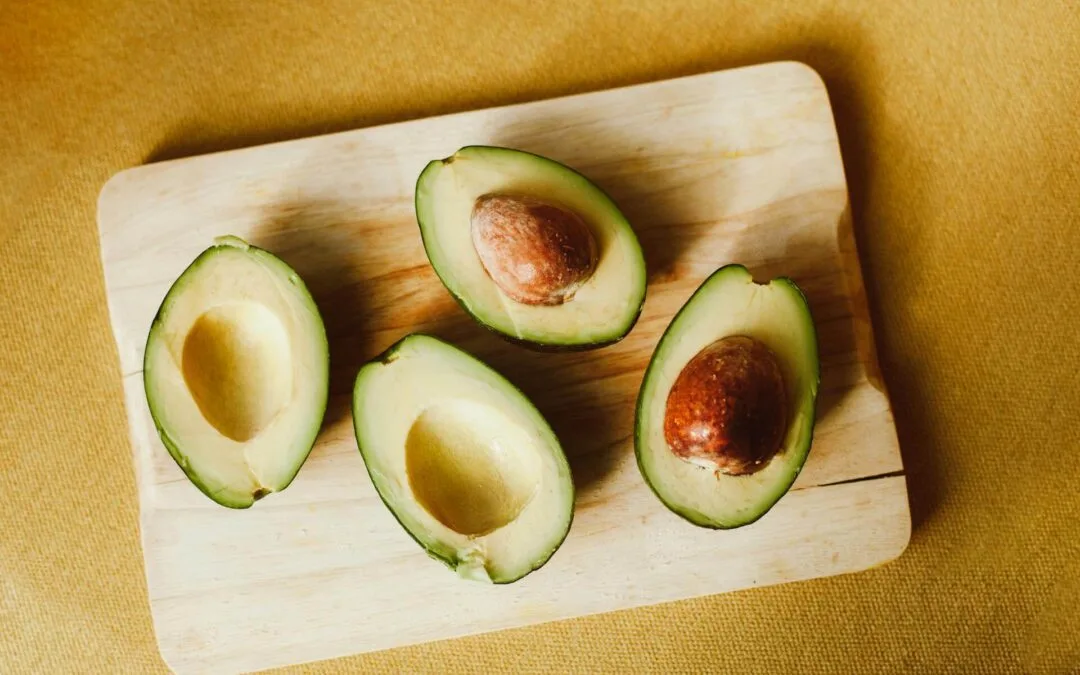

0 Comments