
If you have ever stared into the fridge at 7 a.m. and thought, “What can I eat that is fast, filling, and still fits a low carb breakfast plan?”, you are in the right place. The good news is that a great morning meal does not need a pile of ingredients, a long prep time, or a complicated grocery list. Recent recipe results and breakfast collections lean hard toward quick egg dishes, one-pan skillets, yogurt bowls, smoothies, muffins, and make-ahead options, which makes perfect sense for busy mornings.
USDA MyPlate and Harvard’s Healthy Eating Plate also point toward the same big idea: build meals around quality protein, vegetables, and healthy fats instead of relying on sugary or refined-carb foods. Let’s make your mornings lighter, faster, and a lot more delicious.
Why low carb breakfasts are worth making
A good low carb breakfast can change the whole feel of your morning. Instead of the quick spike and crash pattern that sometimes comes with toast, pastries, cereal, or sweet coffee drinks, a breakfast built around protein and fiber tends to feel steadier and more satisfying. Harvard’s Healthy Eating Plate highlights protein, healthy oils, and vegetables as everyday building blocks, while the Mayo Clinic’s low carb guidance and breakfast examples show how breakfast can still be simple, familiar, and satisfying without leaning on bread-heavy meals. (1, 2, 3, 4)
This guide is for anyone who wants a low carb breakfast that feels realistic on a weekday morning. Maybe you are trying to cut back on sugar, maybe you want more protein, or maybe you simply want breakfast ideas that keep you full longer. Either way, the recipes below are meant to be practical, flexible, and easy to repeat without getting bored. The best part is that many of these ideas can be made in under 10 to 15 minutes, and several can be prepped ahead, so breakfast becomes more of a grab-and-go routine than a daily decision. (5, 6, 7)
What counts as a low carb breakfast?
A low carb breakfast is not about chasing a perfect number that works for everyone. It is about choosing a morning meal that keeps carbs lower than the usual bread, pastry, cereal, or juice-heavy breakfast. For most people, that means building a plate around protein, healthy fat, and fiber, then letting carbs play a smaller supporting role. The result is usually a breakfast that feels steadier, more filling, and easier to fit into a busy routine. (8)
The nice part is that a low carb breakfast can look different depending on your goals. For one person, it may mean skipping toast and having eggs with avocado. For another, it may mean yogurt with nuts and berries or a smoothie packed with greens and protein. The point is not to be overly strict. The point is to make breakfast work better for your body, your energy, and your schedule.
The practical carb range most readers can aim for
There is no universal carb limit that defines every low carb breakfast, but many people find it helpful to think in ranges rather than absolutes. A lower-carb breakfast often lands somewhere around 5 to 20 grams of net carbs, depending on the ingredients and the portion size. That range gives enough room for vegetables, berries, dairy, or nut-based ingredients without turning the meal into a carb-heavy start to the day.
For you who are just getting started, it helps to think in simple terms: if breakfast is built mostly from eggs, yogurt, cottage cheese, chia seeds, avocado, salmon, tofu, or vegetables, it is probably in low carb breakfast territory. If the meal is centered on pancakes, muffins, bagels, cereal, granola, or sweet coffee drinks, the carb count usually climbs quickly. You do not need to count every gram to make better choices. You just need a rough sense of what keeps the meal balanced.
Why protein, fat, and fiber matter more than just cutting carbs
A low carb breakfast works best when it does more than simply remove bread or sugar. Protein helps keep you full, fat adds satisfaction, and fiber helps slow digestion and support a more even feeling in the morning. When those three pieces show up together, breakfast feels much more complete. That is why a plate of eggs and vegetables usually feels more satisfying than a plain piece of toast, even if both take about the same amount of time to eat.
Protein is especially important because it gives breakfast staying power. Fat makes the meal taste better and can help it feel richer without needing extra carbs. Fiber, which comes from vegetables, seeds, berries, and some dairy or plant foods, adds volume and structure. Together, these elements turn a low carb breakfast into something that feels like a real meal instead of a quick snack.
This is also why some breakfasts fail even when they are technically low in carbs. A tiny bowl of yogurt with no toppings, for example, may look light and healthy, but it may not keep you satisfied for long. A better low carb breakfast would include protein plus a few smart add-ons, like nuts, seeds, cinnamon, or berries. That small shift can make a big difference in how the meal feels later in the morning.
Breakfast foods that usually push carbs too high
Some breakfast foods sneak up on you because they seem harmless at first glance. A pastry with coffee might feel like a small breakfast, but it can add a lot of refined carbs and sugar very quickly. The same thing happens with flavored yogurt, sweet granola, juice, waffles, pancakes, bagels, and cereal. These foods are common, convenient, and tasty, but they usually work against a low carb breakfast goal if you are eating them regularly or in large portions.
A few foods deserve extra attention because they are often marketed as healthy even when they are not especially low in carbs. Granola is a big one, since it can be dense in oats, sweeteners, and dried fruit. Smoothies can also become carb-heavy if they include too much fruit juice, banana, sweetened yogurt, or honey. Even a “healthy” muffin can act more like a dessert than breakfast when the flour and sugar content are high.
That does not mean these foods are off-limits forever. It just means they are usually not the best foundation for a low carb breakfast. If you really want a breakfast pastry or a slice of bread, the smarter move is to pair it with protein and keep the portion modest. That way, the meal feels more balanced and less likely to leave you hungry again too soon.
A few realistic portion examples
The easiest way to understand a low carb breakfast is to look at real-life portions instead of trying to build some perfect food theory. A breakfast can be low carb and still feel generous if the ingredients are chosen well. The examples below show how that might look in a normal kitchen, on a normal morning.
- 2 eggs scrambled with spinach and feta, plus half an avocado
- Plain Greek yogurt topped with chia seeds, chopped almonds, and a small handful of berries
- Cottage cheese with cucumber, cherry tomatoes, and everything seasoning
- A smoothie made with unsweetened almond milk, spinach, protein powder, and a few berries
- Smoked salmon with cucumber slices, cream cheese, and dill
- Egg muffins with mushrooms, peppers, and shredded cheese
These kinds of meals usually feel satisfying because they keep the focus on protein and smart fats while still adding texture and flavor. A low carb breakfast does not have to be fancy to be effective. In many cases, the best one is the one you can make quickly, eat happily, and repeat without getting bored.
One helpful rule of thumb is to build breakfast around a visible protein source first. After that, add a vegetable, fruit, or seed for texture and fiber, then finish with a fat source like avocado, cheese, nut butter, or olive oil. That simple structure makes it much easier to keep breakfast lower in carbs without overthinking every bite.
The best ingredients for fast low carb breakfasts
The secret to a really good low carb breakfast is not some complicated recipe trick. It is having the right ingredients ready before hunger hits. When your fridge and pantry are stocked with smart basics, breakfast stops being a daily puzzle and starts becoming a quick, repeatable habit.
That is the real win: less stress, less guesswork, and more mornings that feel calm instead of chaotic.
A fast low carb breakfast usually works best when it includes a strong protein source, a low carb vegetable or fruit, a little healthy fat, and a few pantry staples that help everything come together. That combination gives you flexibility. You can make a scramble one day, a yogurt bowl the next, and a quick wrap or bowl the next day. The ingredients stay simple, but the results still feel varied and satisfying.
Protein anchors: eggs, Greek yogurt, cottage cheese, sausage, salmon, tofu
Protein is the foundation of almost every great low carb breakfast. It helps the meal feel more complete and gives you the staying power to keep you from grazing an hour later. Eggs are the most obvious option because they are fast, versatile, and easy to season. You can scramble them, fry them, bake them into muffins, or turn them into a quick omelet with whatever vegetables you have on hand.
Greek yogurt is another excellent choice, especially when you want something cold, creamy, and fast. Plain Greek yogurt pairs well with nuts, seeds, cinnamon, and a few berries, which makes it a very practical low carb breakfast base. Cottage cheese works in a similar way, but it has a slightly different texture that many people love. You can keep it sweet with berries and vanilla or go savory with cucumber, herbs, pepper, and avocado.
Sausage and salmon are both helpful when you want more savory flavor and a little extra richness. Cooked sausage can turn a plain breakfast skillet into something hearty and filling, while smoked salmon gives you a more elegant, no-cook option that still fits a low carb breakfast plan. Tofu is worth mentioning too, especially if you want a plant-based option. A tofu scramble can be seasoned like eggs and paired with vegetables for a breakfast that feels warm and satisfying without relying on meat.
Low carb vegetables that work in breakfast recipes
Vegetables might not be the first thing people think of at breakfast, but they should be. They add color, texture, flavor, and volume without loading your plate with extra carbs. A low carb breakfast feels much more balanced when vegetables are part of the mix. They also make your meal look more interesting, which matters more than people realize when you are trying to stick with a new routine.
Spinach is one of the easiest vegetables to keep around because it wilts quickly and blends into eggs, omelets, muffins, and casseroles. Mushrooms are another great option because they add a savory, almost meaty flavor that works well in a skillet breakfast. Bell peppers, onions, zucchini, and tomatoes can all brighten up a low carb breakfast without requiring much effort. If you want something heartier, cauliflower rice or chopped cauliflower can be used as a base for hash-style dishes.
The best part is that these vegetables do not need much prep to be useful. A quick chop is often enough. You can cook a big batch at the start of the week or keep a few frozen bags ready for busy mornings. That way, building a low carb breakfast becomes as simple as tossing a handful of vegetables into a pan and letting them do their job.
Smart fats that add flavor and fullness
Healthy fats make a low carb breakfast taste better and feel more satisfying. They also help keep meals from feeling too dry or too plain. Without some kind of fat, breakfast can end up tasting thin or unfinished, even if the protein is strong. A small amount of the right fat can turn a basic meal into something you actually look forward to eating.
Avocado is one of the easiest and most popular choices because it pairs well with eggs, salmon, cottage cheese, and veggie bowls. Cheese is another simple option, whether you are using feta, cheddar, mozzarella, or cream cheese. Nuts and seeds bring crunch as well as richness, and they work beautifully in yogurt bowls, chia puddings, and smoothie toppings. Olive oil or butter can also help round out a warm skillet breakfast and make the flavors feel fuller.
The goal is not to make every meal heavy. It is to make a low carb breakfast balanced enough that it feels complete. A slice of avocado here, a sprinkle of nuts there, or a bit of cheese over vegetables can be enough. Those little additions often make the difference between “that was fine” and “that actually kept me full.”
Pantry staples for quick low carb cooking
A well-stocked pantry makes a low carb breakfast much easier to pull together on short notice. The best pantry staples are the ones that help you make breakfast without thinking too hard. Almond flour, chia seeds, flaxseed meal, nut butter, unsweetened coconut flakes, and sugar-free sweeteners are all useful because they can support both sweet and savory recipes. Canned fish, such as salmon or tuna, can also be helpful when you need a no-cook protein option.
Spices matter more than people sometimes expect. Cinnamon, garlic powder, onion powder, paprika, pepper, dried herbs, and chili flakes can completely change the flavor of a low carb breakfast without adding much effort. Vanilla extract is useful for yogurt bowls, chia pudding, and almond flour pancakes. If you like a little heat, hot sauce, salsa, or everything seasoning can make eggs, bowls, and avocado dishes feel much more interesting.
The smartest pantry is the one that saves you from defaulting to high-carb convenience food. When you already have the right basics on hand, making a low carb breakfast takes less time than driving to pick something up.
Easy swaps for bread, oats, flour, and tortillas
One of the biggest challenges with a low carb breakfast is not flavor. It is a habit. Many people are used to breakfast meaning toast, oats, muffins, wraps, or pancakes. The good news is that you do not need to give up the comfort of those foods entirely. You just need better swaps that still feel familiar.
Instead of regular bread, try chaffles, mug bread, or avocado slices as the base for eggs and toppings. Instead of oats, a chia pudding or a yogurt bowl can give you a similar “breakfast bowl” feeling without the same carb load. Instead of wheat flour, almond flour or coconut flour can help you make pancakes, muffins, or quick breads that fit a low carb breakfast plan much better. And instead of a tortilla, lettuce wraps, egg wraps, or a breakfast bowl can give you the same handheld or layered experience.
These swaps work because they respect the way people actually eat. They do not force you to abandon comforting breakfast foods. They just give you a smarter way to enjoy them. Once you get used to a few of these replacements, building a low carb breakfast starts to feel natural instead of restrictive.
A good rule of thumb is to keep your swaps simple and repeatable. If a replacement tastes good, is easy to make, and fits your routine, it belongs in your kitchen. That is how a low carb breakfast becomes a habit instead of a project.
Recipe roadmap: how the 15 recipes are grouped
This low carb breakfast roundup is organized to make your mornings easier, not more overwhelming. Instead of dumping every recipe into one long list, the ideas are grouped by the way most people actually think about breakfast: eggs, no-egg options, and those slightly sweeter breakfast-style recipes that still keep carbs in check. That structure makes it much faster to scan, compare, and choose the kind of breakfast that fits your mood, your schedule, and your pantry.
The goal here is simple. A good low carb breakfast should feel easy to navigate, easy to make, and easy to repeat. Some mornings call for something warm and savory. Other mornings call for something cold, quick, and portable. And sometimes you want a breakfast that feels a little more like a treat without turning into a sugar bomb. These recipe groups help you move straight to the type of breakfast you actually need.
Another benefit of this setup is variety. A lot of people fall off track with a low carb breakfast plan because they get stuck in the same routine over and over again. When breakfast starts to feel repetitive, the easiest option often becomes toast, cereal, or a pastry. Grouping the recipes this way gives you more flexibility, which makes it much easier to stay consistent without getting bored. That matters more than people think, because consistency is what turns a good idea into a real habit.
Egg based recipes
Egg based recipes are the backbone of many low carb breakfast routines for a reason. Eggs are fast, budget-friendly, versatile, and easy to pair with almost anything in the fridge. You can scramble them, bake them, poach them, fry them, or turn them into muffins and casseroles. They are one of the most reliable ingredients for anyone who wants breakfast to come together quickly without a lot of planning.
This group is especially helpful if you like a breakfast that feels warm and filling. Egg based low carb breakfast recipes usually work well when you want more structure on the plate, like a scramble with vegetables, a skillet with sausage, or a baked egg cup you can eat on the go. These recipes also tend to hold up well for meal prep, which makes them ideal for busy weeks. You can make a batch ahead of time, store it in the fridge, and reheat portions as needed.
Another reason egg recipes are so useful is that they act like a blank canvas. You can keep them very simple with salt, pepper, and cheese, or build them out with spinach, mushrooms, peppers, onions, bacon, sausage, herbs, or avocado. That flexibility makes egg based meals one of the easiest ways to keep a low carb breakfast interesting without adding extra complexity. If you are just starting, this section is the most dependable place to begin.
No-egg recipes
Not everyone wants eggs every morning, and that is exactly why the no-egg section matters. A low carb breakfast does not have to revolve around omelets and scrambles to work well. You can still build a satisfying breakfast using Greek yogurt, cottage cheese, chia seeds, smoked salmon, smoothies, or even a tofu-based option. These recipes are especially useful for people who want more variety or just need a break from eggs.
No-egg breakfasts are also great when you want something faster or lighter. A yogurt bowl can take less than two minutes to assemble. A chia pudding can be made the night before and pulled from the fridge in the morning. A smoothie can go straight into a blender and out the door with you. That makes this section especially useful for any low carb breakfast routine that needs to work during rushed weekdays, school drop-offs, early meetings, or commute-heavy mornings.
What makes these recipes especially appealing is their flexibility. You can keep them savory or sweet, cold or room temperature, simple or dressed up. Cottage cheese can be topped with cucumber and herbs or with berries and cinnamon. Greek yogurt can be paired with seeds and nuts for crunch. Smoked salmon can turn a few sliced cucumbers into a quick breakfast plate. In other words, this section proves that a low carb breakfast can still feel varied and satisfying even without eggs at the center.
Bread swaps and sweet style breakfasts
This section is for the days when you still want something that feels a little more like classic breakfast comfort. Maybe you are craving pancakes, waffles, toast, or a soft bread-like base. That does not mean you need to abandon your low carb breakfast goals. It just means you need smarter versions of those familiar foods, so you can enjoy the same breakfast vibe without relying on the usual carb-heavy ingredients.
Bread swaps are especially useful because texture matters. A lot of people do not actually miss bread itself as much as they miss the way bread makes breakfast feel. Something warm, soft, and handheld can be deeply satisfying in the morning. That is where chaffles, mug bread, almond flour pancakes, and similar recipes come in. They give you the comfort of a traditional breakfast format while still keeping the meal aligned with a low carb breakfast approach.
The sweet style recipes in this section are also important because they help prevent boredom. If every low carb breakfast you make is savory, you may eventually start craving pastries, muffins, or syrupy breakfast foods again. A smart sweet-style recipe gives you an outlet for that craving in a more balanced way. A few berries, some cinnamon, a sugar-free topping, or a lightly sweet almond flour base can go a long way toward making breakfast feel fun again without pushing you into a high-carb routine.
This group is a reminder that low carb does not have to mean bland or repetitive. It can still feel cozy, familiar, and even a little indulgent. The trick is simply choosing ingredients that support your goals while still giving you the kind of breakfast you actually look forward to eating.
Egg based breakfasts: 5 quick recipes
Eggs are the backbone of a dependable low carb breakfast routine because they are fast, affordable, and easy to customize. When you need breakfast to be filling without being fussy, egg recipes almost always deliver. They work for rushed weekdays, relaxed weekends, and meal prep days when you want several breakfasts ready at once. Best of all, egg based meals pair well with vegetables, cheese, herbs, sausage, bacon, and avocado, so you can keep breakfast interesting without making it complicated.
A strong low carb breakfast should do more than just cut out toast or cereal. It should feel satisfying enough to keep you going, simple enough to repeat, and flexible enough to fit what you already have in the kitchen. That is exactly why this section focuses on five quick egg recipes that are easy to learn and easy to reuse. Each one can be made with basic ingredients, but each one still feels distinct, so breakfast never gets boring.
Recipe 1 — Spinach, feta, and herb scramble
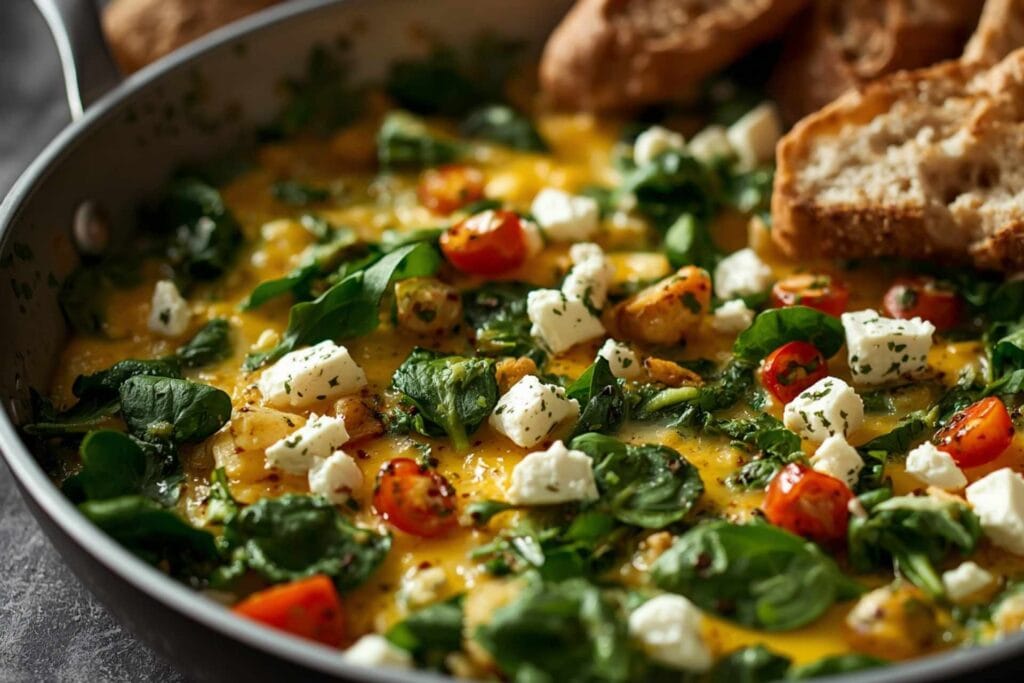
This is the kind of low carb breakfast that feels fresh, light, and comforting all at once. The spinach adds color and volume, the feta brings a salty, creamy bite, and the herbs make the eggs taste brighter without requiring much effort. It is simple enough for a weekday morning, but the flavor is good enough that it never feels like a backup plan.
Ingredients
- 2 to 3 eggs
- 1 handful fresh spinach
- 1 to 2 tablespoons feta cheese
- 1 teaspoon butter or olive oil
- Salt and black pepper
- Chopped parsley, chives, dill, or basil
These ingredients are easy to keep on hand, which is one reason this dish works so well as a low carb breakfast. You do not need anything fancy. You just need a few fresh basics and a skillet.
10-minute method
Warm the butter or oil in a pan over medium heat. Add the spinach and cook just until it wilts. Whisk the eggs with salt and pepper, then pour them into the skillet. Stir gently so the eggs cook softly and evenly. When they are almost done, add the feta and herbs, then remove the pan from the heat right away.
The key here is not to rush the eggs. A great low carb breakfast should feel tender, not dry. Gentle heat gives you better texture and better flavor, which makes a simple scramble feel a lot more satisfying.
Flavor variations
This scramble is easy to adjust based on what you like. Add mushrooms for a deeper savory taste, or use goat cheese instead of feta for a creamier finish. If you want more richness, stir in a spoonful of cream cheese near the end. You can also add cherry tomatoes, chopped onion, or a pinch of red pepper flakes to change the flavor without changing the whole recipe.
That flexibility is what makes this such a strong low carb breakfast option. It works as a base, but it never gets dull.
Make-ahead note
This scramble is best fresh, but you can still make morning prep easier by washing the spinach, crumbling the cheese, and chopping the herbs ahead of time. If you want to reheat leftovers, warm them gently over low heat or in short bursts in the microwave. The texture will be softer the next day, but the flavor still holds up well. For anyone who wants a quick, low carb breakfast without a lot of morning decision-making, that little bit of prep goes a long way.
Recipe 2 — Bacon and egg cups

Bacon and egg cups are one of the most practical low carb breakfast ideas because they are portable, satisfying, and easy to batch cook. They look a little special, but they are actually very simple to make. If you like breakfasts that can be eaten on the go, this is a strong recipe to keep in rotation.
Ingredients
- Bacon strips
- Eggs
- Salt and pepper
- Chopped scallions or herbs
- Optional shredded cheese
You only need a few ingredients, which makes this a very efficient low carb breakfast. The bacon acts like a built-in cup, while the egg bakes into a rich, protein-packed center.
Muffin tin method
Preheat your oven and lightly grease a muffin tin if needed. Press one strip of bacon into each cup so it forms a ring around the sides. Crack an egg into each cup, then season lightly with salt and pepper. Bake until the eggs are set to your liking. If you want a softer yolk, watch them closely near the end of baking. If you prefer a firmer texture, let them go a little longer.
This recipe works well because the muffin tin does most of the shaping for you. It is a smart low carb breakfast for mornings when you want structure without standing at the stove.
Storage and reheating
Let the egg cups cool before storing them in an airtight container in the fridge. They usually keep well for a few days, which makes them ideal for meal prep. To reheat, warm them gently in the microwave or in a low oven until heated through. They are best when they are not overheated, since that can make the egg rubbery.
If you want a low carb breakfast you can grab fast during the week, these are a great fit. Make a batch, store them, and you have breakfast ready when you need it.
Add-in ideas
You can make these more interesting by adding a little cheese, diced peppers, sautéed onion, spinach, or chopped mushrooms before baking. If you want more spice, add jalapeño or a pinch of chili flakes. You can also swap bacon for turkey bacon or sausage crumbles, depending on your taste.
That ability to adapt makes these cups especially useful for a low carb breakfast routine that needs variety. The base stays the same, but the flavor can change every time.
Recipe 3 — Veggie frittata muffins

Veggie frittata muffins are one of the easiest ways to create a colorful, balanced low carb breakfast that also works for meal prep. They are portable, freezer-friendly, and easy to build with whatever vegetables you already have. They also feel a little more substantial than a plain scramble, which makes them a great option for people who want breakfast to carry them through the morning.
Ingredients
- Eggs
- Diced bell pepper
- Onion
- Spinach
- Cheese
- Salt and pepper
Method
- Whisk the eggs with the seasoning.
- Stir in vegetables and cheese.
- Pour into a greased muffin tin.
- Bake until puffed and firm.
These are great for school mornings, office mornings, and any day when you want a low carb breakfast you can heat in seconds. They also freeze nicely.
Best vegetables to use
The best vegetables for this recipe are the ones that cook quickly and do not release too much water. Good choices include spinach, bell peppers, onions, mushrooms, zucchini, and chopped broccoli florets. You can also use leftover roasted vegetables if you have them. The key is to avoid ingredients that make the egg muffins soggy.
That matters because a good low carb breakfast should be easy to store and easy to reheat. Vegetables are great, but they need to be chosen carefully so the texture stays pleasant.
Batch cooking tips
To get the best results, pre-cook any watery vegetables like mushrooms, onions, or zucchini before mixing them into the egg batter. Grease your muffin tin well, then fill each cup evenly so the muffins bake at the same pace. You can also make a large batch and store it in the fridge for several days, which is one reason they are so useful for busy mornings.
If you like planning, this is one of the smartest low carb breakfast recipes to make on Sunday. It gives you breakfast options for several days with almost no extra effort during the week.
Freezer instructions
These muffins freeze beautifully. Let them cool completely first, then place them in a freezer-safe container or bag. When you want to eat them, thaw overnight in the fridge or reheat directly from frozen in the microwave or oven. They hold their shape well, which makes them especially convenient.
A freezer-friendly low carb breakfast is a lifesaver when mornings get crowded. These muffins help you stay on track without needing to cook every single day.
Serving suggestions
Serve the muffins with avocado slices, salsa, or a few cherry tomatoes for a complete breakfast plate. You can also pair them with a small yogurt bowl or a few slices of smoked salmon if you want more protein. They are flexible enough to work as a quick breakfast, a snack, or even a light lunch.
That versatility is what makes this low carb breakfast recipe so useful. It fits into more than one part of the day, which gives it a lot of staying power in your routine.
Recipe 4 — Sheet-pan omelet slices

Sheet-pan omelet slices are a smart low carb breakfast for families, meal prep lovers, and anyone who wants fewer dishes. Instead of making individual omelets one at a time, you bake the whole mixture at once and cut it into squares. It is efficient, tidy, and easy to scale up.
Ingredients
- Eggs
- Chopped vegetables
- Cheese
- Cooked sausage or ham, if desired
- Seasonings
Method
- Whisk eggs in a bowl.
- Add fillings.
- Pour into a lined sheet pan.
- Bake, cool slightly, and cut into squares.
This recipe is especially handy when you want a breakfast that feels homemade but still stays low effort. It is also easy to pair with avocado or salsa for extra flavor.
Why this is ideal for families
This recipe works especially well when different people want breakfast at the same time. One person may want a bigger slice, another may want a lighter one, and kids can eat smaller portions without extra effort. It is a practical low carb breakfast because it reduces the pressure to cook each serving separately.
It also helps on mornings when time is short. One pan means less cleanup, and less cleanup often means you are more likely to keep making breakfast at home instead of skipping it.
Simple prep and bake steps
Whisk a large batch of eggs in a bowl, then mix in chopped vegetables, cheese, seasoning, and any cooked meat you like. Pour the mixture into a lined or greased sheet pan and spread it evenly. Bake until the center is set, and the top looks lightly golden. Let it cool slightly before slicing into squares.
That is the kind of simple process that makes a low carb breakfast actually realistic. The recipe looks easy because it is easy.
Cutting and storing portions
Once the omelet is cool enough to handle, cut it into even squares or rectangles. Store the portions in an airtight container in the fridge for a few days. You can reheat them in the microwave or eat them cold if that works better for you. The slices hold together nicely, which makes them perfect for lunchboxes or grab-and-go mornings.
A batch-cooked low carb breakfast like this is valuable because it saves time without sacrificing quality. You cook once, then eat well for days.
Easy topping ideas
You can keep the slices simple, or finish them with toppings like avocado, salsa, sour cream, chopped herbs, or hot sauce. A little topping can make the breakfast feel brand new, even when the base recipe stays the same. That is helpful if you want variety without cooking different meals every time.
This also makes the recipe easier to customize for the whole family. One low carb breakfast can turn into several different flavor combinations with just a few toppings.
Recipe 5 — Sausage, mushroom, and pepper breakfast skillet

This breakfast skillet is hearty, savory, and exactly the kind of low carb breakfast that feels satisfying on a cold morning or a long day. It has protein, vegetables, and a rich one-pan flavor that makes it feel more like a real meal than a quick bite. It is also one of the easiest recipes to adapt based on what you already have in the fridge.
Ingredient list
- Cooked sausage
- Mushrooms
- Bell peppers
- Onion
- Eggs
- Butter or olive oil
- Salt, pepper, and optional herbs
The ingredient list is simple, but the result tastes layered and filling. That is the beauty of a good low carb breakfast: basic ingredients can still create something that feels complete.
One-pan method
Start by cooking the sausage in a skillet until browned. Add the mushrooms, peppers, and onion, and sauté until the vegetables soften. Once everything is hot and lightly caramelized, make small wells in the mixture and crack the eggs into the pan. Cover the skillet and cook until the eggs are done to your liking.
This method is fast, flexible, and ideal for people who like a warm, low carb breakfast without dealing with multiple pans. Everything cooks together, which saves time and keeps the flavors blended.
How to keep it from getting soggy
The main trick is to cook off any excess moisture before adding the eggs. Mushrooms and peppers can release water, so let them cook long enough to soften and brown a bit. If the pan looks watery, keep cooking until the liquid evaporates. That small step makes a big difference in the texture of the final dish.
A great low carb breakfast should be hearty, not wet. Texture matters just as much as taste, especially in skillet meals.
Optional spice upgrades
If you like a little heat, add red pepper flakes, smoked paprika, chili powder, or hot sauce. For a more savory flavor, try garlic powder, onion powder, or dried thyme. You can also top the finished skillet with shredded cheese, fresh parsley, or a spoonful of salsa.
These little upgrades help keep your low carb breakfast from feeling repetitive. The base recipe stays familiar, but the flavor can change depending on your mood.
No-egg low carb breakfasts: 4 quick recipes
Eggs may be the classic choice, but they are definitely not the only way to build a satisfying low carb breakfast. In fact, some of the easiest morning meals are the ones that do not need a skillet at all. That is what makes this section so useful: it gives you fast, flexible ideas that still feel fulfilling, balanced, and easy to repeat. If you ever get tired of eggs, these recipes keep your breakfast routine from feeling too narrow or repetitive.
A good low carb breakfast should fit your real schedule, not just your ideal one. Some mornings call for a bowl you can eat with a spoon. Other mornings call for something you can blend, chill, or assemble in under five minutes. The recipes below are built for exactly that kind of morning. They are simple, practical, and easy to customize, which makes them perfect for busy weekdays, meal prep, or those times when you just want breakfast to happen without much thought.
Recipe 6 — Greek yogurt bowl with nuts, seeds, and berries
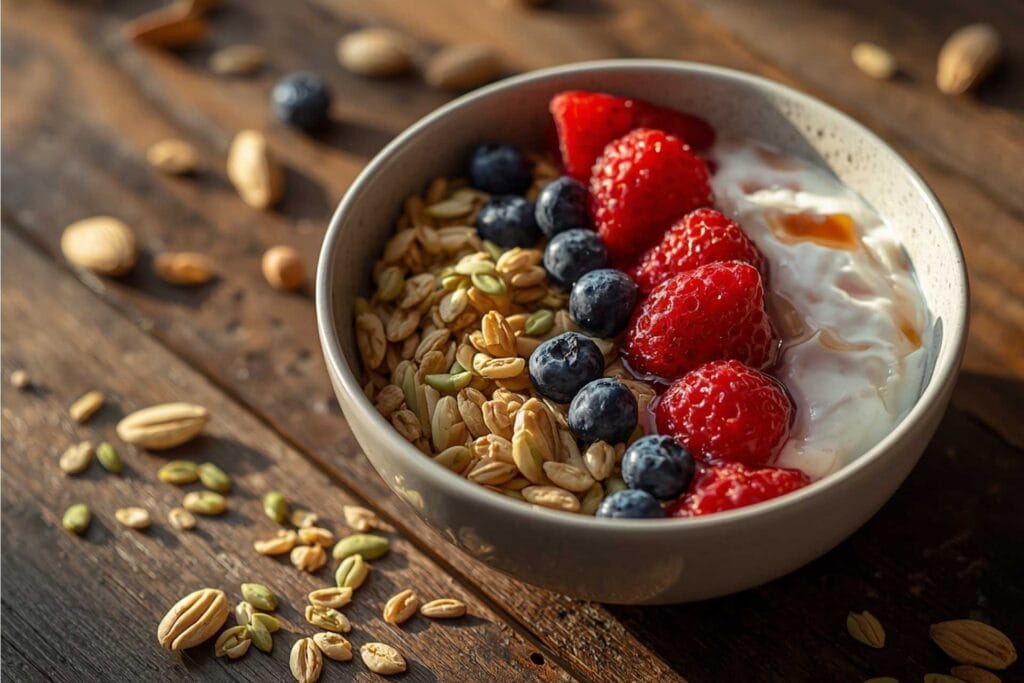
This is one of the simplest low carb breakfast options you can make, but that does not make it boring. When you choose the right yogurt and balance it with crunchy toppings, it becomes a breakfast that feels creamy, fresh, and satisfying. The texture contrast matters here. Soft yogurt, crisp nuts, and juicy berries all work together to make the bowl feel more complete.
Ingredients
- Plain Greek yogurt
- Walnuts or almonds
- Chia or flaxseed
- A small handful of berries
- Cinnamon or vanilla
Method
- Spoon yogurt into a bowl.
- Add nuts, seeds, and berries.
- Finish with cinnamon or vanilla.
The trick is to keep the toppings smart. A low carb breakfast bowl should feel abundant, but not overloaded with sugary add-ins. A little fruit goes a long way when the rest of the bowl is protein-forward.
Best yogurt choice
The best choice for this low carb breakfast is plain Greek yogurt. It is thicker than regular yogurt, and it usually has more protein, which helps the breakfast feel more filling. Plain is important because flavored yogurts often contain added sugar, which can push the carb count higher than you want. If you prefer a dairy-free version, unsweetened coconut yogurt or almond-based yogurt can work too, as long as you check the label and choose one without a lot of added sugar.
Greek yogurt is such a strong base because it is neutral enough to work with both sweet and savory toppings. That makes it one of the most versatile ingredients in a low carb breakfast routine.
Toppings that stay low carb
The best toppings for this bowl are the ones that add crunch, flavor, and texture without turning the meal into a sugar-heavy parfait. Good choices include chopped almonds, walnuts, pecans, chia seeds, flaxseed, sunflower seeds, pumpkin seeds, and a small handful of berries. Cinnamon, vanilla extract, and a tiny drizzle of sugar-free syrup can also add flavor without much extra carb load.
A few berries go a long way. That is the key. You do not need a big pile of fruit to make this low carb breakfast feel fresh. A small portion is usually enough to brighten the bowl and add color.
Make it more filling
If you want this breakfast to keep you full longer, add more protein or fat. A spoonful of nut butter, extra chia seeds, or a higher-protein yogurt can make a noticeable difference. You can also add hemp hearts or a scoop of protein powder if you want a more substantial bowl. The goal is to make the meal feel complete, not just light and pretty.
That is one of the best parts of a low carb breakfast like this. It can stay simple, or it can become a more robust meal depending on what your morning needs.
Sweetness without sugar overload
A lot of people like breakfast to feel a little sweet, especially if they are used to cereal, pastries, or flavored oatmeal. This bowl gives you that comfort without pushing the sugar too high. Cinnamon adds warmth, vanilla adds depth, and berries add just enough natural sweetness. If you want a little extra sweetness, use a low-sugar or sugar-free sweetener sparingly.
That way, your low carb breakfast still tastes like a treat, but it does not behave like dessert.
Recipe 7 — Cottage cheese breakfast bowl
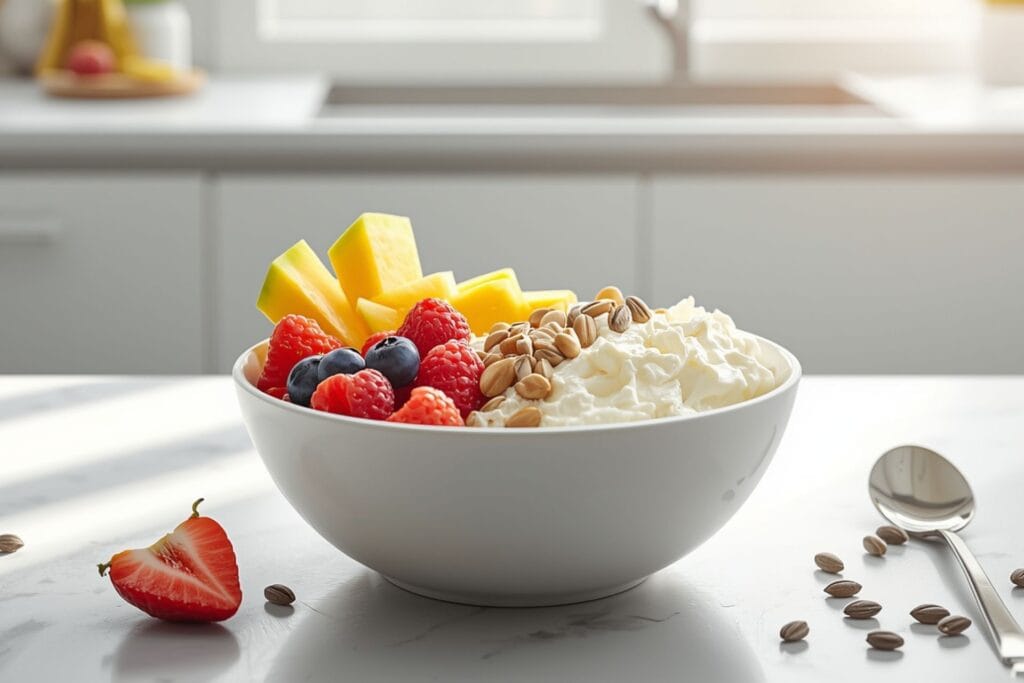
Cottage cheese is one of the most underrated ingredients for a low carb breakfast. It is quick, protein-rich, and flexible enough to go in either a savory or sweet direction. Some people overlook it because it is so simple, but that is exactly why it works. It is the kind of ingredient that saves time without asking for much in return.
Ingredients
- Cottage cheese
- Cucumber or tomatoes for savory
- Cinnamon and berries for sweet
- Pepitas, chia, or chopped nuts
Method
- Scoop cottage cheese into a bowl.
- Add your chosen toppings.
- Sprinkle seasoning or cinnamon.
For a savory version, try avocado, pepper, and herbs. For a sweeter version, use berries and cinnamon. Either way, this low carb breakfast feels quick, fresh, and satisfying.
Savory version
For a savory bowl, start with cottage cheese and top it with cucumber, cherry tomatoes, avocado, pepper, and fresh herbs. You can also add everything seasoning, smoked salmon, or a few olives if you want a stronger flavor. This version feels cool, crisp, and refreshing, which is nice when you do not want a hot breakfast.
A savory low carb breakfast like this is especially useful in warm weather or on mornings when you want something light but still filling. It is also easy to assemble in under five minutes, which makes it perfect for rushed days.
Sweet version
If you prefer something sweeter, top the cottage cheese with berries, cinnamon, chopped nuts, and a tiny splash of vanilla. You can also add chia seeds for extra texture. The bowl ends up tasting creamy and fresh without becoming overly sugary. It is a nice option if you want the feeling of a dessert-like breakfast without losing sight of your low carb breakfast goals.
The sweet version works well for people who like a more traditional breakfast flavor but still want something protein-forward. It is simple, but it does not feel plain.
Texture upgrades
Cottage cheese is already creamy, but you can make it even more interesting with a few texture upgrades. Add chopped nuts for crunch, seeds for bite, or sliced cucumber for freshness. If you want a smoother bowl, stir the cottage cheese first so the texture becomes more uniform. A small drizzle of olive oil and a pinch of salt can also make the savory version taste richer and more polished.
These little details can turn a basic low carb breakfast into something that feels thoughtful and satisfying. Texture matters more than people realize, especially when the ingredient list is short.
Meal prep note
Cottage cheese bowls are best assembled fresh, but you can prep the toppings ahead of time. Wash the berries, chop the vegetables, and portion the nuts or seeds into small containers. Then, when morning comes, you can put the bowl together in seconds. That makes it one of the easiest low carb breakfast options for meal prep without having to cook anything at all.
Recipe 8 — Chia pudding with vanilla and cinnamon

Chia pudding is one of the easiest make-ahead low carb breakfast recipes because the fridge does the work for you. It is simple, creamy, and endlessly adaptable. If you like a breakfast you can prepare the night before and forget about until morning, this one belongs in your routine. It is also one of the best ways to get a breakfast that feels a little special without requiring any cooking.
Ingredients
- Chia seeds
- Unsweetened almond milk or similar
- Vanilla extract
- Cinnamon
- Optional sugar-free sweetener
Method
- Mix everything in a jar.
- Chill overnight.
- Stir and top before serving.
This breakfast works especially well when mornings are chaotic. You make it once, then wake up to a ready-made low carb breakfast with almost no effort.
Base ratio
A reliable starting point is about 3 tablespoons of chia seeds mixed with 1 cup of unsweetened milk. Almond milk works especially well because it keeps the carb count low and the flavor light. Add vanilla extract and cinnamon, then stir well. The mixture needs to be stirred again after a few minutes so the seeds do not clump together. After that, let it chill until it thickens into a pudding-like texture.
This simple ratio is the foundation of a strong low carb breakfast. Once you know it, you can build all kinds of versions from it.
Overnight prep
The best part about chia pudding is that you can make it the night before. Mix the ingredients in a jar or container, seal it, and refrigerate overnight. By morning, it will be ready to eat. You can stir it again before serving if you want a smoother texture. If it seems too thick, add a little more milk; if it seems too thin, let it sit a bit longer.
That kind of flexibility is what makes chia pudding such a dependable low carb breakfast for busy mornings. It reduces your morning workload almost to zero.
Flavor variations
Once you know the base, the flavor options are wide open. Add cocoa powder for a chocolate version, pumpkin spice for a fall-inspired version, or lemon zest for something brighter. You can also mix in a little nut butter for a richer taste. If you want a fruit-forward version, use a small number of berries on top rather than mixing in a lot of fruit.
The key is to keep the flavor interesting without losing the low-carb balance. That is what makes this low carb breakfast feel both practical and enjoyable.
Topping ideas
Top chia pudding with chopped almonds, coconut flakes, pumpkin seeds, a few berries, or a spoonful of unsweetened yogurt. You can also add a pinch of cinnamon on top for extra warmth. The toppings do more than decorate the bowl; they create contrast and make the pudding feel more complete.
With the right toppings, chia pudding becomes much more than a basic breakfast jar. It becomes a low carb breakfast you will actually look forward to eating.
Recipe 9 — Green low carb smoothie
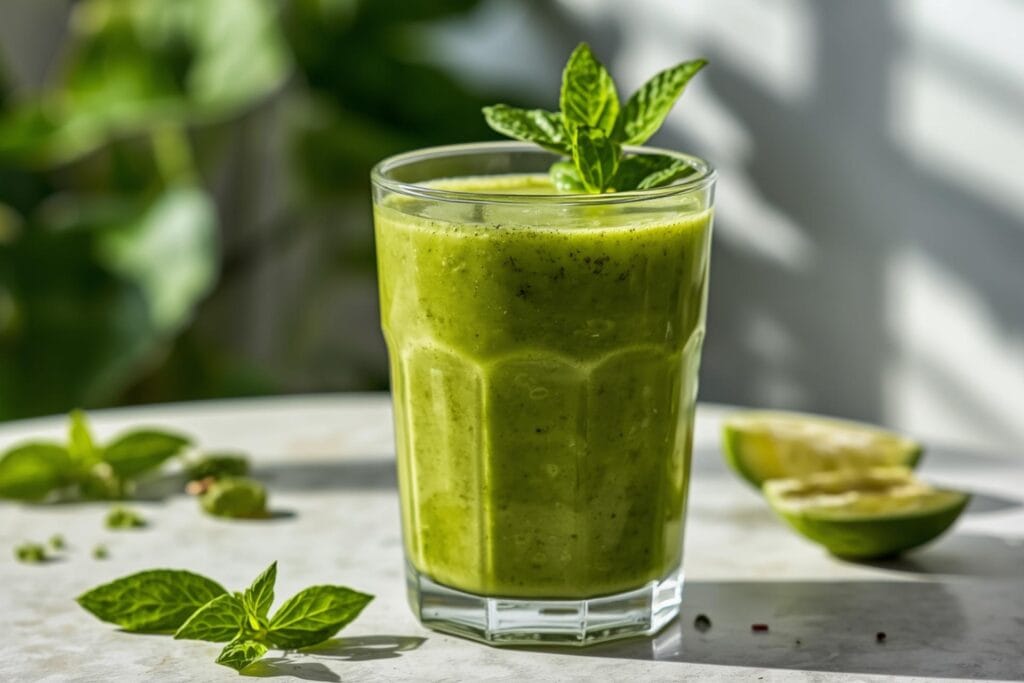
A smoothie can absolutely count as a low carb breakfast if you build it the right way. The trick is to keep it low in sugar and high in satisfaction. That means choosing a good liquid base, adding protein, and using greens or avocado for the body instead of relying on lots of fruit. Done right, it tastes fresh, smooth, and energizing without feeling like a dessert in disguise.
Ingredients
- Unsweetened almond milk
- Spinach
- Ice
- Protein powder or Greek yogurt
- Avocado or nut butter
- A few berries, if desired
Method
- Add all ingredients to a blender.
- Blend until smooth.
- Taste and adjust thickness.
A good smoothie is more like a portable meal than a drink. If you add protein and fiber, your low carb breakfast will feel much more substantial.
Liquid base options
The best liquid bases for this smoothie are unsweetened almond milk, coconut milk, or plain water if you want a lighter texture. You can also use unsweetened cashew milk if that is what you have on hand. The point is to choose a liquid that keeps the low carb breakfast balanced rather than adding extra sugar.
Avoid using fruit juice as the base if you want to keep carbs lower. Juice can make the smoothie taste sweet fast, but it also moves the recipe away from the breakfast style you are trying to build.
Protein boost options
A smoothie needs protein if you want it to function like a real low carb breakfast. Good options include plain Greek yogurt, protein powder, collagen peptides, chia seeds, hemp hearts, or nut butter. If you like a thicker texture, Greek yogurt is especially useful because it makes the smoothie feel more like a meal and less like a drink.
Protein is what turns this from a simple blend into something that can hold you over. Without it, the smoothie may taste good, but not last very long.
How to keep it thick
If you want a thick smoothie, use ice, frozen spinach, frozen zucchini, or avocado instead of loading up on liquid. Frozen cauliflower rice can also blend surprisingly well without adding much flavor. Blend in stages so you do not add too much liquid at once. That way, the final texture stays creamy instead of watery.
Texture matters a lot in a low carb breakfast smoothie because it affects whether the drink feels like a snack or a meal. Thicker usually means more satisfying.
On-the-go packaging tips
If you need breakfast to travel with you, pour the smoothie into a sealed bottle or travel cup right after blending. Keep it cold, and shake it before drinking if it settles a bit. If you are making it ahead, store the ingredients in a freezer bag and blend them in the morning for a fresher taste.
That is the beauty of a smoothie based low carb breakfast: it can be prepared in stages, packed easily, and adjusted to fit your schedule.
Bread swaps and sweet-style low carb breakfasts: 3 quick recipes
This section is for the mornings when you want breakfast to feel a little more familiar. Not every low carb breakfast has to be savory, and not every low carb recipe has to look like a salad with eggs on top. Sometimes you want something warm, soft, slightly sweet, and comforting. That is where bread swaps and sweet-style recipes come in. They let you enjoy the feeling of toast, waffles, pancakes, or mug bread without leaning on the same carb-heavy ingredients that usually come with those foods.
The best part is that these recipes still keep your morning simple. You are not giving up comfort. You are just making smarter choices that fit a low carb breakfast routine. Chaffles, almond flour pancakes, and mug bread all deliver that cozy breakfast feel while still staying practical for busy mornings. They are easy to customize, easy to repeat, and easy to pair with eggs, avocado, butter, or a sugar-free topping. That makes them perfect for anyone who wants breakfast to feel fun without losing the benefits of a lower-carb meal.
Recipe 10 — Chaffles with butter and sugar-free topping

Chaffles are one of the most popular low carb breakfast ideas because they give you the texture and comfort of a waffle without the usual flour-based batter. They are crisp on the outside, soft inside, and incredibly flexible. You can make them sweet or savory, plain or loaded, and they come together fast enough for a weekday morning. If you have a waffle maker, this recipe is one of the easiest ways to bring a little variety into your breakfast routine.
Ingredients
- Eggs
- Shredded cheese
- Optional almond flour
- Butter or sugar-free syrup alternative
Method
- Mix eggs and cheese.
- Cook in a waffle maker.
- Serve warm with butter or toppings.
Chaffles can be sweet or savory, which makes them a very flexible low carb breakfast. They also work well as a base for eggs, cream cheese, or smoked salmon.
What a chaffle is
A chaffle is basically a waffle made from low-carb ingredients, usually eggs and cheese. That simple combo creates a breakfast that feels surprisingly bread-like without needing traditional flour. It is one of those recipes that sounds unusual at first but quickly becomes a favorite because it is so easy and satisfying. A chaffle works especially well as part of a low carb breakfast because it can take the place of toast, waffles, or even a sandwich base.
The texture is what makes it special. It has enough structure to hold toppings, but it still feels light and warm. That balance is exactly why so many people keep chaffles in rotation when they want a breakfast that feels familiar but still fits their goals.
Simple batter formula
A basic chaffle batter is very simple: one or two eggs mixed with shredded cheese. You can use mozzarella for a milder flavor or cheddar for a stronger, more savory taste. Some people like to add a little almond flour, baking powder, or seasoning to improve the texture, but the core recipe works well even without extras. Once the batter is mixed, it goes straight into the waffle maker.
That simplicity is what makes chaffles such a dependable low carb breakfast. You do not need a long list of ingredients or a lot of planning. Just mix, pour, and cook.
Crisping tips
If you want your chaffles to come out crispier, let them cook a little longer than you think they need. The goal is for the outside to brown slightly while the inside stays tender. It also helps to let them rest for a minute or two after cooking, since that allows the texture to firm up. If your waffle maker runs hot, watch carefully so they do not overbrown.
A crisp chaffle feels more like toast or a waffle, which makes it a stronger low carb breakfast replacement. If you want extra crunch, you can toast it briefly after cooking as well.
Sweet or savory variations
One of the best things about chaffles is how easy they are to change. For a sweet version, use a mild cheese and top the chaffle with butter, cinnamon, and a sugar-free syrup alternative. You can also add vanilla extract or a tiny bit of sweetener to the batter. For a savory version, try garlic powder, herbs, or a little shredded cheddar, then top it with avocado or a fried egg.
That flexibility makes chaffles feel much less repetitive than traditional breakfast swaps. A good low carb breakfast should adapt to your cravings, and this recipe does exactly that.
Recipe 11 — Almond flour pancakes
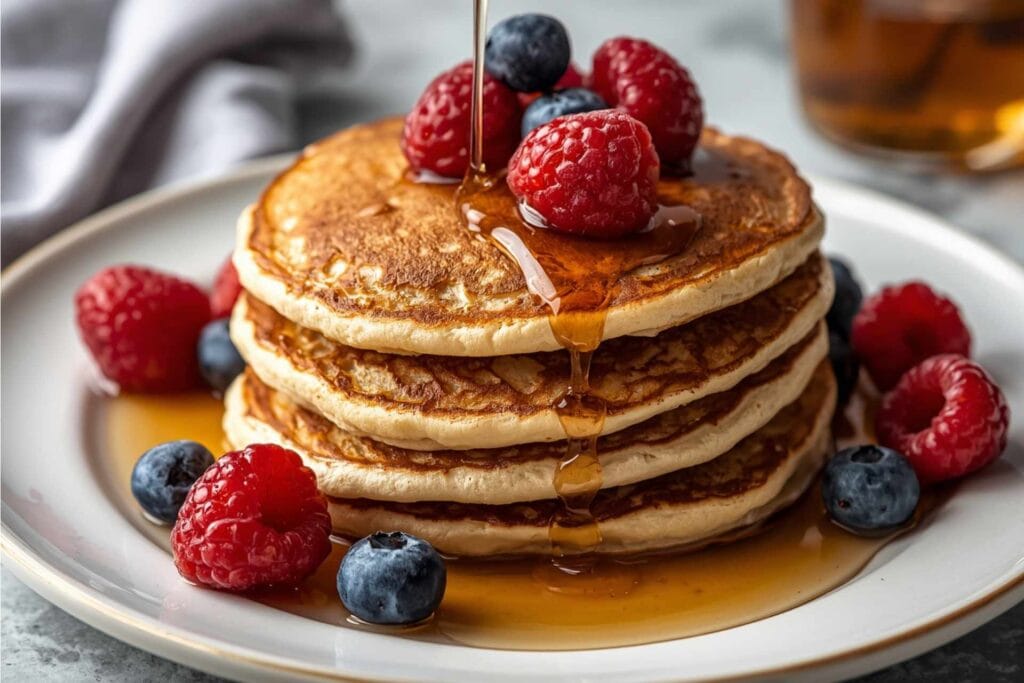
If you miss pancakes, almond flour pancakes are one of the most comforting ways to stay on track with a low carb breakfast. They feel soft, warm, and familiar, which makes them especially helpful on weekends or slower mornings. Even though they taste like a treat, they still fit into a breakfast plan that keeps carbs lower than standard pancakes made with white flour.
Ingredients
- Almond flour
- Eggs
- Baking powder
- Milk of choice
- Vanilla or cinnamon
Method
- Mix the batter until smooth.
- Cook small pancakes in a skillet.
- Flip carefully and serve warm.
A few berries on top can make them feel special without pushing the meal away from the low carb breakfast goal. They also reheat well, which is always a win.
The easiest batter
A simple almond flour pancake batter usually includes almond flour, eggs, milk of choice, baking powder, and a little vanilla or cinnamon. The batter should be smooth but not too thin. Almond flour works well because it gives the pancakes a tender texture and a mild nutty flavor. If you want them sweeter, you can add a small amount of low-carb sweetener, but that is optional.
The beauty of this low carb breakfast is that it gives you the pancake experience without all the usual extra sugar and refined flour. It is familiar comfort food, just in a smarter form.
Pancake-flipping tips
Almond flour pancakes are a little more delicate than regular pancakes, so it helps to cook them on medium or medium-low heat. Let the first side set before trying to flip, and use a thin spatula so you can turn them gently. Small pancakes are usually easier to handle than large ones, especially if you are new to this recipe.
A little patience makes a big difference here. A well-cooked pancake feels soft and satisfying, which is exactly what you want from a low carb breakfast that still feels cozy.
Syrup alternatives
Traditional syrup can add a lot of sugar, so it is better to use lower-carb toppings instead. Sugar-free syrup is one option, but you can also use butter, cinnamon, whipped cream, nut butter, or a few warm berries. If you like a more dessert-like flavor, a spoonful of mascarpone or cream cheese can also work nicely.
The point is not to lose the pancake feeling. It is to keep the low carb breakfast balanced while still making it feel enjoyable. A few smart toppings go a long way.
How to freeze and reheat
These pancakes freeze well, which makes them useful for meal prep. Let them cool fully, then stack them with parchment paper between layers before freezing. When you are ready to eat, reheat them in the toaster oven, skillet, or microwave. They will not be quite as fresh as when they are first made, but they still work very well for a quick, low carb breakfast.
That is one of the biggest advantages of almond flour pancakes. You can cook once and enjoy them again later, which makes busy mornings much easier.
Recipe 12 — Low carb mug bread with avocado and egg
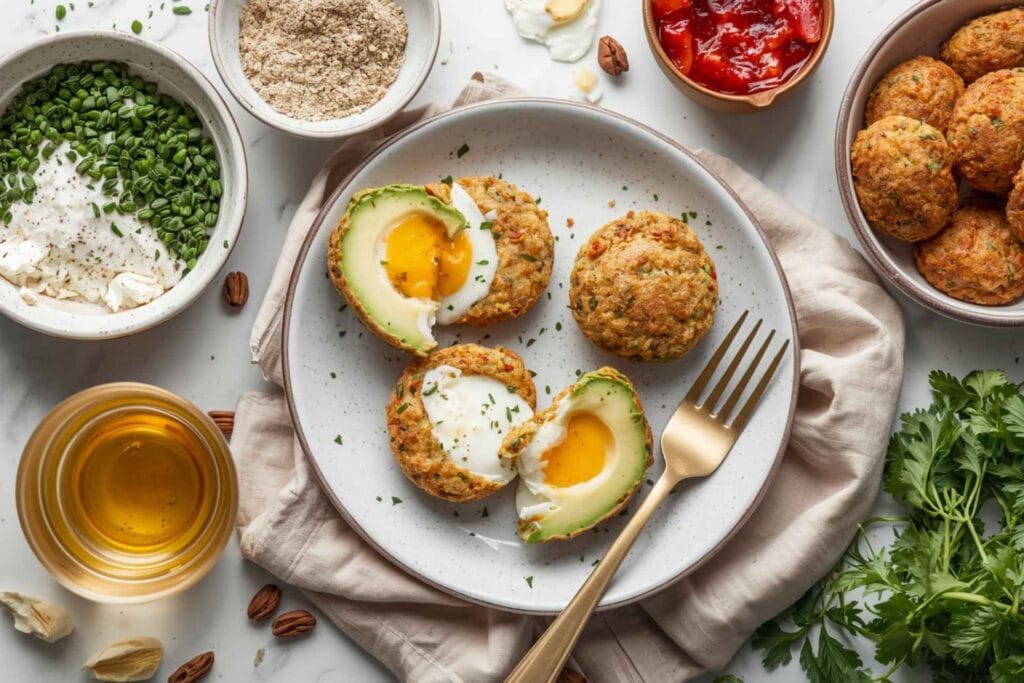
Mug bread is one of the fastest ways to make a bread-like low carb breakfast without pulling out a full mixing bowl or waiting for the dough to rise. It is simple, quick, and surprisingly satisfying when topped with something creamy and savory like avocado and egg. If you want toast energy without actual toast, this recipe is a great fit.
Ingredients
- Almond flour or coconut flour blend
- Egg
- Baking powder
- Avocado
- Fried or scrambled egg
Method
- Mix the batter in a mug.
- Microwave briefly until set.
- Slice or top with avocado and egg.
This is a great option for days when you want a handheld breakfast but do not want the carbs that usually come with toast or bagels. It is simple, fast, and surprisingly satisfying.
Why mug bread works
Mug bread works because it gives you a small, soft, bread-like base in just a few minutes. It is especially useful when you want a handheld breakfast or a foundation for toppings. Instead of relying on regular bread, you get a compact version that fits neatly into a low carb breakfast plan. It is one of those clever recipes that solves a craving without making the meal complicated.
The texture is different from regular bread, of course, but that is part of the appeal. It is warm, filling, and convenient, which is often exactly what people need in the morning.
Microwave method
To make mug bread, you mix the ingredients directly in a microwave-safe mug or small bowl, then cook it briefly until set. The exact timing depends on your microwave, so it helps to start small and add a few seconds if needed. The bread should be firm enough to slice or top, but not dry. Once it is ready, let it cool slightly before adding toppings.
This is a very practical low carb breakfast because it requires almost no cleanup. You mix, cook, top, and eat.
Topping options
The classic topping for mug bread is avocado and egg, because the creamy avocado and rich egg make the whole breakfast feel complete. You can also add salt, pepper, red pepper flakes, or a little cheese. If you prefer a sweeter direction, you could use nut butter and cinnamon instead, but the savory version is usually the better fit for a balanced low carb breakfast.
Other good topping ideas include cream cheese, smoked salmon, tomato slices, or even a little butter and herbs. The mug bread itself stays neutral, so the toppings can take the flavor wherever you want.
Common mistakes to avoid
The biggest mistake with mug bread is overcooking it. If it stays in the microwave too long, the texture can become dry or rubbery. It also helps not to overload the batter with too many ingredients, since that can affect how well it cooks. Another common mistake is adding toppings before the bread has cooled enough, which can make it too soft to hold together.
A good low carb breakfast should be easy, not frustrating. Keeping the recipe simple helps the result stay soft, usable, and enjoyable.
These three recipes give you the comfort of bread, pancakes, and waffles without pushing your breakfast away from your goals. They are especially useful when you want a low carb breakfast that still feels cozy, familiar, and a little indulgent.
Savory grab-and-go breakfasts: 3 quick recipes
Savory breakfasts are where a low carb breakfast routine really starts to feel practical. These are the recipes you reach for when you need something filling, fast, and easy to carry or reheat. They are not fancy, and that is exactly why they work so well. A good grab-and-go breakfast should taste satisfying, hold up in the fridge, and make your morning easier instead of adding one more thing to do.
That is the whole idea here: real food, simple prep, and meals that still feel worth eating.
The three recipes in this section are built for that kind of routine. A breakfast burrito bowl gives you the comfort of a wrap without the tortilla. A turkey sausage and cauliflower hash brings all the hearty skillet flavor you want with fewer carbs. And the smoked salmon cucumber plate is the kind of no-cook option that saves the morning when you are short on time but still want a balanced, low carb breakfast. Each one is flexible, easy to customize, and practical enough to repeat often.
Recipe 13 — Breakfast burrito bowl
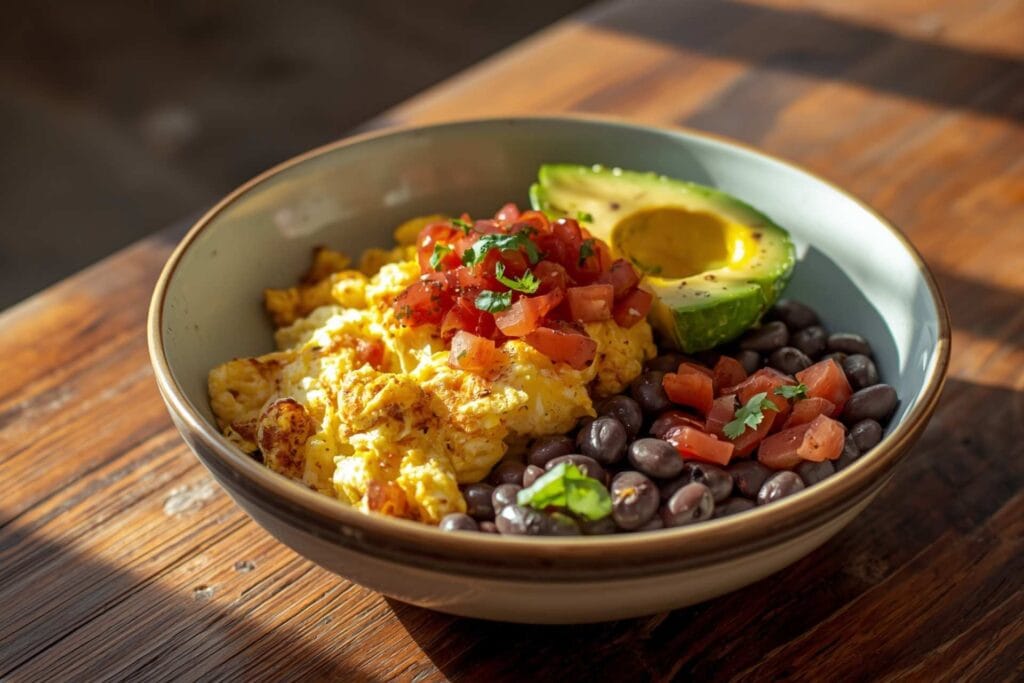
A breakfast burrito bowl is one of the easiest ways to turn a classic breakfast into a low carb breakfast without making it feel like a sacrifice. You still get the comforting flavors of eggs, sausage, salsa, cheese, and avocado, but you skip the tortilla and build everything in a bowl instead. That simple change keeps the meal lighter while still giving you the same warm, savory satisfaction. It is the kind of breakfast that feels familiar right away, which makes it easier to stick with over time.
Ingredients
- Eggs
- Sausage or chicken
- Salsa
- Avocado
- Cheese
- Peppers and onions
Method
- Cook the eggs and protein.
- Add vegetables to the bowl.
- Finish with toppings.
This is one of the most practical recipes in the entire lineup because it feels familiar, filling, and easy to scale. If you like leftovers, it turns into a very efficient low carb breakfast for the next day, too.
Base ingredients
A strong burrito bowl starts with the basics: eggs, cooked sausage or ground turkey, sautéed peppers, onions, shredded cheese, and avocado. Salsa adds freshness and flavor, while a little salt and pepper help tie everything together. You can also add spinach, mushrooms, or cauliflower rice if you want more volume without pushing the carb count up too much. The best part is that you can build this low carb breakfast from ingredients you probably already keep in the kitchen.
If you want the bowl to feel a little heartier, add a spoonful of sour cream or Greek yogurt on top. That gives you extra creaminess without making the recipe complicated.
Fast assembly method
The easiest way to make this bowl is to cook the egg and protein first, then layer everything into a serving bowl. Start with the eggs as the base, add the sausage or turkey, then pile on the vegetables, cheese, avocado, and salsa. If you are using leftover cooked ingredients, this can come together in just a few minutes. That is what makes it such a strong low carb breakfast option for weekdays.
You do not need a lot of steps here. The beauty of this recipe is how quickly it transforms basic ingredients into a full meal. It feels satisfying because it looks and tastes complete, even though it is very simple to assemble.
Salsa and topping ideas
Toppings are what make this bowl feel fun instead of repetitive. Salsa is the obvious choice, but you can also use pico de gallo, hot sauce, chopped cilantro, sliced jalapeños, or a little lime juice. If you like richer toppings, add shredded cheese, sour cream, guacamole, or chopped olives. A few small extras can change the flavor enough that the same low carb breakfast never feels boring.
You can also switch up the seasonings to match your mood. Try taco seasoning, smoked paprika, chili powder, cumin, or garlic powder for a deeper, more southwestern flavor. That way, the bowl can feel bold without needing extra carbs.
Meal prep container tips
This is a great low carb breakfast for meal prep because the components can be stored separately and assembled later. Keep the eggs, sausage, and vegetables in one container, and pack the toppings like salsa, avocado, and cheese separately so everything stays fresh. If you are making several breakfasts at once, portion them into containers that are easy to grab in the morning. That makes the routine much smoother.
A good container setup matters more than people think. If wet ingredients are kept apart from the dry ones, the texture stays much better. That small detail keeps this low carb breakfast tasting fresh instead of soggy.
Recipe 14 — Turkey sausage and cauliflower hash

Turkey sausage and cauliflower hash is one of those comforting skillet meals that feels hearty enough for a weekend brunch but quick enough for a weekday low carb breakfast. It has that breakfast-hash feel people love, but it swaps out the usual potatoes for cauliflower. The result is savory, filling, and easy to adjust based on what vegetables or spices you already have. It is a strong choice when you want breakfast to feel warm and substantial.
Ingredients
- Riced cauliflower or small cauliflower pieces
- Turkey sausage
- Onion
- Peppers
- Seasonings
- Eggs, optional
Method
- Cook sausage and vegetables.
- Add cauliflower and season well.
- Sauté until browned.
- Top with an egg if desired.
This dish has the comfort food feel many people want in the morning, but it still stays aligned with a lower-carb plan. It also reheats beautifully.
Best cauliflower texture
The key to a good hash is getting the cauliflower texture just right. You want it tender with a little bit of browning, not mushy or watery. Riced cauliflower works especially well because it cooks quickly and blends nicely with the sausage and seasoning. If you use chopped cauliflower, cut it into small pieces so it softens evenly. A good low carb breakfast should have texture, and cauliflower can absolutely deliver that if it is cooked well.
To keep it from getting too soft, let the cauliflower cook long enough for some moisture to evaporate. That helps it brown a little, which gives the hash more flavor and makes it feel more like a true skillet breakfast.
Seasoning ideas
Seasoning is what brings this dish to life. A simple mix of salt, black pepper, garlic powder, onion powder, and smoked paprika works beautifully. If you want more heat, add chili flakes or cayenne. If you want a more herb-forward flavor, try thyme, rosemary, or parsley. You can also finish the hash with a sprinkle of cheese or fresh herbs to brighten it up.
The seasoning is important because cauliflower on its own is mild. A well-seasoned hash feels rich and satisfying, which is exactly what you want in a low carb breakfast. The goal is not just to make it healthy. It is to make it taste good enough that you look forward to eating it again.
Pan-fry vs. oven roast
Both methods work, but they give different results. Pan-frying is faster and gives you more control over browning, which makes it ideal if you want a quick, low carb breakfast on the stove. The skillet also lets the sausage and cauliflower blend more closely, so the flavors feel unified. Oven roasting is better if you want a hands-off method or are making a larger batch. It can create a slightly more roasted, caramelized flavor.
If you want speed and convenience, choose the pan. If you want batch cooking and less active work, use the oven. Either way, the recipe stays flexible.
Storage and reheating
This hash stores very well, which makes it a smart meal prep low carb breakfast. Let it cool completely before placing it in an airtight container. It can be reheated in the microwave or warmed in a skillet for a better texture. The skillet method usually gives you more browning and less moisture, which helps the hash taste fresher the next day.
If you are planning, this is one of the easiest breakfast dishes to make in larger portions. It keeps well, reheats nicely, and still tastes savory after a day or two in the fridge. That makes it a dependable part of a low carb breakfast routine.
Recipe 15 — Smoked salmon cucumber plate with cream cheese
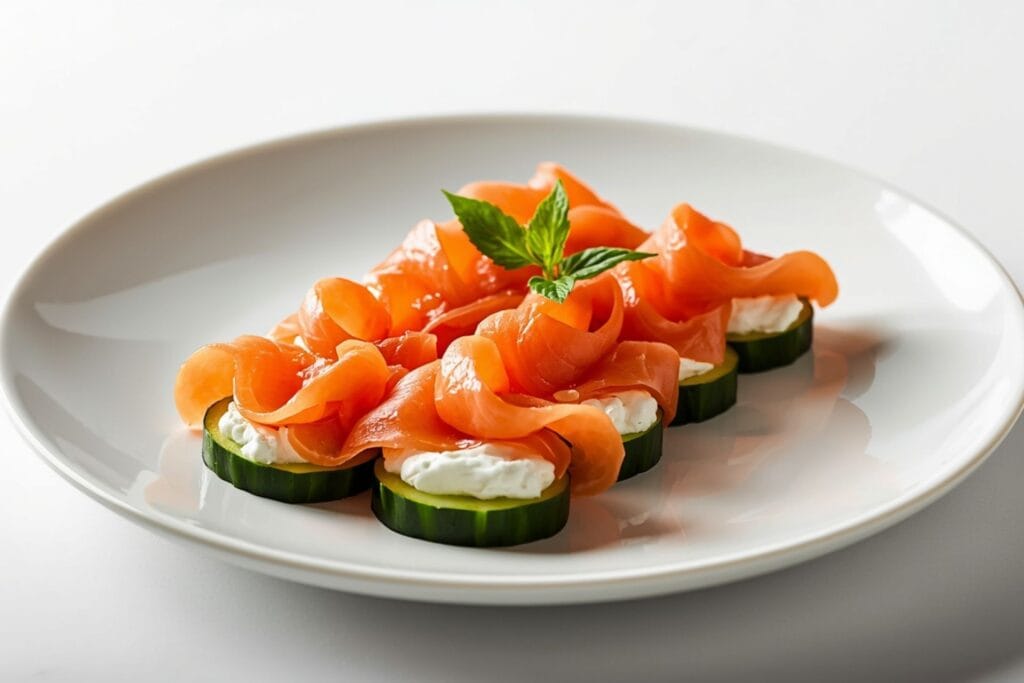
This is the fastest recipe in the bunch, and it is proof that a low carb breakfast does not need a stove to feel complete. Smoked salmon, cucumber, and cream cheese make a fresh, cool, and satisfying combination that feels elegant without requiring much work. It is especially useful when you want something light but still protein-rich. The flavors are simple, but the result feels polished and surprisingly filling.
Ingredients
- Smoked salmon
- Cucumber slices
- Cream cheese
- Capers or dill
- Optional avocado
Method
- Spread cream cheese on cucumber slices.
- Add salmon and herbs.
- Finish with capers or pepper.
It is fresh, light, and still high in protein and flavor. That is the sweet spot for a low carb breakfast on rushed mornings.
Assembly method
Start by slicing the cucumber into rounds or long ribbons, depending on how you want to serve the plate. Spread a little cream cheese on each slice, then top with smoked salmon. Finish with a pinch of pepper, dill, or capers if you like a more classic flavor. You can also arrange everything on a plate as a small breakfast board if you want a more visually appealing presentation.
This kind of low carb breakfast is great because assembly takes almost no time. There is no cooking, no cleanup, and no waiting. You just put the pieces together and eat.
Flavor boosters
A few small flavor boosters can make this plate even better. Fresh dill adds brightness, lemon juice adds freshness, and capers add a salty punch. You can also use everything seasoning, cracked black pepper, or thinly sliced red onion for a little extra bite. If you want more richness, add avocado on the side or use whipped cream cheese for a lighter texture.
These small touches help the meal feel more complete. A simple low carb breakfast like this does not need much, but the right seasoning can make it feel restaurant-worthy.
Best side add-ons
If you want to make the plate a little more filling, add hard-boiled eggs, avocado slices, cherry tomatoes, or a few olives. These sides keep the meal in low carb breakfast territory while making it feel more like a full brunch plate. You can also pair it with a small yogurt bowl if you want a mix of savory and creamy textures.
The goal is to keep the meal balanced without making it heavy. That is the real strength of this recipe. It gives you enough food to feel satisfied, but not so much that it slows you down.
When this works best
This recipe works especially well on rushed mornings, warm mornings, or days when you do not feel like cooking. It is also a nice option for lunch-style breakfasts or when you want something fresh after a few heavier meals. Because it is so simple, it fits neatly into a low carb breakfast plan that needs flexibility more than perfection.
If you need breakfast to be fast, elegant, and easy to repeat, this is one of the best options in the whole roundup. It proves that a low carb breakfast can be as effortless as it is satisfying.
Meal prep, storage, and reheating tips
A low carb breakfast becomes much easier to stick with when the food is already waiting for you. That is where meal prep makes a real difference. Instead of deciding from scratch every morning, you can open the fridge and choose from a few ready-to-go options that already fit your plan. That saves time, cuts down on stress, and makes healthy eating feel much more automatic. It also helps you avoid the common trap of grabbing something quick that is high in carbs simply because it was the easiest option available. (9)
The best meal prep system is the one you can actually repeat. You do not need to cook every single breakfast in advance. Sometimes it is enough to prep ingredients, portion toppings, or make two or three recipes that hold up well through the week. A solid low carb breakfast routine is usually built from a mix of fresh, refrigerated, and freezer-friendly recipes, so you always have something ready, no matter how busy the week gets.
Which recipes store best for 3 to 4 days
Not every low carb breakfast recipe is equally good for storage, so it helps to know which ones hold up best. Egg muffins, frittata muffins, sheet-pan omelet slices, breakfast burrito bowls, turkey sausage hash, chia pudding, Greek yogurt bowls with toppings stored separately, and cottage cheese bowls all usually keep well for several days in the fridge. These recipes are especially helpful because they do not lose much flavor or texture after a short rest.
The biggest thing to watch is moisture. Recipes with too many watery vegetables can turn soft if they are stored too long, so it helps to pre-cook items like mushrooms, zucchini, and onions before storing them. If you are making a low carb breakfast ahead of time, keep sauces, salsa, avocado, and other wet toppings separate until you are ready to eat. That small step makes a huge difference in freshness.
Cold breakfasts generally store better than hot, creamy ones. Yogurt bowls, chia pudding, and cottage cheese bowls are especially convenient because they can sit in the fridge and still taste great after a few days. Meanwhile, egg dishes and skillets usually do best when they are reheated gently and not left in the fridge too long. A little planning helps each low carb breakfast taste as good on day three as it did on day one.
Which recipes freeze well
Freezing is one of the smartest ways to keep a low carb breakfast routine from falling apart during a busy week. Not every recipe freezes beautifully, but many of the savory egg-based ones do. Egg muffins, frittata muffins, sheet-pan omelet slices, breakfast skillets, and some chaffle variations usually freeze well if they are cooled completely before packing. Almond flour pancakes also freeze nicely, which makes them a great backup option for mornings when you want something more comforting.
In general, recipes with a firm texture freeze better than recipes with lots of water or delicate toppings. That means yogurt bowls, cucumber plates, and fresh avocado dishes are better made fresh rather than frozen. A good rule is to freeze the cooked base of your low carb breakfast, then add fresh toppings later. That keeps the food tasting cleaner and more balanced after reheating.
To freeze well, wrap portions tightly or use freezer safe containers that block out air. Label each container with the recipe name and the date so you know what you have on hand. When you build your freezer around a few dependable low carb breakfast choices, you always have a backup plan for the mornings that get off track.
Best containers, labels, and reheating methods
The right containers make meal prep easier from the start. For fridge storage, use airtight glass or BPA-free plastic containers that close securely and stack well. For a low carb breakfast you plan to reheat, choose containers that are microwave-safe and easy to open. For freezer meals, use bags or containers that do not take up too much space and that seal tightly enough to prevent freezer burn. If you make breakfast in batches, portioning it into single servings saves time and helps you avoid guessing later.
Labels are a small detail that makes a big difference. Write the recipe name and the date on each container so you know what needs to be eaten first. That matters especially when you are storing several different low carb breakfast options at once. It keeps your fridge organized and helps you rotate through your meals before anything gets forgotten. If you want even more structure, use a simple code system like “Mon–Wed” for fridge meals and “Freezer” for backup items.
Reheating is just as important as storage. Egg dishes usually reheat best in short microwave bursts or in a low oven so they do not dry out. Skillets and hash often taste better when warmed in a pan for a minute or two because the texture stays a little firmer. Chaffles and pancakes can be reheated in a toaster oven or skillet, so they regain a bit of crispness. Yogurt bowls, chia pudding, and cottage cheese bowls do not need reheating at all, which makes them especially easy for a fast low carb breakfast on rushed mornings.
The main idea is simple: match the recipe to the storage method. If a breakfast is meant to stay cold, keep it cold. If it is better warm, reheat it gently. When you treat your meal prep with that kind of care, your low carb breakfast routine feels less like a compromise and more like a system that actually supports your day.
Common mistakes to avoid with low carb breakfasts
A low carb breakfast can be one of the easiest ways to start the day feeling steady and satisfied, but only if it is built with the right balance. A lot of people make the mistake of focusing only on what they are removing, like bread, cereal, or sugar, instead of thinking about what should actually go on the plate. That is where breakfast can start to feel off. If the meal is too small, too processed, or too low in fiber, it may not keep you full for long. The goal is not just lower carbs. The goal is a breakfast that works in real life.
The good news is that most mistakes are easy to fix once you know what to watch for. A better low carb breakfast usually comes down to choosing enough protein, using whole ingredients more often, and including vegetables or fiber-rich foods that help the meal feel more complete. That does not mean your breakfast has to be complicated. It just means it should be built with intention. Once you avoid the most common traps, low carb mornings become a lot easier to enjoy and maintain.
Forgetting protein
One of the biggest mistakes people make with a low carb breakfast is leaving out protein or not including enough of it. This usually happens when breakfast is built around just coffee, fruit, a smoothie without protein, or a small bowl of something light that looks healthy but does not actually keep hunger away for long. Protein matters because it helps breakfast feel more filling and more balanced. Without it, you may end up hungry again quickly and tempted to snack sooner than you planned.
A breakfast that is low in carbs but also low in protein can feel unfinished. That is why a better low carb breakfast usually includes eggs, Greek yogurt, cottage cheese, sausage, salmon, tofu, or another solid protein source. These foods give the meal more staying power and help it feel like a real meal instead of a small snack. Even simple additions like cheese, chia seeds, or nut butter can improve the balance if the main dish is light.
The fix is simple: check every breakfast and ask what the protein source is. If the answer is “not much,” that is your cue to adjust it. Add an egg, increase the yogurt portion, include smoked salmon, or pair the meal with cottage cheese. A low carb breakfast works best when protein is not an afterthought, but the base of the plate.
Relying too much on processed “keto” products
Another common mistake is depending too heavily on packaged keto products just because they fit a low carb breakfast label. Many of these items are convenient, and some of them can absolutely work in a pinch. But if breakfast becomes mostly bars, packaged muffins, flavored shakes, or highly processed substitutes, the meal can start to lose the freshness and satisfaction that real food usually provides. A label does not automatically make something a smart breakfast choice.
The problem with processed “keto” products is that they can be easy to overuse. They often taste sweet, feel convenient, and look like a shortcut, but they may not give you the same nutritional payoff as whole foods. Some are very low in carbs but also low in fiber, or not especially filling. A low carb breakfast should ideally help you feel nourished, not just checked off. That is why real ingredients like eggs, vegetables, yogurt, seeds, avocado, and salmon are usually better everyday choices.
That does not mean you need to avoid packaged items completely. It just means they should not be the center of your routine. A better approach is to use them occasionally while keeping most of your low carb breakfast meals centered on fresh, simple ingredients. When you do that, breakfast tastes better, feels better, and is usually easier to sustain long term.
Letting breakfast become too calorie-dense
A low carb breakfast can still go sideways if it becomes too calorie-dense without you realizing it.
This often happens when several rich ingredients get piled on at once: eggs, cheese, bacon, avocado, butter, cream cheese, and nuts all in the same meal. None of those foods is automatically a problem on its own, but together they can make breakfast much heavier than intended. That can be fine for some people, especially if they need a larger meal, but for others, it may lead to a sluggish feeling or simply more calories than they wanted.
The key is not to fear higher-calorie foods. It is to use them intentionally. A good low carb breakfast should feel satisfying, but it does not need to include every rich ingredient in the kitchen. For example, eggs with avocado and vegetables may be enough. Or Greek yogurt with nuts and chia may be plenty. Once you start adding one rich topping after another, the meal can become more like a brunch plate than a normal breakfast.
The easiest fix is portion awareness. You do not need to weigh every ingredient, but it helps to notice when a breakfast has gone from balanced to oversized. Ask yourself whether each ingredient is adding flavor, protein, or texture, or whether it is just being included because it sounds good. That small pause can keep your low carb breakfast satisfying without turning it into a calorie bomb.
Skipping fiber and vegetables
A lot of people think a low carb breakfast only needs protein and fat, but skipping fiber and vegetables is a mistake that can make the meal feel incomplete. Fiber helps breakfast feel more balanced and can make a big difference in fullness and digestion. Vegetables also add volume, color, freshness, and texture, which makes a meal feel more like a real plate of food instead of just a protein snack. Without them, breakfast can feel heavy in one way and strangely flat in another.
This is especially important for people who eat eggs often. Eggs are great, but eggs alone can become repetitive if they are not paired with something else. A low carb breakfast feels much better when spinach, mushrooms, peppers, tomatoes, cucumber, zucchini, or avocado show up on the plate, too. Even a small handful of greens or a few slices of cucumber can make the meal feel fresher and more satisfying. Berries, chia seeds, flax, and nuts can also help add a bit of fiber when used in moderation.
The best approach is to treat vegetables and fiber as part of the breakfast structure, not as an optional extra. Add spinach to the scramble, top the yogurt bowl with chia seeds, or serve your egg dish with avocado and tomatoes. These small touches help turn a basic low carb breakfast into something more complete and easier to enjoy every day.
A strong breakfast is rarely about one perfect ingredient. It is about balance. When protein, healthy fats, and fiber all show up together, a low carb breakfast becomes much easier to rely on. That is what keeps it practical, satisfying, and worth repeating.
How to customize these recipes for different needs
One of the best things about a low carb breakfast is that it does not have to be rigid. The recipes in this roundup can flex with your preferences, your schedule, and even the ingredients already sitting in your kitchen. That is what makes them so useful. You are not locked into one exact version of breakfast every day. Instead, you can adjust the base recipes so they fit the way you actually eat.
Customization also helps breakfast feel sustainable. A plan is much easier to stick with when it works for your life rather than fighting against it. Maybe you want a stricter keto-style version. Maybe you avoid dairy. Maybe you are a vegetarian and need more plant-based protein choices. Whatever the case, a low carb breakfast should be easy to adapt, not hard to maintain. The recipes here are built with that flexibility in mind, which is why they can serve so many different readers without losing their appeal.
Keto-friendly tweaks
If you want to make these recipes more keto-friendly, the main goal is usually to keep carbs very low while leaning a little more on fat and protein. That does not mean every meal has to feel heavy. It just means being thoughtful about which ingredients you use and how much fruit, starchy vegetables, or sweet toppings you include. A low carb breakfast can easily move closer to keto with a few simple adjustments.
A good place to start is with the base ingredients. Eggs, bacon, sausage, salmon, avocado, cheese, and full-fat Greek yogurt all fit nicely into a keto-style breakfast pattern. If a recipe includes berries, keep the portion small and use them more like a garnish than the main feature. If you are making a smoothie or chia pudding, choose unsweetened milk and skip any added sugar. That helps keep your low carb breakfast both satisfying and lower in carbs overall.
You can also make small swaps that change the whole feel of the meal. Use more cheese in a chaffle, add extra avocado to a burrito bowl, or choose cauliflower rice instead of any grain-based base. If you like savory breakfasts, keto is often a very natural fit because so many of the recipes already center on eggs, sausage, salmon, and vegetables. For sweet-style breakfasts, just keep an eye on portion size and choose lower-sugar toppings. That way, your low carb breakfast still tastes good without drifting too far from your goals.
Vegetarian swaps
A vegetarian version of a low carb breakfast is very possible, and it can be just as satisfying as a meat-based one. The key is making sure you still have enough protein and enough texture so the meal feels complete. Eggs, Greek yogurt, cottage cheese, tofu, nuts, seeds, and cheese all become especially useful here because they help fill the protein gap that meat would normally cover. When you build the meal around those ingredients, the breakfast still feels hearty and balanced.
For the egg-based recipes in this roundup, the vegetarian version is already easy because many of them do not need meat at all. You can keep the spinach, feta, and herb scramble exactly as it is. For the skillet or burrito bowl ideas, just leave out the sausage and add more vegetables, cheese, or tofu instead. A low carb breakfast does not need bacon or sausage to feel complete if the rest of the ingredients are chosen well.
If you want even more variety, tofu scramble is a great swap because it gives you a warm, savory breakfast that feels close to eggs in texture and function. You can season it with garlic, onion powder, paprika, or herbs and pair it with avocado or sautéed vegetables. Greek yogurt bowls and cottage cheese bowls also work beautifully for vegetarians and can be built sweet or savory depending on your preference. That flexibility makes a vegetarian low carb breakfast much easier to repeat without getting bored.
Dairy-free swaps
A dairy-free, low carb breakfast can be just as simple and satisfying once you know which ingredients to lean on. The main thing to remember is that dairy often adds creaminess, richness, and protein, so the replacement ingredients should aim to do some of the same work. Fortunately, that is not difficult. Eggs, avocado, coconut yogurt, unsweetened nut milks, tofu, salmon, nut butters, seeds, and dairy-free cheese alternatives can all help build a breakfast that feels complete.
For yogurt bowls, use an unsweetened coconut or almond-based yogurt instead of Greek yogurt. Check the label carefully so the sugar content stays low. For chia pudding and smoothies, use unsweetened almond milk, coconut milk, or cashew milk as the liquid base. If a recipe depends on cheese for flavor, you can either skip it or replace it with a dairy-free version if you have one you like. That keeps your low carb breakfast aligned with your needs without making it feel too different from the original.
Dairy-free also works well in savory recipes. A breakfast burrito bowl can be topped with avocado and salsa instead of cheese or sour cream. A skillet meal can still be rich and flavorful if you use olive oil, herbs, and plenty of seasoning. Even chaffles and mug bread can be adjusted depending on the recipe and the dairy-free substitute you prefer. The key is not trying to copy the exact texture of dairy. It is building a low carb breakfast that still feels satisfying in its own way.
Higher-protein versions for bigger appetites
If you need a low carb breakfast that keeps you full for hours, the answer is usually more protein, not more carbs. Research and nutrition guidance consistently point to protein as a key part of a balanced eating pattern, and higher-protein meals are often used when people want more satiety and a sturdier breakfast base. That does not mean piling on random extras. It means building a meal with a stronger protein anchor from the start.
The easiest way to increase protein is to scale up the main ingredient instead of adding a second recipe. Use three eggs instead of two, add turkey sausage or salmon to your bowl, choose a higher-protein yogurt, or stir cottage cheese into eggs for extra richness. You can also pair a main dish with a simple side, like hard-boiled eggs, smoked salmon, or a second small yogurt cup. That keeps your low carb breakfast filling without turning it into a huge, complicated meal.
A bigger appetite often needs a little more structure, too. Add vegetables for volume, healthy fats for satisfaction, and protein for staying power. That combination fits neatly into the breakfast pattern recommended by USDA MyPlate and Harvard’s Healthy Eating Plate, which both emphasize nutrient-dense foods rather than empty calories. When you build your low carb breakfast this way, it feels more complete, more dependable, and much easier to repeat day after day.
What to serve with low carb breakfast recipes
A good low carb breakfast does not always need a long list of side dishes, but the right add-ons can make it feel more complete, more satisfying, and more enjoyable. Sometimes the main recipe is enough on its own. Other times, a small drink, an extra protein side, or a little fruit helps the meal feel more balanced without pushing it out of low carb territory.
That is the sweet spot: enough variety to keep breakfast interesting, but not so much that it becomes complicated.
What you serve alongside breakfast can also affect how full you feel later. A low carb breakfast that includes the right drink and a smart side is more likely to hold you over until lunch. That matters if you have a busy morning, a long commute, or a schedule that does not leave much room for snacking. The idea is not to build a giant brunch plate every day. It is to choose a few simple additions that support the meal instead of competing with it.
Coffee, tea, and low sugar drinks
Coffee and tea are the easiest pairings for a low carb breakfast because they fit naturally into a morning routine. Black coffee is the simplest option, but plenty of people prefer a little cream, unsweetened milk, cinnamon, or sugar-free syrup to make it more enjoyable. Tea works just as well, whether you like it hot, iced, plain, or lightly flavored. The key is keeping the drink from turning into a hidden sugar source. A fancy coffee drink can add a lot more carbs than people realize, even when the breakfast itself is well balanced.
If you want something colder, low-sugar drinks like sparkling water, infused water, or unsweetened iced tea can also work nicely. They keep the meal feeling fresh without adding much to the carb count. For a low carb breakfast, the best drink is usually the one that feels comforting and does not interrupt the balance of the meal. You do not need a huge beverage menu. You just need a drink that supports the breakfast instead of making it heavier or sweeter than you intended.
Extra protein sides
One of the smartest ways to strengthen a low carb breakfast is to add a small protein side. This is especially helpful if your main recipe is light or if you know you tend to get hungry quickly in the morning. A side of hard-boiled eggs, turkey sausage, smoked salmon, cottage cheese, or a small cup of Greek yogurt can make breakfast feel much more complete. Protein helps the meal feel more substantial, which is exactly what many people want from breakfast.
You do not need a full extra dish to make this work. Even a modest amount can make a big difference. For example, a smoothie can be paired with a boiled egg. A yogurt bowl can be served with a few slices of turkey bacon. A veggie scramble can be topped with smoked salmon or avocado for more staying power. That kind of pairing turns a simple low carb breakfast into a breakfast that is more likely to carry you through the morning. It also gives you flexibility, which is one of the most useful parts of eating this way.
Simple fruit portions that still fit the plan
Fruit can absolutely fit into a low carb breakfast when the portions are thoughtful. The goal is not to avoid fruit entirely. It is to choose smaller portions and smarter options so the meal stays balanced. Berries are usually the easiest choice because they bring sweetness, color, and freshness without adding as many carbs as many other fruits. A handful of strawberries, blueberries, raspberries, or blackberries can brighten a yogurt bowl, chia pudding, or cottage cheese plate without overwhelming the meal.
The trick is to treat fruit like a supporting ingredient, not the main event. A few slices of fruit on the side or a small topping on a protein-rich breakfast is usually enough. If you are making a low carb breakfast, berries often work better than bananas, grapes, mango, or large fruit salads, which tend to be much higher in sugar. That does not mean those fruits are off-limits forever. It just means they are usually better kept for times when the meal is not meant to be low in carbs. A simple portion of fruit can make breakfast feel fresh and satisfying while still staying in line with your goals.
A balanced low carb breakfast is really about combinations. A warm meal with coffee. A cold bowl with tea. A savory plate with a little extra protein. A yogurt bowl with a few berries on top. When you think in those small, smart pairings, breakfast gets easier to enjoy and much easier to repeat.
The Bottom Line
A great low carb breakfast does not need to be fancy, and it definitely does not need to be complicated. Once you have a few dependable ingredients and a handful of repeatable recipes, breakfast becomes much easier to handle. The real win is not just lowering carbs; it is building mornings that feel calmer, more nourishing, and easier to stick with over time. Keep a few eggs, a few protein-rich staples, and a couple of make-ahead options in rotation, and your mornings will start to run like a good kitchen rhythm instead of a scramble.
FAQs
What is the best low carb breakfast?
The best low carb breakfast is the one you can actually make on repeat. For many people, that means eggs, Greek yogurt, cottage cheese, chia pudding, or a savory bowl with vegetables and protein. The ideal breakfast is filling, simple, and easy enough that you do not dread making it. USDA and Harvard both support a meal pattern that centers on whole, nutritious foods and strong protein choices.
What can I eat for breakfast besides eggs?
You have plenty of choices besides eggs. A low carb breakfast can include plain Greek yogurt, cottage cheese, chia pudding, smoothies with protein, smoked salmon plates, tofu scrambles, or almond-flour pancakes. Mayo Clinic breakfast collections also show that quick breakfast ideas can go far beyond one single food category.
Are oats allowed on a low carb breakfast plan?
Oats can fit some eating styles, but they are not usually the lowest-carb option. If your goal is a stricter low carb breakfast, it is usually better to choose chia seeds, yogurt, eggs, or nut-based recipes instead. If you use oats at all, keep the portion modest and pair them with protein and fat so the meal is more balanced.
Can I meal prep low carb breakfasts for the week?
Yes, and that is one of the smartest ways to stay consistent. Egg muffins, frittata slices, breakfast casseroles, chia pudding, yogurt jars, and cooked skillet fillings all work well for meal prep. Current low-carb breakfast collections highlight make-ahead and grab-and-go ideas because they make healthy habits easier to maintain during busy weeks.
How many carbs should a low carb breakfast have?
That depends on your personal goals, but the bigger idea is to keep breakfast lower in refined carbs and higher in protein, fiber, and healthy fats. Some people prefer a very strict approach, while others simply want a breakfast that is lighter and more balanced than the usual pastry-or-cereal routine. A practical low carb breakfast supports your energy, your appetite, and your schedule.




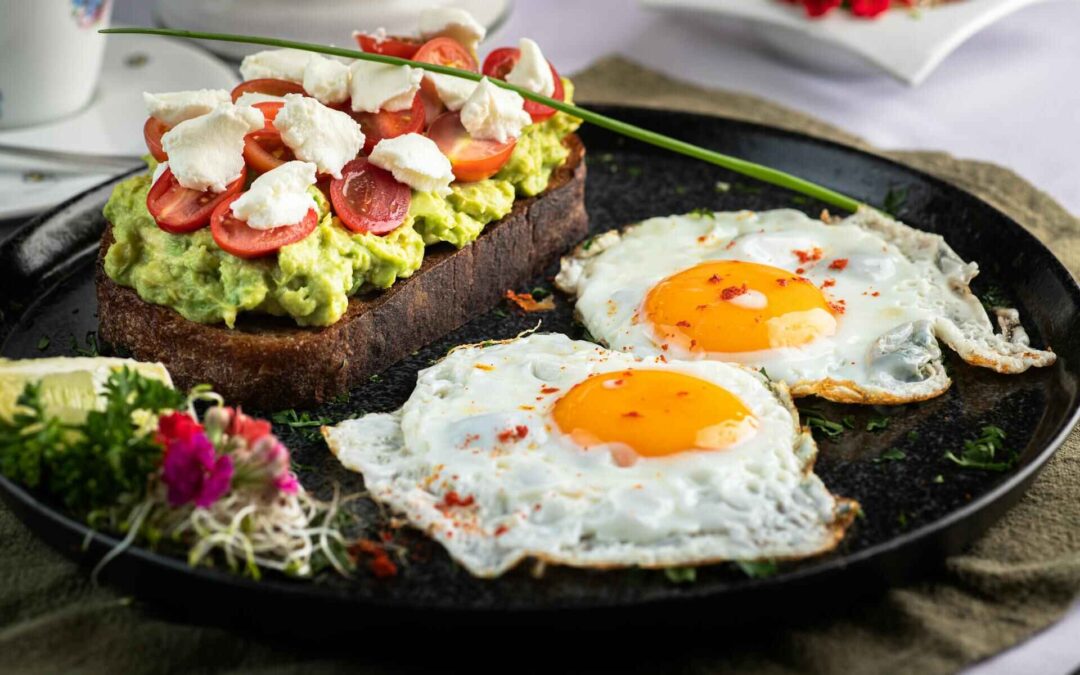
0 Comments