
The Mediterranean diet is tasty and nutritious, thanks to its significant savory components such as fruits, vegetables, whole grains, and heart-healthy fats.
It's also linked to some advantages, including the ability to boost brain function, improve heart health, and manage blood sugar levels, among other things.
Although there are no hard and fast rules for following the Mediterranean diet, you may observe many basic suggestions to integrate the diet's principles into your everyday routine.
This essay delves further into the Mediterranean diet, how to implement it, and how it may benefit your health.
What Is the Mediterranean Diet?
The Mediterranean diet is based on traditional foods eaten in nations surrounding the Mediterranean Sea, such as France, Spain, Greece, and Italy.
According to the researchers, the patients in this study were remarkably healthy, with a reduced risk of various chronic diseases. (1)
Although there are no rigorous rules or restrictions, the diet generally promotes fruits, vegetables, whole grains, legumes, nuts, seeds, and heart-healthy fats. Processed foods, processed carbohydrates, and added sugar should be avoided. (2)
Numerous studies have now shown that the Mediterranean diet may assist in weight reduction while also helping to reduce heart attacks, strokes, type 2 diabetes, and premature mortality. (3)
As a result, the Mediterranean diet is often suggested for persons seeking to enhance their health and prevent chronic illness.
What Are the Benefits and Risks of the Mediterranean Diet?
If you're on the fence about eating more Mediterranean, think about all the evidence supporting it. According to one research and meta-analysis published in the British Journal of Nutrition in October 2018, every one-point rise in the Mediterranean diet score — how well one follows the eating pattern on a scale of 1 to 9 — was connected with a 5% decreased risk of mortality from any cause. (4)
Regarding your ticker, it's likewise challenging to look beyond these numbers: In a study of over 26,000 women, those who adhered to the Mediterranean diet the most were up to 28% less likely to develop heart disease. (5) The diet may be especially beneficial since it helps lower inflammation; one antioxidant component called hydroxytyrosol, abundant in diet staple items (fruits, nuts, extra-virgin olive oil), has been demonstrated to repair heart-harming free radical damage, according to the authors.
While living longer and taking care of your heart are vital to you, there's no doubt that the Mediterranean diet has the potential to help you lose weight. Yes, this eating plan may help you maintain your weight – without making you feel restricted. A study published in September 2018 in BMC Nutrition by researchers at Harvard University and Emory University followed a group of overweight or obese adults on the Mediterranean diet and a control group eating a standard American diet supplemented with fish oil, walnuts, and grape juice — foods that supply vital nutrients in the Mediterranean diet — for eight weeks.
A typical American diet has a lot of saturated fat, added sugar, and salt. Compared to the control group, Mediterranean diet users lost more weight, had lower levels of inflammatory markers in their blood, and had lower total and LDL ("bad") cholesterol.
The added benefit: Because it wasn't intended to be a weight reduction study in the first place (it was simply a lovely extra), both groups ate about the same amount of calories. (5)
In terms of hazards, dietitians often advise people with chronic conditions such as type 2 diabetes to follow a Mediterranean-style diet. While this diet is heart-healthy, the American Heart Association notes that it includes more fat than is usually suggested (albeit it is still low in dangerous saturated fat). (6) The big takeaway: This is one of the healthiest ways to eat, but as with everything else, if you're altering your diet or utilizing a diet as part of your illness treatment plan, always see your doctor first.
Foods to eat
Which foods are considered part of the Mediterranean diet are debatable, partially due to regional differences.
Most studies looked at a diet rich in nutritious plant foods and low in animal products and meat. However, eating fish and seafood at least twice a week is suggested.
The Mediterranean way of life also includes frequent physical exercise, sharing meals with others, and reducing stress.
You may include various fresh, frozen, dry, and canned fruits and vegetables, but be sure to read the box labels for added sugar and salt.
Ideally, it would help if you based your diet on the following nutritious Mediterranean foods:
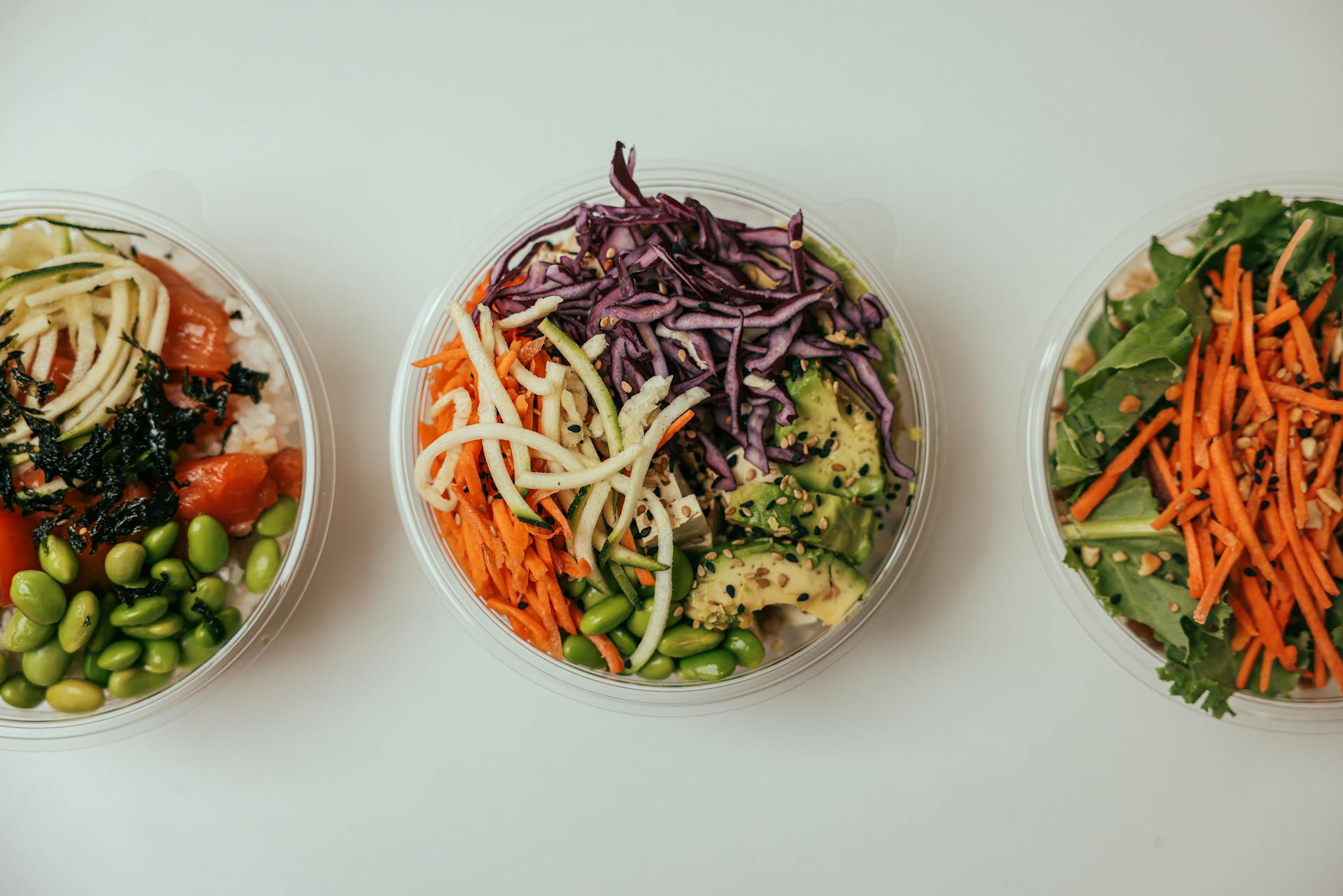
- Tomatoes, broccoli, kale, spinach, onions, cauliflower, carrots, Brussels sprouts, cucumbers, sweet potatoes, and turnips are all vegetables.
- Examples of fruits include apples, bananas, oranges, pears, strawberries, grapes, dates, figs, melons, and peaches.
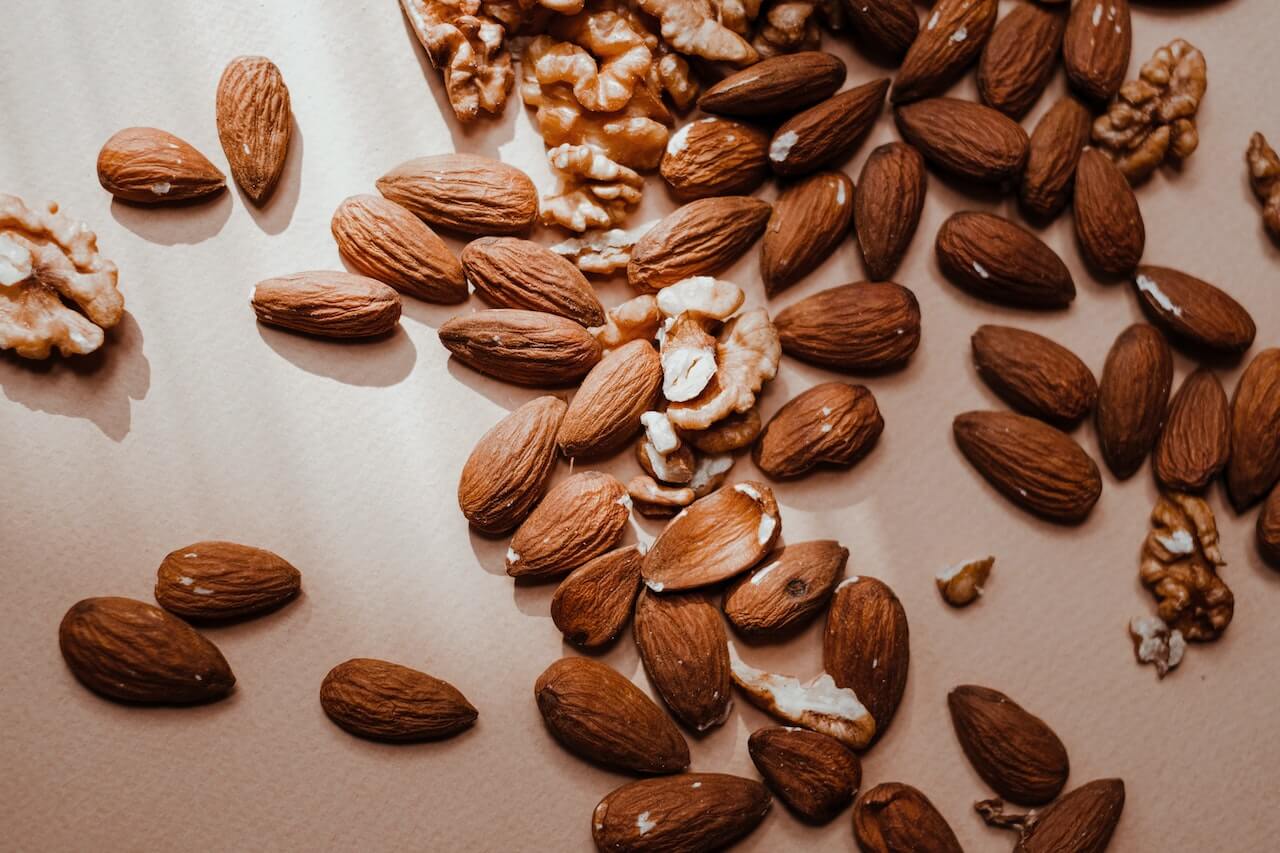
- Almonds, walnuts, macadamia nuts, hazelnuts, cashews, sunflower seeds, pumpkin seeds, almond butter, and peanut butter
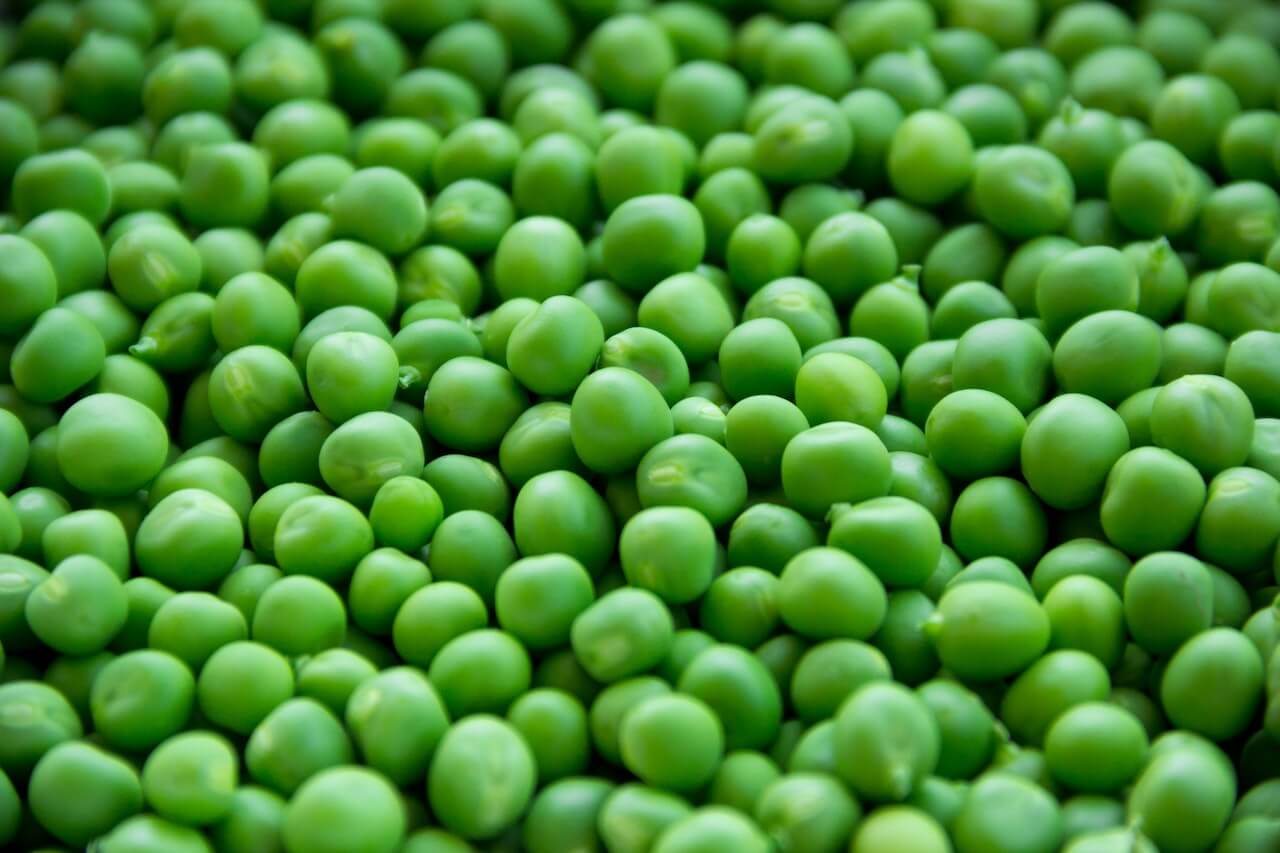
- Beans, peas, lentils, pulses, peanuts, and chickpeas are examples of legumes.
- Oats, brown rice, rye, barley, maize, buckwheat, whole wheat bread, and pasta are examples of whole grains.
- Salmon, sardines, trout, tuna, mackerel, shrimp, oysters, clams, crab, and mussels
- Poultry includes chicken, duck, and turkey.
- Eggs: quail, chicken, and duck eggs
- Dairy: cheese, yogurt, and milk
- Garlic, basil, mint, rosemary, sage, nutmeg, cinnamon, and pepper
- Extra virgin olive oil, olives, avocados, and avocado oil are all excellent sources of healthy fats.
Foods to Limit
When following the Mediterranean diet, you should limit the following processed foods and ingredients:
- Added sugar: Added sugar can be found in various foods, but it is especially prevalent in soda, candies, ice cream, table sugar, syrup, and baked goods.
- The refined grains are white bread, pasta, tortillas, chips, and crackers.
- Margarine, fried foods, and other processed foods contain trans fats.
- Examples of refined oils include soybean oil, canola oil, cottonseed oil, and grapeseed oil.
- Meat that has been processed includes sausages, hot dogs, deli meats, and beef jerky.
- Fast food, convenience meals, microwave popcorn, and granola bars are highly processed foods.
7-Day Mediterranean Diet Eating Plan
An example menu for a week's worth of meals on the Mediterranean diet is shown below.
Adjust the amounts and meal options to suit your requirements and tastes, and add snacks as required.
Monday
- Greek yogurt with strawberries and chia seeds for breakfast
- Lunch will consist of a whole-grain sandwich with hummus and veggies.
- Dinner will consist of a tuna salad with greens and olive oil, followed by a fruit salad.
Tuesday
- Oatmeal with blueberries for breakfast
- Caprese zucchini noodles with mozzarella, cherry tomatoes, olive oil, and balsamic vinegar for lunch
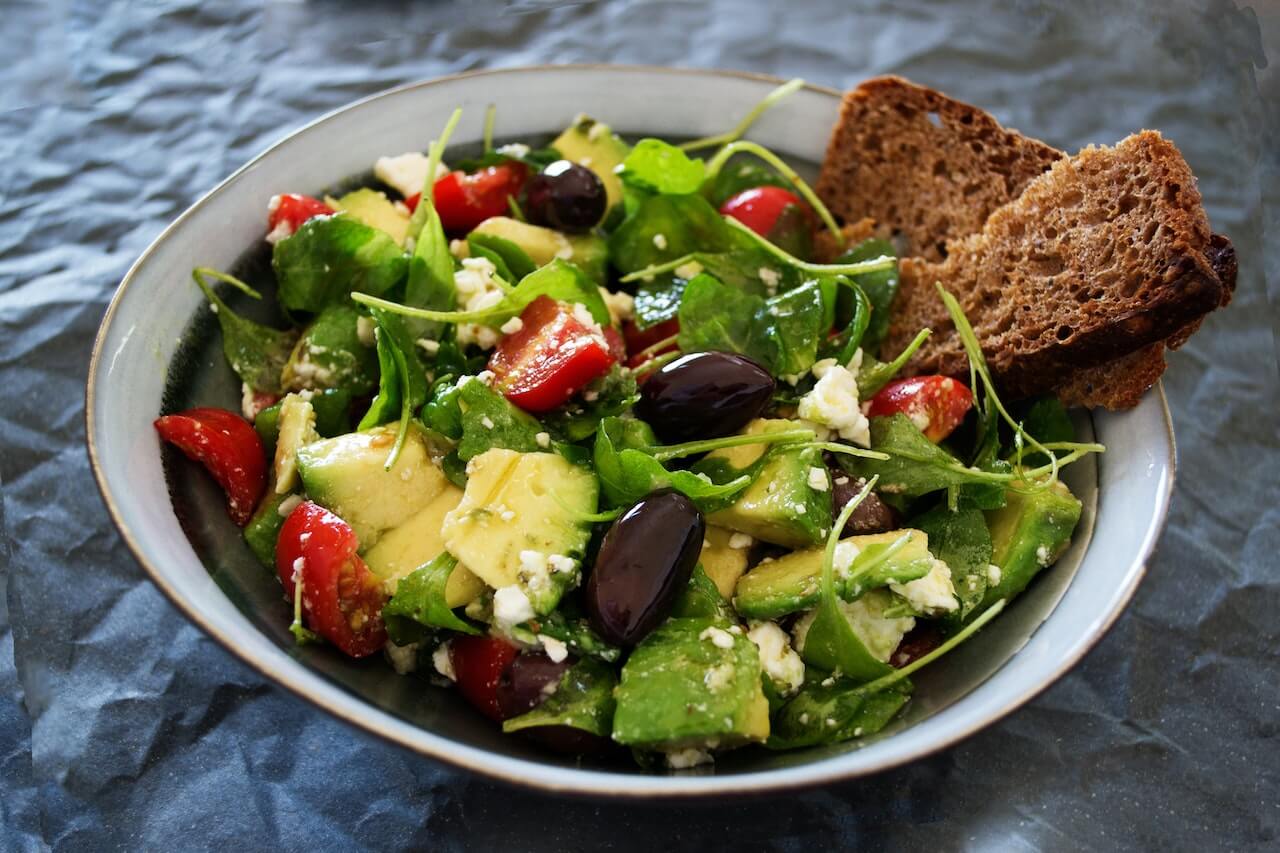
- Salad with tomatoes, olives, cucumbers, farro, grilled chicken, and feta cheese for dinner
Wednesday
- Breakfast: a mushroom, tomato, and onion omelet
- Lunch will consist of a whole-grain sandwich with cheese and fresh veggies.
- Mediterranean lasagne for dinner
Thursday
- Yogurt with sliced fruit and almonds for breakfast
- Quinoa salad with chickpeas for lunch
- Broiled salmon with brown rice and veggies for dinner
Friday
- Breakfast consists of eggs and sautéed veggies served with whole wheat bread.
- Pesto-stuffed zucchini boats with turkey sausage, tomatoes, bell peppers, and cheese for lunch
- Grilled lamb with salad and baked potato for dinner
Saturday
- Oatmeal with raisins, almonds, and apple slices for breakfast
- Lunch will consist of a whole-grain sandwich with veggies.
- Dinner: Mediterranean pizza with whole wheat pita bread, cheese, veggies, and olives.
Sunday
- Breakfast will be an omelet with vegetables and olives.
- Lunch consists of a falafel dish topped with feta, onions, tomatoes, hummus, and rice.
- Dinner will consist of grilled chicken with veggies, sweet potato fries, and fresh fruit.
The Mediterranean diet typically does not require monitoring calories or tracking macronutrients (protein, fat, and carbohydrates).
Healthy Snacks
If you become hungry between meals, there are many healthy snack alternatives on the Mediterranean diet.
Here are a few suggestions to get you started:
- a plethora of nuts
- a fruit piece
- Hummus on baby carrots
- grapes
- mixed berries
- Yogurt from Greece
- salt-and-pepper hard-boiled egg
- pieces of apple with almond butter
- guacamole and chopped bell peppers
- Fresh fruit and cottage cheese
- pudding with chia seeds
The Bottom Line
Even though there isn't a single Mediterranean diet, this eating pattern is characterized by a focus on fish and other seafood and a high intake of nutritious plant foods.
It's been linked to a slew of health benefits, including blood sugar stabilization, heart health promotion, and improved cognitive function.
The best part is that you can personalize the Mediterranean diet to suit your needs. You can create delicious Mediterranean-inspired meals using your favorite ingredients, such as whole-wheat pasta and extra virgin olive oil, instead of fish like salmon or sardines.




0 Comments