
Starting a keto meal plan for beginners can feel a little like learning to drive in a new city. The roads are familiar, but the turns are different, the signs matter more, and you do not want to guess your way through the first week. The good news is that keto becomes much easier when you keep the plan simple, focus on whole foods, and use a short starter menu instead of trying to overhaul everything at once. Current guidance from major health and nutrition sources still points to the same beginner-friendly pattern: keep carbs low, build meals around protein and fats, and use fiber-rich, low carb foods to make the plan more sustainable.
This keto meal plan for beginners is written for real life, not for perfection. You will see simple meals, practical swaps, grocery basics, and a full 7-day starter guide that helps you get moving without spending all day in the kitchen. It is also important to remember that keto is not the right fit for everyone, especially if you have a medical condition or take medication that affects blood sugar. When in doubt, it is always smarter to ask a clinician first than to push ahead blindly.
Why this guide works
A keto meal plan for beginners should feel like a shortcut, not another complicated rulebook. That is exactly why this guide is built the way it is. Instead of throwing you into a giant list of recipes and leaving you to figure out the rest, it gives you a clear starting point, a simple rhythm, and enough structure to make the first week feel doable. Think of it like a map with the main roads already marked. You still get to choose your pace, but you are not wandering around trying to guess which turn comes next. (1, 2, 3)
This guide also sets realistic expectations for a beginner-friendly keto reset. The first few days are usually about adjustment, not perfection. Some people feel energized quickly, while others need a little more time to get used to eating fewer carbs and more filling, whole foods. That is normal. A good keto meal plan for beginners should make space for that learning curve instead of pretending you will instantly know what to eat, how much to cook, or how to keep every meal perfectly balanced.
The 7-day structure is what makes this approach especially helpful. When you only have to think about one week at a time, the plan feels lighter and easier to follow. You are not committing to a forever diet on day one. You are simply testing a system that gives you enough repetition to learn the basics without getting bored or overwhelmed. That short time frame also reduces guesswork, which is often the biggest obstacle for beginners. When breakfast, lunch, dinner, and snack ideas are already mapped out, you spend less time asking, “What can I eat?” and more time actually eating. (4, 5)
This guide also previews the practical parts that matter most: meal ideas, grocery planning, and simple swaps. That matters because keto is not just about cutting carbs. It is about knowing how to build meals that are satisfying, easy to repeat, and realistic for your schedule. A strong keto meal plan for beginners should help you see the full picture before you even start cooking. Here is what that looks like in practice:
- Meals: easy breakfasts, lunches, dinners, and snack ideas that do not require fancy ingredients.
- Grocery planning: a simple shopping list that keeps you focused on the foods that actually support keto.
- Simple swaps: small changes, like using lettuce instead of bread or cauliflower instead of rice, that make the plan easier to follow.
By starting this way, you lower the stress, cut the guesswork, and give yourself a much better chance of sticking with it. That is what makes this guide useful: it is clear, flexible, and built for real life.
Keto basics for beginners
A keto meal plan for beginners makes a lot more sense once you understand the basics behind the diet. Keto is not just about removing bread and pasta from your plate. It is a way of eating that shifts your body toward using fat instead of carbs for fuel, and that change is what makes the whole plan work. When you know what keto is actually doing in the background, the food choices feel less random and a lot easier to manage. (6)
For beginners, the goal is not to master every detail overnight. It is to understand the simple idea first, then build meals around that idea. That is why the basics matter so much. Once you know how ketosis works and why carb control is the main focus, you can stop second-guessing every bite and start making smarter choices with confidence.
Ketosis
Define ketosis in simple terms
Ketosis is the state your body enters when it starts using fat for energy instead of relying mostly on carbs. In simple terms, it is like flipping a fuel switch. When carbs are high, your body usually burns glucose first. When carbs are kept low, your body begins looking for another energy source, and that is where fat comes in. A keto meal plan for beginners is designed to help encourage that switch in a practical, food-based way.
You do not need to overcomplicate it. Think of ketosis as your body becoming more flexible with fuel. Instead of running only on quick-burning carbs, it learns to tap into stored fat and the fat you eat during the day. That is the reason keto meals are built around protein, healthy fats, and low carb vegetables. They help keep your energy steady while keeping your carb intake low enough to support that shift.
Explain how lower carb intake changes fuel use
When you eat fewer carbs, your body has less glucose to work with. Over time, that changes the way it makes energy. Instead of depending on carb-heavy foods for every meal, your body starts adjusting to a lower-carb pattern and uses fat more efficiently. That is the core idea behind a keto meal plan for beginners.
This is also why the first week can feel different. Your body is adapting, so the way you feel may change before you fully settle into the new routine. Some people notice fewer hunger spikes, while others need a little time to adjust to the lower-carb rhythm. Either way, the shift is part of the process. The important thing is to keep meals simple and consistent so your body has time to respond.
Net carbs and macro balance
Explain net carbs vs. total carbs
One of the most confusing parts of keto for beginners is the difference between total carbs and net carbs. Total carbs means the full amount of carbohydrates in a food. Net carbs usually mean the carbs left after subtracting fiber, since fiber does not affect the body the same way as digestible carbs do. That is why many keto eaters pay attention to net carbs when building a keto meal plan for beginners. (7, 8)
This matters because two foods can look similar on the label but affect your carb count very differently. A food that is high in fiber may still fit better into a keto plan than something with the same total carbs but almost no fiber. Once you understand that difference, label reading becomes much easier. It also helps you choose foods more strategically instead of assuming every carb count tells the full story.
Show why beginners focus on carb control first
For beginners, carb control comes first because it is the easiest way to keep the diet on track. You do not need to obsess over every single macro on day one. You just need to build meals that stay within your carb target and support the bigger keto goal. That is why the simplest keto meal plan for beginners starts with low carb food choices before getting too deep into percentages and advanced tracking.
When carb intake is under control, the rest of the plan gets easier. Protein becomes easier to balance. Fats become easier to use for flavor and fullness. Meals start to feel more predictable. That predictability is a big reason beginners succeed when they keep the first phase of keto simple. Once the carb habit is under control, it becomes much easier to fine-tune the rest of the plan later.
A good way to think about it is this: carbs are the main dial you adjust first, and everything else follows from there. If you try to control everything at once, the process can feel overwhelming. But if you start with carb control, you give yourself a clear and manageable foundation. That is what makes a keto meal plan for beginners feel realistic instead of intimidating.
Safety, setup, and realistic expectations
A keto meal plan for beginners should always start with safety, because the best diet in the world is not helpful if it is not the right fit for your body and your life. Keto can be a useful reset for some people, but it is still a big dietary change, and big changes deserve a little caution. Before you jump in, it helps to think about your health history, your daily routine, and whether you can realistically follow the plan without feeling stressed or restricted. That kind of honesty sets you up for a much better experience from the start. (9, 10)
This is also the stage where expectations matter a lot. A beginner-friendly keto plan is not supposed to feel like a punishment or a test of willpower. It is supposed to feel structured enough to guide you, but flexible enough to fit your real day. If you expect instant perfection, keto can feel frustrating very quickly. If you expect a learning curve, you will probably handle it with much more confidence and less pressure.
Who should check with a clinician first?
Before starting a keto meal plan for beginners, some people should talk with a clinician first. That includes anyone with a health condition that affects metabolism, digestion, kidneys, or blood sugar, as well as anyone taking medication that could be affected by a major shift in eating patterns. It is also smart to check in if you are pregnant, breastfeeding, or dealing with a condition that makes restrictive eating risky. This is not about being cautious for the sake of caution. It is about making sure the diet supports you instead of creating problems you did not expect. (11, 12)
Even if you feel healthy, a quick check-in can still be a smart move if you have questions about whether keto matches your goals. A keto meal plan for beginners is meant to be practical, but it should also be personal. What works smoothly for one person may feel too restrictive for another. That is why it is better to ask early than to wait until you are confused, tired, or unsure whether the plan is doing what you hoped it would do.
Pantry prep, labels, and tracking tools
One of the easiest ways to make a keto meal plan for beginners feel manageable is to prepare your kitchen before you start. A well-stocked pantry makes a huge difference because it removes the temptation to grab whatever is easiest when you are hungry. Start with simple keto-friendly basics like eggs, meats, cheese, leafy greens, low carb vegetables, olive oil, avocado, nuts, seeds, and a few condiments that do not add unnecessary sugar. When the right foods are already in reach, sticking to the plan becomes much less of a struggle. (13, 14)
Label reading is another skill that makes keto a lot easier. Packaged foods can look innocent on the shelf, but the nutrition label tells the real story. You want to pay attention to serving size, total carbs, fiber, and added sugars so you can make better choices without guessing. That habit matters more than people realize, especially in the beginning. A keto meal plan for beginners gets much easier when you stop relying on marketing claims and start trusting the nutrition facts panel instead.
Tracking tools can also help during the first week, especially if you are still learning what low carb eating looks like in practice. You do not need to track forever, but using a notes app, a food journal, or a simple tracking app can make the transition smoother. It helps you notice patterns, spot accidental carb overload, and figure out which meals keep you full the longest. The goal is not to obsess over every bite. The goal is to learn enough that the plan starts feeling natural instead of confusing.
A simple setup checklist can keep things moving in the right direction:
- Clear out obvious high-carb foods that make the first week harder.
- Stock up on a few dependable proteins and low carb vegetables.
- Keep healthy fats and basic seasonings on hand for easy meals.
- Choose one tracking method so you are not juggling too many new habits at once.
When your environment supports your goal, the whole process feels smoother. That is one of the quiet secrets behind a successful keto meal plan for beginners.
What does week one usually feel like
The first week of a keto meal plan for beginners often feels a little strange, and that is completely normal. Your body is adjusting to a new way of eating, so it may take a few days to settle into the rhythm. Some people feel fine right away, while others notice a dip in energy, a little brain fog, or a stronger need to hydrate. That does not automatically mean something is wrong. It usually means your body is getting used to the change. (15, 16)
The emotional side of week one matters too. Beginners sometimes expect keto to feel exciting from day one, but the truth is that the early phase can feel practical, not glamorous. You may spend more time planning meals, reading labels, or thinking about snacks than you expected. That is why a keto meal plan for beginners should be simple. The less mental clutter you have, the easier it is to stay consistent while your habits are still forming.
You may also notice that your appetite changes. Some people feel fuller with fewer meals, while others need a little more structure at first. That is part of the learning process. The best thing you can do is stay calm, keep your meals straightforward, and pay attention to how you feel instead of trying to force the plan to look perfect. Week one is not about proving anything. It is about gathering information and giving your body time to adjust.
If the first few days feel bumpy, that is not a failure. It is just the beginning of adaptation. A well-designed keto meal plan for beginners expects that the start may feel awkward and still keeps moving forward.
That is the real value of structure: it gives you a steady path when motivation is still finding its footing.
What to eat on a beginner keto plan
A keto meal plan for beginners becomes much easier when you stop thinking in terms of “diet food” and start thinking in terms of building blocks. You are not trying to create a complicated menu every day. You are trying to combine a few dependable food groups in a way that keeps carbs low, meals satisfying, and cooking simple. That is why the best beginner keto plan is usually built around protein, healthy fats, low carb vegetables, and a few smart extras that make meals feel complete.
The goal here is not to make food boring. It is to make food easy. Once you understand the core categories, you can mix and match them without constantly checking recipes or second-guessing every ingredient.
That is the real power of a keto meal plan for beginners: it gives you a clear framework so you can eat well without feeling trapped in the kitchen.
Proteins and seafood
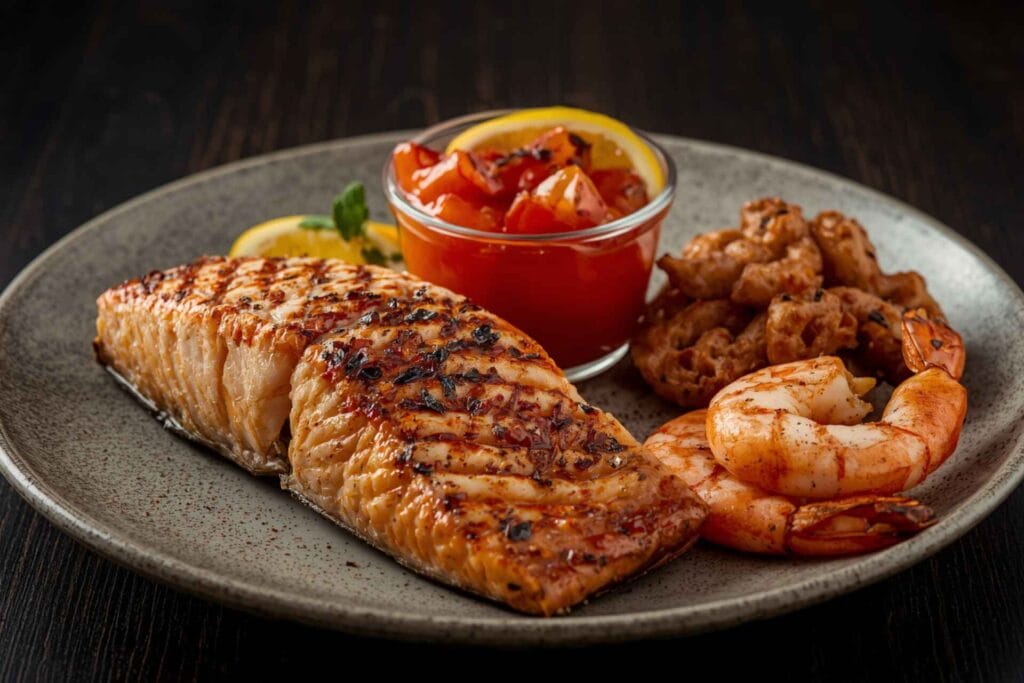
Protein is the anchor of a strong keto meal plan for beginners. It helps make meals satisfying, gives your plate structure, and makes it easier to keep hunger under control between meals. The best part is that keto protein options are simple and familiar. You do not need exotic ingredients or special products. You just need real food that fits into a low carb pattern.
Good beginner-friendly protein choices include chicken, turkey, beef, pork, eggs, salmon, tuna, shrimp, sardines, and other seafood. These foods are flexible enough to work for breakfast, lunch, or dinner, and they can be cooked in a lot of different ways without requiring a complicated recipe. For example, eggs can become scrambled eggs, omelets, hard-boiled snacks, or egg muffins. Chicken can be baked, grilled, shredded, or turned into salad. Seafood can be roasted, pan-seared, or tossed with butter and herbs for a quick meal that still feels special.
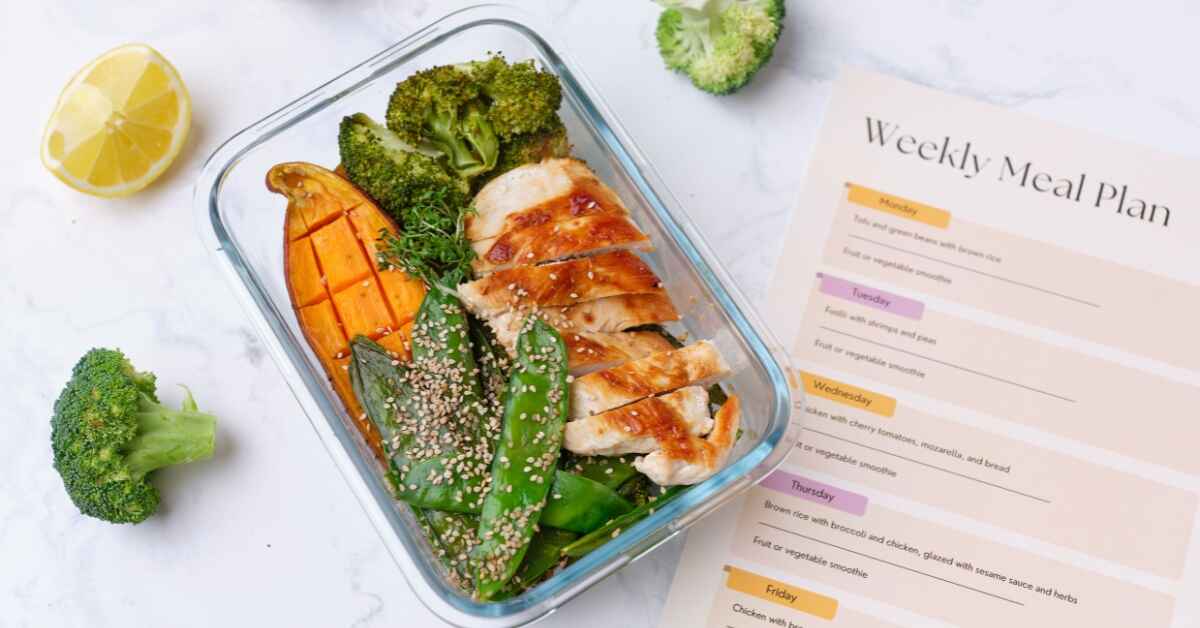
If you are just getting started, it helps to keep protein prep as simple as possible. Roast a tray of chicken thighs, cook a few burger patties, boil eggs for the fridge, or make a batch of tuna salad for easy lunches. When protein is ready ahead of time, the rest of your keto meal plan for beginners comes together much faster. You are less likely to reach for high-carb convenience food when a solid protein is already waiting for you.
Seafood deserves a special mention because it fits beautifully into keto without much effort. Fatty fish like salmon and sardines are especially helpful because they bring protein and healthy fats together in one meal. That combination makes them a strong fit for a beginner keto plate. If you are someone who does not like to cook fancy meals, seafood can be a lifesaver. A piece of salmon with vegetables and butter can feel like a restaurant meal even when it only takes a few minutes to prepare.
Fats, oils, and sauces

Fats are another important part of a keto meal plan for beginners, but they work best when you think of them as flavor and fullness tools rather than a goal to overdo. On keto, fats help meals taste rich, keep you satisfied, and make simple ingredients feel more enjoyable. That is why things like olive oil, avocado oil, butter, ghee, mayonnaise, sour cream, pesto, and avocado show up so often in beginner keto meals.
The key is to choose fats that support your meals instead of overwhelming them. A little butter on vegetables, a drizzle of olive oil over salad, or a spoonful of mayo in tuna salad can go a long way. You do not need to drown everything in fat. You just need enough to make the meal satisfying and aligned with the keto approach. That balance matters, especially when you are still learning how your body responds to lower-carb eating.
Sauces and dressings are where a lot of people accidentally drift off track, which is why they deserve attention in a keto meal plan for beginners. Many store-bought sauces contain added sugar, starches, or hidden carbs that can add up quickly. That does not mean you need to avoid sauces altogether. It just means you should choose them carefully. Simple options like garlic butter, ranch made with clean ingredients, herb vinaigrettes, and creamy keto-friendly dressings can make meals much more enjoyable without pushing carbs too high.
If you like flavor, sauces can actually make the beginning of keto much easier. A plain chicken breast and steamed broccoli may fit the rules, but a chicken breast topped with pesto or a creamy mushroom sauce can feel much more satisfying. That little upgrade can make a big difference when you are trying to stay consistent. A beginner plan should never feel like punishment, and smart use of fats and sauces is one of the easiest ways to keep food interesting.
Low carb vegetables
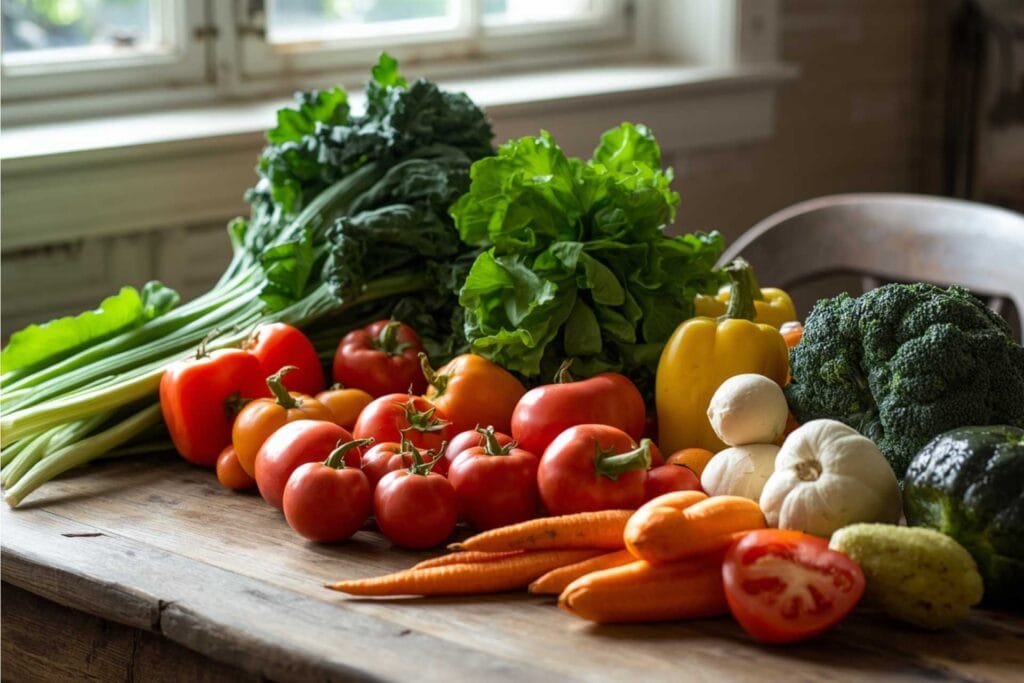
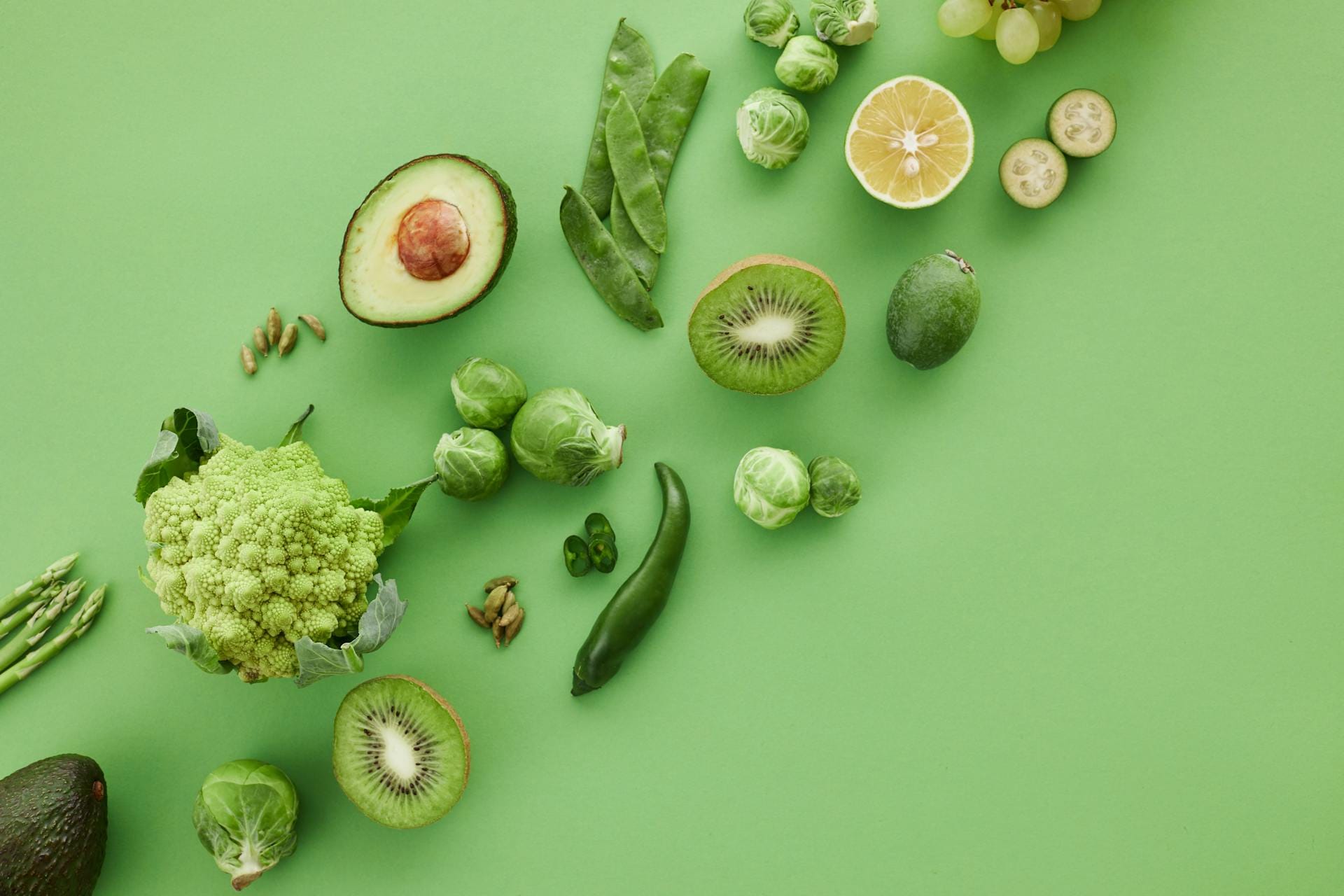
Vegetables are what keep a keto meal plan for beginners from feeling too heavy. They add texture, color, fiber, and freshness, which makes keto meals feel more balanced and less one-note. The trick is choosing low carb vegetables rather than starchy ones. That means focusing on foods like spinach, kale, lettuce, broccoli, cauliflower, zucchini, cucumber, mushrooms, asparagus, cabbage, green beans, and peppers. (17)
These vegetables work well because they give you volume without loading your plate with carbs. That matters a lot when you are trying to stay within your daily keto target. A big pile of leafy greens or roasted broccoli can make a meal feel generous, even though the carb count stays low. For beginners, that is an important mental shift. You are not trying to eat tiny portions. You are trying to choose the right kinds of portions.
Cauliflower is one of the most useful vegetables in a keto meal plan for beginners because it can do so much. You can turn it into mashed cauliflower, cauliflower rice, roasted cauliflower, or even a base for casseroles and soups. Zucchini is another strong option because it can be spiralized, sautéed, baked, or added to egg dishes. These vegetables make keto feel creative instead of restrictive, which is exactly what beginners need.
It also helps to think about vegetables in terms of meals, not just side dishes. A salad can be lunch. Sautéed spinach can go under eggs. Roasted mushrooms can pair with steak. Cabbage can become a quick stir-fry base. Once you start using vegetables this way, your keto meal plan for beginners becomes much easier to build because you are no longer treating vegetables like filler. They become part of the meal structure itself.
Dairy, nuts, seeds, and extras
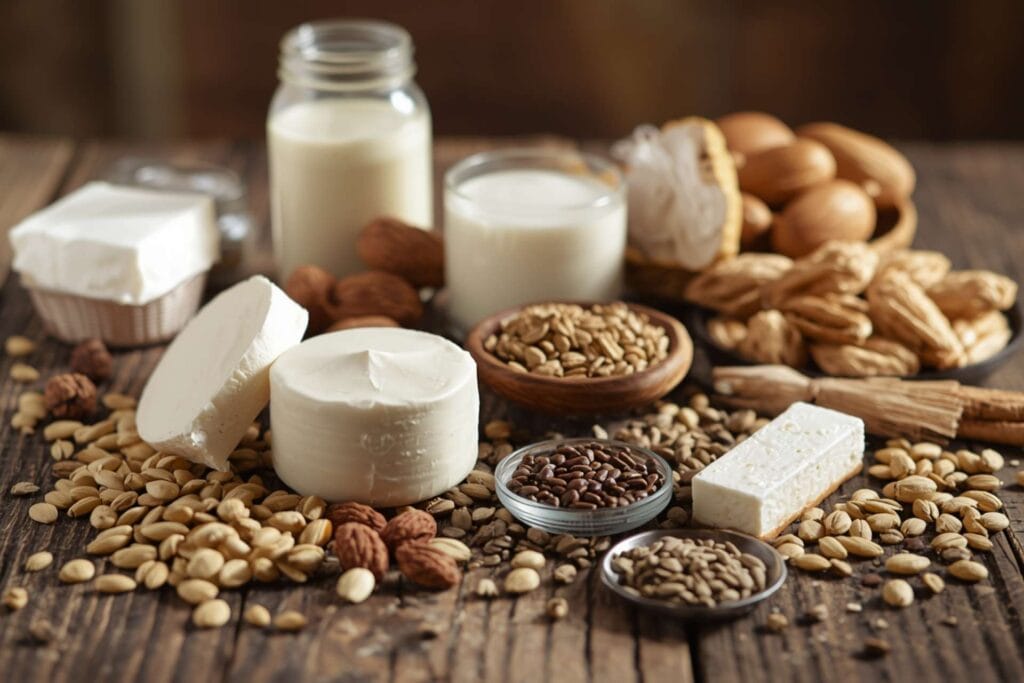
Dairy, nuts, seeds, and a few smart extras can help a keto meal plan for beginners feel more complete and satisfying. These foods are not the main event, but they add variety, texture, and convenience. When used wisely, they can make meals easier to enjoy and easier to stick with. That is especially important in the early days, when you are still figuring out what feels filling and what keeps cravings in check.
Some useful dairy options include cheese, plain Greek yogurt, heavy cream, cream cheese, and sour cream. Cheese is one of the easiest ways to add flavor to eggs, salads, vegetables, and casseroles. Cream cheese can work in dips, stuffed chicken, or simple snacks. Plain Greek yogurt can fit into some keto plans in moderate amounts, though it is important to watch the carbs and choose unsweetened versions. Dairy can be very helpful, but it works best when you use it with intention instead of treating every dairy food as automatically keto-friendly.
Nuts and seeds also play a useful role in a keto meal plan for beginners. Almonds, walnuts, pecans, chia seeds, flax seeds, pumpkin seeds, and sunflower seeds can all add crunch and convenience. They are great for quick snacks, toppings, or small meal add-ons. The only caution is portion size. Nuts and seeds are easy to overeat, and the carbs can add up faster than people expect. That is why a small handful often works better than an open-ended snack session.
The “extras” are what help the plan feel livable. Think olives, pickles, avocado, herbs, spices, sugar-free condiments, and low carb toppings that make food taste better without adding complexity. These little ingredients are not just side notes. They are what keep a beginner keto plan from feeling bland. A good keto meal plan for beginners should always leave room for flavor, because flavor is what makes consistency possible.
If you use these categories as your foundation, the whole plan becomes much easier to manage. Protein gives the meal structure. Fats add taste and satisfaction. Low carb vegetables bring freshness and balance. Dairy, nuts, seeds, and extras make the whole thing feel flexible and practical. Put together, they create the kind of keto meal plan for beginners that actually works in real life.
What to avoid or limit
A keto meal plan for beginners is much easier to follow when you know which foods tend to cause problems. This is not about creating fear around food. It is about making the carb limit easier to manage so you are not accidentally bumping yourself out of the plan with foods that look harmless on the surface. In the beginning, the biggest wins usually come from removing the obvious carb-heavy choices first. Once those are out of the way, the whole plan starts to feel more straightforward.
The key is to think in terms of reduction, not perfection. You do not need to panic over every single bite. You just need to know which food groups are most likely to work against your goals and which packaged items are most likely to hide more carbs than you expect. That awareness gives your keto meal plan for beginners a much stronger foundation.
Grains, sugar, and starches
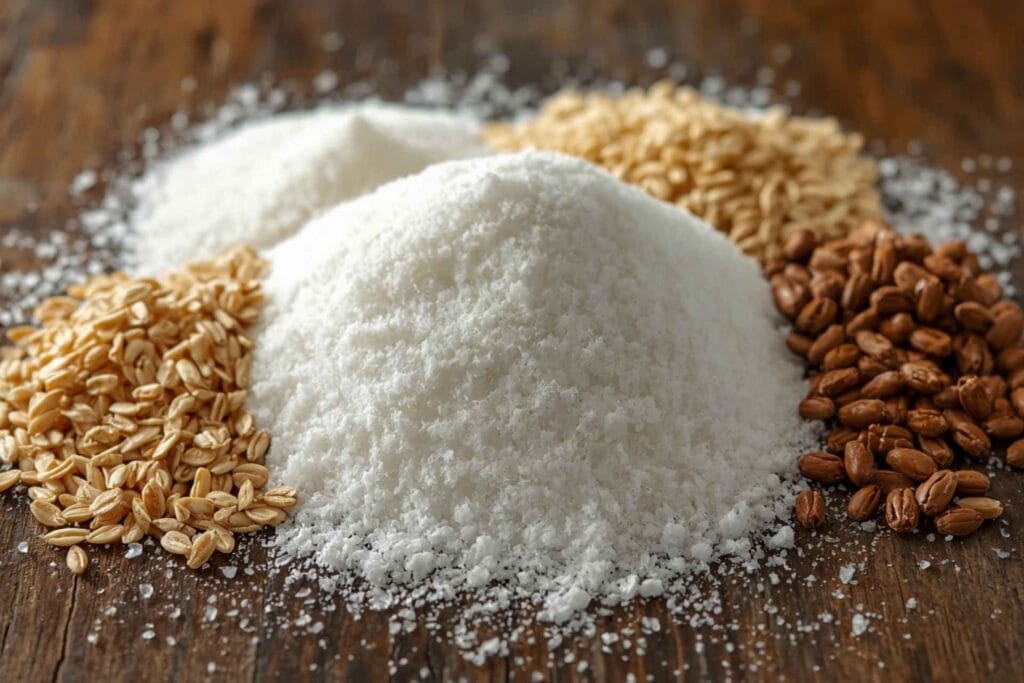
Grains, sugar, and starches are the main foods to avoid or limit on a keto meal plan for beginners because they are the fastest way to raise carb intake. That includes the obvious stuff like bread, pasta, rice, cereal, crackers, pastries, cookies, cakes, and regular breakfast foods made from flour. It also includes many foods that do not always look obviously carb-heavy at first glance, like tortillas, pretzels, granola, oatmeal, and rice-based meals. These foods can take up a big chunk of your daily carb limit very quickly, which is why they are usually the first things people cut back on when starting keto.
Sugar is its own category of trouble because it shows up everywhere. It is not only in desserts and candy. It can also appear in sauces, salad dressings, coffee drinks, yogurt, flavored snacks, and even foods that seem more savory than sweet. A beginner keto plan works best when you train yourself to spot sugar early instead of finding it after the fact. That habit makes your keto meal plan for beginners much easier to control because you are no longer relying on guesswork.
Starches deserve special attention because they are easy to underestimate. Potatoes, sweet potatoes, corn, peas, and many root vegetables may be healthy in other eating styles, but they are much harder to fit into keto because the carbs add up fast. That does not mean these foods are “bad.” It simply means they do not usually fit the structure of a keto meal plan for beginners very well. If your goal is to keep carbs low enough for ketosis, these foods are usually the first ones to limit.
A simple way to think about this is to ask one question before each meal: Does this food make my carb budget easier or harder to manage? Grains, sugar, and starches usually make it harder. That is why the beginning stage of keto is much smoother when you build meals around protein, fats, and low carb vegetables instead of trying to squeeze in traditional carb staples. The less you rely on those foods, the more stable your keto meal plan for beginners becomes.
Hidden carbs, sweeteners, and packaged foods

Hidden carbs are one of the biggest reasons beginners get frustrated. A food can look keto-friendly at first glance and still contain enough carbs to slow down your progress. That is why a keto meal plan for beginners should not depend too heavily on packaged foods. The cleaner and simpler the ingredient list, the easier it is to stay on track. When you lean mostly on whole foods, you remove a lot of the surprise factors that make keto confusing.
Packaged foods often contain ingredients that sound harmless but still contribute carbs. Things like maltodextrin, added sugar, corn syrup, starches, and certain flour-based thickeners can show up in products you would never expect. Salad dressings, sauces, flavored nut mixes, jerky, meal bars, soups, and even frozen meals can all hide these extra carbs. That is why label reading matters so much in a keto meal plan for beginners. If you do not check the label, you are basically guessing.
Sweeteners can be tricky, too. Some sugar-free products may fit a low carb plan, but not every sweetener works the same way, and not every product labeled “sugar-free” is truly low in carbs overall. It is easy to get pulled in by the idea that a product is automatically safe just because the front of the package looks keto-friendly. That is where beginners often slip. A stronger keto meal plan for beginners is built on foods you can recognize without needing a marketing claim to explain them.
Here are a few common categories where hidden carbs tend to show up:
- Bottled sauces and dressings
- Flavored yogurts
- Protein bars and snack bars
- Processed deli meats
- Packaged soups and frozen entrées
- Sugar-free treats that still contain carb-heavy fillers
The smartest habit is to slow down long enough to read the label before buying or eating. Check the serving size, total carbs, fiber, and ingredient list. If a product looks like it was designed to be a compromise, it probably is. That does not mean you can never use it, but it does mean you should treat it carefully. A keto meal plan for beginners works best when the majority of your food is simple, predictable, and easy to understand.
The more you reduce hidden carbs and packaged food confusion, the easier keto becomes. You stop spending so much energy decoding ingredients and start spending that energy on actually enjoying your meals. That is a huge shift for beginners. It turns the plan from a guessing game into a clear routine, which is exactly what a strong keto meal plan for beginners should do.
The 7-day starter menu
A keto meal plan for beginners works best when the first week is already decided for you. That is what makes a starter menu so helpful. Instead of waking up every morning and wondering what you should eat, you already have a clear path that keeps your meals simple, low-carb, and satisfying. This kind of structure lowers stress, saves time, and makes it much easier to stay consistent during the days when your motivation is still catching up.
The goal of this 7-day menu is not to be fancy. It is to be realistic. Each day gives you a practical mix of breakfast, lunch, dinner, and snack ideas that fit the flow of a beginner keto routine. You will notice that the meals repeat ingredients in smart ways, because repetition is not a flaw here. It is a shortcut. The more familiar your food choices become, the easier your keto meal plan for beginners is to follow without feeling overwhelmed.
Day 1
Start the first day with a breakfast that feels easy, not intimidating. Scrambled eggs with spinach and cheese are a strong choice because they come together fast and give you a good mix of protein and fat. For lunch, a chicken salad with avocado, cucumber, and olive oil dressing keeps things light but filling. Dinner can be baked salmon with roasted broccoli and a little butter or lemon on top. If you need a snack, keep it simple with olives, a cheese stick, or a few almonds.
Day 1 is really about setting the tone. You are showing yourself that a keto meal plan for beginners does not need complicated recipes to work. When the food is easy to recognize and easy to prepare, the whole plan feels much more manageable. That first day should leave you feeling confident, not confused.
Day 2
On Day 2, you can lean on a veggie omelet for breakfast. Add mushrooms, peppers, or feta if you want more flavor without adding much effort. Lunch can be turkey lettuce wraps with mayo, pickles, and sliced avocado on the side. For dinner, try garlic chicken thighs with cauliflower mash and green beans. A small bowl of plain Greek yogurt or a few cucumber slices with guacamole can work as a snack.
This is the kind of day that helps a keto meal plan for beginners feel normal. You are not eating strange food. You are just swapping the high-carb base for a lower-carb one. Lettuce replaces bread, cauliflower replaces potatoes, and simple fats help everything taste better.
That is the heart of beginner keto: small changes that add up to a big difference.
Day 3
Day 3 is a great time to use bacon and eggs for breakfast if that fits your taste. Add sautéed zucchini or spinach to make the plate feel more complete. Lunch can be tuna salad stuffed into avocado halves, which is quick, filling, and easy to pack if you need to eat on the go. Dinner can be beef stir-fry with broccoli and mushrooms, served with a low-sugar sauce. For a snack, try celery with cream cheese or a small handful of walnuts.
The reason this works so well in a keto meal plan for beginners is that every meal has a clear structure. Protein gives you staying power, vegetables add volume, and fats make the meal feel satisfying. You are not just trying to “eat less.” You are learning how to build meals that naturally fit the keto pattern.
Day 4
Breakfast on Day 4 can be as simple as sausage, eggs, and sautéed peppers. Lunch might be leftover chicken over a bed of greens with olive oil and lemon juice. For dinner, pork chops with roasted cauliflower and asparagus make a satisfying, low carb plate that still feels like real comfort food. If you need something between meals, hard-boiled eggs or cheese slices work well.
This is usually the point in a keto meal plan for beginners when the routine starts to feel more familiar. You may notice that you are not thinking about food as constantly because the meals are doing their job. That is a good sign. When a meal keeps you full and does not feel overly complicated, it becomes much easier to repeat it later in the week.
Day 5
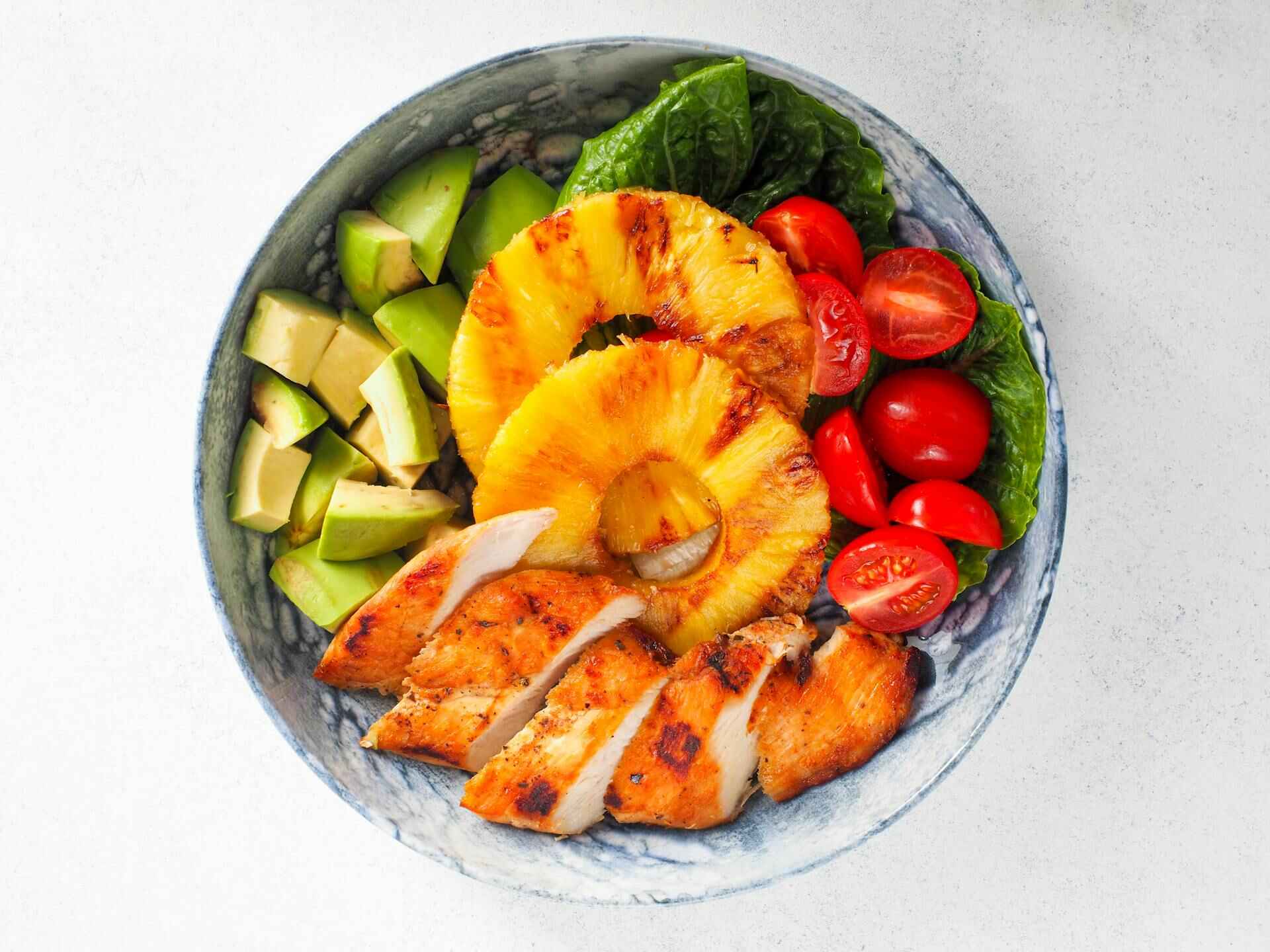
Day 5 can start with an egg bake or egg muffins if you want something that feels more meal prep friendly. For lunch, a Cobb-style salad with chicken, bacon, avocado, egg, and blue cheese gives you plenty of flavor and texture. Dinner can be shrimp cooked in garlic butter with zucchini noodles. If you need a snack, a few raspberries with whipped cream or some pecans can be a nice option in moderation. (18)
A keto meal plan for beginners should still feel enjoyable, and Day 5 is a good reminder that low carb eating does not have to be dull. You can still have meals that feel colorful and satisfying. The trick is simply to keep the ingredients aligned with the plan so you are getting variety without losing control of your carb intake.
Day 6
Breakfast on Day 6 can be fried eggs with avocado or a quick omelet made with leftover vegetables. Lunch can be leftover shrimp or chicken over salad greens with a simple dressing. Dinner might be meatballs with marinara served over sautéed cabbage or zucchini ribbons. If you want a snack, celery with tuna salad is an easy and filling choice.
This day shows how useful leftovers can be in a keto meal plan for beginners. You do not need a new recipe for every single meal. Sometimes the smartest move is to cook once and eat twice. That saves time, reduces stress, and makes it much easier to stay on track even when your schedule gets busy.
Day 7
On the last day of the starter week, keep things steady instead of trying to make everything perfect. A simple omelet with leftover vegetables and cheese works well for breakfast. Lunch can be a bunless burger with a side salad. Dinner might be roast chicken with Brussels sprouts or broccoli, finished with olive oil or butter. If you need a snack, stick to something you already know works well for you.
The final day of a keto meal plan for beginners should feel like a reset, not a finish line. You are not proving that you can follow a perfect diet for seven days. You are learning what works, what feels easy, and what you want to keep using next week. That mindset makes the plan much more sustainable in the long run.
Simple breakfast, lunch, dinner, and snack swaps
One of the easiest ways to keep a keto meal plan for beginners from feeling repetitive is to swap ingredients without changing the whole meal structure. That keeps things flexible while still protecting your carb goals. For example, eggs can be scrambled, baked, fried, or turned into an omelet. Chicken can become a salad topping, a lettuce wrap filling, or a dinner protein with roasted vegetables. The pattern stays the same, but the meal feels fresh.
Here are a few easy swaps that help keep the week interesting:
- Breakfast swaps: scrambled eggs, omelets, egg muffins, or hard-boiled eggs
- Lunch swaps: chicken salad, tuna salad, bunless burgers, or lettuce wraps
- Dinner swaps: salmon, pork chops, meatballs, stir-fry, or roasted chicken
- Snack swaps: cheese sticks, olives, nuts, cucumber slices, celery with dip, or avocado
This kind of flexibility matters because not every day will feel identical. Some mornings you will want something warm, while other days you will want something fast. A strong keto meal plan for beginners gives you enough structure to stay on track and enough flexibility to keep it realistic. That balance is what helps the plan last beyond the first week.
Grocery list, meal prep, and batch cook system
A strong keto meal plan for beginners becomes much easier when your grocery list and prep routine are already working in your favor. This is the part that turns keto from an idea into an actual habit. If the fridge is stocked with the right foods and a few basics are already cooked, you do not have to start from zero every time you get hungry. That alone can save a lot of time, stress, and unnecessary snacking.
The goal here is simple: make the easy choice the keto choice.
The best beginner setup is not a giant, complicated prep day that leaves you exhausted before the week even starts. It is a practical system built around foods you will actually use. That means shopping by category, cooking a few staples ahead of time, and keeping your prep routine simple enough to repeat next week. When you do that, your keto meal plan for beginners starts to feel less like effort and more like a rhythm.
Build a beginner shopping list by category
The easiest way to shop for a keto meal plan for beginners is to break everything into categories. That keeps the store trip focused and prevents the common mistake of buying random keto-friendly items without a plan. When you shop with structure, it becomes much easier to build meals later because every item in your cart has a purpose.
Here is a simple beginner shopping list by category:
- Proteins: eggs, chicken thighs, chicken breasts, ground beef, turkey, salmon, tuna, shrimp, pork chops, bacon
- Vegetables: spinach, lettuce, broccoli, cauliflower, zucchini, cucumber, mushrooms, asparagus, green beans, cabbage, peppers
- Fats and oils: olive oil, avocado oil, butter, ghee, mayonnaise, avocado, heavy cream
- Dairy: cheese, cream cheese, sour cream, plain Greek yogurt in moderation
- Pantry basics: salt, pepper, garlic powder, onion powder, paprika, Italian seasoning, broth, mustard, vinegar, low-sugar salsa
- Snacks and extras: olives, pickles, nuts, seeds, sugar-free condiment options, celery, cucumbers
This kind of list works because it keeps the focus on whole, simple foods instead of specialty products. That matters a lot in a keto meal plan for beginners because the more familiar the ingredients are, the easier it is to build meals you can repeat. You do not need twenty different sauces or a pantry full of unusual ingredients. You just need a small collection of foods that can mix and match into breakfasts, lunches, dinners, and snacks.
It also helps to think in terms of “ingredients that do multiple jobs.” Eggs can be breakfast, snacks, or part of a salad. Chicken can become dinner tonight and lunch tomorrow. Cauliflower can be roasted, mashed, or turned into rice. When your shopping list is built that way, your keto meal plan for beginners becomes more flexible without becoming more complicated.
Show how to prep proteins, vegetables, and snacks ahead of time
Meal prep is where a keto meal plan for beginners really starts to feel manageable. You do not need to cook every meal from scratch every day. In fact, the more you prep ahead of time, the easier it becomes to stay on track when your energy is low or your schedule is busy. Think of meal prep as a quiet helper in the background. It does the heavy lifting, so future you has fewer decisions to make.
A good place to start is with proteins. Choose two or three at the beginning of the week and cook them in simple ways. Bake a tray of chicken thighs, hard-boil a batch of eggs, brown some ground beef, or roast salmon for a couple of meals. Store everything in containers so you can grab it quickly. That way, you are not standing in the kitchen wondering what to make when you are already hungry. A prepared protein is one of the biggest confidence boosters in a keto meal plan for beginners.
Vegetable prep should be just as simple. Wash and chop leafy greens, cut cucumber slices, roast a tray of broccoli or cauliflower, and steam a few servings of zucchini or green beans. If vegetables are already cleaned and ready to use, you are much more likely to eat them. You can toss them into lunch bowls, serve them beside dinner, or use them as the base for a quick salad. That small amount of prep helps the whole week go more smoothly because the “hard part” is already done.
Snack prep matters too, especially for beginners who are still learning how to handle hunger between meals. Portion out nuts into small containers, boil a few eggs, slice celery and cucumber, or keep olives and cheese ready in the fridge. That gives you a quick option when you need something fast without reaching for high-carb convenience food. A smart keto meal plan for beginners includes snacks that are ready before you need them, not after you are already ravenous.
A simple batch cook system can look like this:
- Cook 2 proteins on Sunday or your busiest prep day.
- Roast or steam 2 to 3 vegetables.
- Wash and portion salad greens.
- Prep 2 to 3 grab-and-go snacks.
- Keep one or two sauces or dressings ready for flavor.
This kind of system works because it removes friction. You are not trying to become a full-time meal prep expert. You are just making the first few days of the week easier. That is exactly what a keto meal plan for beginners should do. It should support your habits, reduce decision fatigue, and make it easier to stay consistent without feeling boxed in.
Another helpful trick is to prep ingredients in a way that leaves room for variety. For example, plain chicken can become salad one day, lettuce wraps the next, and a bowl with roasted vegetables after that. Ground beef can turn into burger patties, taco bowls, or a skillet meal. This keeps the plan from feeling repetitive and makes your keto meal plan for beginners more sustainable over time.
The biggest win here is not perfection. It is readiness. When your fridge and freezer already contain the building blocks of your meals, keto stops feeling like a daily challenge. It starts feeling like a simple routine you can actually live with. That is the real power of a beginner-friendly grocery list and batch cook system.
Budget-friendly swaps and eating out
A keto meal plan for beginners does not have to drain your wallet. That is one of the biggest myths around low carb eating. People often assume keto means expensive specialty products, fancy snack bars, and a fridge full of hard-to-find ingredients, but that is not really how a beginner's plan needs to look. In reality, some of the most affordable keto foods are also the simplest: eggs, ground meat, chicken thighs, canned tuna, cabbage, cauliflower, spinach, and frozen vegetables. When you build your meals around these basics, the whole plan becomes much easier to sustain.
Budget-friendly keto is really about choosing ingredients that give you the most value for your money. You want foods that are filling, flexible, and easy to use in more than one meal. That is why the smartest keto meal plan for beginners usually starts with staple ingredients instead of trendy products. A cart full of simple foods can stretch much further than a cart full of packaged “keto” items that only work once or twice. The goal is not to buy the most exciting ingredients. The goal is to buy the ingredients that help you stay consistent without overspending.
Suggest lower-cost ingredient choices
If you want to keep your keto meal plan for beginners affordable, start by focusing on budget-friendly proteins. Eggs are usually one of the cheapest and most useful options because they can work for breakfast, lunch, dinner, or snacks. Ground beef, chicken thighs, canned tuna, canned salmon, pork, and turkey are also practical choices because they are easy to cook in batches and can be turned into several different meals. You do not need expensive cuts of meat to eat well on keto. You just need ingredients that are filling and versatile enough to show up in more than one dish.
Vegetables can also be budget-friendly if you choose the right ones. Cabbage, lettuce, cucumbers, zucchini, cauliflower, spinach, and frozen broccoli are often easier on the budget than specialty vegetables or pre-cut produce. Frozen vegetables are especially helpful because they last longer and reduce waste. That matters a lot in a keto meal plan for beginners because food waste can quietly turn a low-cost plan into an expensive one. If you keep a few frozen vegetables in the freezer, you always have an easy side dish ready to go.
Dairy and pantry items can help stretch meals, too, but it is best to use them in a smart way. Cheese, sour cream, butter, and mayonnaise can add flavor and satisfaction without requiring large amounts. The same is true for olive oil, vinegar, mustard, and seasonings. A small amount of a good ingredient can transform a plain meal into something you actually look forward to eating. That is a big win when you are trying to build a keto meal plan for beginners that is both satisfying and affordable.
Here are a few easy budget swaps that help keep costs down:
- Use eggs instead of pricier breakfast meats every day.
- Choose chicken thighs instead of more expensive cuts of chicken.
- Buy ground beef or turkey for burgers, bowls, and skillet meals.
- Use frozen broccoli or cauliflower instead of pre-cut specialty items.
- Swap fancy snack foods for cheese, olives, boiled eggs, or cucumber slices.
- Buy whole vegetables and chop them yourself instead of paying more for convenience.
The smartest budget trick is to keep your meals simple enough that ingredients overlap. If chicken shows up at lunch and dinner, that is not boring. That is efficient. A strong keto meal plan for beginners should feel sustainable enough that you can repeat it without worrying about whether every meal needs to be brand-new or expensive.
Show how to order keto-style meals in restaurants
Eating out is another place where a keto meal plan for beginners can stay affordable and realistic. You do not have to avoid restaurants just because you are eating low carb. The trick is to order in a way that keeps the meal simple and skips the extras that add unnecessary carbs. Most restaurants already have foods that can be adapted to keto if you know what to ask for. That means you can still enjoy a meal out without turning your whole day into a carb gamble.
A good rule of thumb is to build your order around protein and vegetables. Think grilled chicken, steak, burgers without the bun, salmon, eggs, or shrimp. Then ask for low carb sides like salad, steamed vegetables, broccoli, asparagus, or extra greens instead of fries, rice, bread, or mashed potatoes. This keeps your meal closer to the structure of a keto meal plan for beginners while still letting you eat out comfortably. The less complicated your order is, the easier it is for the kitchen to get it right.
Sauces and dressings are where you need to pay attention. Many restaurant dishes look keto-friendly until the sauce shows up. Creamy sauces, glazes, marinades, and dressings can sometimes contain added sugar or starch. A simple solution is to ask for sauces on the side so you can control how much you use. That small habit makes a big difference in a keto meal plan for beginners because it helps you stay in charge of what is actually on your plate.
A few simple restaurant ordering ideas include:
- Breakfast: omelet with cheese and vegetables, bacon or sausage on the side, no toast or hash browns
- Burger places: bunless burger with cheese, lettuce, tomato, pickles, and a salad or veggie side
- Steakhouse: steak with broccoli, asparagus, or salad instead of potatoes
- Seafood restaurants: grilled salmon or shrimp with vegetables and butter
- Casual dining: grilled chicken salad with dressing on the side
- Fast food: bunless sandwich or burger, no fries, and a side salad if available
It also helps to speak clearly and keep the request simple. You do not need to over explain that you are doing keto. Just ask for the food in the form you need it. “Can I get this without the bun?” or “Can I swap the fries for vegetables?” is usually enough. When you keep the order direct, you reduce confusion and make it easier to stay aligned with your keto meal plan for beginners.
Another useful tip is to scan the menu before you arrive, if possible. That gives you time to choose the best option instead of making a rushed decision when you are hungry. Planning is one of the easiest ways to stay on track in any keto meal plan for beginners, especially when eating out. A little preparation can turn restaurant meals into part of your routine instead of a source of stress.
The best part is that eating out does not have to feel limiting. You can still enjoy social meals, family dinners, and quick stops at restaurants if you keep your choices simple and intentional. A budget-friendly keto meal plan for beginners is not about saying no to everything. It is about learning how to say yes in a smarter way.
Common beginner mistakes and keto flu troubleshooting
A keto meal plan for beginners can work well, but the first week is also where a lot of people trip over the same avoidable mistakes. That is actually good news, because it means the problems are usually predictable and fixable. Most beginner issues are not proof that keto “isn’t working.” They are usually signs that the body is adjusting, the meal plan needs a small tweak, or a few basics got overlooked. Once you know what to watch for, the whole process feels much less mysterious.
The most common mistake is starting too aggressively and expecting the body to adapt instantly. Another big one is forgetting that hydration, electrolytes, and fiber matter just as much as carb control. A keto meal plan for beginners should not be so strict that it leaves you feeling depleted. It should support your body while it changes, not drain it.
Electrolytes, hydration, and fiber
When people talk about keto flu, they are usually talking about a temporary adjustment period that can happen when carbs drop quickly. That is where hydration and electrolytes become especially important. As your body shifts away from its usual carb-based routine, it may also shed more water and minerals than usual. That can leave you feeling tired, foggy, cranky, or just “off” for a few days. A smart keto meal plan for beginners expects that adjustment and builds in ways to support it.
Hydration is the simplest place to start. Drink water regularly throughout the day instead of waiting until you feel thirsty. That sounds basic, but it makes a bigger difference than many beginners expect. If meals are lower in carbs and your body is adjusting to a new fuel pattern, drinking enough water can help you feel more stable. Some people also find that lightly salted foods or broth can help them feel more comfortable during the transition. The key is not to ignore thirst and not to assume that fatigue is just something you have to push through. (19)
Electrolytes are another big piece of the puzzle. Sodium, potassium, and magnesium all matter when you are eating low carb, because the body may lose more of these minerals during the early days of keto. That is one reason some beginners feel headaches, weakness, or muscle cramps. A thoughtful keto meal plan for beginners includes foods that can help support mineral balance, like leafy greens, avocado, broth, seeds, and well-seasoned meals. It is not about chasing supplements blindly. It is about recognizing that your body may need a little extra support while it adjusts.
Fiber matters too, and people often forget that part. When someone cuts carbs, they may also accidentally cut the foods that keep digestion moving comfortably. That is why low carb vegetables are so important. Spinach, broccoli, cauliflower, zucchini, cabbage, and cucumbers can all help add bulk and variety to meals. If a beginner keto plan becomes too heavy on meat and cheese without enough vegetables, digestion can start to feel sluggish. A balanced keto meal plan for beginners should still include enough fiber-rich vegetables to keep things from feeling backed up or overly heavy.
A few simple habits can help a lot during the first week:
- Drink water consistently throughout the day.
- Salt food to taste instead of avoiding seasoning.
- Include low carb vegetables in at least one or two meals daily.
- Choose broth or mineral-rich foods if you feel drained.
- Keep meals simple so your body is not adjusting to too many changes at once.
The big idea here is that keto works better when it is supported, not forced. Hydration, electrolytes, and fiber are not tiny side notes. They are part of what helps a keto meal plan for beginners feel livable instead of miserable. When these basics are in place, the first week usually feels much more manageable.
When to slow down or adjust
There is a difference between normal adjustment and a plan that needs to be modified. A keto meal plan for beginners should challenge your habits, but it should not leave you feeling worse every day. If you are tired, dizzy, unusually weak, or uncomfortable for more than a short adjustment window, that is a sign to slow down and reassess. The point is not to force yourself through discomfort just because the internet says keto is supposed to be hard.
One of the most common reasons people need to adjust is that they changed too much at once. They cut carbs sharply, skipped meal planning, did not drink enough water, and underate because they were unsure what counted as keto. That can make the first week feel much harder than it needs to be. A better keto meal plan for beginners starts with small, clear changes and gives the body time to settle. If the approach feels too extreme, scaling back a little can make the process much more sustainable.
You may also need to adjust if your meals are too repetitive or too low in nutrients. Sometimes, beginners focus so much on cutting carbs that they forget about overall balance. That can lead to meals that are technically keto but not very satisfying. If that happens, add more vegetables, improve the quality of your protein, or include more healthy fats in a measured way. A good keto meal plan for beginners should help you feel fuller and more stable, not constantly like you are “making do.”
Another important reason to pause or adjust is if the plan is interfering with your daily life. If you are constantly thinking about food, feeling stressed around meals, or struggling to function normally, that is worth paying attention to. Keto should not take over your entire mental space. It should fit into your life in a way that feels clear and manageable. A beginning plan that creates too much friction may need to be simplified, not forced.
Here are a few signs that it may be time to slow down or make changes:
- You feel drained for several days in a row.
- You are getting frequent headaches or muscle cramps.
- You are not drinking enough water or eating enough vegetables.
- Your meals feel too restrictive to follow consistently.
- The plan is causing more stress than support.
- You are unsure whether keto is appropriate for your health situation.
The most important thing to remember is that flexibility is not failure. A keto meal plan for beginners should help you learn what works, not punish you for being new. If you need to adjust the carb level, add more hydration, or step back and reconsider whether keto is the right fit, that is a smart move, not a setback. The goal is to find a plan you can actually live with.
The Bottom Line
A successful keto meal plan for beginners is not about chasing perfection. It is about building a simple routine you can repeat: choose low carb proteins, add non-starchy vegetables, use fats for flavor and fullness, and keep an eye on hidden carbs in labels and sauces. The most helpful beginner plans are the ones that reduce stress instead of adding more of it. That is why the best keto starter guide is the one that feels realistic on a random Tuesday, not just impressive on paper.
If you remember only one thing, make it this: a keto meal plan for beginners works best when it is simple, flexible, and built from foods you actually enjoy. Start with a 7-day rhythm, keep your grocery list short, and give yourself time to adapt. Once the basics click, keto stops feeling like a challenge and starts feeling like a system. That is where momentum begins.
FAQs
How many carbs should a beginner eat on keto?
Most beginner keto guides land somewhere between 20 and 50 grams of carbs per day, with some healthy keto meal plans setting net carbs at around 50 grams daily. The exact number can vary from person to person, which is why it helps to start with a clear target and adjust based on how your body responds. A keto meal plan for beginners should give you a range to work with, not a number to obsess over.
What are the best first foods to buy for keto?
A beginner-friendly shopping list usually includes eggs, chicken, ground beef, salmon, canned tuna, olive oil, avocado, butter, cheese, spinach, broccoli, cauliflower, zucchini, mushrooms, nuts, and seeds. These foods make a keto meal plan for beginners easier because they are simple, filling, and easy to combine in different meals. If you keep the first grocery trip boring in a good way, the rest of the week becomes much smoother.
Is keto flu normal at the beginning?
It can happen when carb intake drops quickly. Harvard describes keto flu as a cluster of symptoms such as headache, fatigue, irritability, nausea, sleep trouble, and constipation that may appear in the first week or so. A keto meal plan for beginners should account for that adjustment period by emphasizing water, simple meals, and enough fiber-rich low carb vegetables.
Can I do keto without tracking every bite?
Yes, some people can. Diet Doctor notes that counting carbs can help at first, but you may be able to stay keto without strict tracking if you keep choosing the right foods. For many people, the best keto meal plan for beginners is the one that starts with structure and gradually becomes more intuitive. Tracking can be a training wheel, not a lifelong obligation.
How do I know if keto is not a good fit for me?
If you have a medical condition, take medication that affects blood sugar, are pregnant or breastfeeding, or simply feel unwell and stressed on the plan, it is worth checking in with a clinician. Mayo Clinic and Cleveland Clinic both stress that keto is restrictive and not right for everyone. A good keto meal plan for beginners should support your health, not create unnecessary strain.


0 Comments