
If you have ever stood in front of the pantry wondering what to eat that will not wreck your day, low carb snacks are probably already on your radar. The tricky part is that not every snack labeled “keto,” “protein,” or “healthy” actually earns its place in your routine. The best low carb snacks do more than keep carbs low; they should also help you feel satisfied, support steady energy, and taste good enough that you actually want them again tomorrow.
Recent nutrition guidance keeps circling back to the same smart formula: build snacks around protein, healthy fats, and fiber, then keep an eye on serving size and added sugars.
Why This Topic Matters
Hunger has a sneaky way of showing up at the worst possible time. One minute you are focused and productive, and the next you are staring into the pantry hoping something quick, satisfying, and not too heavy on carbs will magically appear. That is exactly why low carb snacks have become such a popular go-to for busy people who want convenience without the crash. They are the practical middle ground between skipping food altogether and reaching for something sugary that leaves you hungry again an hour later. (1)
The real reason this topic matters is simple: snacking is not just about taking the edge off. It is about making better choices when your energy dips, your schedule gets chaotic, or your next meal is still far away. The best low carb snacks do more than keep your carb count in check. They help you stay full, support steadier energy, and make it easier to stay consistent without feeling deprived. That balance is what turns a snack from a random bite into a smart strategy.
“Healthy” matters just as much as “low carb” because not every low carb option is actually a good choice. A snack can technically fit your carb target and still be loaded with sodium, artificial ingredients, or empty calories that do not do much for your body. That is why this article focuses on low carb snacks that are both satisfying and sensible. The goal is not just to eat fewer carbohydrates. The goal is to choose foods that help you feel better, stay full longer, and avoid the constant cycle of hunger and snacking.
Another reason this topic is so useful is that most people do not need complicated snack ideas. They need realistic ones. You need snacks you can pack in a lunchbox, grab from the fridge, keep in your bag, or put together in five minutes or less. That is where low carb snacks really shine. They can be as simple as boiled eggs, cheese, nuts, vegetables with dip, or a few berries with yogurt. No fancy cooking. No long ingredient list. Just simple food that fits into real life.
This guide will walk you through the best low carb snacks for everyday use, along with how to choose them, how to portion them, and how to keep them interesting so you do not get bored. You will see snack ideas built around protein, healthy fats, fiber, and freshness, because those are the pieces that usually make a snack actually satisfying. We will also look at easy grab-and-go options, smart ways to prep ahead, and simple combinations that keep carbs low without making snack time feel restrictive. (2, 3)
So if you have ever felt stuck between wanting something tasty and wanting to stay on track, this is for you. The good news is that low carb snacks do not have to be bland, complicated, or repetitive. With the right mix of foods and a few smart habits, snacking can feel easy again.
What Under 5g Net Carbs Really Means
When people talk about low carb snacks, the phrase “under 5g net carbs” comes up all the time. It sounds simple, but it helps to know what it actually means before you start choosing snacks based on the number alone. In plain English, this target usually means the snack is designed to keep digestible carbs very low while still giving you enough satisfaction to hold you over between meals. That makes it a very useful range for people who want to stay mindful of carbs without turning snack time into a math problem.
This number matters because snacks can add up fast. A small handful of something here, a flavored yogurt there, and suddenly your “tiny snack” is no longer tiny at all. Keeping low carb snacks under 5g net carbs gives you more control, especially if you are trying to stay within a tighter eating pattern. It also helps you choose foods more intentionally instead of grabbing whatever is convenient and hoping it fits.
Net carbs explained
Net carbs are the carbs your body is most likely to digest and absorb. The basic idea is easy: total carbs minus fiber equals net carbs. Fiber is removed from the count because your body does not break it down the same way it does starch or sugar, so it does not usually have the same impact on blood sugar or carb intake. That is why fiber-rich foods often show up in the best low carb snacks. (4, 5, 6)
Sugar alcohols can make the calculation a little more confusing. Some products subtract all sugar alcohols, while others only subtract certain types depending on how they affect the body. That is one reason label reading matters so much. A snack may look low in carbs on the front of the package, but the nutrition panel and ingredient list tell you what is really going on. If you want low carb snacks that work well in real life, the label should always be your starting point, not the marketing claim on the front.
Here is the simplest way to think about it. If a snack has 8g total carbs and 4g fiber, the net carbs are usually considered 4g. That means it may fit nicely into a lower-carb plan. But the number alone is not the whole story. A snack with 4g net carbs can still be less helpful than one with the same carb count but more protein, better ingredients, and greater staying power. That is why smart snack choices go beyond a single number. (7)
Healthy vs merely low carb
This is where a lot of people get tripped up. A snack can absolutely fit the carb limit and still not be a good choice overall. That is the difference between something that is merely low carb and something that truly supports your health goals. One snack may technically stay under 5g net carbs, but if it is mostly processed ingredients and does not satisfy your hunger, it is not doing much for you. (8, 9, 10)
A healthier snack does more than keep carbs low. It gives you a mix of protein, fiber, micronutrients, and quality fats that help your body feel fueled instead of just briefly entertained. Protein helps with fullness. Fiber helps slow things down and can make the snack more balanced. Micronutrients matter because food should do more than fill space; it should also contribute useful vitamins and minerals.
That is why the best low carb snacks often look simple: eggs, cheese, nuts, vegetables, yogurt, avocado, or tuna. They may not be flashy, but they tend to work.
Ingredient quality matters too. A snack made with a long list of additives, fillers, or sugar substitutes may still qualify as low carb, but that does not automatically make it a smart everyday choice. The goal is not to collect snacks that merely fit a rule. The goal is to build a snack routine that feels sustainable, satisfying, and easy to repeat. That is the real value of low carb snacks done well.
Think of it like this: low carb is the filter, but healthy is the finish. If a snack passes the carb test but leaves you hungry, unsatisfied, or reaching for another snack ten minutes later, it has missed the point. The best choices are the ones that respect both your carb target and your body’s need for steady fuel. That is where low carb snacks become more than a trend and start becoming a genuinely useful part of your day. (11, 12)
Best Healthy Low Carb Snacks Categories
When you start building a snack routine around low carb snacks, the easiest path is to group foods by category. That way, you are not reinventing the wheel every time hunger shows up. Some categories work best when you want something rich and filling, while others are better for crunch, freshness, or portability. The goal is not just to keep carbs low. It is to make snacking feel simple enough that you will actually stick with it.
The best part is that healthy low carb snacks do not need to be complicated. In fact, the simplest categories are often the most reliable ones. Eggs, dairy, nuts, seeds, meat, vegetables, fruit, and shelf-stable foods each bring something different to the table. Once you know how to use them, snack time stops feeling random and starts feeling like a system.
Eggs and dairy
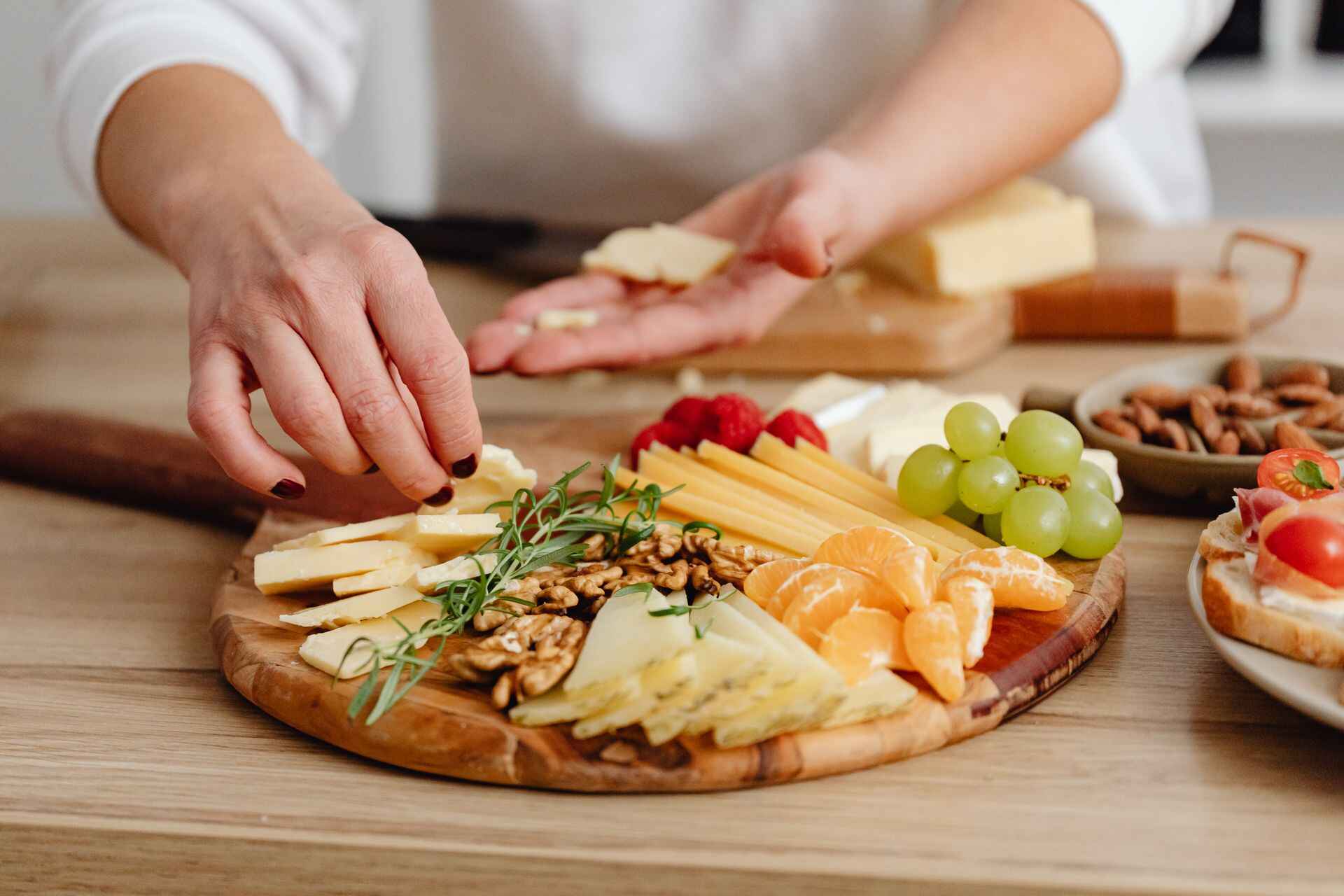
Eggs and dairy are some of the most dependable low carb snacks because they are naturally filling and easy to portion. Boiled eggs are a classic example. They are small, portable, and high in protein, which makes them feel much more substantial than their size suggests. Deviled eggs are another smart option when you want something a little more flavorful without moving away from the low carb lane. They feel a little more special, but they still fit neatly into a practical snack plan. (13)
Cheese sticks are popular for a reason. They are easy to grab, easy to store, and easy to keep within portion limits. That matters because one of the biggest strengths of low carb snacks is convenience, and cheese delivers on that without much effort. Cottage cheese also deserves a spot here because it has a creamy texture and a satisfying protein content that can help hold you over between meals. Greek yogurt, especially plain unsweetened versions, can also work well when you want something cool, smooth, and slightly tangy.
What makes eggs and dairy especially useful is that they do not require much planning. You do not have to chop much, cook much, or mix much. A boiled egg and a cheese stick can be ready in seconds. A cup of cottage cheese can be portioned ahead of time. Greek yogurt can be paired with a few berries or seeds for a snack that feels balanced without becoming fussy. These are the kinds of low carb snacks that help busy people stay on track because they work in real life, not just on paper.
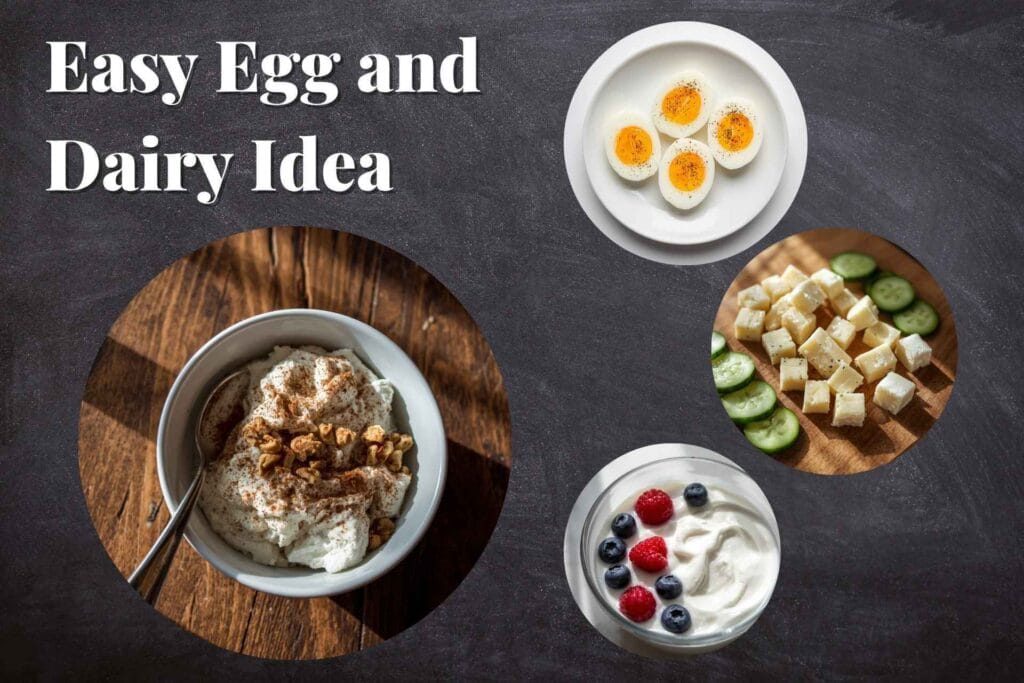
A few easy egg and dairy ideas include:
- hard-boiled eggs with pepper
- cheese cubes with cucumber slices
- plain Greek yogurt with a few berries
- cottage cheese with cinnamon or chopped walnuts
These are all classic low carb snacks because they are simple, quick, and easy to portion before you get overly hungry.
Nuts and seeds
Nuts and seeds are another major category of low carb snacks, but this is where portion size really starts to matter. Almonds, pecans, walnuts, macadamias, pumpkin seeds, and chia-based snacks can all fit into a low carb plan, but they are more calorie-dense than many people realize. That is not a bad thing. It just means they are best treated as a measured snack rather than a free-for-all. (14)
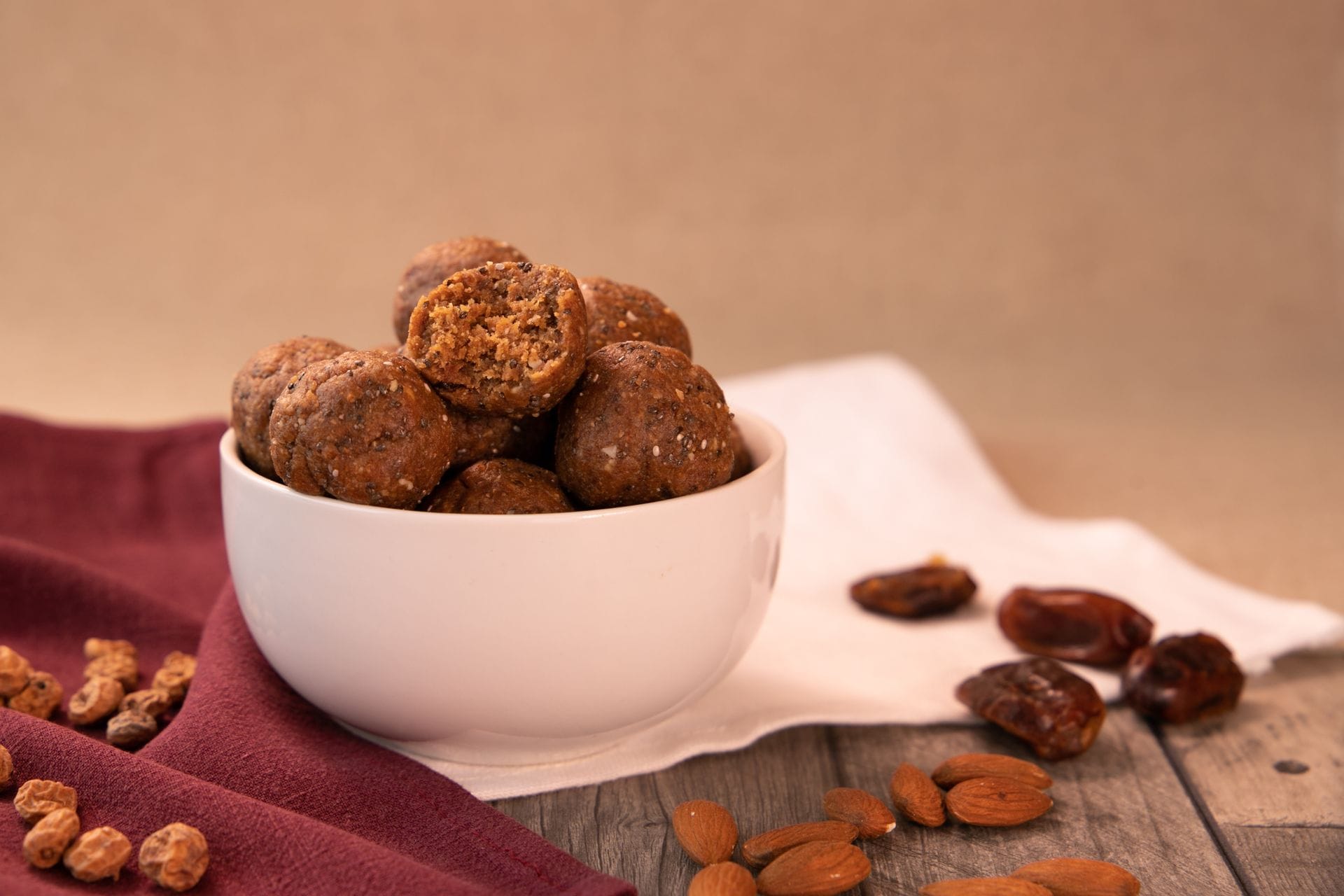
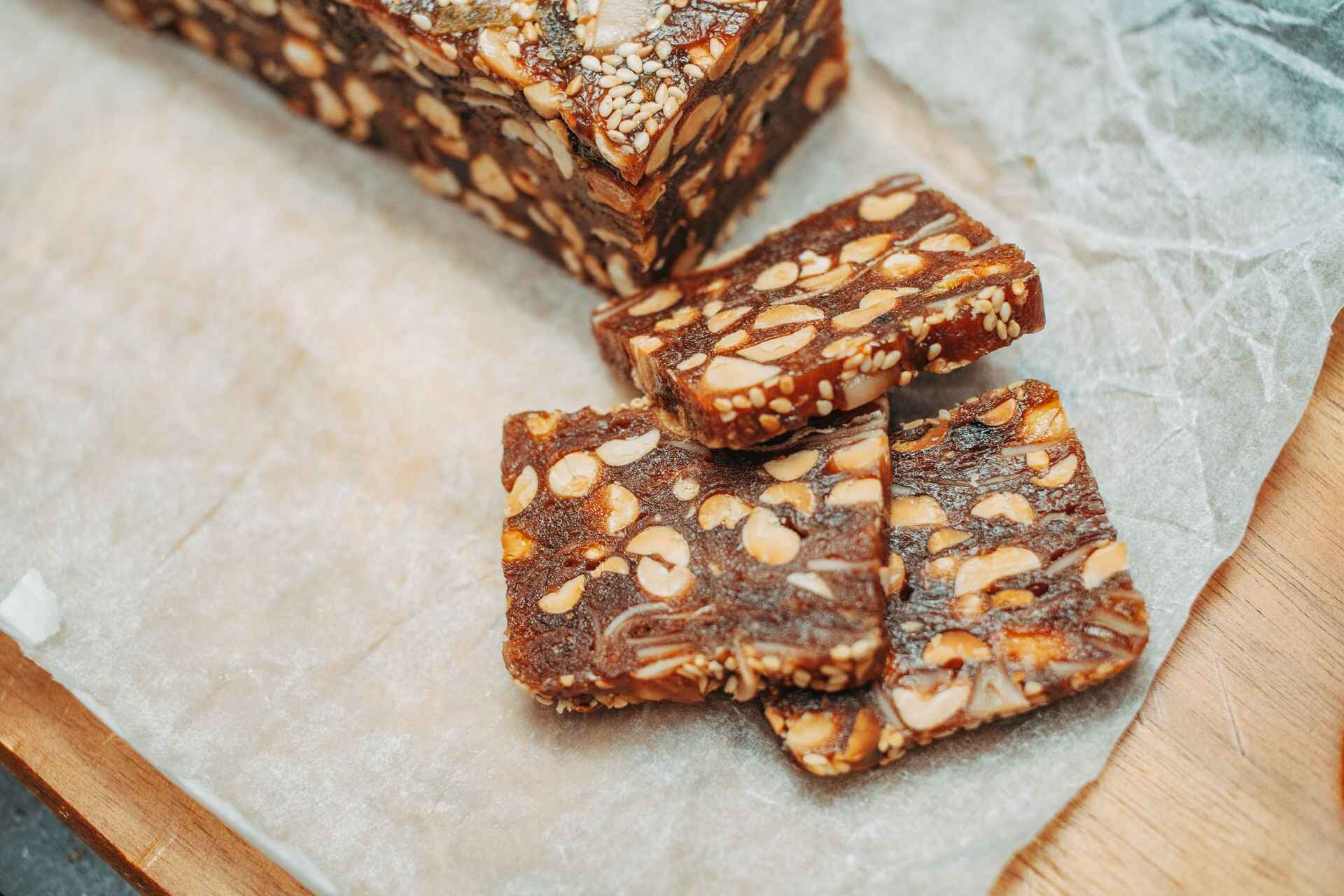
The reason nuts and seeds are so appealing is that they bring crunch, fat, and a bit of protein in one small package. They feel satisfying in a way that many processed snacks do not. A small handful of pecans or walnuts can make an afternoon snack feel complete. Macadamias are especially popular for low carb eating because they tend to be lower in carbs than many other nuts. Pumpkin seeds bring a nice savory crunch, and chia snacks can add texture while also helping create more staying power. (15, 16)
The catch is that it is very easy to eat more than you intended. A snack bowl can disappear quickly, especially if you are distracted. That is why portioning matters so much with low carb snacks in this category. A pre-portioned bag or a small container is usually a better choice than grabbing from a large jar or bag. If you want nuts and seeds to support your goals, treat them like a tool, not a background habit. That one mindset shift can make a huge difference.
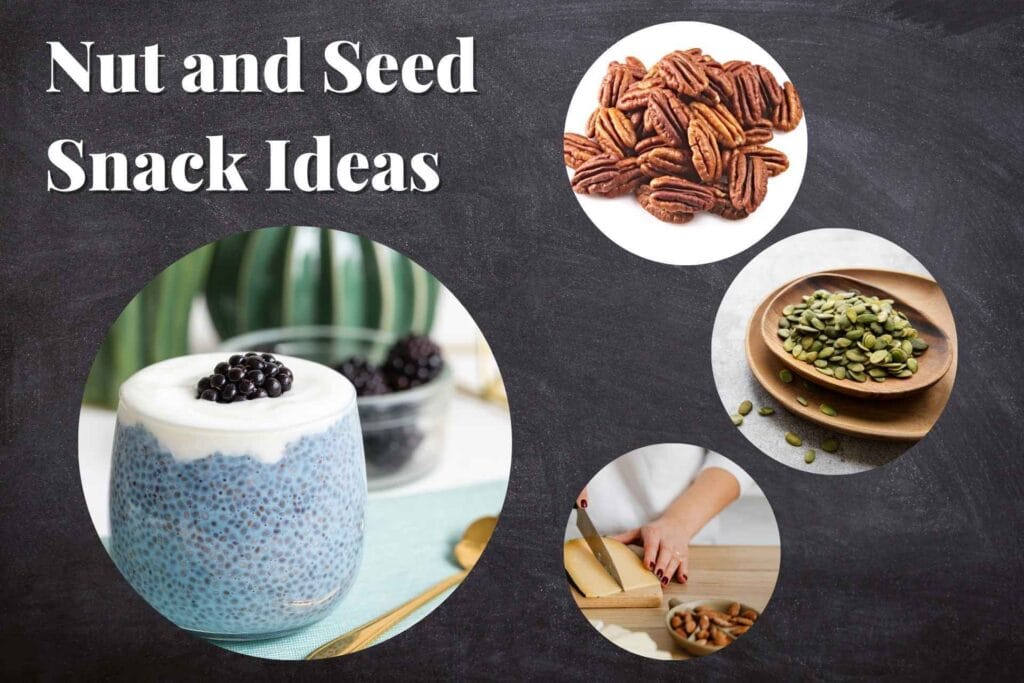
Good nut and seed snack ideas include:
- a small handful of pecans
- pumpkin seeds with sea salt
- almonds paired with a cheese stick
- chia pudding made with unsweetened milk
These are the kinds of low carb snacks that feel grown-up, practical, and easy to keep in a desk drawer or bag.
Meat, poultry, and seafood
If your goal is to feel full for longer, meat, poultry, and seafood are among the strongest low carb snacks you can choose. Turkey roll-ups, sliced chicken, tuna pouches, salmon packets, and jerky all bring a high-protein approach that works especially well when you need something more substantial. These snacks are a good fit for people who get hungry fast or who need something that can carry them through a long stretch between meals. (17, 18)
Turkey roll-ups are a great example because they are simple, customizable, and easy to pack. You can wrap turkey around cheese, cucumber, or even a pickle spear if you want more flavor. Tuna pouches and salmon packets are especially useful because they are shelf-stable and travel-friendly, which makes them ideal for work, school, or travel days. Jerky is another portable option, but it is important to look at the label so you are not accidentally choosing one with added sugar or unnecessary fillers. (19)
What makes this category so helpful is its staying power. Many low carb snacks are good for light hunger, but protein-rich snacks tend to feel more complete. They can take the edge off in a useful way, not just temporarily. If you are someone who gets hangry between meals, this category may become your best friend. Just keep an eye on sodium and ingredient quality, especially with packaged options, so your snack stays as healthy as it is convenient. (20)
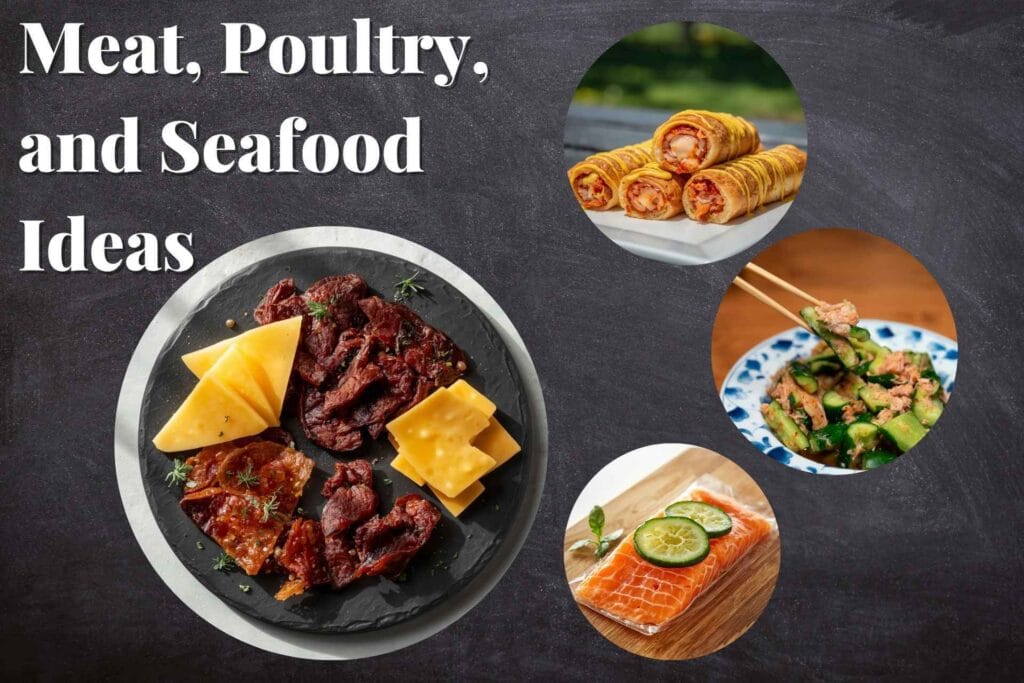
A few practical ideas:
- turkey roll-ups with mustard
- tuna with celery sticks
- salmon packet with cucumber slices
- low-sugar jerky with cheese
These snacks do not need a recipe to be useful, which is part of their charm. In the world of low carb snacks, convenience often wins.
Vegetables and dips
Vegetables and dips are where low carb snacks start to feel fresh and crunchy. Cucumber, celery, bell pepper, and zucchini all work beautifully here because they give you volume, texture, and a refreshing bite without a lot of carbs. That makes them ideal if you want something that feels light but still helps curb appetite. When paired with the right dip, these vegetables can go from basic to genuinely satisfying. (21, 22)
The trick is choosing dips that support your goals instead of sabotaging them. Cream cheese, guacamole, hummus in modest amounts, or a simple yogurt-based dip can work depending on your carb target. The key is balance. A crunchy vegetable by itself can feel a little too light, but once you add a dip, it becomes more satisfying and more snack worthy. That combination is one of the smartest ways to keep low carb snacks interesting without getting stuck in a rut. (23, 24)
If you miss the texture of chips or crackers, this category is especially useful. Celery with cream cheese gives you both crunch and creaminess. Bell pepper strips add color and sweetness without pushing carbs too high. Cucumber slices are refreshing and easy to pair with nearly anything. Zucchini rounds can be dipped or lightly seasoned for a simple snack plate. These are the kinds of low carb snacks that make healthy eating feel less like a restriction and more like a smart upgrade.
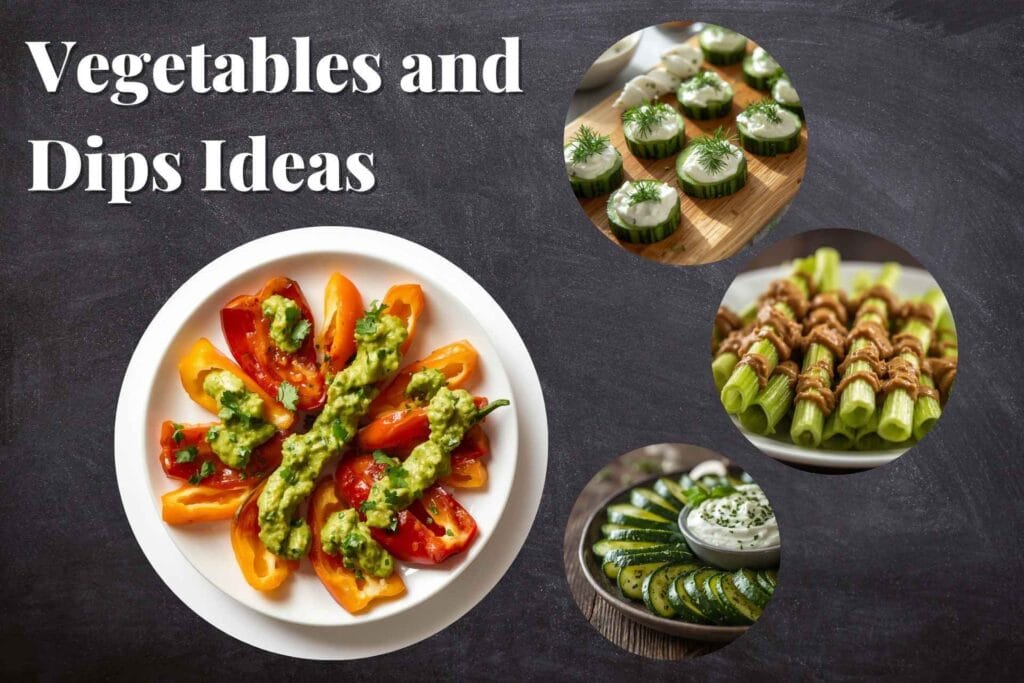
Easy vegetable based low carb snacks include:
- Cucumber slices with cream cheese
- Celery with almond butter
- Bell pepper strips with guacamole
- Zucchini rounds with herbed dip
These are the kind of snack ideas that feel light but still satisfying, which is a rare and valuable combination. (25)
Fruit and lightly sweet snacks
Fruit can absolutely fit into low carb snacks, but it usually needs a little more attention than vegetables or protein-heavy foods. Raspberries, blackberries, and strawberries are some of the best options because they offer sweetness, fiber, and a relatively modest carb load when portioned carefully. The main idea here is to treat fruit like an accent, not the entire snack. A small serving can satisfy a sweet craving without throwing off your whole day. (26)
Berries work so well because they feel like a treat. They taste fresh and bright, and they pair beautifully with yogurt, whipped cream, nuts, or cheese. That makes them especially useful when you want something a little more fun than a hard-boiled egg but still fits a lower-carb plan. A handful of raspberries with Greek yogurt can feel surprisingly luxurious. Strawberries with a few almonds can strike a nice balance between sweet and savory.
The reason fruit is more portion sensitive than other low carb snacks is simple: natural sugar adds up. Even healthy fruit contains carbohydrates, so the serving size really matters. That does not mean fruit is off-limits. It just means it works best when you keep the portion modest and pair it with something that helps slow digestion, like protein or fat. In other words, berries are a great supporting actor in a low carb snack routine, even if they should not always be the star.
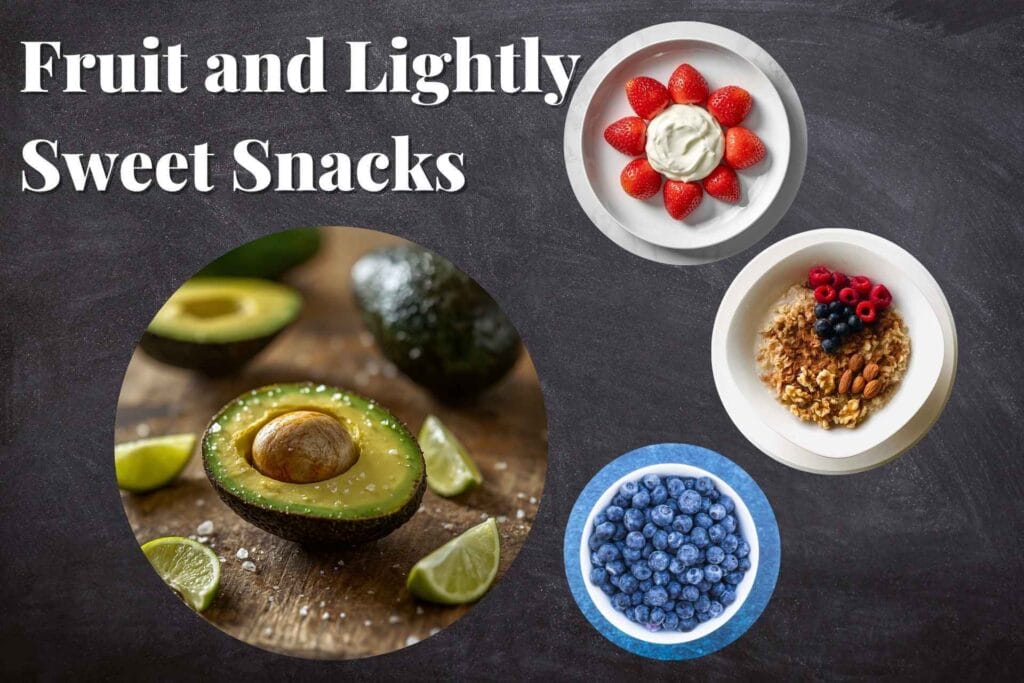
Fruit based low carb snacks that still fit the theme:
- strawberries with whipped cream or yogurt
- raspberries with a few almonds
- blueberries in a small measured serving
- avocado with lime and salt
That last one is worth highlighting because avocado is technically a fruit and still one of the best low carb snacks available. It is creamy, savory, and surprisingly filling for such a small carb load. (27)
Shelf-stable grab-and-go ideas
Shelf-stable snacks are the unsung heroes of low carb snacks because they save you when life gets messy. These are the options you keep in a desk drawer, backpack, purse, glove compartment, or carry-on bag so you are never completely stuck. When you are busy, traveling, or away from the fridge, convenience becomes everything. The best shelf-stable choices are the ones that require almost no thought but still support your goals.
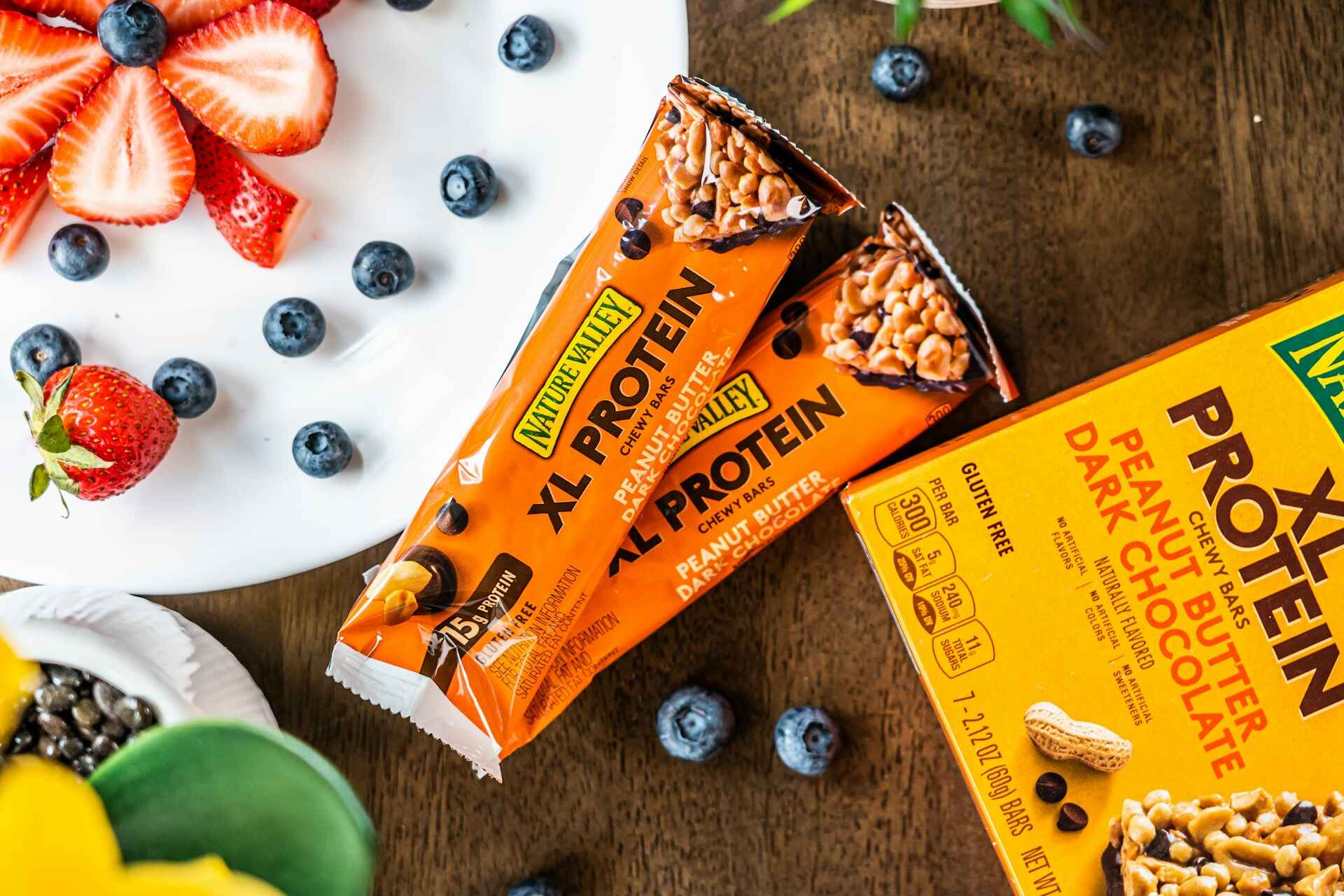
Good examples include single serve nuts, seeds, tuna pouches, jerky, shelf-stable cheese crisps, and small packets of nut butter. These are especially useful for school, work, and travel because they keep hunger from pushing you toward whatever random snack happens to be nearby.
That is the real power of low carb snacks: they help you stay prepared, so you are not relying on luck or willpower. (28)
A shelf-stable snack kit can make your whole week easier. You might keep one or two packs of almonds, a tuna pouch, a jerky stick, and a few seed packets in separate places so you always have a backup. That way, when hunger hits, you already have a plan. These kinds of low carb snacks are not glamorous, but they are incredibly practical. And when it comes to staying consistent, practical usually wins.
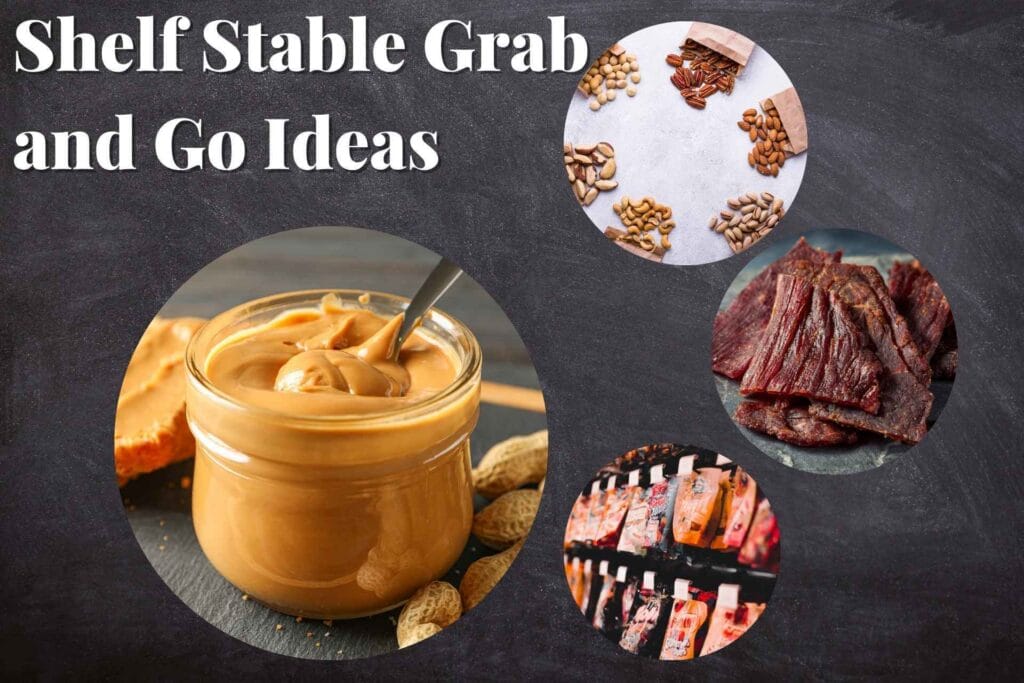
A practical shelf-stable list:
- almonds or pecans in portioned bags
- sugar-free jerky
- tuna packets
- single-serve nut butter
That is not flashy, but it is effective, and effective is what matters most when the goal is to stay consistent.
How to Choose, Prep, and Store Low Carb Snacks
Choosing the right low carb snacks is not just about picking foods with fewer carbs. It is about building a snack routine that is easy to repeat, easy to pack, and easy to trust. A snack only helps you if you actually eat it when hunger shows up, which is why preparation and storage matter just as much as flavor. The best low carb snacks are the ones that fit your schedule instead of forcing you to adjust your whole day around them.
That is where a little planning goes a long way. When you know how to read labels, prep a few snacks ahead of time, and store them safely, snacking becomes much less stressful. You stop guessing, stop grabbing random things, and start relying on simple foods that already fit your goals.
That is the sweet spot: practical, fast, and low effort without losing control of your carb intake.
Reading Labels and Serving Sizes
When you are shopping for low carb snacks, the nutrition label should be your first stop, not the flashy words on the front of the package. A package may say “keto,” “high protein,” or “sugar-free,” but those words do not always tell you whether the snack actually fits your plan. The label gives you the real story, and the first things to check are carbs, fiber, sugar, sodium, and ingredients. Those five details will tell you far more than the marketing ever will.
Start with total carbohydrates, then look at fiber. Fiber matters because it helps you understand how much of the carb count is coming from digestible carbohydrate versus non-digestible fiber. After that, check sugar and added sugar, because even a snack that looks low carb can still be sweet enough to make it less useful for steady energy. Sodium matters too, especially with cheese, jerky, packaged meats, and processed snacks, because it can climb quickly without you noticing. Ingredients matter because short, simple ingredient lists usually make it easier to spot hidden starches, sweeteners, or fillers.
Serving size is where people often get caught off guard. A snack may look like it has only a few carbs, but the package might contain two or three servings, not one. That means the carb math can change fast, especially with nuts, cheese crisps, yogurt, and packaged snacks that are easy to keep eating without realizing it. A tiny portion can fit comfortably into your plan, while a larger portion of the same snack can push you way past your target. That is why portion awareness is a huge part of successful low carb snacks.
A good habit is to ask one simple question before you buy anything: “What am I actually eating as one serving?” That question alone can save you from a lot of accidental overeating. It also helps you compare products more honestly. One snack may look similar to another, but if one serving is much smaller, the carb count can be misleading. Once you start reading labels this way, choosing low carb snacks becomes much easier and much more predictable.
Meal Prep and Batching
Meal prep is one of the easiest ways to make low carb snacks truly work in daily life. It does not have to be elaborate, and it does not need to take over your weekend. The goal is simply to create a few ready-to-eat options so that when hunger hits, you are not starting from zero. Even a small amount of prep can turn snacking from a random decision into a smooth habit.
The easiest system is to batch a few snack components instead of making full snack “recipes.” Hard-boil a batch of eggs. Wash and cut vegetables like cucumbers, celery, and bell peppers. Portion out nuts and seeds into small containers or bags. Keep cheese sticks, tuna packets, or yogurt cups ready in the fridge. When you combine those items, you suddenly have several days of low carb snacks without needing to cook every single day. (29)
A simple 3–5 day prep system can look like this:
- Make 6 to 8 boiled eggs
- Slice 2 or 3 vegetables for dipping
- Divide nuts into small single-serving portions
- Keep 2 to 4 protein-based snacks in the fridge
- Add one or two fruit portions, such as berries, if they fit your plan
That kind of prep keeps things realistic. You are not trying to build a perfect snack menu for the entire week. You are simply giving yourself enough options so that healthy eating feels automatic instead of exhausting. That is especially helpful during busy workdays, school weeks, or travel days when energy is low and convenience matters most.
Snack boxes are especially useful because they remove decision fatigue. You can build a few with eggs, cheese, cucumber, and a small portion of nuts. Or you can make a protein-focused box with turkey roll-ups, celery, and a dip. The point is to create combinations that you already know work well together. Once those boxes are ready, low carb snacks stop being a last-minute scramble and start becoming part of your routine.
Food Safety and Portability
Even the best low carb snacks are not helpful if they are stored poorly or packed unsafely. Food safety matters more than people think, especially when snacks include dairy, eggs, meat, or dips.
The general rule is simple: cold foods should stay cold, and snacks that need refrigeration should not sit out longer than necessary. That is why storage habits are part of the snack strategy, not an afterthought.
For bags, lunchboxes, and cars, the best approach is to think ahead about temperature. If your snack includes yogurt, cheese, eggs, chicken, or tuna salad, pack it with an ice pack or insulated container. For shelf-stable snacks like nuts, jerky, or single-serve seed packs, storage is easier, but it still helps to keep them in a cool, dry place. A car can get too hot very quickly, so even shelf-stable snacks are better off in a bag or container than loose in the glove box for long periods.
The best containers are leakproof, easy to open, and sized for single portions. Small containers work well for dips, nuts, chopped vegetables, and snack boxes because they help control portions and keep foods from mixing too early. If you like to prep low carb snacks ahead of time, containers with separate compartments can be a huge help. They keep crunchy foods crisp, wet foods contained, and everything much easier to grab on the go.
Here are a few simple storage habits that make a big difference:
- Keep refrigerated snacks in the fridge until the last possible moment
- Use insulated bags for work or school
- Pack cold packs with dairy, eggs, meat, or dip
- Store shelf-stable snacks in a dry drawer, backpack, or travel pouch
- Rotate older items first so nothing gets forgotten
Portability is where snack planning really pays off. The more convenient your low carb snacks are, the more likely you are to use them. That means the best snack plan is not the fanciest one. It is the one that survives real life. If you have food that is safe, portioned, and easy to grab, you are far more likely to stay consistent without feeling restricted.
The real win is this: once you know how to read labels, prep ahead, and store everything properly, low carb snacks become effortless. You no longer need to think about whether you have “good options.” You already do.
Snack Ideas That Actually Fit Under 5g Net Carbs
If you are trying to keep things simple, here are some easy low carb snacks that generally fit the under 5g net carb zone when portioned carefully:
- hard-boiled egg
- cheese stick or small cheese cubes
- celery with cream cheese
- cucumber slices with avocado dip
- a small handful of pecans
- a few strawberries with plain Greek yogurt
- tuna with mayo or avocado
- turkey roll-ups
- pumpkin seeds
- a few raspberries with almonds
These are not fancy, but they are realistic. And when it comes to low carb snacks, realistic is usually the thing that wins in the long run. Harvard’s recent snack guidance repeatedly reinforces that protein-rich, low carb choices are often the most satisfying, especially when paired with vegetables or a modest amount of fruit.
Why Low Carb Snacks Can Help You Feel Better Between Meals
The reason low carb snacks work so well for many people is simple: they tend to slow down the “I need food right now” feeling without giving you a sugar spike and crash. Protein, fat, and fiber are the three players most often mentioned in reliable nutrition guidance because they help with fullness and steadier energy. The NHS also notes that protein, fat, and fibre can affect how quickly carbohydrates are digested and absorbed, which is another reason smart snack pairing matters. (30)
That does not mean carbs are the enemy. It means the type of snack matters, especially if you are trying to stay within a tighter carb range. A snack made of mostly refined starch or sugar might feel good for a few minutes, but it usually does not carry you very far. By contrast, low carb snacks built from protein-rich foods, nuts, vegetables, and a small amount of fruit can feel like a sturdier bridge across the afternoon slump.
The Bottom Line
The best low carb snacks are the ones that fit your real life, not the ones that only look impressive in a shopping cart photo. Eggs, dairy, nuts, seeds, vegetables, berries, avocado, meat, and seafood all have a place here, as long as portions are sensible and the ingredients are clean enough to trust. When you keep the focus on protein, fiber, healthy fats, and label awareness, snack time gets much easier and much more satisfying.
If you remember just one thing, make it this: low carb snacks do not have to be complicated to work well. The best ones are usually the simplest ones, the kind you can prep once and rely on many times. That is what makes them practical, and practicality is what turns a good idea into a lasting habit.
FAQs About Low Carb Snacks
What snacks have under 5g net carbs?
Some of the easiest low carb snacks under 5g net carbs include hard-boiled eggs, cheese sticks, celery with cream cheese, a small portion of pecans, cucumber with avocado, and a few strawberries with plain Greek yogurt. The exact carb count depends on the serving size, so the Nutrition Facts label always matters. The safest approach is to build snacks around protein or fat, then add a small amount of fruit or vegetables for texture and flavor.
Are nuts good low carb snacks?
Yes, nuts can be excellent low carb snacks because they offer healthy fats, protein, and crunch. The catch is that they are easy to overeat, so portioning is important if you want to stay under 5g net carbs. Almonds, pecans, walnuts, and macadamias are all common choices, but the best one depends on the exact serving and the rest of your snack.
Is cheese a good snack on low carb?
Cheese is one of the most reliable low carb snacks because it is naturally low in carbohydrates and high in satisfaction. Harvard’s guidance specifically highlights cheddar as a low carb, protein-friendly snack, and pairing cheese with vegetables or a small amount of fruit can make it even better. Just keep an eye on portion size if you are watching calories or sodium, too.
What is the best low carb snack for weight loss?
The best low carb snacks for weight loss are usually the ones that combine protein, fiber, and healthy fat without a lot of added sugar. That often means eggs, Greek yogurt, tuna, turkey roll-ups, vegetables with dip, or small portions of nuts. The most important thing is not choosing the “perfect” snack once; it is choosing a snack that helps you stay consistent without feeling deprived.
Can you eat fruit on low carb?
Yes, but fruit should usually be portioned carefully if you are focusing on low carb snacks. Berries are the best fit for many low carb plans because they offer flavor, fiber, and a lower carb load than many other fruits. Pairing fruit with protein or fat, such as yogurt, nuts, or cheese, often makes the snack more satisfying and easier to keep in range.

0 Comments