
Low Carb & Keto Diet Side Effects — Symptoms, Timeline, Prevention & Safe Alternatives
Worried about keto side effects like keto flu, constipation, hair loss, high cholesterol, or kidney issues? This evidence-backed guide explains common symptoms, how long they last, practical fixes, who should avoid keto (including people with diabetes), and safe steps to reduce risks.
Quick summary
This guide explains the most common short- and long-term side effects of ketogenic and low-carb diets (keto flu, GI issues, cholesterol changes, kidney stones, hair loss, fertility concerns), how long the transition symptoms usually last, practical prevention and rapid relief strategies, and when to see a clinician. Sources include reviews and major medical organizations.
What are the common keto diet side effects?
When people shift from a higher-carb diet to a ketogenic (very low carb, high fat) or strict low-carb plan, several side effects may appear. The most frequently reported short-term issues are the “keto flu” (headache, fatigue, nausea, brain fog, irritability), constipation, increased thirst and urination (dehydration/electrolyte loss), and bad breath. Longer-term concerns reported in studies and reviews include elevated LDL cholesterol/dyslipidemia, nutrient shortfalls, kidney stones, and possible effects on bone health and liver function for some people.
Keto flu: symptoms, typical timeline, and relief
What it feels like: headache, tiredness, dizziness, brain fog, nausea, irritability, trouble sleeping, and sometimes mild flu-like muscle aches.
When it starts & how long: symptoms typically begin within 1–7 days after a rapid carb drop. For most people, the worst symptoms resolve within a few days to about two weeks; a minority experience milder symptoms longer. Gradual carb reduction can reduce intensity.
Quick relief tips: increase fluids, replace electrolytes (sodium, potassium, magnesium), get extra rest, eat enough fat and protein, and consider slowing the rate of carb restriction. If symptoms are severe or persist beyond a few weeks, see a clinician.
Digestive effects: constipation, nausea, and bad breath
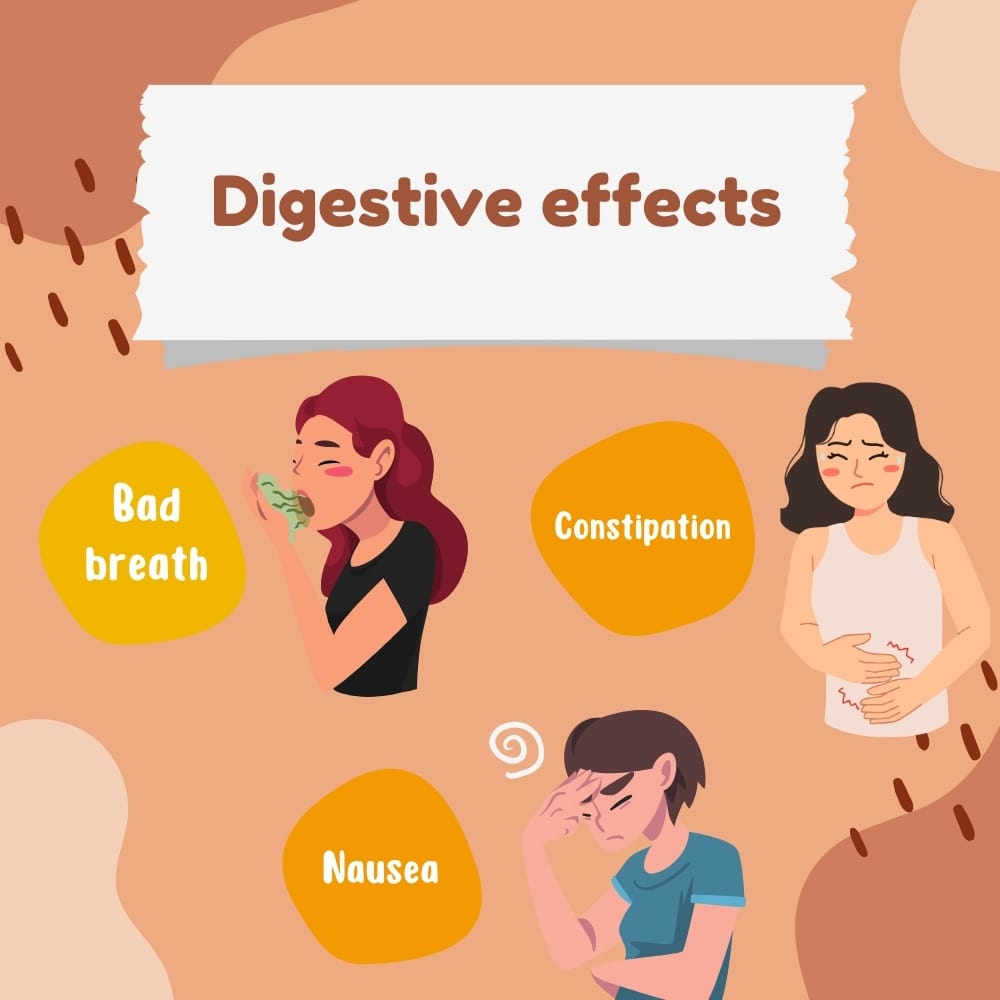
- Constipation: Common on keto/low-carb because many high-fiber carbs (whole grains, some fruits) are reduced. Increasing non-starchy vegetables, drinking more water, magnesium supplementation, and using a probiotic or a gentle fiber supplement often helps.
- Nausea: Often part of early keto flu or from high fat intake; usually temporary.
- Bad breath: “Keto breath” (fruity/acetone smell) results from circulating ketones and usually improves as the body adapts or with improved oral hygiene and hydration.
Hair loss, sleep changes, and other short-term complaints
Some people notice temporary hair shedding a few months after starting a strict calorie-restricted or low-variety keto plan. This is often related to calorie deficit, rapid weight loss, or nutrient gaps (iron, zinc, biotin). Sleep disturbances may occur early in the diet transition but often normalize. Optimizing calories, protein, micronutrients, and stress/sleep hygiene can reduce these issues.
Lipids and cholesterol: what the evidence says
Keto diets commonly raise HDL (good) cholesterol but can raise LDL (bad) cholesterol in some people — responses are variable and may depend on fat sources (saturated vs. unsaturated), genetics, and baseline metabolic health. Regular lipid checks are recommended for people following keto long term, and swapping saturated fats for unsaturated fats (olive oil, nuts, fatty fish) can help.
Kidneys, kidney stones, and renal concerns
Very low carb diets have been associated with an increased risk of kidney stones in some populations (higher urinary calcium, uric acid changes). People with existing kidney disease should avoid strict ketogenic diets unless supervised by a nephrologist/dietitian. Staying well-hydrated and monitoring labs can reduce risk.
Fertility, hormones, and who should be cautious
Keto can affect hormones: some people (especially those underweight or with existing menstrual irregularities) may experience changes in menstrual cycles or fertility. Pregnant or breastfeeding people, children (except under medical supervision for epilepsy), people with certain metabolic disorders, and those with eating-disorder histories should avoid unsupervised ketogenic diets. If you’re trying to conceive or have hormone concerns, speak with your clinician.
Is keto safe for people with diabetes?
Keto can lower blood glucose and A1C in people with type 2 diabetes, but can also cause hypoglycemia if medications (insulin, sulfonylureas) aren’t adjusted. Professional guidance from an endocrinologist or diabetes care team is essential before starting keto, and the American Diabetes community recommends individualized approaches rather than blanket prescriptions.
How to prevent or reduce keto side effects quickly
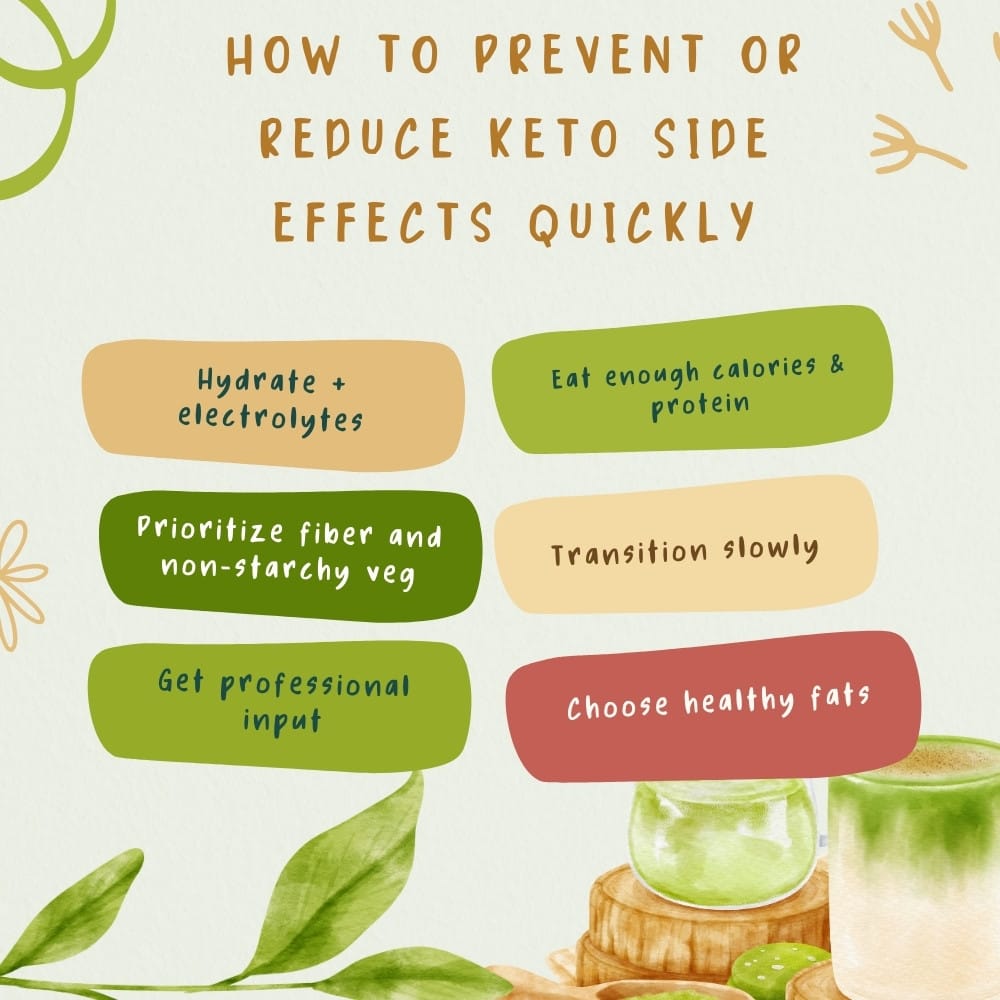
- Transition slowly: reduce carbs over 1–3 weeks instead of overnight.
- Hydrate + electrolytes: add salty broths, electrolyte drinks, or supplements (doctor-approved magnesium/potassium) during the first weeks.
- Eat enough calories & protein: avoid severe calorie deficits that drive hair loss or fatigue.
- Prioritize fiber and non-starchy veg: spinach, broccoli, zucchini, cauliflower—these help bowel regularity.
- Choose healthy fats: favor olive oil, avocado, fatty fish, nuts; limit excessive saturated fat.
- Monitor labs: baseline and follow-up checks for lipids, kidney function, electrolytes, and relevant micronutrients.
- Get professional input: a registered dietitian or clinician can tailor the plan and adjust meds (important for diabetics).
Treating specific problems
- Keto constipation: increase fiber from low-carb veggies, drink 2–3 L water/day (or what your clinician recommends), try magnesium citrate (short-term) or a gentle osmotic laxative if needed—talk with a clinician first.
- Keto bad breath: hydrate, chew sugar-free gum, improve oral hygiene, and wait — it often fades as ketone levels stabilize.
- High cholesterol: reduce saturated fats, focus on monounsaturated and omega-3 fats, and recheck lipids in 6–12 weeks. Discuss statin therapy if clinically indicated.

When to seek medical attention
- Trim ends, secure zucchini in a countertop spiralizer, or use a julienne peeler/mandoline. Use a thin “spaghetti” blade for long zoodles.
- To avoid soggy zoodles: salt lightly & drain for 10–20 minutes, then squeeze out excess water (or cook 1–2 minutes in a hot pan). Serve with sauce immediately.
Frozen spiralized options (store-bought) are available from major brands and supermarkets if you prefer zero prep.
Recommended approach
Keto and strict low carb diets can offer short-term benefits (weight loss, improved glycemic markers for some), but they come with predictable short-term side effects (keto flu, constipation, bad breath) and potential long-term concerns for some people (lipids, kidney stones, nutrient gaps).
Many side effects are preventable or manageable with a measured approach: gradual carb lowering, attention to fluids and electrolytes, fiber from low carb vegetables, healthy fat choices, and medical monitoring—especially if you have diabetes, kidney disease, pregnancy, or existing heart disease. Discuss plans with a clinician or registered dietitian before starting.
Trending Keto Side Effects Articles

All Keto Side Effects Articles

Keto Side Effects You Should Know and How to Fix Them
Starting a keto diet can feel exciting at first. The promise sounds simple: eat fewer carbs, burn more fat, and maybe see the scale move faster than usual. But the transition is not always smooth, and that is where keto side effects can show up. The early phase often...

How Does Ketogenic Diet Affect Women’s Hormones?
Is a ketogenic diet harmful to women's hormones? Yes, your diet may have an impact on your hormones. Is the keto diet unhealthy for your hormones? No. In reality, ketosis may benefit women, particularly those with PCOS, endometriosis, and uterine fibroids [1]. In this...

Loose Skin On Keto Diet: Why It Happens and What to Do About It
Losing weight feels fantastic, not to mention the benefits to your blood sugar, blood pressure, and cholesterol [1]. However, some people who lose considerable weight experience loose skin around their neck, abdomen, arms, legs, or buttocks (or all of the above)....

What Is the Keto Headache, and How to Prevent It?
Don't be alarmed if you've recently begun a keto diet and are experiencing headaches, brain fog, or mental lethargy. You're probably experiencing some of the usual (but unpleasant) adverse effects of switching from a carb (glucose)-based diet to a ketone (fat)-based...

Does Keto Cause Insomnia? How To Prevent And Manage
Sleep, food, and exercise are all important. They are the foundations of health. Yet, sleep may be the most critical pillar. A person may go for weeks without eating and years without exercising, but only days without sleeping. A single night of sleep deprivation has...

How to Prevent Hair Loss with a Keto Diet (and How to Stop It)
You may have been aware of some of the adverse effects of the ketogenic diet before beginning it, such as exhaustion, constipation, and nausea. Others, such as probable hair loss, may come as a surprise. Hair loss is a natural side effect of some people's ketogenic...

The Keto Diet and Its Effects on Heart Palpitations
You're not alone if you've recently begun a ketogenic diet and are experiencing heart palpitations. Heart palpitations, or accelerated heart rate, are a typical side effect of switching from the carb-heavy conventional American diet to a diet high in fat, moderate in...

What are the Symptoms of the Keto Flu & How to Reduce Them?
The keto flu describes symptoms some people may experience when starting a ketogenic diet. As you progress through the first or second week of a ketogenic diet, you may experience some discomfort. But don't give up! This is positive because overall malaise indicates...

How to Manage Food Cravings While Transitioning to a Keto
When shifting from a carbohydrate-heavy diet to a keto diet, food cravings are usual. Desires can develop for various causes, including vitamin deficits, stress, insufficient sleep, and blood sugar fluctuations. The most common reason for cravings on the keto diet is...
FAQs
What are the most common keto side effects?
Keto flu, constipation, bad breath, fatigue, and changes in lipid levels.
How long does keto flu last?
Usually, a few days to two weeks for most people; sometimes longer, but typically temporary.
Does keto cause hair loss?
It can, in some cases, be due to rapid weight loss or nutrient gaps; often temporary and correctable.
Can keto harm my kidneys?
People with preexisting kidney disease should avoid keto or only follow it under specialist supervision; there is an association with kidney stones in some studies.
Is keto safe for diabetics?
Yes — frozen vegetables like riced cauliflower or frozen spinach are convenient, low in carbs, and shelf-stable. Check labels for sauces or added starches.