
If you have ever grabbed a packaged snack bar and flipped it over just to find a mile-long ingredient list, you are not alone. That is exactly why protein bar recipes have become such a go-to for busy people who want something quick, filling, and easier to recognize at a glance. When you make them at home, you get to choose the flavor, the texture, the sweetness, and the kind of protein you actually want to eat. That kind of control is the whole appeal. Harvard’s Nutrition Source also notes that the quality of protein foods matters, and many packaged snacks can quietly add a lot of sugar to the diet over time.
The best part is that protein bar recipes do not need to be complicated. In fact, many of the most popular versions right now use pantry staples like oats, nut butter, dates, protein powder, chia seeds, and chocolate chips. Some are no-bake, which means you can press them into a pan and chill them instead of turning on the oven. Others are baked for a firmer bite and a more classic granola bar feel. Either way, the method is simple, flexible, and budget-friendly, which is exactly why homemade bars have become such a smart snack solution.
Why DIY Protein Bar Recipes Beat Store-Bought
Store-bought bars are convenient, but convenience is not the same thing as value.
When you make protein bar recipes at home, you are usually trading a shiny wrapper for something far more useful: control. You decide how sweet they are, how chewy they feel, how much protein they pack, and whether they taste like dessert or a wholesome snack. That flexibility matters because packaged snacks often lean on added sugars and highly processed ingredient systems to improve taste, texture, and shelf life, while FDA labeling rules show that ingredient lists are written in descending order by weight, which can reveal a lot about what a product is really made of. (1, 2, 3, 4)
Cheaper per serving
One of the biggest reasons people keep coming back to protein bar recipes is simple math. A few pantry staples can turn into an entire batch of bars, and that batch often costs less per serving than buying individual packaged bars over and over again. Instead of paying for branding, packaging, and shelf ready convenience, you are putting your budget into ingredients you can reuse in other meals, too, like oats, nut butter, dates, seeds, or protein powder. That makes homemade bars feel less like a “special project” and more like a smart snack system that quietly saves money week after week.
The savings also come from flexibility. If one ingredient is expensive, you can swap in another without breaking the whole recipe. Peanut butter can step in for almond butter, honey can replace maple syrup, and oats can stretch a batch farther than pricier add-ins. That kind of ingredient swapping is one reason protein bar recipes are so practical for meal prep. You are not locked into a fixed formula, so your snack can flex with your budget instead of fighting it. This is especially helpful when you want a snack that feels filling, since protein can come from many everyday foods, not just one expensive powder. (5)
A few budget-friendly wins stand out right away:
- Buy ingredients in bulk and use them across multiple batches.
- Use one base formula and change the flavor instead of buying different bars.
- Choose pantry staples like oats, nut butter, seeds, and cocoa powder.
- Make bars in batches so one prep session covers several snacks.
That is the real magic of homemade snack bars. A single bowl of ingredients can become breakfast, an afternoon pick-me-up, or something you tuck into a lunchbox without paying premium prices for every individual bar.
Cleaner ingredient lists
The other major advantage of protein bar recipes is what you do not have to include. When you make bars at home, the ingredient list becomes readable in the best possible way. There is no need for long strings of fillers or mystery blends when a simple mix of oats, nut butter, protein powder, dates, cocoa, vanilla, and salt gets the job done beautifully. FDA guidance makes it clear that ingredients on packaged foods must be listed in descending order by weight, which is useful for shoppers because it shows which ingredients dominate the recipe. If sugar or syrup is near the top, that tells you something important right away. (6)
That matters because added sugar is a big deal in packaged snacks. Harvard’s Nutrition Source notes that added sugar shows up widely in the diet and encourages people to pay attention to it, since it contributes calories without the same nutritional payoff as whole foods. FDA labeling also requires “Added Sugars” to appear on the Nutrition Facts panel, which makes it easier to see how much extra sweetener a product contains. When you make your own bars, you can keep sweetness modest and use ingredients like dates, cinnamon, vanilla, or cocoa powder to create flavor without overloading the recipe. (7, 8)
Cleaner does not have to mean boring. In fact, homemade bars often taste better because the ingredients work together naturally instead of being engineered to survive months on a shelf. You can make them chewy, fudgy, crunchy, nutty, fruity, or chocolate-forward, all while keeping the list short enough to read in a few seconds.
That is a big part of why protein bar recipes keep growing in popularity: they feel more like real food and less like a lab project.
The label advantage is easy to see when you compare the two side by side:
| Homemade protein bar recipes | Store-bought bars |
|---|---|
| You choose every ingredient | Ingredient list is preset |
| Sweetness is adjustable | Sweetness may be fixed |
| Texture can be customized | Texture is designed for shelf life |
| Easier to avoid excess added sugar | Added sugar may show up near the top |
| Better for batch prep | Better for grab-and-go convenience |
So the choice is not really about homemade versus convenient. It is about which kind of convenience you want.
Store-bought bars are convenient in the moment, but homemade protein bar recipes give you the kind of convenience that keeps paying off: lower cost, cleaner ingredients, and a snack that tastes exactly the way you want it to.
What Makes a Great Protein Bar Recipe
A great protein bar recipe does more than just pack in protein. It should also taste good, hold together well, and feel satisfying enough to count as a real snack instead of a sad compromise. The best bars usually balance protein, fat, and carbs in a way that supports fullness and flavor, while also using texture-friendly binders so the finished bar does not crumble the second you pick it up. Harvard’s Nutrition Source notes that protein foods vary widely in quality, and it also points out that foods like nuts, oats, yogurt, beans, eggs, and tofu can all play a useful role in a balanced eating pattern. (9, 10)
Protein, fat, and carbs
The real secret behind successful protein bar recipes is balance. Protein gives the bar its main nutritional appeal, but protein alone is not enough to make a snack feel complete. Fat adds richness and helps the bar taste less dry, while carbohydrates from oats, dates, or fruit bring energy and help the bar feel more like food than a supplement. Harvard explains that fiber-rich carbs like oats, nuts, seeds, fruits, and vegetables can help support fullness and steady hunger levels, which is exactly why those ingredients show up so often in homemade bars. (11)
When a bar is too heavy on protein powder, the texture can turn chalky or dry. When it has too much sweetener and not enough structure, it can become sticky and messy. When it has too little fat, it may taste flat and disappear from your mind five minutes after eating it. That is why the best protein bar recipes usually combine at least one strong protein source, one creamy or oily ingredient, and one slow-digesting carb source. Think of it like building a tiny meal that fits in your hand.
A smart bar formula often includes:
- Protein: whey, plant protein, Greek yogurt, nuts, seeds, or eggs
- Fat: nut butter, tahini, coconut, nuts, or seeds
- Carbs: oats, dates, dried fruit, or oat flour
- Flavor boosters: vanilla, cocoa, cinnamon, salt, espresso powder
That combination matters because it makes the bar feel useful for more than one moment in the day. A bar with protein and fiber can work as a quick breakfast, a post-workout snack, or a mid-afternoon bridge between meals. Harvard’s protein guidance also emphasizes that protein comes packaged with other nutrients depending on the source, which is another reason homemade bars can be so smart when you choose ingredients intentionally. (12)
Texture and binders
Texture is the part that makes or breaks homemade bars. You can have the best flavor in the world, but if the bar falls apart, nobody is going to call it a win. The best protein bar recipes use binders that help the mixture stick together without making it too wet, too gummy, or too dry. Common binders include nut butter, dates, honey, maple syrup, yogurt, mashed banana, and melted chocolate, depending on whether you are making a no-bake or baked version. Recent homemade bar recipes often rely on dates and nut butter because the combo gives both sweetness and structure in one step.
A good binder works like the glue in a collage. It holds the other ingredients in place while still letting each one do its job. Dates bring natural stickiness and a soft chew. Nut butter gives creaminess and density. Honey and maple syrup help create that slightly tacky finish that no-bake bars need. Yogurt can soften baked bars and make them more tender. Even a little melted chocolate can help firm up a batch once chilled.
The texture you want depends on the kind of snack you are making. If you want a chewy, grab-and-go bar, you need enough binder to keep the oats and protein powder from breaking apart. If you want a firmer breakfast bar, you may need a little extra dry ingredient or a longer chill time. If you want something soft and fudgy, a wetter mixture with less baking or more chilling can get you there. That is one of the biggest perks of making your own protein bar recipes: you are not stuck with a factory texture that never changes.
A few texture goals to keep in mind:
- Chewy: use dates, nut butter, oats, and a little salt
- Soft: add yogurt, banana, or extra nut butter
- Firm: chill longer or bake until set
- Crunchy: fold in chopped nuts, seeds, or toasted oats
Food safety and storage also affect texture. USDA says refrigerated leftovers are generally safe for 3 to 4 days and frozen leftovers for 3 to 4 months, and freezer storage helps maintain quality longer than refrigeration alone. That matters for homemade bars, especially if your bars include ingredients that are softer or more moisture-rich. (13, 14)
A great protein bar recipe is not just about numbers on a label. It is about how the ingredients behave together. The protein gives it purpose, the fat gives it richness, the carbs give it body, and the binder makes it possible to eat with one hand. When those pieces line up, the result feels less like a compromise and more like a snack you actually look forward to.
Ingredients That Work Best
The best protein bar recipes start with ingredients that work together rather than fight each other. That usually means one solid protein source, one sticky sweetener or binder, one creamy fat, and a few add-ins for flavor and texture. When those pieces are in balance, you get bars that taste good, slice cleanly, and hold up in the fridge or freezer without turning into a crumbly mess. Current homemade bar recipes often use oats, dates, nut butter, protein powder, cashews, hemp seeds, and chia seeds because those ingredients bring structure, flavor, and staying power all at once. (15, 16, 17)
The nice thing about protein bar recipes is that they are flexible. You do not need a perfect ingredient lineup to get good results. You just need the right categories covered. That means choosing a protein source that fits your diet, a sweetener that helps bind everything together, a fat that adds richness, and mix-ins that make the bars feel interesting rather than flat. Once you understand those roles, you can swap ingredients based on what you already have in the kitchen. (18)
Protein sources
Protein is the backbone of any good protein bar recipe, but the source you choose changes the taste and texture more than most people realize. Whey protein usually gives a smoother, more classic bar, while plant-based powders can work beautifully but may need a little more moisture because they often absorb more liquid. Whole-food protein sources also work well, especially when you want a more natural flavor and a less powdery bite. Harvard’s Nutrition Source points out that animal-based foods like dairy, eggs, and other animal proteins are complete proteins, while many plant foods can still contribute well when eaten as part of a varied diet.
That is why many homemade bars combine protein powder with other protein-rich ingredients. For example, oats, nuts, seeds, almond flour, cashews, and hemp seeds show up often in recent recipes because they help boost the protein count while also improving texture. If you want bars that feel more filling and less like sweetened chalk, combining more than one protein source is a smart move. It creates a better mouthfeel and helps the bar feel more like a real snack.
A few strong protein options for homemade bars include:
- Protein powder for a concentrated boost and easy mixing
- Nut butter for protein plus creaminess
- Hemp seeds for mild flavor and extra nutrients
- Cashews or almonds for crunch and substance
- Greek yogurt or eggs in baked versions for a softer, more structured bar
The best choice depends on the kind of bar you want. If you are making a no-bake batch, protein powder and nut butter are usually the easiest place to start. If you are baking, you can lean more on eggs, yogurt, oats, or nut flour to build structure. The goal is not just more protein. The goal is a bar that still tastes like something you would actually want to eat tomorrow. (19)
Sweeteners and fats
Sweeteners and fats do two jobs in protein bar recipes: they make the bars taste good, and they help them stick together. Dates are one of the most popular choices because they bring sweetness and natural stickiness in the same ingredient. Honey and maple syrup are also common in no-bake bars because they help everything press together while keeping the flavor balanced. Recent recipes show this pattern clearly, with dates, honey, peanut butter, and oats showing up again and again in homemade bar formulas. (20)
Fats matter just as much. Nut butters like peanut butter, almond butter, and cashew butter add richness, soften the texture, and keep the bars from tasting dry. They also help create that chewy, satisfying bite people expect from a good snack bar. If you skip the fat, the bar often ends up tasting too lean or too powdery. If you add too much, it can get greasy or too soft. The sweet spot is a recipe that feels balanced, not heavy.
For a cleaner tasting bar, it helps to keep sweeteners simple. A little vanilla, cocoa powder, cinnamon, or salt can make the bars taste fuller without piling on extra sugar. That matters because FDA guidance notes that added sugars are listed separately on the Nutrition Facts label, and current guidance encourages people to pay attention to them when choosing packaged foods. When you make bars at home, you control how much sweetness goes in from the start. (21, 22)
Some of the most useful sweetener and fat combinations are:
- Dates + peanut butter for chewy, classic no-bake bars
- Honey + almond butter for a softer, lightly sweet finish
- Maple syrup + cashew butter for a mellow, dessert-like flavor
- Date paste + nut butter for a dense and sticky base
- Cocoa + nut butter + honey for a chocolate forward version
These combinations work because they are doing more than one job. They sweeten, bind, and enrich the bars at the same time. That is the kind of smart ingredient layering that makes homemade bars feel effortless once you know the formula.
Mix-ins that improve flavor and texture
Mix-ins are where protein bar recipes stop feeling basic and start feeling fun. They add crunch, chew, color, and personality. The best mix-ins also help the bars feel more satisfying, which is important when you want a snack that holds you over between meals. Recent homemade bar recipes often include chocolate chips, chia seeds, hemp seeds, cashews, oats, peanuts, and dried fruit because those ingredients add both texture and flavor without making the bars overly complicated.
The key is to use mix-ins with a light hand. Too many add-ins can make the mixture hard to press together, and too much variety can muddy the flavor. A good rule is to choose one crunchy element and one flavor accent. For example, chocolate chips plus chia seeds work well in a chocolate peanut butter batch, while chopped almonds plus dried cherries can give a more trail-mix style bar. The bar still needs to hold together first; the mix-ins should support that, not get in the way.
A few mix-ins that work especially well:
- Chocolate chips for sweetness and a dessert-like feel
- Chia seeds for small pops of texture
- Hemp seeds for a mild nutty note
- Chopped nuts for crunch and a more filling bite
- Dried fruit for chewing and natural sweetness
- Shredded coconut for extra flavor and texture
Oats deserve a special mention here, too. They are not just a filler ingredient. Oats help create body, balance moisture, and give the bars that familiar chewy structure people expect from homemade snack bars. Harvard’s Nutrition Source also highlights oats as a whole grain food that fits well in a balanced diet, which is one reason they show up so often in no-bake and baked bar recipes alike. (23)
If you want the easiest way to think about mix-ins, imagine them like the toppings on a great salad or the extras in a trail mix. They should make the whole thing better, not overwhelm it. The strongest protein bar recipes usually keep the base simple and let one or two mix-ins do the talking. That creates a cleaner flavor, a better texture, and a bar that still feels easy to make on a busy day.
Recipe Frameworks and Flavor Ideas
The easiest way to master protein bar recipes is to stop thinking in terms of one perfect recipe and start thinking in terms of formulas. That shift makes everything easier. Instead of memorizing a dozen separate recipes, you learn a simple pattern that you can repeat with different flavors, textures, and ingredients. Once you understand the framework, you can make bars that are chocolatey one week, fruity the next, and nutty after that without starting from scratch every time.
This is also what makes homemade bars so appealing: people are not only searching for one flavor. They are searching for a method. They want a no-bake option, a baked option, a chewy option, and a version that fits what they already have in the pantry. That is why strong protein bar recipes usually work best when the base formula is clear, and the flavor ideas are flexible. The structure stays the same, while the taste changes with just a few swaps.
No-bake base formula
No-bake bars are the easiest place to begin because they are fast, forgiving, and beginner-friendly. A good no-bake version usually starts with a sticky binder, a dry base, and a protein source. The binder holds everything together, the dry ingredients add bulk, and the protein gives the bars their nutritional purpose. In many protein bar recipes, this means nut butter, dates, oats, and protein powder working together like a little snack team. Recent homemade bar recipes often follow this exact pattern because it keeps the process simple while still delivering a chewy, satisfying result.
A reliable no-bake formula often looks like this:
- Sticky base: dates, honey, maple syrup, or nut butter
- Dry base: rolled oats, oat flour, protein powder, or ground nuts
- Fat source: peanut butter, almond butter, cashew butter, or tahini
- Flavor layer: cocoa powder, vanilla, cinnamon, espresso powder, or salt
- Add-ins: chocolate chips, seeds, dried fruit, chopped nuts, or coconut
The beauty of this formula is that it gives you room to adjust as you go. If the mixture feels too dry, add another spoonful of nut butter or a little more sweetener. If it feels too wet, fold in extra oats or protein powder. If it tastes flat, a pinch of salt or a splash of vanilla can wake the whole batch up. That kind of flexibility is one reason protein bar recipes are such a smart choice for anyone who wants quick snacks without a lot of fuss.
No-bake bars also work well because they hold onto flavor in a really direct way. Chocolate tastes deeper, nut butter tastes richer, and fruit adds brightness without needing a long cook time. If you want a snack that feels more like a treat, this is the style to start with. If you want something quick for the fridge or freezer, even better. Just press, chill, and slice, and you are done.
No-bake flavor ideas
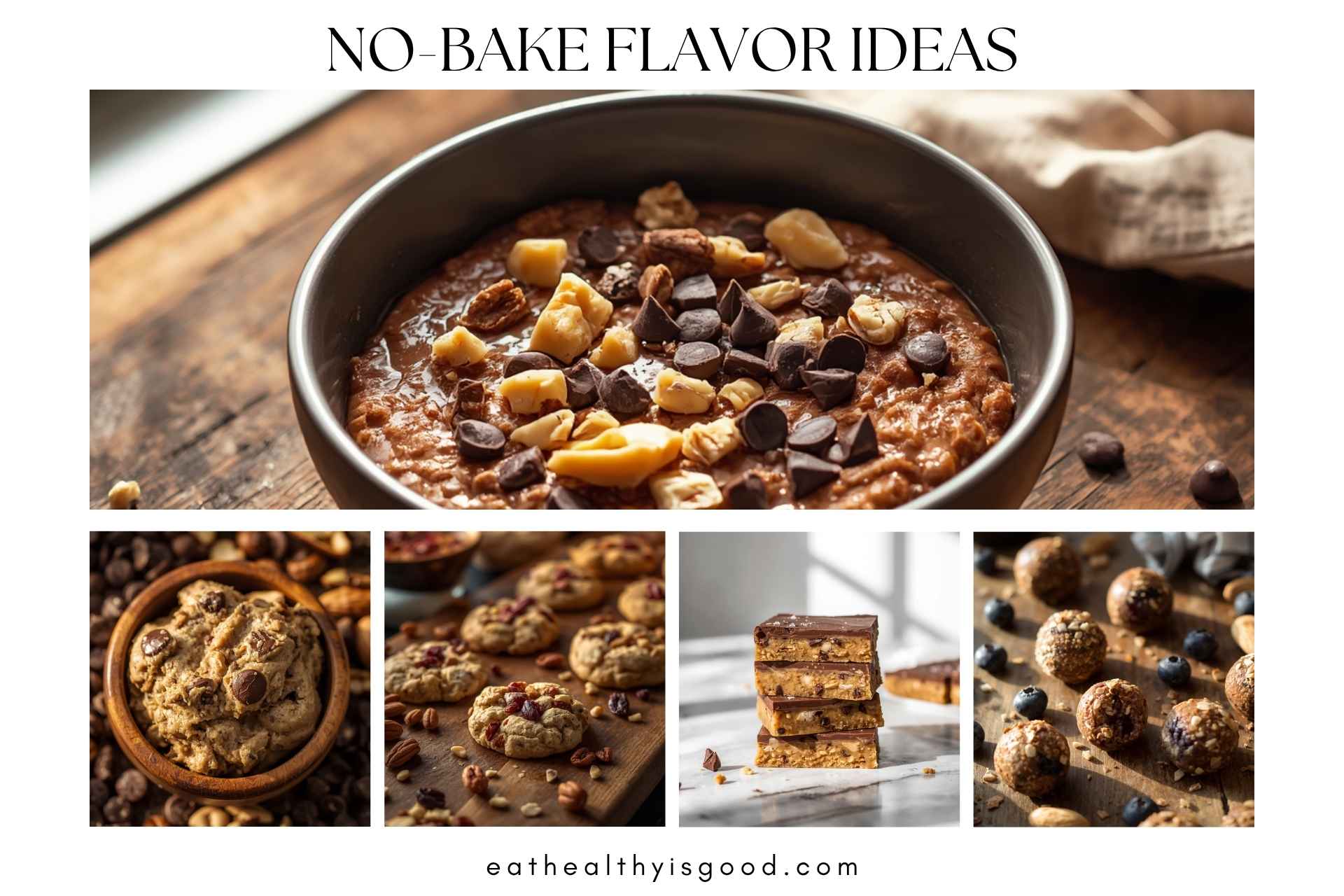
Once you know the formula, the flavor combinations start to feel endless. A few classic combinations show up again and again because they work so well together. Chocolate and peanut butter are the obvious crowd pleasers, but there are plenty of other directions you can take. The goal is to keep the base balanced while letting one or two ingredients lead the flavor. That is what makes protein bar recipes feel polished instead of random.
Some easy no-bake flavor ideas include:
- Chocolate peanut butter: peanut butter, cocoa powder, chocolate chips, oats
- Cookie dough: vanilla protein powder, almond butter, oat flour, mini chips
- Trail mix: nuts, seeds, dried fruit, peanut butter, oats
- Double chocolate: chocolate protein powder, cocoa powder, cashew butter
- Blueberry almond: almond butter, dried blueberries, oats, chia seeds
These combinations work because they are familiar. People already know they like chocolate, peanut butter, or trail mix flavors, so the recipe feels approachable right away. That is a big advantage if you are writing or making protein bar recipes for everyday use. Familiar flavor plus a simple method usually wins.
Baked base formula
Baked bars are a little sturdier and often feel more like a classic breakfast bar. They usually have a denser texture, a more toasted flavor, and a cleaner slice once they cool. If no-bake bars are the “quick and easy” option, baked bars are the “hearty and satisfying” option. They are still very simple, though, and the formula is not much more complicated. Most protein bar recipes in baked form use oats, a binding fat, a protein ingredient, and a liquid component to keep the texture soft enough before baking. Recipes from current sources often lean into oats, nut butter, and fruit for this style because the combination gives body without making the bars dry.
A dependable baked formula usually includes:
- Dry ingredients: oats, oat flour, protein powder, cinnamon, salt
- Wet ingredients: nut butter, eggs, yogurt, or mashed banana
- Sweetener: honey, maple syrup, or date paste
- Add-ins: nuts, seeds, berries, chocolate chips, or coconut
Baked bars are especially useful when you want a firmer snack that travels well. They also tend to feel a little more like breakfast, which makes them a strong choice for mornings that move fast. Because the bars are baked, the flavor often deepens a bit more than it does in no-bake versions. That gives you a toastier, cozier result, especially if you use cinnamon, vanilla, or oats as the base.
There is also more room to play with texture in baked protein bar recipes. You can make them soft and cake-like, or you can make them dense and chewy. If you like a tender bite, use more moisture and watch the baking time closely. If you want something firmer, use a little more dry ingredient and let the bars cool fully before cutting. That cooling step matters a lot because baked bars continue to set as they sit. Cutting them too early often leads to a crumbly mess, which is the fastest way to ruin an otherwise good batch.
Baked flavor ideas
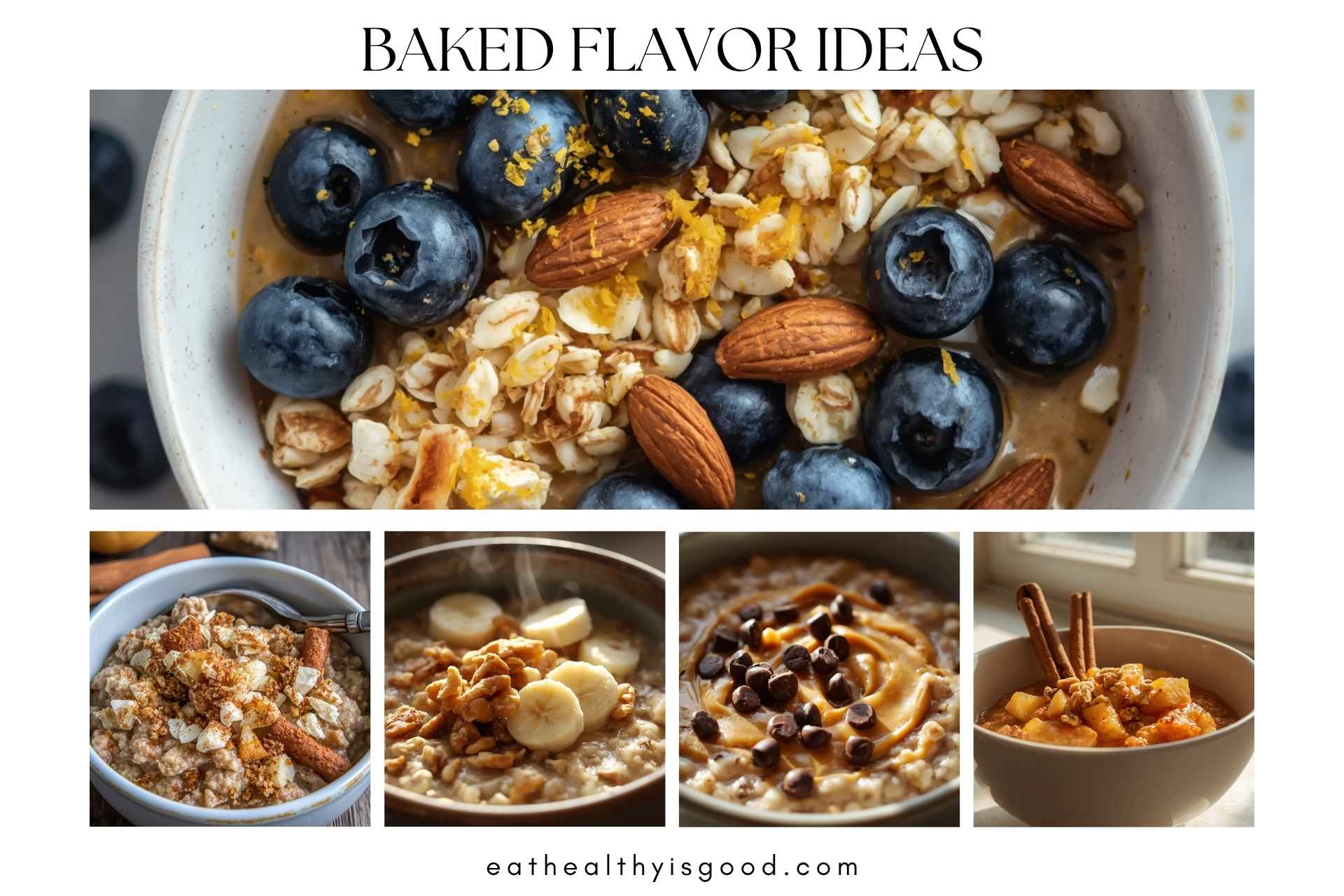
Baked bars give you more room to lean into breakfast flavors. That means fruit, spice, and warm, nutty flavors work especially well. Apple cinnamon, banana walnut, blueberry almond, and peanut butter oatmeal all fit naturally into this style. These flavors feel comforting and familiar, which is part of the reason they show up so often in homemade protein bar recipes. They work for kids, adults, and anyone who wants a bar that feels a little more substantial.
A few baked flavor ideas worth trying:
- Apple cinnamon: oats, cinnamon, diced apples, almond butter
- Banana walnut: mashed banana, oats, walnuts, vanilla
- Blueberry almond: almond butter, blueberries, oats, and a little lemon zest
- Peanut butter oatmeal: peanut butter, oats, vanilla, and chocolate chips
- Pumpkin spice: pumpkin puree, pumpkin spice, oats, and maple syrup
These combinations are useful because they feel seasonal without being fussy. They also rely on ingredients that are easy to keep around, which makes baked protein bar recipes practical for weekly prep. The more you use the formula, the easier it becomes to adjust for taste and texture. A little more fruit for moisture, a little more oats for structure, a little more salt for balance, and suddenly the recipe feels custom-built.
How to choose the right formula
The best formula depends on how you plan to use the bars. If you want a quick snack for the fridge, a no-bake bar makes sense. If you want something that feels more like breakfast or holds its shape better in a lunch bag, a baked bar may be the better call. That decision changes the experience, but not the basic strategy. The strongest protein bar recipes always begin with a clear goal, then use the ingredients to support it.
A simple way to decide:
- Choose no-bake if you want fast prep and a softer, chewier texture.
- Choose baked if you want a firmer bar and a more breakfast-like feel.
- Choose chocolate or nut flavors if you want richness.
- Choose fruit and spice flavors if you want a lighter, cozier snack.
That kind of thinking keeps your kitchen time low and your success rate high. Once you know which formula fits your routine, the rest gets much easier. You are no longer guessing. You are simply matching the method to the moment, which is exactly how good protein bar recipes should work.
The Bottom Line
Homemade bars are one of those kitchen projects that pay you back quickly. They are simple enough for beginners, flexible enough for picky eaters, and useful enough to become part of your weekly routine. When you make protein bar recipes at home, you control the ingredients, the flavor, the sweetness, and the texture, which is a pretty powerful combo for such a small snack.
You also get a cleaner label without giving up convenience. That is the sweet spot. A good bar should be easy to make, easy to store, and easy to grab when life gets busy. Whether you prefer no-bake bars, baked bars, chocolate-heavy bars, or fruit and nut versions, the formula stays surprisingly manageable. Once you learn the basics, you can mix and match flavors like a pro. And honestly, that is what makes homemade snacks so satisfying: they feel practical, personal, and a little bit clever all at once.
FAQs
How long do homemade protein bar recipes last?
The answer depends on the ingredients and how you store them. USDA says refrigerated leftovers are generally safe for 3 to 4 days, and frozen leftovers can last 3 to 4 months. For homemade bars, that makes the fridge a good short-term option and the freezer a smart long-term one, especially if your bars include fresh or moisture-rich ingredients.
Can you make protein bar recipes without protein powder?
Yes, and many people do. You can lean on ingredients like oats, nuts, seeds, yogurt, peanut butter, and even hemp seeds to create a more whole-food style bar. Harvard’s protein guidance shows that many everyday foods contribute protein, so protein powder is helpful but not required.
Can you freeze homemade protein bars?
Yes. Freezing works especially well for no-bake bars and softer baked bars. It helps them hold their shape and gives you a ready-made snack whenever you need one. USDA notes that frozen leftovers keep longer than refrigerated ones, which is one reason the freezer is such a practical storage choice for homemade snacks.
How do you keep bars from crumbling?
The most common fix is adding more binder. Nut butter, dates, honey, maple syrup, or a bit of yogurt can help hold the mixture together. Pressing the mixture firmly into the pan also matters, because loose packing creates weak spots that fall apart later. In many protein bar recipes, the difference between crumbly and sturdy comes down to moisture balance more than anything else.
Are homemade protein bar recipes healthier than store-bought bars?
They can be, especially when you want a shorter ingredient list and more control over sweetness. Harvard’s Nutrition Source notes that added sugars are common in processed and prepared foods, so making bars at home can help you keep those extras in check. That said, “healthier” still depends on the ingredients you choose, which is why homemade bars are best seen as a customization tool, not a magic badge.
What is the easiest flavor to start with?
Chocolate peanut butter is usually the easiest place to begin. It pairs well with oats, protein powder, and a little salt, and it hides texture mistakes better than more delicate flavors. If you are new to protein bar recipes, start with a flavor combination you already love, then adjust from there.
Do you need to bake protein bars?
Not at all. A lot of current recipes are no-bake and still hold together beautifully. In fact, many of the most popular homemade bars right now use dates, oats, nut butter, and protein powder, then firm up in the fridge or freezer. Baking is optional, not required.

Really helpful and informative article. The writing style is clear and engaging which makes reading enjoyable. Thank you for providing valuable health insights that can help people improve their knowledge and daily wellness habits.
Thank you so much for your kind words! We’re delighted to hear that you found the article helpful, informative, and enjoyable to read. Our goal is to share reliable, easy-to-understand health information that helps people make informed choices and build healthier daily habits. Your encouragement means a lot to us, and we truly appreciate you taking the time to leave such a thoughtful comment. We hope you’ll visit again for more health tips, recipes, and wellness insights!
Excellent explanation and very easy to follow. Many websites provide confusing information but this article feels honest and clear. I learned something new today and will definitely recommend this post to my friends and family.
Thank you so much for your thoughtful comment! We’re really happy to hear that you found the article clear, honest, and easy to follow. Our goal is to make healthy eating and nutrition simple to understand, so it’s wonderful to know the information was helpful and that you learned something new. We truly appreciate your recommendation to your friends and family—it means a lot to us. Thanks again for your support, and we hope to see you back for more helpful tips and recipes!