
Low Carb Diet for Beginners — Easy Foods, 7-Day Meal Plan & Recipes
Are you curious about the low carb diet and how it can help you reach your health goals? You've come to the right place! This beginner-friendly guide covers the basics of a low-carb diet, how to get started, and some common mistakes to avoid.
Low Carb Diet for Beginners — Your Complete Starter
Want to lose weight, stabilize blood sugar, or eat cleaner without counting every calorie? A low-carb diet focuses on cutting starchy carbs and added sugars while boosting vegetables, protein, and healthy fats. It's flexible, works for many goals, and can be adapted for beginners, busy people, and those managing diabetes — when done carefully.
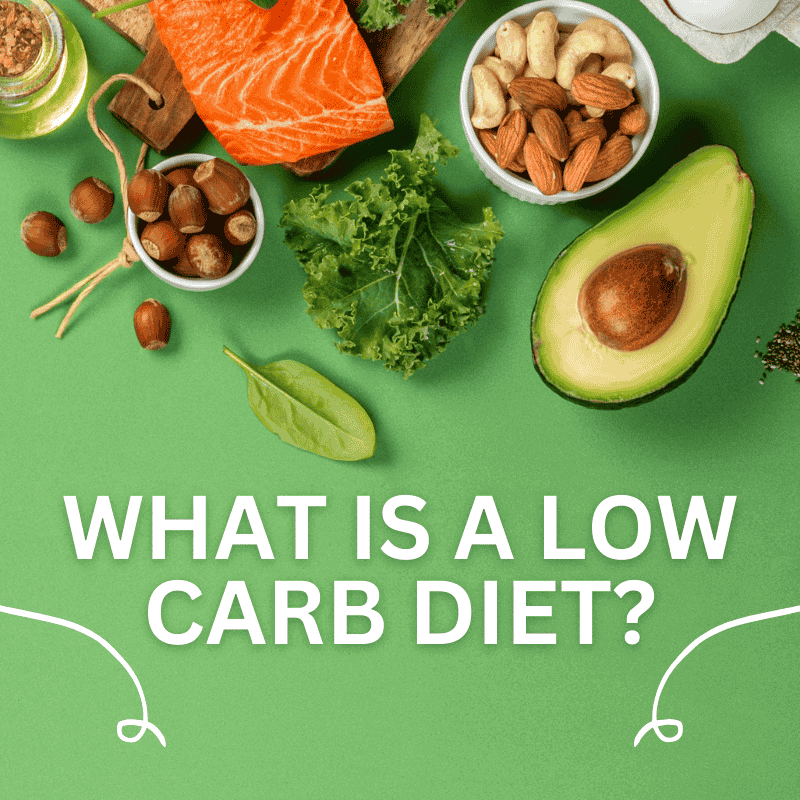
What is a low carb diet?
A low carb diet reduces carbohydrate intake (bread, pasta, rice, starchy vegetables, sweets) and emphasizes protein, non-starchy vegetables, nuts, seeds, and healthy fats. “Low-carb” is a broad label — it can mean anywhere from moderate carb reduction (e.g., 100–150 g/day) to very low-carb or ketogenic (often <50 g/day). The approach you choose should fit your lifestyle and health needs.
Evidence & benefits (what science says)
- Weight loss: Many studies show low-carb plans can produce faster early weight loss compared with low-fat plans, though long-term differences often shrink.
- Blood sugar control: Lowering carbohydrates can improve blood-glucose control for individuals with insulin resistance or type 2 diabetes, but this approach should be individualized and supervised by a healthcare professional.
- Cardio risk & quality matters: Benefits depend on the quality of fats/proteins you choose — prioritize plant proteins, fish, vegetables, nuts, and olive oil rather than processed meats and trans fats.
Low carb food list — eat more of these
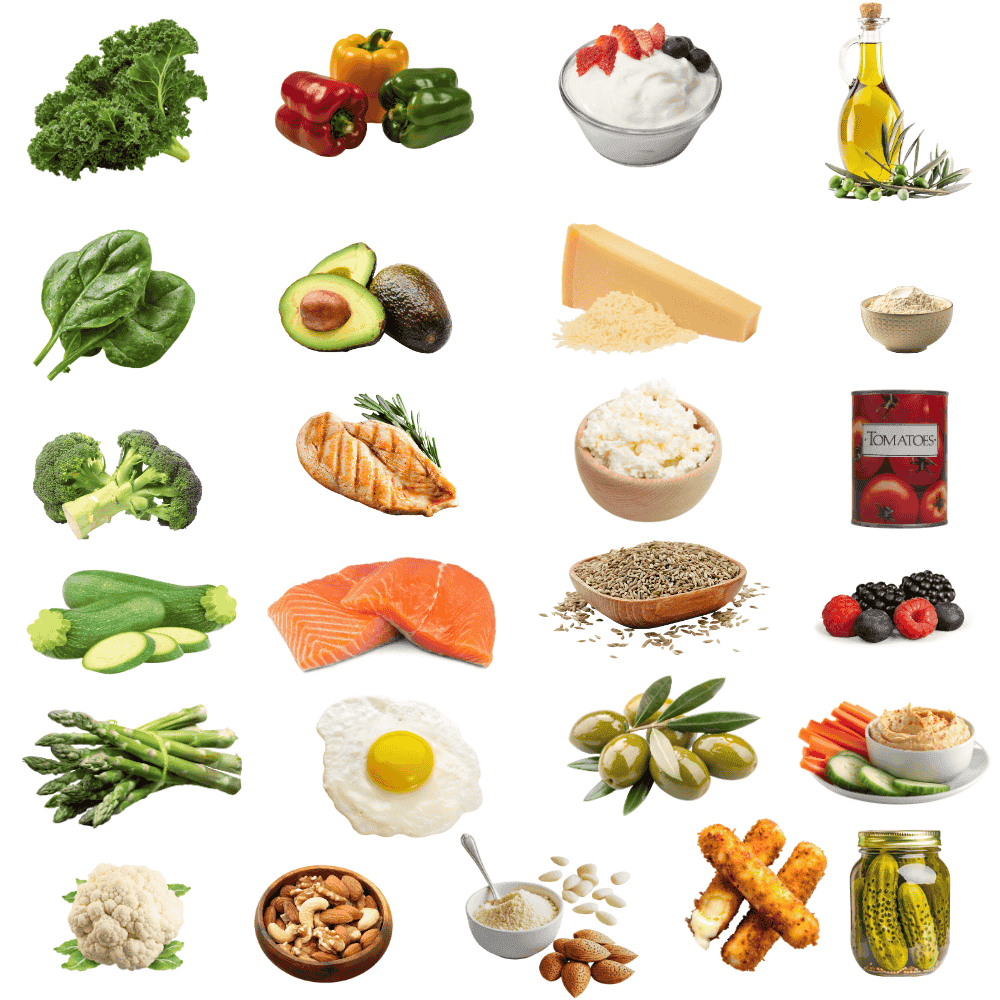
Non-starchy vegetables (spinach, kale, broccoli, zucchini), eggs, poultry, fish, shellfish, tofu, tempeh, cheese (in moderation), plain Greek yogurt, nuts and seeds, avocados, olive oil, berries (small portions), and low-carb beverages (water, tea, black coffee). These form the backbone of low-carb breakfasts, lunches, dinners, and snacks.
Foods to limit or avoid
Bread, pasta, rice, potatoes, most sweets and baked goods, sugary drinks, fruit juices, and highly processed snack foods. Starchy vegetables and high-sugar fruits are where most carbs hide.
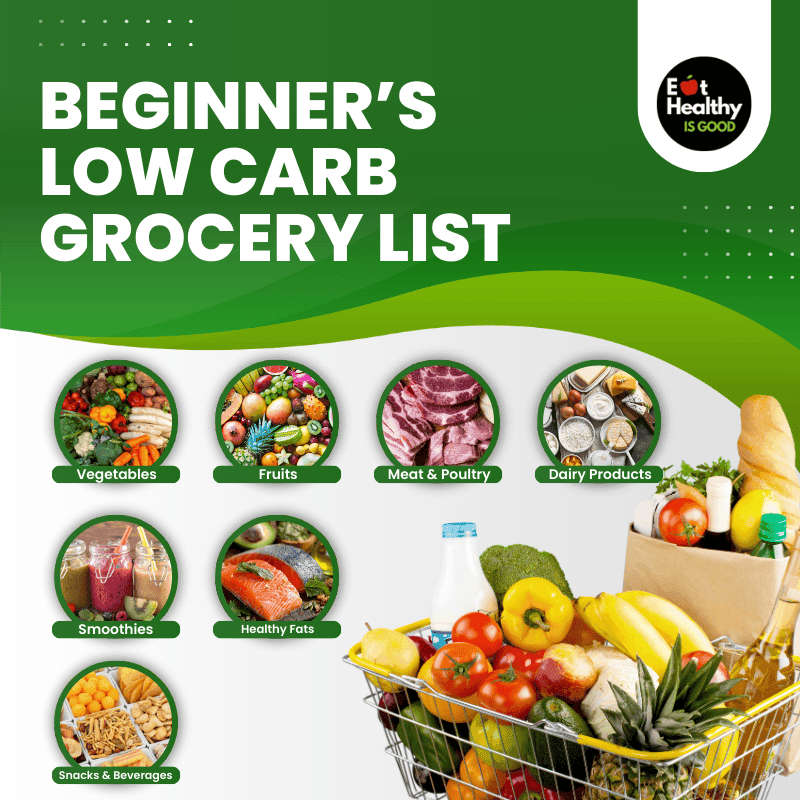
Beginner’s low carb grocery list
- Proteins: chicken breasts, canned tuna, salmon, eggs, Greek yogurt, tofu
- Veggies: spinach, kale, broccoli, cauliflower, bell peppers, zucchini
- Fats & extras: olive oil, avocado, nuts, seeds, olives
- Pantry: almond flour (optional), low-sugar nut butter, canned tomatoes, broth
- Snacks: cheese sticks, hard-boiled eggs, raw nuts, Greek yogurt, berries (small)
(Adjust quantities for 1–2 people; pick whole foods over packaged "low-carb" snacks.)
A low carb diet reduces carbohydrate intake (bread, pasta, rice, starchy vegetables, sweets) and emphasizes protein, non-starchy vegetables, nuts, seeds, and healthy fats. “Low-carb” is a broad label — it can mean anywhere from moderate carb reduction (e.g., 100–150 g/day) to very low-carb or ketogenic (often <50 g/day). The approach you choose should fit your lifestyle and health needs.
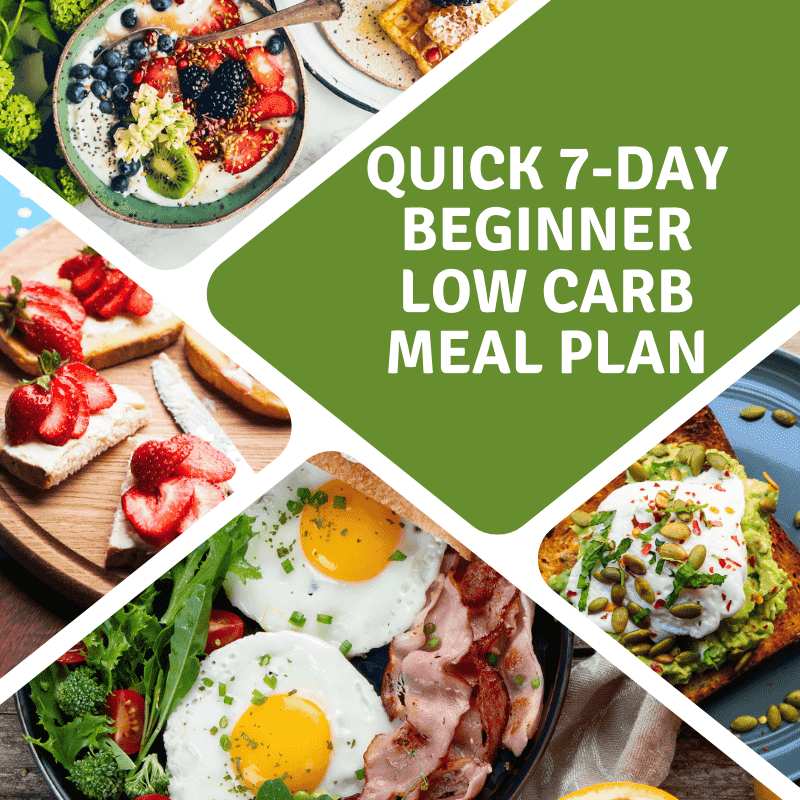
Quick 7-day beginner low carb meal plan (sample)
Portion sizes depend on your calories and goals — this is a template you can tweak.
Day 1
- Breakfast: 2 scrambled eggs, spinach, ½ avocado
- Lunch: Grilled chicken salad (mixed greens, cucumber, olive oil + lemon)
- Snack: Handful of almonds
- Dinner: Baked salmon, steamed broccoli
Day 2
- Breakfast: Greek yogurt with a few raspberries + chopped walnuts
- Lunch: Tuna salad lettuce wraps
- Snack: Cheese stick + celery
- Dinner: Stir-fry tofu + mixed non-starchy veggies
Days 3–7 — rotate similar meals: omelets, salads with a protein, roasted vegetables + protein, cauliflower rice bowls, and light soups. See Meal Prep tips below to batch-cook.
(If you have diabetes or take medications, monitor glucose closely when changing carbs.)
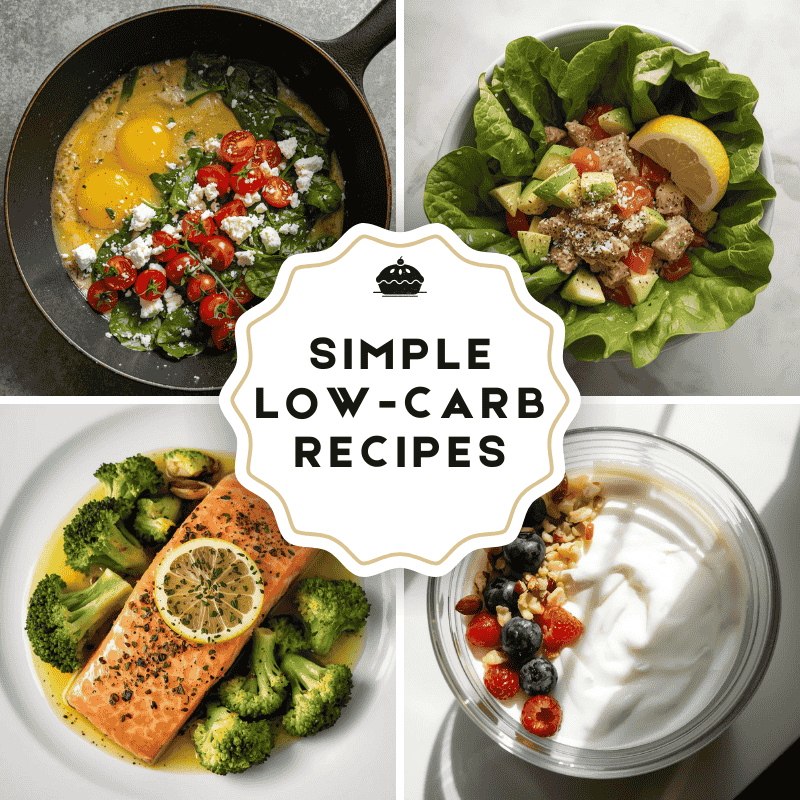
Simple low-carb recipes
1) 3-Ingredient Omelet (breakfast)
- 2 eggs, a handful of spinach, 1 oz feta — whisk eggs, cook spinach briefly, pour eggs, add feta, fold. Serve with cherry tomatoes.
2) Tuna Avocado Salad (lunch)
- 1 can of tuna (in water), ½ avocado mashed, lemon juice, salt, and pepper. Serve on lettuce leaves.
3) One-Pan Salmon + Veggies (dinner)
- Salmon fillet, broccoli florets, olive oil, garlic, lemon. Roast 18–20 min at 400°F.
4) Low-carb Berry Yogurt Parfait (dessert/snack)
- Plain Greek yogurt, a small handful of mixed berries, sprinkle of chopped nuts.
(These recipes focus on whole foods and are easy to scale.)
Meal prep tips — make low-carb easy
- Roast a tray of mixed non-starchy vegetables and a batch of protein (chicken or tofu) on Sunday.
- Hard-boil eggs for quick breakfasts/snacks.
- Pre-portion nuts and yogurt into single-serving containers.
- Use cauliflower rice or spiralized zucchini to replace grains/pasta.
These small habits save time and keep you from reaching for high-carb convenience foods.
Common beginner mistakes — and how to avoid them
- Cutting carbs too aggressively can cause fatigue, headaches, and poor adherence. Start moderate and adjust.
- Ignoring fiber & veggies — focus on non-starchy vegetables to avoid constipation and support nutrients.
- Choosing processed “low-carb” junk — packaged bars and snacks can include unhealthy fats and additives. Whole foods win.
- Not planning for social situations — bring a low-carb option or choose protein + veg when eating out.
- Not checking medication needs — if you take insulin or blood sugar lowering drugs, lowering carbs can require dose adjustments — talk to your clinician.
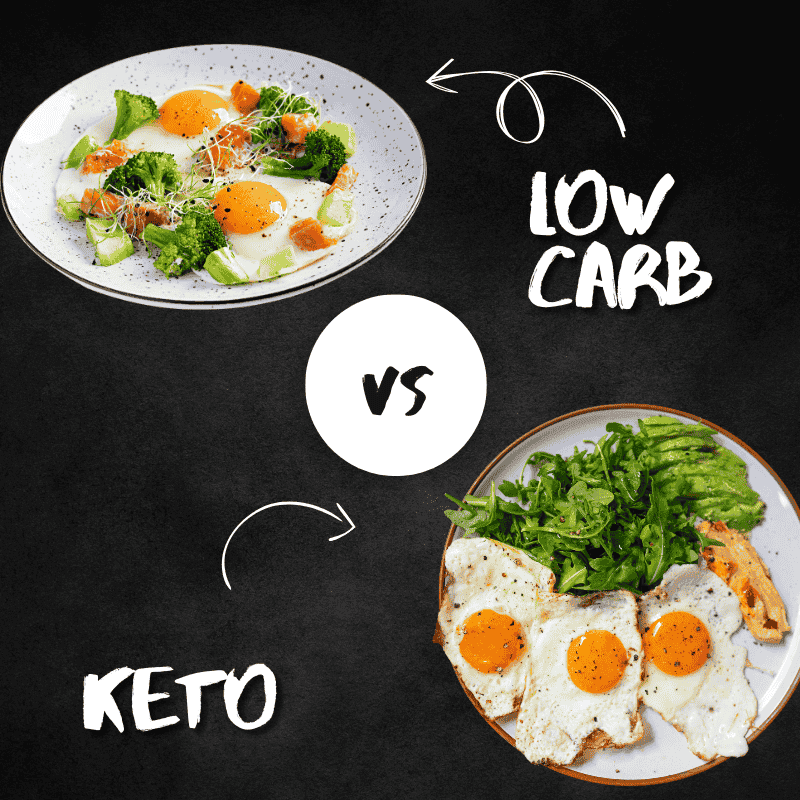
Low carb vs Keto — what’s the difference?
- Low-carb: a flexible range of carb reduction (moderate to low). Many people eat 50–150 g of carbs/day, depending on goals.
- Ketogenic (keto): a very-low-carb, high-fat plan typically <50 g carbs/day to push the body into ketosis. Keto is a stricter subset of low-carb and may require more planning and monitoring. Choose based on your health goals and sustainability.
Low carb for diabetics — special considerations
Lowering carbs can improve blood sugar and A1C for many people with type 2 diabetes, but it’s not one-size-fits-all. The ADA recommends individualized meal patterns and warns that carbohydrate changes can affect medication needs; coordination with your healthcare team is essential. Recent research also highlights that the healthiness of the low-carb diet (plant-based proteins and healthy fats vs processed meats) matters for long-term outcomes
Trending Low Carb for Beginners Articles

All Low Carb for Beginners Articles
Beginner’s Guide to Low Carb Diet: Foods, Benefits & Tips
Starting a new way of eating can feel surprisingly complicated. One website says you should count every gram of carbohydrate, another tells you to eat unlimited bacon and cheese, and someone on social media insists that fruit is suddenly the enemy. No wonder beginners...

Low Carb Diet Macros: Ratios, Calculator & Weight‑Loss Guide
This deep‑dive guide walks you step‑by‑step through mastering Low Carb Diet Macros. You’ll learn what macronutrients are, how to calculate your personalized macro targets (including high‑protein, low‑carb options and a special 1200‑calorie plan), and...

Low Carb Diet vs Carnivore Diet: The Ultimate Comparative Guide for Better Health
Welcome to our ultimate guide on the low carb diet vs carnivore diet. In this article, we dive deep into the world of dietary trends that have taken the nutrition world by storm. Whether you are interested in shedding a few pounds, optimizing your health, or simply...

7 Proven Benefits of a Low-Carb Diet (Backed by Science): A Comprehensive Health Guide
Welcome to our in-depth exploration of the Low-Carb Diet Benefits. In this article, we’ll dive into the science, share actionable tips, and discuss real-life experiences to help you understand how reducing carbohydrates can transform your health. We've got you covered...

Low Carb Alcohol Guide: Drinks to Enjoy (and Avoid)
If you're on a low-carb or keto journey and still want to enjoy a drink now and then, you've come to the right place. Welcome to our comprehensive Low Carb Alcohol Guide, where we break down everything from the science behind alcohol on a low-carb diet to actionable...
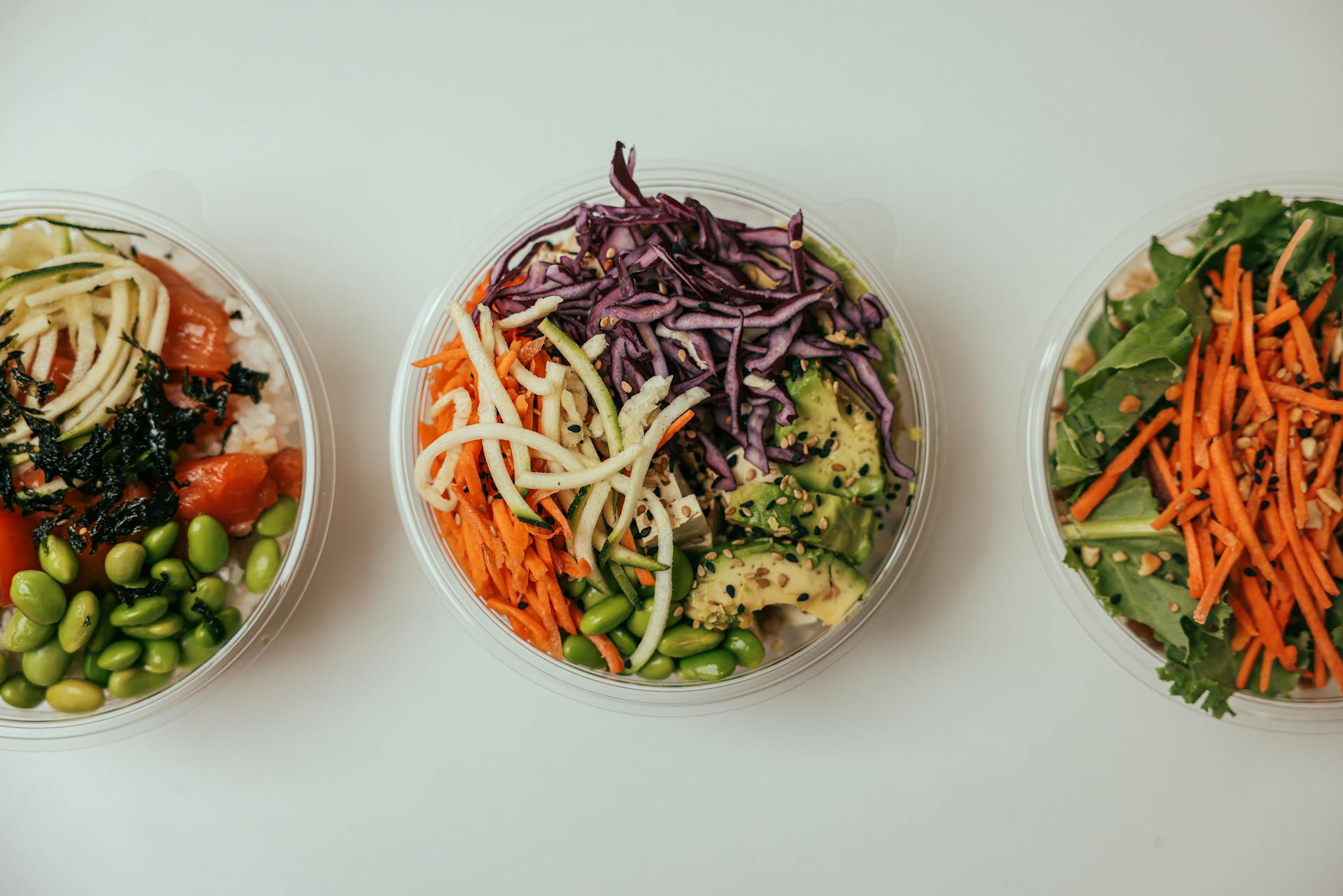
Low-Carb vs Mediterranean Diet: Which Is Healthier for You?
Low-Carb vs Mediterranean Diet is a topic that sparks lively debate among nutrition enthusiasts. In this article, we’ll dive deep into both dietary patterns, exploring their origins, nutritional profiles, health benefits, and potential drawbacks. Whether you’re...

How to Transition to a Low-Carb Diet Without Feeling Overwhelmed
Transitioning to a low carb diet can feel like a daunting task, especially if you’re used to a diet with plenty of bread, pasta, or sugary snacks. but with the right mindset and strategies, it doesn’t have to be overwhelming. This guide will walk you through a...

7 Simple Steps to Begin Your Low Carb Diet Journey
Embarking on a low carb diet journey can feel like a big leap, but with a clear path, it’s easier than you think. This guide breaks down seven simple steps that will help you kick-start your low carb lifestyle, creating a roadmap that’s both sustainable and enjoyable....
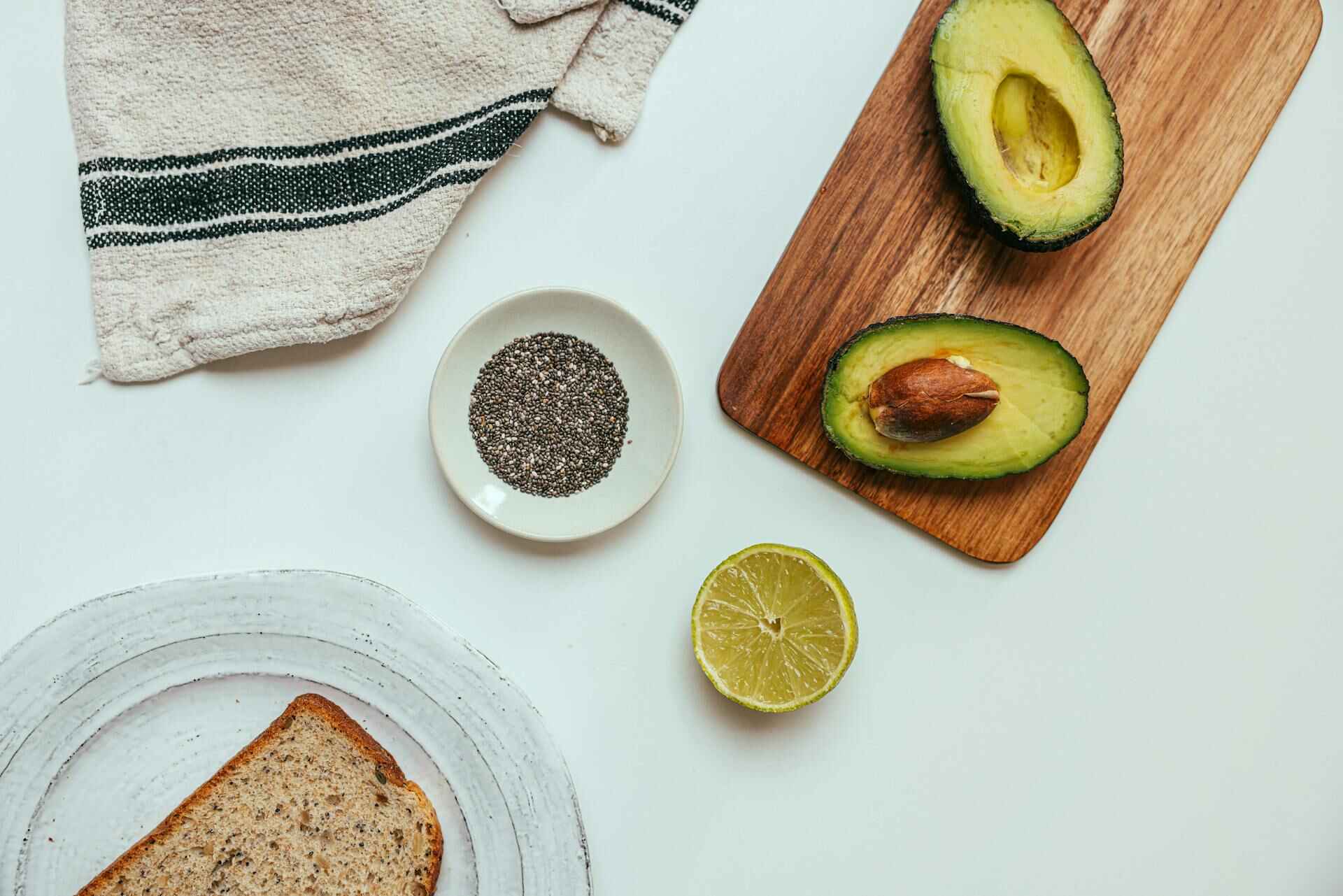
Low Carb Diet for Beginners: Step-by-Step Meal Plan
Low carb diet for beginners can seem overwhelming at first, but getting started doesn’t have to be complicated. This guide covers all the essentials: from the basics and benefits to potential challenges, along with a complete 7-day meal plan to jumpstart your journey....

Low-Carb Mediterranean Diet Plan: A Balanced Path to Health and Weight Loss
Combining the best of two popular diet trends, the Low-Carb Mediterranean Diet Plan is gaining popularity for its balanced approach to health, weight loss, and heart health. By combining the low-carb structure with Mediterranean flavors, this diet helps people enjoy...
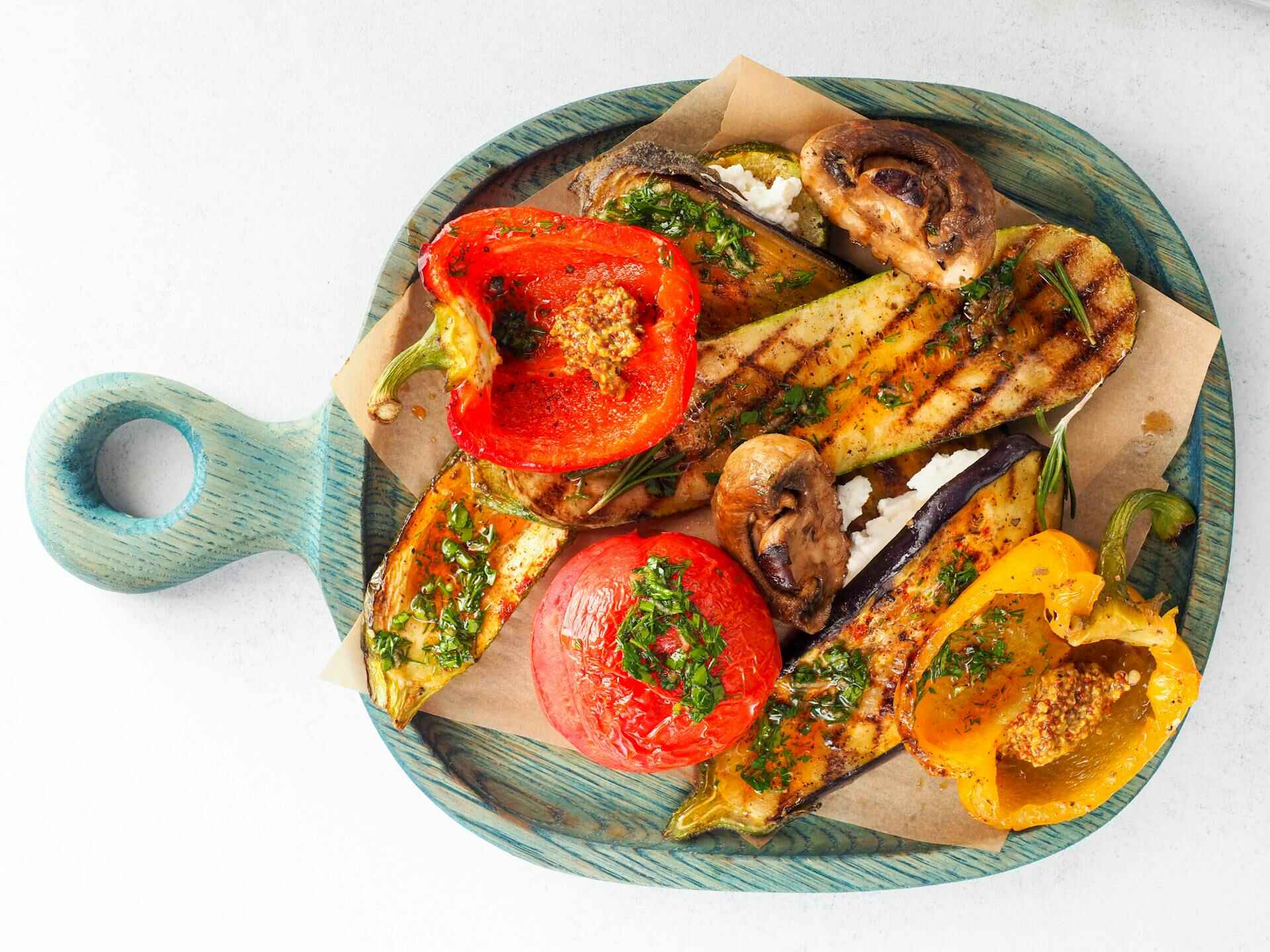
Low Carb Diet 101: How It Works, Benefits, and Why It’s Effective
Looking to try a new approach to healthy eating? The low carb diet has gained attention for its potential health benefits and effectiveness in weight loss. But what exactly is it, and why has it become so popular? This guide will break down everything you need to...
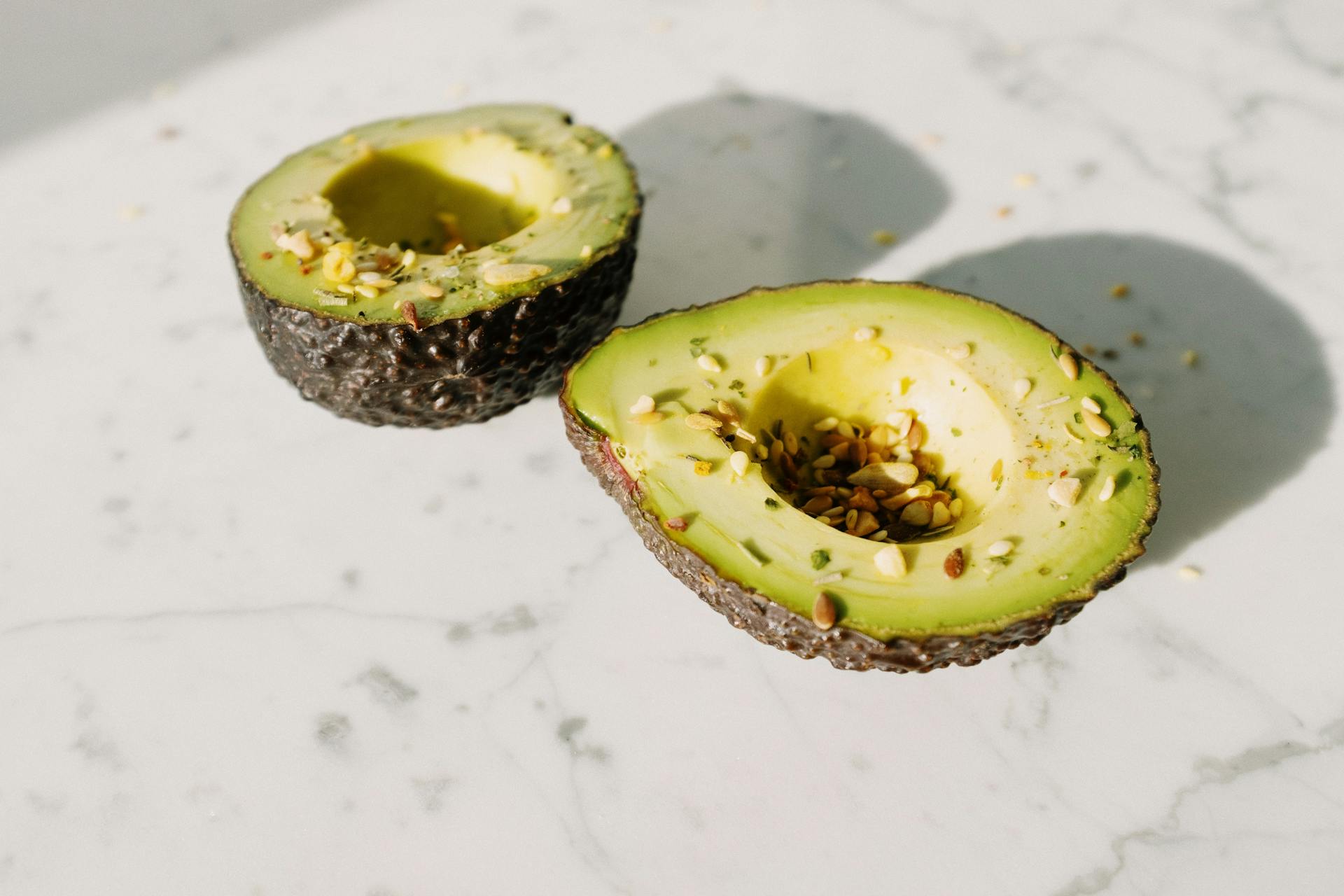
What is a Low Carb Diet? A Complete Guide for Beginners
Are you thinking about starting a low carb diet? You’re not alone. With more people looking for sustainable ways to lose weight and improve their health, low carb diets are more popular than ever. These diets focus on reducing carb intake, allowing you to emphasize...
FAQ (Low Carb Diet for Beginners)
Will I feel hungry on a low carb diet?
Initially, you may feel hungrier, but higher protein and fat increase satiety for many people. Hydration and adequate fiber help too.
Is fruit allowed?
Yes — choose lower-sugar fruits (berries) in portion sizes; avoid fruit juices and large portions of tropical fruits.
Can I exercise on low carb?
Yes; some people adjust carb timing around workouts. For high-intensity athletes, moderate carbs may be needed. Tailor to your activity level.