
Keto & Low Carb Benefits: Fast Fat Loss, Better Blood Sugar & Appetite Control
Discover science-backed keto benefits for weight loss, visceral fat reduction, blood sugar control, and appetite suppression. Practical 7-day meal plan, safety tips, athletic notes, and evidence with citations.
The complete guide to keto benefits (weight loss, blood sugar, heart markers, appetite, brain & athletic performance)
If you want rapid fat loss, fewer cravings, and better blood sugar control — this guide explains what the research actually says about the ketogenic / low carb approach, why it works, what risks to watch for, and how to start safely.
Quick summary — the high-impact takeaways
- Keto commonly produces faster short-term weight loss and greater visceral fat reduction than many higher-carb diets.
- Keto and well-formulated low carb plans can lower blood glucose and reduce diabetes medications in many people with type 2 diabetes.
- Effects on cholesterol are mixed: triglycerides and HDL usually improve, but LDL/total cholesterol can increase for some people — quality of fats matters.
- Ketone presence (and low carbs) tends to reduce appetite — that helps create the calorie deficit many need to lose weight.
How keto helps you lose fat (mechanisms)
Keto shifts your body from glucose to fat/ketone metabolism. Lower carb intake reduces insulin spikes, which tends to reduce fat storage signals and allow greater fat mobilization. Two practical results seen in trials:
- Faster early weight loss — often because of glycogen/water loss plus reduced appetite and reduced calorie intake.
- Greater visceral fat loss — several studies found a disproportionate reduction in visceral (abdominal) fat on ketogenic diets, which is important because visceral fat is closely linked to metabolic disease.
(How long to lose weight on keto? Individual. Short-term results in weeks; clinically meaningful changes commonly show within 4–12 weeks, with continued progress following adherence.)
Keto and blood sugar / diabetes
Well-formulated ketogenic or low-carb diets often produce clinically meaningful improvements in HbA1c and fasting glucose, and can reduce glucose lowering drugs in people with type 2 diabetes. Systematic reviews and clinical trials report improvements in glycemic control and medication reductions in many participants, though long-term, large randomized trials are still growing. If you have diabetes, start only under medical supervision because medications (insulin, sulfonylureas) may need rapid adjustment.
Heart health & lipid panel: what to expect
- Triglycerides: usually fall on low-carb/keto.
- HDL: typically rises (a favorable change).
- LDL / Total cholesterol: mixed — some people see increases, sometimes driven by larger LDL particles (less atherogenic), but not always. The type of dietary fat and individual response matter. Monitor lipids and work with your clinician to optimize fat choices (favor unsaturated fats and limit excess saturated fats if LDL rises).
Appetite, hunger, and satiety on keto
Clinical studies using ketogenic diets or ketone esters show reduced subjective hunger and lower ghrelin (a hunger hormone), which helps many people naturally eat less without feeling deprived. Appetite suppression is one practical reason keto often produces sustained calorie deficits for weight loss.
Mental performance & brain benefits
Ketones (especially beta-hydroxybutyrate) are an efficient fuel for the brain and may improve focus, reduce “brain fog,” and stabilize mood in some people. Evidence ranges from mechanistic studies to small clinical trials; while promising, broad claims (e.g., long-term dementia prevention) need more high-quality long-term trials.

Athletic performance & recovery
- Endurance athletes: some adapt to “fat-adapted” fuel use and sustain steady efforts well; others find high-intensity performance suffers without strategic carb timing.
- High-intensity training: athletes often use targeted carb intake (carb cycling or TKD) around workouts.
- Electrolytes & recovery: on keto, you must prioritize sodium, potassium, and magnesium to avoid performance loss and “keto flu.” (See supplements/tools below.)
Practical 7-day keto meal plan (beginner friendly)
Notes:
- Net carb estimates are approximate and depend on exact portions and brands.
- Adjust protein to preserve muscle (moderate protein), and use mostly unsaturated fats.
- Drink water, salt lightly (especially first week), and include magnesium/potassium if you feel “keto flu.”
- Vegetarian swaps and budget options are listed after the plan.
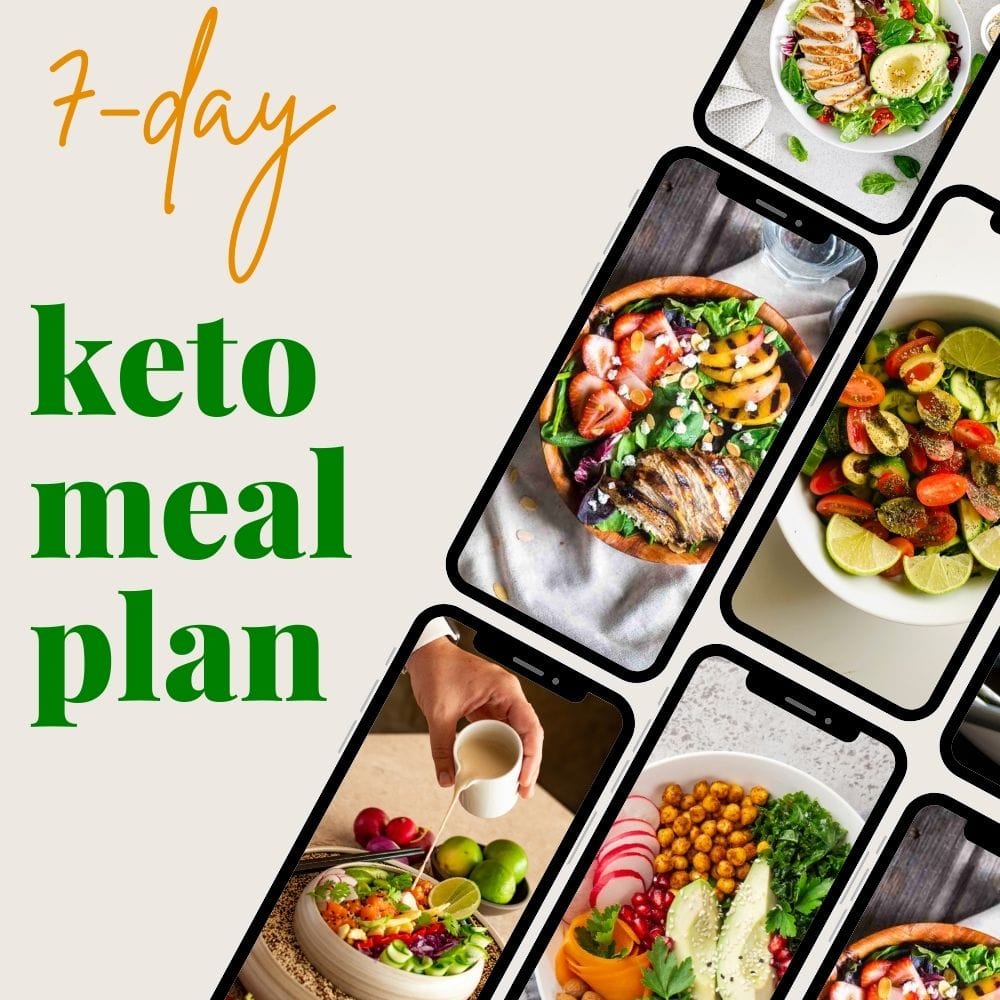
Day 1 (example / repeatable)
- Breakfast — 2 eggs scrambled with spinach + 1/2 avocado
- Lunch — Grilled chicken salad (olive oil, olives, feta, mixed greens)
- Snack — Full-fat Greek yogurt (50–100 g) + 6 raspberries
- Dinner — Salmon, roasted broccoli, cauliflower mash (butter + splash cream)
- Approx net carbs: 18–28 g
Day 2
- Breakfast — Cheese & herb omelet (2–3 eggs, cheddar, chives)
- Lunch — Tuna salad lettuce wraps (canned tuna, mayo, celery, dill)
- Snack — 10–12 almonds + cucumber slices with cream cheese
- Dinner — Pork chop, sautéed green beans, side salad (olive oil)
- Approx net carbs: 20–30 g
Day 3
- Breakfast — Greek yogurt bowl: full-fat Greek yogurt + 1 tbsp chia seeds + 6–8 blueberries
- Lunch — Zucchini noodle “pesto” bowl with grilled shrimp or chicken (zoodles, basil pesto, Parmesan)
- Snack — Olives + small piece of hard cheese
- Dinner — Beef & mushroom skillet with cauliflower rice
- Approx net carbs: 22–34 g
Day 4
- Breakfast — Avocado + smoked salmon on a bed of arugula (sprinkle lemon, pepper)
- Lunch — Egg salad (hard-boiled eggs, mayo, mustard) on mixed greens
- Snack — Celery sticks + almond butter (1 tbsp)
- Dinner — Stuffed bell peppers (low-carb): ground turkey/beef mixed with cauliflower rice, spices, small sprinkle of cheese
- Approx net carbs: 20–35 g
Day 5
- Breakfast — Keto smoothie: unsweetened almond milk, ½ avocado, scoop protein powder (low-carb), handful spinach, ice (watch carbs)
- Lunch — Leftover pork or chicken salad with avocado & olive oil
- Snack — Pumpkin seeds (1–2 tbsp)
- Dinner — Zucchini lasagna (layers of roasted zucchini, ricotta, meat sauce, mozzarella)
- Approx net carbs: 25–40 g (smoothie can vary; reduce berries if needed)
Day 6
- Breakfast — 2 eggs fried + sautéed mushrooms + 1/4 avocado
- Lunch — Chicken Caesar salad (no croutons) — use homemade Caesar dressing or low-sugar store dressing
- Snack — Small portion of cottage cheese + 4 raspberries
- Dinner — Pan-seared cod with lemon butter and sautéed spinach; side cauliflower mash
- Approx net carbs: 18–30 g
Day 7
- Breakfast — Egg muffin cups (baked eggs with spinach, bacon or ham, cheese — make a batch)
- Lunch — Keto taco bowl: seasoned ground beef, shredded lettuce, salsa (low-sugar), cheddar, guacamole
- Snack — Seaweed snacks + 6 macadamia nuts
- Dinner — Roast chicken thighs, roasted Brussels sprouts tossed in olive oil and lemon
- Approx net carbs: 20–35 g
Foods to eat & avoid — short checklist
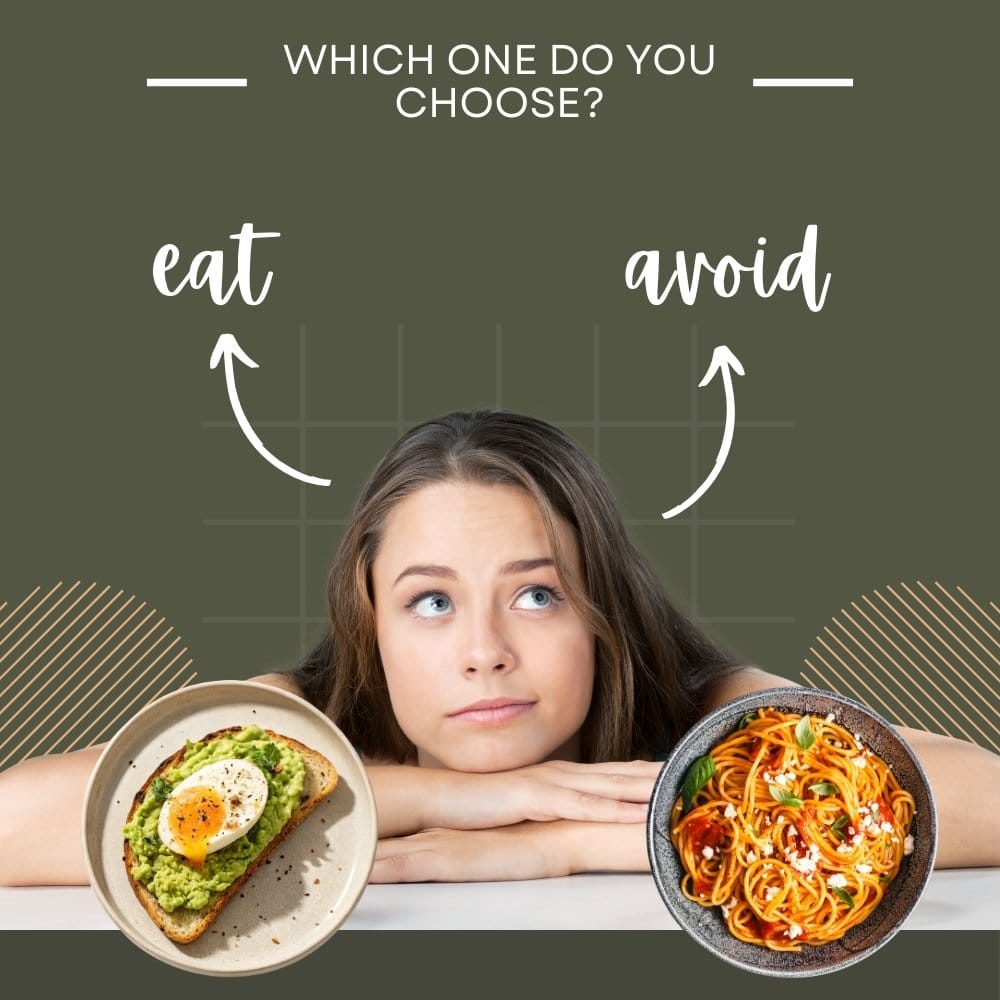
- Eat: fatty fish, olive oil, avocados, eggs, leafy greens, broccoli, cauliflower, nuts & seeds, full-fat dairy (if tolerated), pasture-raised meats.
- Avoid: breads, rice, pasta, sugar, starchy vegetables (potatoes), most fruit (small amounts of berries are ok), sugary sauces.
- Sweeteners: Stevia and erythritol are commonly used; avoid sugar alcohols that upset digestion if you’re sensitive.
Side effects & safety — what to watch for
Common short-term effects: “keto flu” (fatigue, lightheadedness), constipation, changes in bowel habits — often preventable with enough fluids, electrolytes, fiber. Long-term concerns include potential LDL increases, nutrient gaps (fiber, some vitamins/minerals), effects on bone or kidney health in specific populations; pregnant/breastfeeding people, those with certain medical conditions, or children should consult clinicians before starting. Regular labs (lipids, kidney function, electrolytes) and clinical follow-up are recommended.
Special populations & conditions
- PCOS / insulin resistance: Many people with PCOS see improvements in insulin sensitivity and weight.
- Type 2 diabetes: can reduce A1C and medication needs under supervision.
- Elderly / seniors: may need adjusted protein and bone-health monitoring.
- Athletes / shift workers: require custom carb timing and electrolyte strategy.
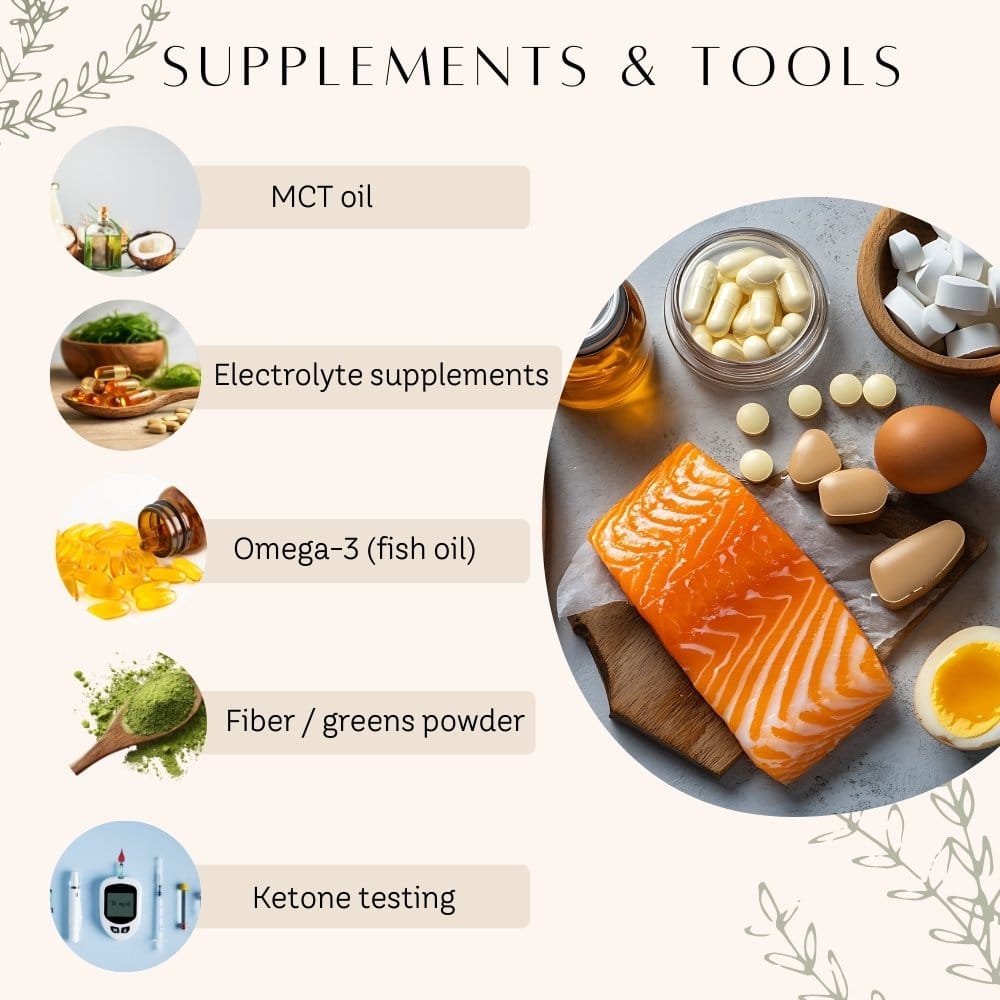
Supplements & tools (what tends to help)
- MCT oil (for ketone support and quick energy)
- Electrolyte supplements (sodium, potassium, magnesium) — essential early on
- Omega-3 (fish oil) for heart health
- Fiber / greens powder or low-carb veg to protect gut health
- Ketone testing (blood meter or breath), if you want objective ketosis tracking
Dealing with plateaus & sustainability
- Re-check calories and protein — even on keto, a calorie deficit is necessary for weight loss.
- Try cyclical or targeted carb strategies if performance or social eating demands flexibility.
- Reintroduce carbs slowly and monitor weight and blood sugar to avoid rebound gain.
How I recommend you start (step-by-step)
- Talk to your clinician if you’re on medication, pregnant, or have a chronic disease.
- Pick a realistic carb target (e.g., 20–50 g net carbs/day to start) and plan protein to preserve muscle.
- Prioritize high-fiber low-carb veg, lean proteins, and mostly unsaturated fats.
- Add electrolytes and hydrate.
- Reassess at 4–8 weeks with weight, waist, energy levels; check labs at baseline and 3 months.
Trending Health Benefits Articles

All Keto Health Benefits Articles

Apple Cider Vinegar for Keto: Weight, Blood Sugar & Ketone Tips
Apple cider vinegar on keto — sounds trendy, right? But is it useful, harmless, or a tiny miracle in a bottle? This guide walks you through the what, why, how, and safety of using apple cider vinegar on keto with plain-language science, real tips, and easy recipes....
![How Low Carb and Ketogenic Diets Boost Brain Health [Benefits & Effects]](https://eathealthyisgood.com/wp-content/uploads/2023/11/pexels-ella-olsson-1640773-1.jpg)
How Low Carb and Ketogenic Diets Boost Brain Health [Benefits & Effects]
Curious how what you eat can actually change the way you think? The ketogenic diet brain health connection is drawing attention — from life-changing seizure control in children to promising early results for memory, mood, and mental clarity. Whether you’re...

How To Use The Ketogenic Diet for Productivity and Mental Clarity
Beginning in the 1920s, the ketogenic diet, or "keto" diet, has been adopted by many for weight reduction and to aid people with diabetes or epilepsy. It consists of consuming predominantly fat and protein as energy sources, with minimal carbs. But there's another,...

7 Keto Diet Benefits Beyond Weight Loss
If you've recently browsed a magazine rack, you've undoubtedly seen the "Keto for weight loss" subject presented appealingly. Something along the lines of: By making just ONE alteration to my Keto diet, I dropped 26 pounds. On the other hand, fewer periodicals...

The Perfect Keto Coffee Recipes: What Is It and What Are The Benefits?
Should I start my day with a mug of scalding hot Keto coffee? Many Keto dieters have asked themselves this question. They've heard about BULLETPROOF® coffee and want to know if Keto coffee will benefit their health. Don't worry if you don't know what BULLETPROOF®...

What is MCT Oil? Benefits, How Can It Help with My Keto Diet, Side Effects, and More
MCTs (medium-chain triglycerides) are a kind of fat present in various foods, including coconuts and dairy. Due to their unique health benefits, MCTs have recently garnered significant attention in the health and wellness sector. You may have noticed an increased use...

The Keto Diet & Cholesterol: Does It Help or Hurt?
One of the individuals' most common reservations about starting a ketogenic diet is that it may result in dangerously high cholesterol. Or, more particularly, that eating a higher-fat diet raises serum cholesterol, increasing your chance of getting heart disease. This...

What are the Paleolithic-Ketogenic Diet (PKD) Benefits?
The ketogenic diet is low in carbohydrates, moderate in protein, and high in fat. It induces ketosis in the body, which means that instead of glucose, the body burns fat for energy. On the traditional ketogenic diet, food quality is rarely defined. It may be...
PCOS & Keto: A Promising Treatment for Polycystic Ovary Syndrome
The most prevalent endocrine condition affecting women is polycystic ovary syndrome (PCOS). In this post, we look at some promising findings for treating PCOS and the association between the ketogenic diet and the illness. What is PCOS? It is a complicated illness and...

Vegetarian Keto Diet Plan: Benefits, Drawbacks, Food Lists, and More
The health advantages of vegetarian and ketogenic diets have been thoroughly researched (1, 2). The ketogenic or keto diet is a high-fat, low-carb diet that has recently gained popularity. Although it often incorporates animal items such as meat, fish, and poultry, it...
Speed Keto One Meal a Day: What You Should Know About this Combining Diets with Keto
Speed Keto is a high-fat diet approach designed to bring you into a fat-burning condition known as ketosis as rapidly as possible. Speed Keto mixes keto with intermittent fasting, when you only consume one meal daily. According to experts, Fast Keto is unsustainable...
Vegan Keto Diet Guide: Benefits, Food List and Sample Menu
The ketogenic diet is a high-fat, low-carb, moderate-protein diet that has been pushed for its significant weight reduction and general health benefits. While this eating style is frequently linked with animal products, it may be altered to meet plant-based meal...
FAQs
Will keto lower my A1C?
Many trials show A1C reductions and medication decreases in type 2 diabetes patients on low-carb/keto plans, but you must coordinate medication changes with your clinician.
Is keto safe for my cholesterol?
Lipid responses vary — triglycerides and HDL often improve, LDL sometimes rises. Choose unsaturated fats and monitor labs.
How long before I see fat loss results?
Many people see measurable changes in 4–12 weeks, with faster initial weight loss due to glycogen/water loss followed by fat loss, especially visceral fat.