Sweeteners such as Stevia, sucralose, erythritol, xylitol, monk fruit, and yacon syrup are easy to incorporate into a low carb or ketogenic diet. On a low carb diet, you should limit your intake of additional sweeteners rich in carbohydrates or sugar.
Following a ketogenic diet entails limiting high-carbohydrate items such as grains, sweets, and processed snacks.
This is critical for achieving ketosis, a metabolic state in which your body breaks down fat stores instead of carbohydrates to create energy (1).
Ketosis also necessitates reducing sugar consumption, making sweetening drinks, baked products, sauces, and dressings difficult.
Fortunately, there are a variety of low carb sweeteners available.
Here are the six most excellent sweeteners for a low carb keto diet and six to avoid.
1. Stevia
Stevia is a natural sweetener obtained from the plant Stevia rebaudiana.
It’s classified as a nonnutritive sweetener, which means it has few or no calories or carbohydrates (2).
Unlike ordinary sugar, Stevia has been demonstrated in animal and human research to help reduce blood sugar levels (3).
Stevia is available in liquid and powdered forms and may be used to sweeten various foods, including beverages and desserts.
Because Stevia is significantly sweeter than ordinary sugar, meals call for less to produce the same flavor.
Substitute one teaspoon (tsp) or 4 g of powdered Stevia for each cup (200 g) of sugar.
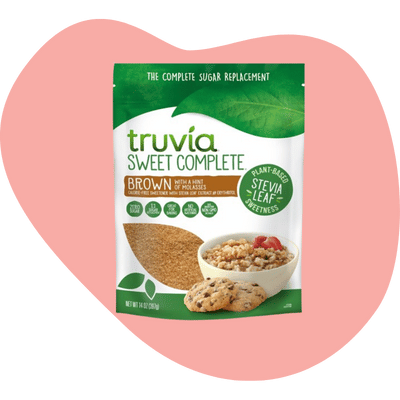
Swap sugar without sacrifice — Truvia Sweet Complete is a granulated, zero-calorie, cup-for-cup sugar replacement made from erythritol, chicory root fiber, and stevia leaf extract. It bakes and browns like sugar, is keto- and diabetes-friendly, non-GMO, vegan, and comes in a handy 16-oz resealable bag for everyday use.

2. Sucralose
Sucralose is an artificial sweetener that is not metabolized, which means it goes through your body undigested, providing no calories or carbohydrates (4).
Splenda is the most trendy sucralose-based sweetener on the market, and it’s expected since it doesn’t have the bitter taste of many other artificial sweeteners (4).
While sucralose is calorie-free, Splenda contains maltodextrin and dextrose, 2 carbs that provide approximately three calories, and 1 g of carbs in each package (5).
Sucralose, unlike other forms of sweeteners, may not be a viable alternative to sugar in baking recipes.
Some investigations have indicated that sucralose can create hazardous chemicals when subjected to high temperatures (6, 7).
Instead, use sucralose to sweeten liquids or meals like oatmeal and yogurt while baking with other sweets.
In most recipes, Splenda may be used instead of sugar in a 1:1 ratio.
Pure sucralose, on the other hand, is 600 times sweeter than conventional sugar, so you’ll only need a minimal quantity to replace sugar in your favorite dishes (8).
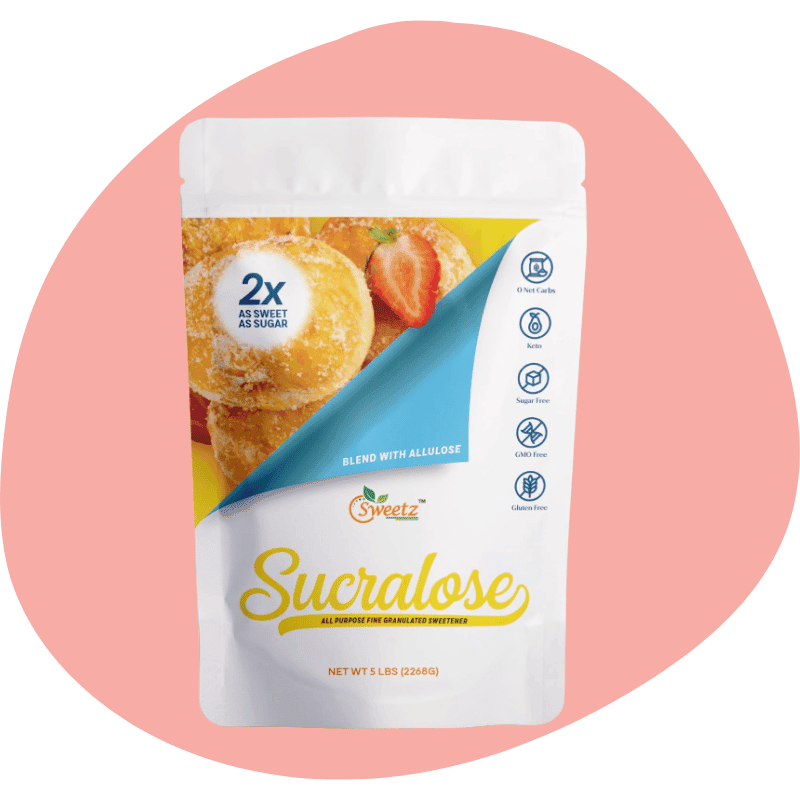
Sweeten everything without the calories — an Allulose–Sucralose blend that’s 2× as sweet as sugar but zero calories, making it a perfect sugar-free substitute for baking, coffee, smoothies, and everyday recipes. Huge value pack: 1,134 total servings, dissolves easily, and fits low-carb/keto lifestyles.a
3. Erythritol
Erythritol is a sugar alcohol, a naturally occurring family of chemicals that trigger the sweet taste receptors on your tongue to imitate the taste of sugar (9).
It has up to 80% of the sweetness of ordinary sugar but just 5% of the calories, with only 0.2 calories per gram (10).
Furthermore, even though erythritol contains 4 g of carbohydrates per tsp (4 g), studies suggest it may help reduce blood sugar levels in your body (11, 12, 13).
Furthermore, because of its decreased molecular weight, it does not often induce the digestive difficulties associated with other forms of sugar alcohols (14).
Erythritol is used in cooking and baking and can be used instead of sugar in several recipes.
Remember that it also has a cooling sensation and does not dissolve like sugar, leaving meals with a bit of a gritty texture.
For the best results, use 1 1/3 cups (267 g) of erythritol for each cup (200 g) of sugar.
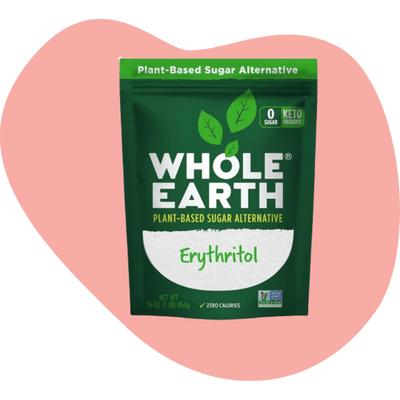
Whole Earth Golden Sweetener blends erythritol and monk fruit into a plant-based, zero-calorie 1:1 sugar substitute with a warm golden color that bakes, dissolves, and browns like sugar — no artificial colors or preservatives, and keto-friendly for low-carb lifestyles.
4. Xylitol
Xylitol is another form of sugar alcohol in sugar-free gum, sweets, and mints.
It tastes like sugar but has just three calories per serving and 4 g of carbs per teaspoon (4 g) (15, 16).
However, the carbs in xylitol, like other sugar alcohols, do not count as net carbs since they do not boost blood sugar or insulin levels to the extent that sugar does (17).
Xylitol may be readily added to tea, coffee, shakes, or smoothies for a low carb taste boost.
It also works well in baked products, but may necessitate more liquid in the recipe because it absorbs moisture and increases dryness.
Because xylitol is equally sweet as ordinary sugar, it may be substituted in a 1:1 ratio.
Take note that large amounts of xylitol have been linked to digestive issues, so minimize your consumption if you experience any adverse effects (14).
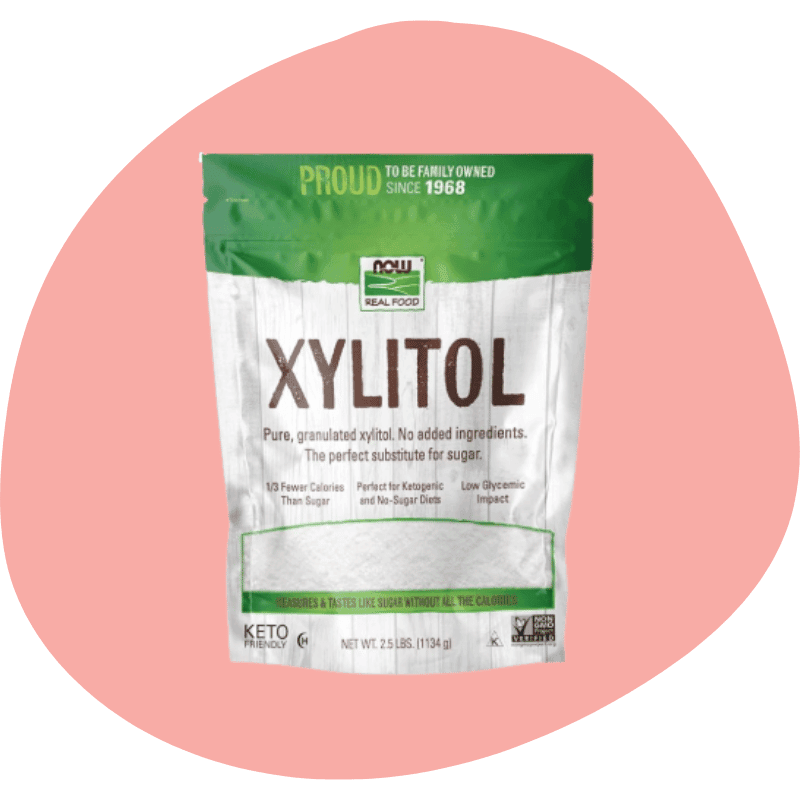
NOW Foods Xylitol — Pure, sugar-like sweetness with none of the extras. This 2.5-lb bag contains 100% xylitol (no added ingredients), a low-glycemic, low-calorie sweetener that measures like sugar, dissolves easily for coffee, baking, and tabletop use, and fits keto-friendly lifestyles. Great when you want a clean, natural sweetening option—packaging may vary.
5. Monk fruit sweetener
As the name suggests, monk fruit sweetener is a typical sweetener derived from the monk fruit, a plant native to southern China (18).
It includes natural sugars and antioxidant chemicals known as mogrosides, which contribute to most of the fruit’s sweetness (19).
Monk fruit sweetener can be 100-250 times sweeter than regular sugar, depending on the content of mogrosides (20).
Monk fruit extract has no calories or carbs, making it an excellent choice for a ketogenic diet.
According to one earlier study, mogrosides may also promote the production of insulin, which can enhance the transit of sugar out of the bloodstream and help regulate blood sugar levels (21).
When purchasing monk fruit sweeteners, read the contents list carefully because monk fruit extract is occasionally blended with sugar, molasses, or other sweeteners, which might change the total calorie and carb content.
Monk fruit sweetener can be used in place of regular sugar.
The amount you use will change depending on the other components in the product.
While some propose using an equal quantity of monk fruit sweetener instead of sugar, others recommend lowering the amount by half.
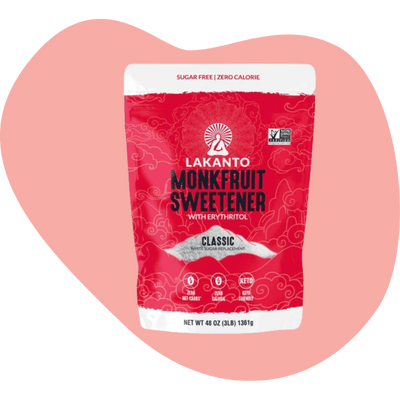
Swap sugar cup-for-cup with Lakanto Classic Monkfruit Sweetener — a 1:1 white sugar replacement made from monk fruit and erythritol that bakes, browns, and tastes like sugar but with zero calories and zero glycemic impact. Keto-, paleo-, and vegan-friendly, this handy 8.29-oz bag is perfect for coffee, baking, and everyday sweetening.
6. Yacon syrup
Yacon syrup is made from the yacon plant’s roots, a tuber extensively farmed in South America.
The yacon plant’s delicious nectar is high in fructooligosaccharides (FOS), a soluble fiber that your body cannot process (22).
It also contains several simple sugars, such as sucrose, fructose, and glucose (23).
Because your body does not assimilate a significant amount of yacon syrup, it has around half the calories of conventional sugar, with just seven calories per tsp, or 5 (mL) (24, 25).
Furthermore, although having roughly 4 g of carbs per tsp (5 mL), studies demonstrate that the carbs in yacon syrup do not alter blood sugar as ordinary sugar does.
Indeed, human and animal research has revealed that yacon syrup may help lower blood sugar and insulin levels and enhance blood sugar management (26, 27).
Yacon syrup is best used as a substitute for sugar in coffee, tea, cereal, and salad dressings.
Cooking with yacon syrup, on the other hand, is not advised since the fructooligosaccharides can degrade when exposed to high temperatures, according to some earlier studies (28).
Replace molasses, corn syrup, or cane juice with equivalent yacon syrup.
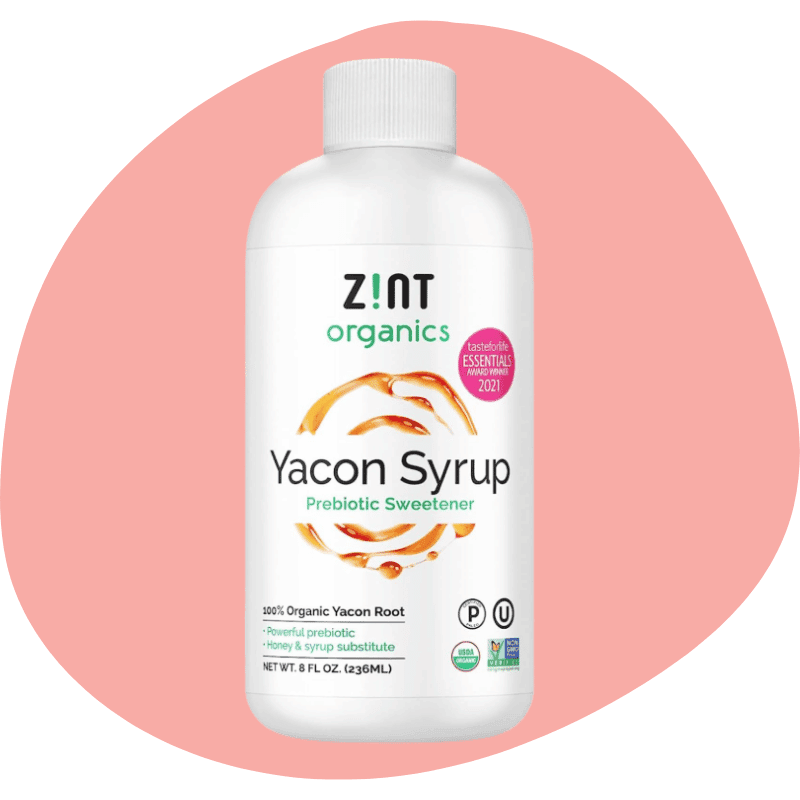
Pure, golden sweetness with a gut-friendly twist — Organic Yacon Syrup (8 fl oz) is a 100% pure, USDA-organic yacon root syrup that tastes like caramelized honey but with a low glycemic index and powerful prebiotic fructooligosaccharides (FOS) to help feed healthy gut bacteria. Use it as a honey or syrup substitute in coffee, smoothies, yogurt, and baking — paleo-certified, non-GMO, and award-winning.
Sweeteners to avoid on a low carb keto diet
While numerous low carb sweetener alternatives exist for a ketogenic diet, many more aren’t optimal.
Here are a few carb-heavy sweets that can spike blood sugar levels and disrupt ketosis:
- Maltodextrin: This highly processed sweetener is made from starchy plants such as rice, corn, or wheat and has the same calories and carbs as regular sugar (29).
- Honey: Because high-quality honey includes antioxidants and minerals, it is preferable to processed sugar. It is, however, heavy in calories and carbs and may not be ideal for a keto diet (30).
- Coconut sugar: Coconut sugar, made from coconut palm sap, is absorbed more slowly than regular sugar. It is, however, abundant in fructose, which can lead to poor blood sugar regulation (31, 32).
- Maple syrup: Each serving contains micronutrients such as manganese and zinc, but is also heavy in sugar and carbs (33).
- Agave nectar: Agave nectar contains around 80% fructose, which can reduce insulin sensitivity and contribute to metabolic syndrome, making it harder for your body to control blood sugar levels (32, 34).
- Dates: This dried fruit is frequently used to sweeten meals naturally. Dates contain many carbs (35), although they provide a small amount of fiber, vitamins, and minerals.
The Bottom Line
To achieve ketosis, you must restrict your carb intake and reduce your use of added sugar.
Fortunately, numerous sweeteners that may be utilized on a low carb keto diet are still available.
To add taste while keeping low carb, use these sweeteners in moderation as part of a healthy and compatible keto diet.


0 Comments