
Food prices are still pushing a lot of people to rethink lunch, and the pressure is real. The USDA reported that U.S. food-at-home prices increased 2.3% in 2025 compared with 2024, and March 2026 food prices were 2.7% higher than March 2025. That does not mean a low carb lunch has to drain your wallet.
It just means you need a smarter lunch formula: buy the right staples, build meals with volume and texture, and use flavor the way a good designer uses color — in small, powerful strokes.
The good news is that current recipe roundups keep proving the same point from different angles. Budget Bytes highlights a large collection of budget-friendly low carb recipes, Taste of Home has fresh low carb lunch collections, and EatingWell continues publishing make-ahead low carb lunch ideas that lean on simple proteins and vegetables. That pattern matters because it shows the winning formula is not fancy at all. It is repeatable, practical, and built around ingredients regular shoppers actually buy.
Why budget-friendly low carb lunches matter right now
Budget-friendly low carb lunches matter because grocery costs are still pushing people to make more deliberate choices at the store. The USDA’s Food Price Outlook says U.S. food-at-home prices increased 2.3% in 2025 compared with 2024, and that March 2026 food prices were 2.7% higher than March 2025. That kind of pressure makes lunch one of the easiest ways to save money without sacrificing flavor or satisfaction. When you build meals around affordable staples instead of pricey specialty products, you keep your weekly food budget steadier and your lunch routine much easier to repeat. (1, 2)
This matters even more for low carb eaters because a lot of people assume low carb automatically means expensive. It does not.
Current guidance and recipe collections keep showing the same affordable core ingredients: eggs, canned fish, cheaper cuts of meat, and non-starchy vegetables that can be bought fresh, frozen, or on sale. Healthline’s budget keto guide specifically highlights those foods as low-cost options, which is a strong reminder that low carb eating can be simple, practical, and wallet-friendly at the same time. (3, 4)
There is also a big convenience factor. EatingWell’s recent low carb lunch roundup focuses on make-ahead meals like tuna salad and crustless quiches, which tells you that people want lunches that are easy to prep in advance and still hold up well during the week.
That is exactly why budget-friendly low carb lunches work so well for busy schedules: they save money, reduce decision fatigue, and cut down on last-minute takeout. (5)
The best part is that this style of eating does not have to feel restrictive. When you use inexpensive ingredients like eggs, cabbage, tuna, chicken, cauliflower, and lettuce, you can build lunches that still taste fresh and satisfying. In other words, the goal is not to eat “cheap food.” The goal is to buy smart ingredients that stretch, reheat well, and turn into several different meals without losing their appeal. That is what makes this approach work for dieters in real life.
The budget formula for filling low carb lunches
A budget-friendly low carb lunch works best when you stop thinking in terms of a single recipe and start thinking in terms of a simple structure. The most reliable formula is protein + vegetables + flavor. That combination gives you a meal that feels complete, stays satisfying, and does not depend on expensive specialty products. USDA food price data shows grocery costs are still a real concern, so the smartest lunch strategy is the one that stretches ingredients across several meals instead of spending more on convenience items.
This formula also makes lunch easier to repeat without getting bored. Current low carb lunch collections from EatingWell lean heavily on make-ahead tuna salads, crustless quiches, lettuce wraps, and protein-focused bowls, which is a strong sign that people want meals that are simple, portable, and practical for the workweek.
That is exactly what the budget formula delivers: it keeps the cart small, the prep fast, and the flavor strong. (6)
Choose a protein anchor
The protein anchor is the part of the lunch that does the heavy lifting. It is what keeps you full, helps the meal feel substantial, and gives the rest of the ingredients a clear purpose. On a budget, the best anchors are usually eggs, canned tuna, canned salmon, leftover chicken, turkey, and other simple proteins that can be reused in more than one lunch. Healthline’s budget keto guidance specifically points to eggs, canned fish, cheaper cuts of meat, and non-starchy vegetables as affordable staples, which makes this approach both practical and cost-conscious.
The real advantage of choosing one protein anchor is that it simplifies everything else. If lunch starts with tuna, you can make tuna salad, tuna lettuce wraps, tuna cucumber boats, or a tuna bowl over greens. If it starts with eggs, you can turn them into egg salad, frittata slices, or a quick chopped salad topper. That kind of flexibility is what keeps budget meals from feeling repetitive, because the protein stays familiar while the presentation changes. Current low carb lunch recipe roundups lean heavily on these kinds of protein-centered meals for exactly that reason.
Add low-cost volume with vegetables
Vegetables are where a low carb lunch becomes filling without becoming expensive. The goal is not just to add “something green.” The goal is to add volume, crunch, color, and texture so the meal feels bigger and more satisfying. Cabbage, lettuce, cucumber, broccoli, and cauliflower are especially useful because they are versatile, relatively inexpensive, and easy to stretch across multiple lunches. Healthline includes broccoli, cauliflower, and other low carb vegetables in its recommended low carb foods, and its budget guidance also notes that non-starchy vegetables are one of the best ways to keep costs under control.
This is also where frozen produce can be a smart move. Frozen cauliflower rice, broccoli, and spinach can save time and reduce waste, which matters when you are trying to keep the lunch budget tight. USDA food-price reporting also shows vegetable prices can swing sharply from month to month, so building meals around flexible vegetables helps you adapt instead of overpaying for one item. A lunch built on cabbage or cauliflower does not just stay lower in carbs; it also gives you more room to manage price changes without rewriting your whole meal plan.
Use sauces and seasoning for variety
If protein is the engine and vegetables are the frame, sauces and seasoning are the paint. This is the part that makes a cheap lunch feel intentional instead of plain. A spoonful of mustard, a little mayo, vinegar, garlic powder, chili flakes, herbs, yogurt, or a low-sugar dressing can change the entire personality of the meal without adding much cost. That is why the best budget low carb lunches are not bland at all; they are built from a small set of ingredients that get transformed by flavor. Current high-protein and low carb lunch roundups regularly show this pattern through tuna salad dressings, yogurt-based mixtures, and bold seasoning choices.
Variety matters because boredom is expensive. When food tastes repetitive, people are more likely to order takeout, grab snacks, or abandon meal prep altogether. A budget lunch should do the opposite. One day can lean creamy, another can lean tangy, and another can lean smoky or spicy, all from the same basic grocery list. That kind of rotation keeps the lunches interesting while protecting your wallet, and it is one of the easiest ways to make low carb eating sustainable over time.
Cheapest low carb ingredients to keep on hand
The smartest low carb lunch plan starts with ingredients that earn their place in the kitchen week after week. That means choosing foods that are flexible, filling, and easy to turn into more than one meal instead of buying specialty products that only work once. USDA’s 2026 Food Price Outlook also makes the case for this approach, since egg prices and vegetable prices have been volatile, which means smart shoppers benefit from keeping a short list of reliable staples they can mix and match.
The goal is simple: build lunches from ingredients that stretch, not ingredients that drain the budget. (7)
| Ingredient | Why it works | Best flavor pairings | Budget tip |
|---|---|---|---|
| Eggs | Cheap, filling, fast | mustard, chives, paprika, pickles | buy larger packs when on sale |
| Canned tuna | Shelf-stable protein | mayo, yogurt, celery, relish | stock up during discounts |
| Chicken thighs | Usually cheaper than breast meat | garlic, lemon, cumin, chili | roast extra for tomorrow’s lunch |
| Cabbage | High volume, low cost | sesame, vinegar, soy sauce, herbs | buy whole heads instead of bags |
| Cauliflower | Great rice or mash swap | curry, cheese, butter, salsa | frozen can be just as useful |
| Cucumbers | Crunchy and refreshing | dill, yogurt, vinegar | use in salads and wraps |
Eggs and egg-based meals
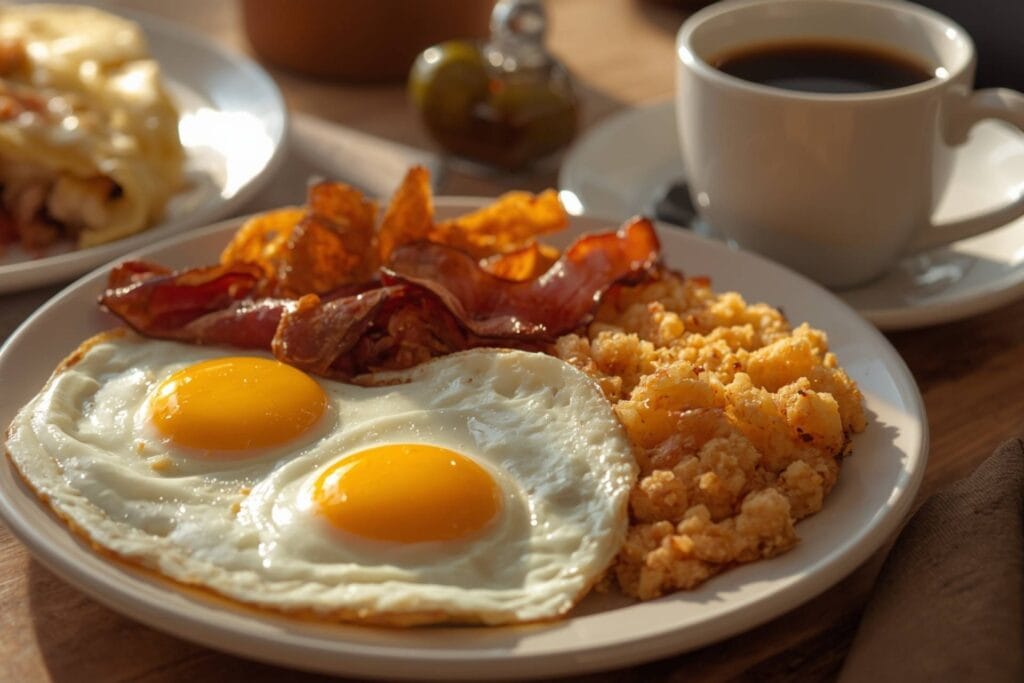
Eggs are one of the easiest low carb ingredients to keep on hand because they work in almost every kind of lunch. USDA’s MyPlate materials place eggs in the Protein Foods Group, which is exactly why they show up so often in meal prep, egg salad, frittatas, and quick lunch bowls. They are also easy to cook in batches, which saves time during the week and makes it easier to assemble a lunch without thinking too hard. If you want one ingredient that can become breakfast for lunch, a salad topper, or a full chilled meal, eggs are hard to beat. (8, 9, 10)
Eggs are also practical because they pair well with cheap flavor boosters. A little mustard, mayo, pickle, pepper, paprika, or chopped herbs can turn a plain boiled egg into egg salad or a more interesting lunch box protein. USDA’s 2026 outlook says egg prices are forecast to decline in 2026 after a period of volatility, which makes eggs especially worth watching as a budget staple rather than treating them like a luxury item. That combination of versatility and shifting price outlook is exactly why eggs deserve a permanent spot in a budget low carb pantry.
Canned tuna, salmon, and sardines
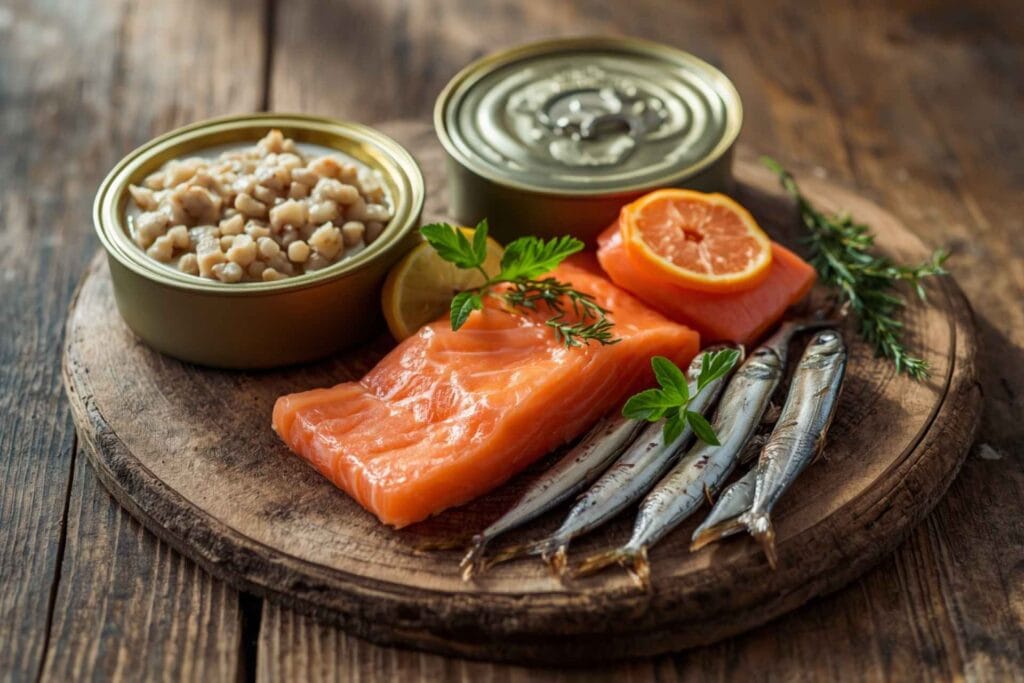
Canned seafood is one of the most underrated tools for cheap, low carb lunches because it is shelf-stable, fast, and already portioned. USDA’s MyPlate tuna fact sheet says canned tuna counts in the Protein Group, and the USDA protein reference data also lists tuna as a protein-rich food. That means you are not just buying convenience; you are buying a lunch foundation that can become tuna salad, lettuce wraps, cucumber boats, or a chilled bowl with crunchy vegetables. The same logic applies to canned salmon and sardines, which are also compact protein options that store well and keep lunch prep simple. (11)
Smart shopping and meal prep strategy
The real secret behind budget-friendly low carb lunches is not a single recipe. It is a shopping system. When you buy the right ingredients, prep them in a smart order, and reuse them in different combinations, lunch gets cheaper and easier at the same time. USDA’s Food Plans show that Americans can build meals at different cost levels, which is a helpful reminder that a low-cost lunch plan is not random luck — it is something you can design on purpose. The goal is to keep a short, flexible list of foods in rotation so you are never starting from zero. (12)
This approach also fits the way current low carb lunch content is being framed. EatingWell’s recent make-ahead lunch roundups focus on meals that are easy to prep, easy to pack, and easy to repeat during the week, which is exactly what a good budget strategy should do. Instead of cooking separate lunches every day, you prep a few building blocks once and then remix them into bowls, salads, wraps, and lunch boxes. That saves time, lowers waste, and keeps your food budget from disappearing into one-off convenience meals. (13)
Buy seasonal, frozen, and store-brand produce
One of the easiest ways to cut lunch costs is to stop treating fresh produce as the only option. Seasonal produce is usually cheaper because it is more abundant, and frozen vegetables can be an even better value because they last longer and reduce spoilage. Healthline specifically notes that frozen produce is often more affordable than fresh and is useful for cooking because it keeps well and helps prevent waste. That is especially helpful for low carb lunches, where vegetables like cauliflower, broccoli, spinach, and mixed greens are central to the meal.
Store-brand produce and packaged vegetables can also make your lunch budget stretch further. The point is not to chase the fanciest ingredient or the prettiest label. The point is to buy foods that perform well in the fridge, hold up in meal prep, and still taste good after a day or two. Frozen cauliflower rice, for example, can become a quick base for a lunch bowl, while frozen broccoli can be tossed into a skillet or reheated as a side. When you think in terms of usefulness instead of brand image, the cart becomes cheaper almost automatically. (14)
Shop sales and cook once, eat twice
Cooking once and eating twice is one of the smartest habits for budget low carb lunches. It works because proteins and vegetables can usually be repurposed into several different meals without much extra effort. A tray of roasted chicken can become a salad topping one day, a lettuce wrap filling the next, and a warm bowl with cauliflower rice after that. EatingWell’s make-ahead lunch recipes follow this logic closely, using simple proteins and vegetables that can be assembled in advance and carried through the week.
Shopping sales make this strategy even stronger. If chicken thighs, eggs, tuna, or low carb vegetables are discounted, that is your cue to buy more of those ingredients and let them become the base for several lunches. USDA food-price data continues to show that grocery costs change over time, so flexibility matters. A smart shopper does not build a lunch plan around one expensive ingredient. They build a lunch plan around what is affordable now and use preparation to turn that into several meals.
Build mix-and-match lunch boxes
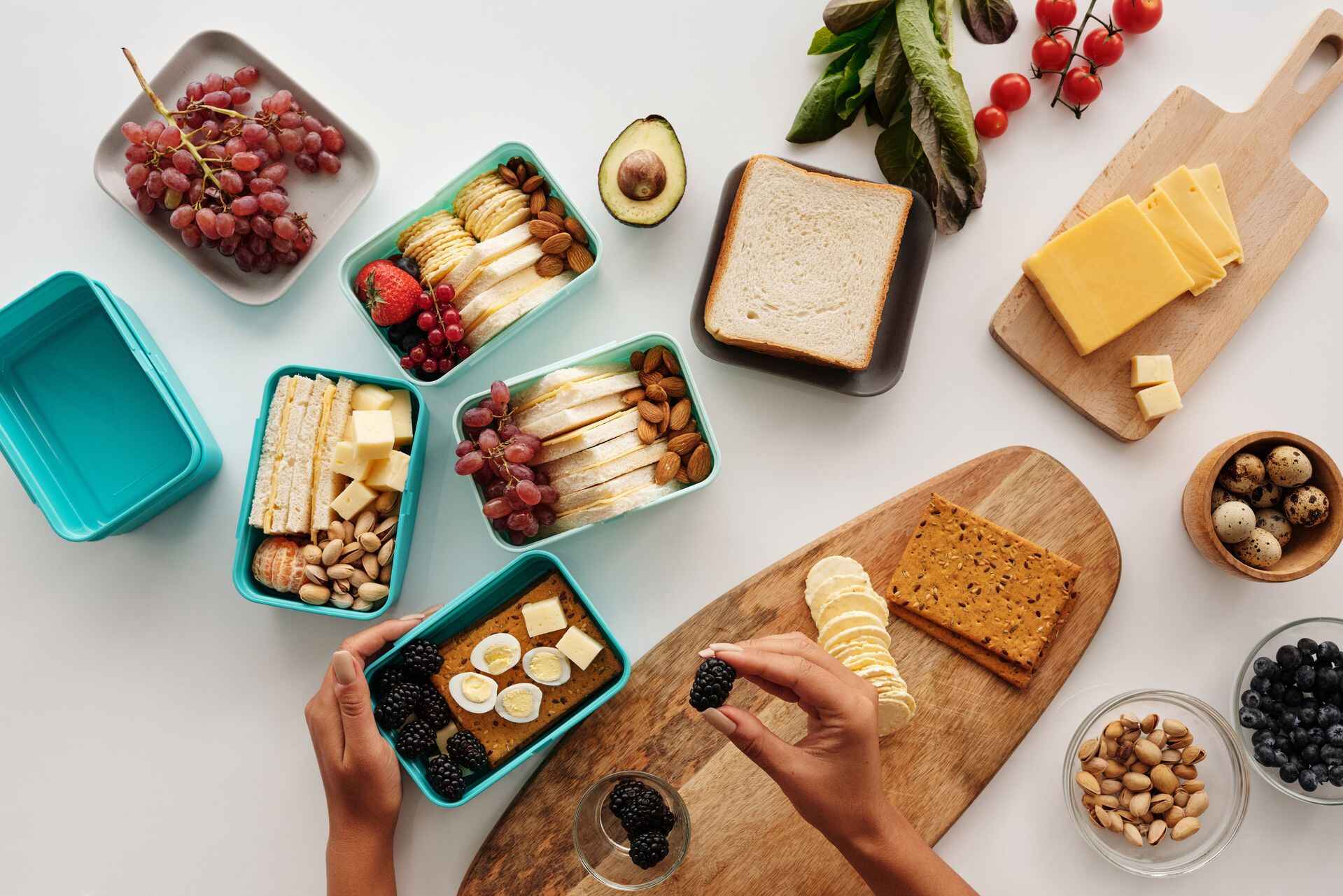
A mix-and-match lunch box is one of the easiest ways to keep low carb lunches interesting without spending more. Instead of assembling one fixed meal, you prep a few components and combine them in different ways during the week. For example, you might pack eggs, cucumber, shredded chicken, and a small container of dressing one day, then swap in tuna, cabbage, and cheese the next. That keeps the ingredients familiar but changes the final meal enough that it does not feel repetitive. EatingWell’s lunch ideas often follow this same idea, especially in their make-ahead salads and protein-focused meal prep recipes.
This method works especially well because it lets you control both cost and variety at the same time. You are not buying ten different ingredients for ten different lunches. You are buying a few dependable staples, then moving them around like puzzle pieces. A container with chicken, cabbage, cucumber, and dressing can become a salad one day and a bowl the next, depending on how you pack it. That kind of flexibility is what makes budget meal prep feel sustainable instead of tedious.
Lunch ideas that taste restaurant-level
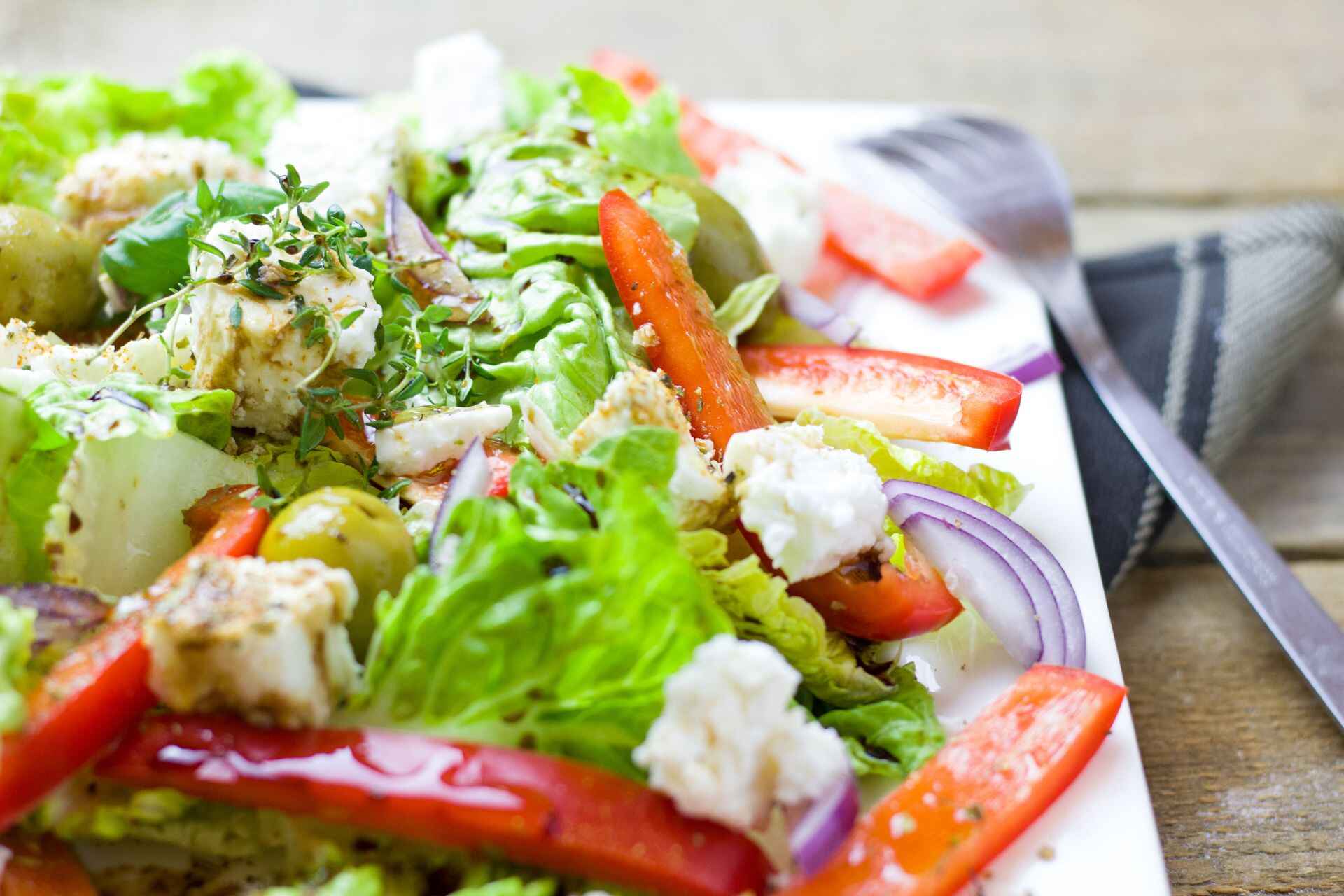
The best budget-friendly low carb lunches do more than save money. They feel satisfying, look appealing, and taste like something you would happily order at a casual café or deli.
That is the real trick: you are not trying to eat “diet food.” You are building lunches with enough texture, contrast, and seasoning to feel complete, even when the ingredients are simple and inexpensive. When you combine crisp vegetables, creamy dressings, salty toppings, and a strong protein base, the meal starts to feel elevated without becoming expensive.
This is where the budget strategy becomes real. Each of these lunch ideas uses low-cost ingredients in a way that feels fresh and restaurant-inspired, which is exactly what keeps homemade lunches exciting. You do not need specialty products or hard to find ingredients to make this work. You just need a few smart combinations that use ordinary foods well, like tuna, eggs, chicken, cabbage, cauliflower, and lettuce. That is how a basic lunch turns into something you actually look forward to eating.
Tuna lettuce wraps
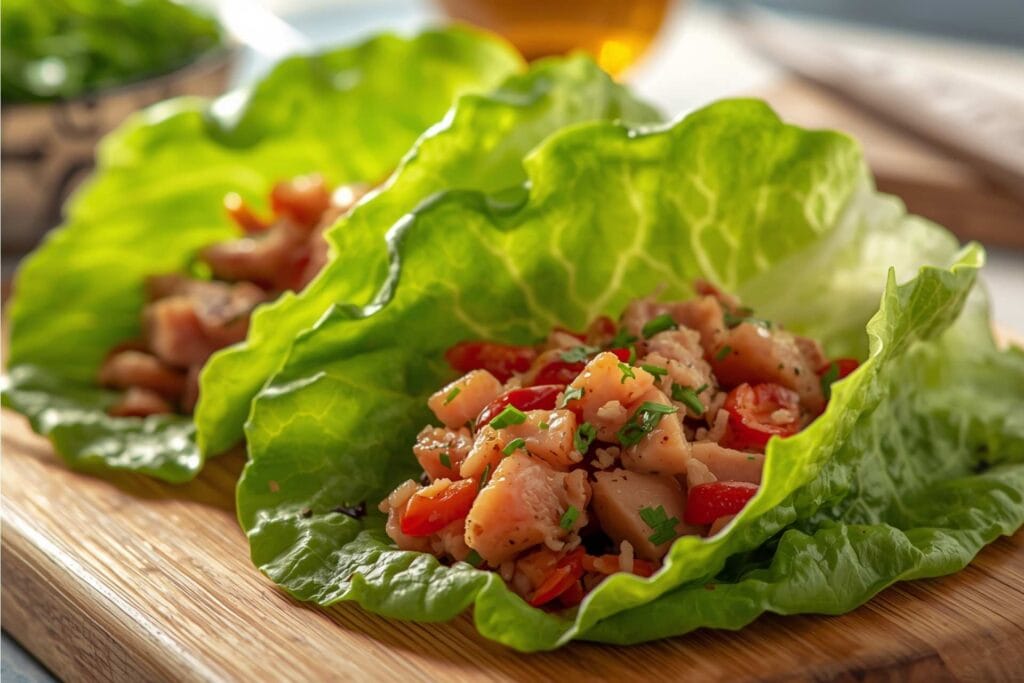
Tuna lettuce wraps are one of the easiest low carb lunches to make, and they still feel surprisingly polished when you season them well. Start with canned tuna, a little mayo or Greek yogurt, mustard, black pepper, celery, and chopped pickles or onion if you like extra crunch. Spoon the mixture into sturdy lettuce leaves such as romaine or butter lettuce, and you instantly have a lunch that feels light, crisp, and clean. The combination of creamy filling and cold, crunchy lettuce gives the meal a texture that makes it feel more intentional than a plain tuna salad bowl.
What makes this lunch so good for a budget is how little it takes to build. Tuna is affordable, filling, and shelf-stable, so it is easy to keep on hand for busy weeks. Lettuce acts like the “wrap” without adding bread, and the rest of the ingredients can come straight from the pantry or fridge. If you want to make it taste even better, add paprika, dill, lemon juice, or a few drops of hot sauce. That tiny bit of extra flavor is what gives a simple lunch a more restaurant-style finish.
Egg salad cucumber boats
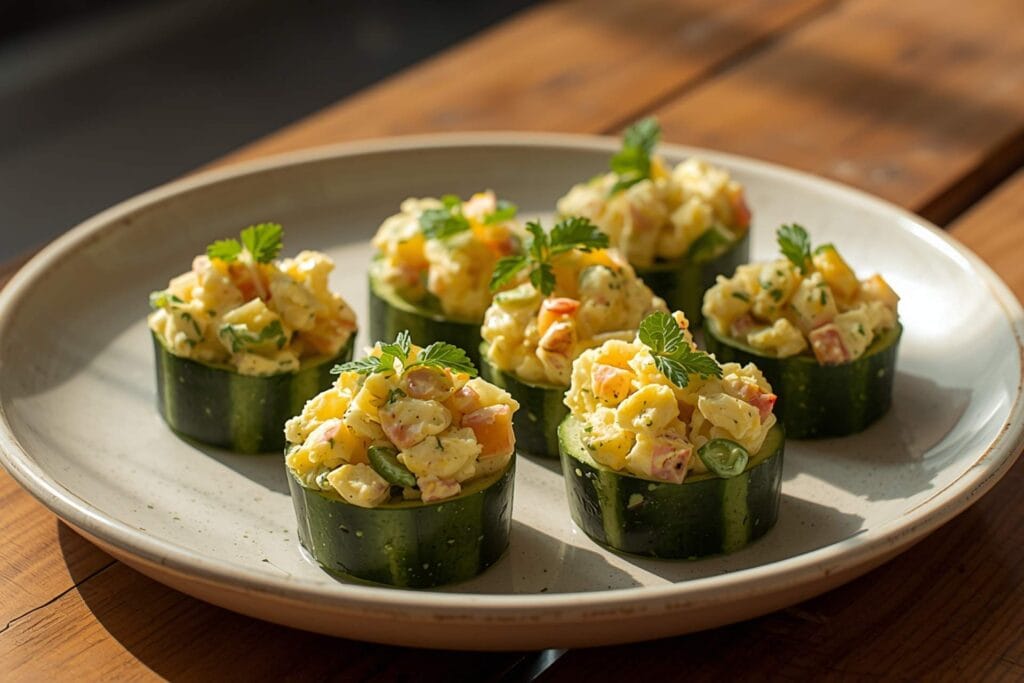
Egg salad cucumber boats are a fun way to turn a basic pantry staple into a lunch that feels fresh and modern. Make a simple egg salad with chopped boiled eggs, mayo or yogurt, mustard, salt, and pepper, then scoop it into halved cucumbers. The cucumber gives you a cool, crisp base that keeps the meal from feeling heavy, while the egg salad brings creaminess and protein. It is a great example of how a few inexpensive ingredients can look and taste much more special than they cost.
This lunch also works because it plays with contrast. The cucumber stays bright and crunchy, while the egg salad feels rich and smooth, so every bite has a little movement. That contrast is what makes a meal memorable instead of bland. If you want extra flavor, add dill, paprika, chopped chives, or a little relish. You can even top the boats with sesame seeds or crushed pepper for a small visual upgrade that makes the meal feel café-worthy.
Chicken salad stuffed peppers

Chicken salad stuffed peppers are one of the best low carb lunches for using leftovers in a way that feels fresh. Take cooked chicken and mix it with mayo or Greek yogurt, celery, mustard, pepper, and any herbs you like, then spoon the mixture into halved bell peppers. The pepper becomes a natural edible bowl, which makes the meal easy to pack and easy to serve. Because the pepper is sweet and crunchy, it gives the creamy chicken salad a more balanced flavor profile.
This lunch feels restaurant level because it has structure. It is not just chicken on a plate. It is a bright, colorful, filled vegetable that looks thoughtful and tastes layered. Bell peppers are also a nice choice because they add color without adding much complexity. If you want to make it even more filling, add chopped cucumber, shredded cheese, or a few sliced olives. That keeps the flavor bold while still staying low carb and budget-friendly.
Cabbage stir-fry bowls
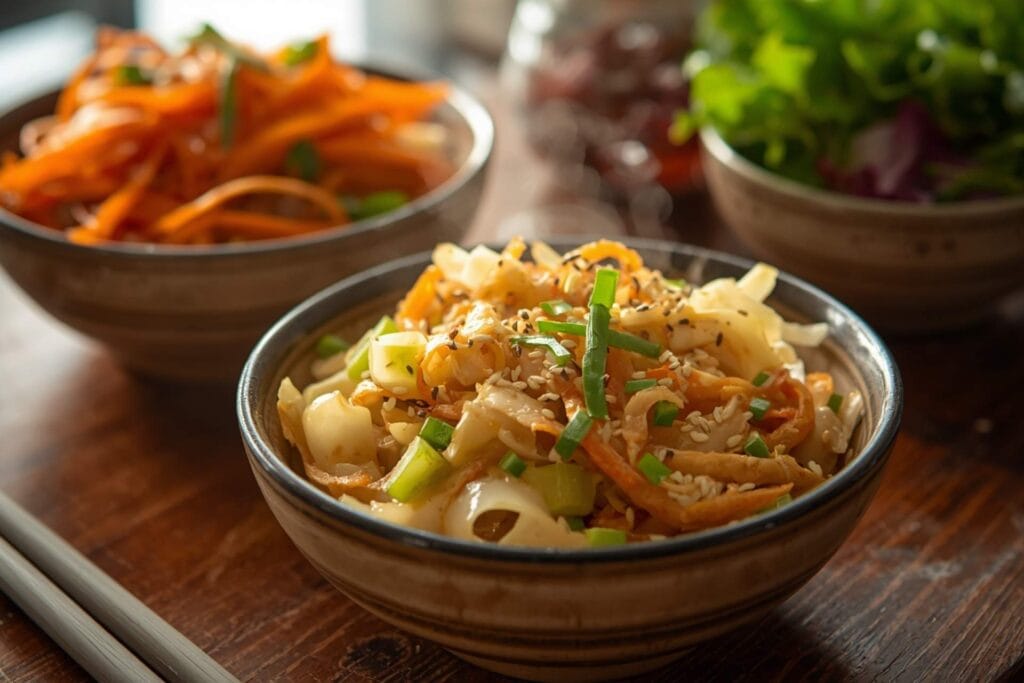
Cabbage stir-fry bowls are one of the cheapest lunches that still feel like a real meal. Cabbage is affordable, sturdy, and surprisingly versatile, which is why it works so well as a base for low carb bowls. Slice it thin, cook it quickly in a skillet with oil, garlic, salt, and pepper, and then top it with chicken, turkey, eggs, or canned fish. The result is warm, savory, and filling without leaning on rice or noodles. (15)
What makes cabbage such a strong lunch ingredient is how well it absorbs seasoning. A little soy sauce, vinegar, sesame oil, chili flakes, or garlic can completely change the flavor. That means one ingredient can feel like several different meals across the week. You can keep the base the same and change the protein or seasoning, which is exactly what makes budget lunches feel less repetitive. It is a simple idea, but it works beautifully when you want something cheap, fast, and comforting.
Cauliflower fried rice bowls

Cauliflower fried rice bowls are a smart way to get that takeout-style feel without the extra carbs or the extra cost. Cauliflower rice cooks quickly and gives you a soft, savory base that pairs well with eggs, leftover chicken, vegetables, or even tuna. Add soy sauce or tamari, garlic, green onion, and a little oil, and the dish suddenly feels much more complete. It is the kind of lunch that tastes like you put in more effort than you actually did.
This is one of the strongest low carb lunch ideas because it gives you the feeling of a grain bowl without using grains. The cauliflower absorbs flavor well, and the added protein makes it satisfying enough to carry you through the afternoon. You can also change the profile depending on what is in your fridge. Keep it simple with egg and scallions, or build it out with diced chicken, peppers, and mushrooms. Either way, the bowl looks and tastes like something from a casual restaurant, not a rushed homemade lunch.
Taco salad bowls
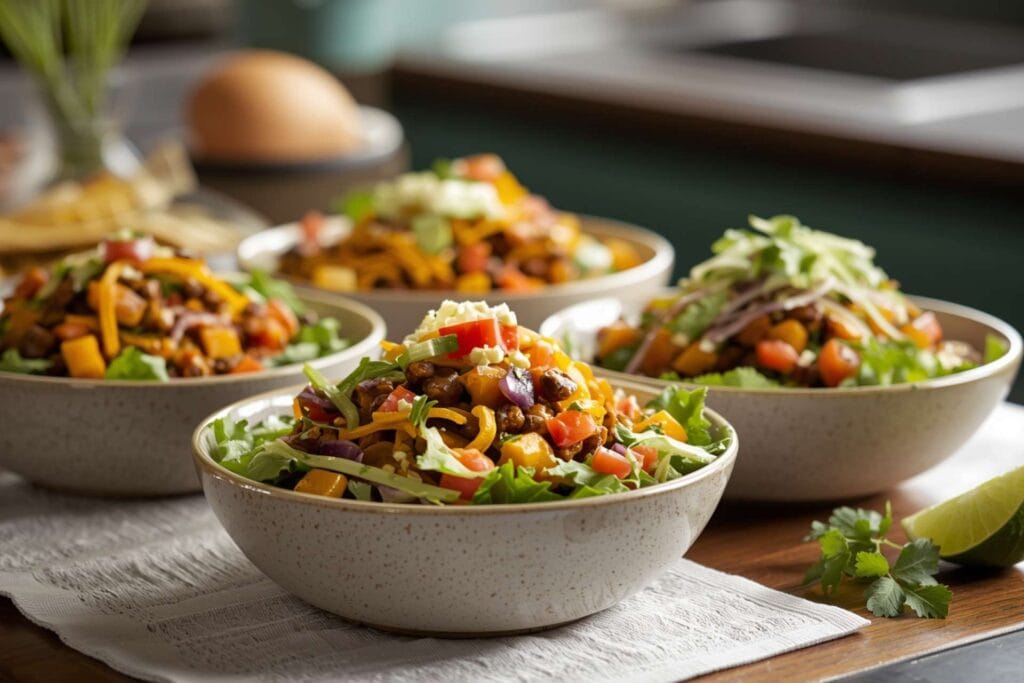
Taco salad bowls are a budget-friendly lunch that never really feels like a compromise. Start with lettuce or cabbage as the base, then add seasoned ground turkey, chicken, or leftover beef if that is what you have. Top it with salsa, cheese, a spoonful of yogurt or sour cream, and maybe a few chopped tomatoes or jalapeños if they fit your budget. The flavors are bold, familiar, and satisfying, which is exactly why taco salad works so well for weekday lunches. (16)
The restaurant level feeling comes from the layering. You get cold greens, warm protein, creamy dressing, and a little sharpness from salsa or pickled toppings. That combination makes the meal feel lively instead of flat. It also gives you a lot of room to work with leftovers, since taco-style seasoning can make simple ingredients taste much more exciting. If you want a lunch that feels fun without costing much, taco salad bowls are one of the easiest choices.
Turkey roll-ups with pickles and cheese

Turkey roll-ups with pickles and cheese are the definition of simple, but simple does not have to mean boring. Use deli turkey or leftover sliced turkey, add cheese, and roll them around pickle spears or thin cucumber strips. The result is salty, tangy, creamy, and crunchy all at once. It is quick to assemble, easy to pack, and surprisingly satisfying for a lunch that takes only minutes to make.
This is the kind of lunch that feels more like a deli plate than a last-minute snack. You can serve it with cucumber slices, celery, or a small salad to make it feel more complete. If you want to upgrade the flavor, spread a little mustard or cream cheese on the turkey before rolling it up. That small addition makes the whole thing taste more polished. It is a great reminder that a good lunch does not need to be complicated to feel intentional.
Crustless quiche slices

Crustless quiche slices are one of the most useful make-ahead lunches because they work hot or cold and hold up well in the fridge. Eggs, cheese, vegetables, and a little seasoning can be baked into a sliceable lunch that feels hearty without needing a crust. That makes it naturally low carb and much more budget-friendly than a traditional quiche. You can also use whatever vegetables or leftover meat you already have, which keeps waste low and flexibility high. (17)
This is a lunch idea that feels a little more elevated because it resembles something you might see in a café case. It slices cleanly, packs well, and gives you a solid protein base without requiring much effort during the week. You can make one pan and eat from it for several days, which is ideal when you are trying to save both money and time. Add spinach, mushrooms, onions, or chopped bacon if they fit your budget, and you get a meal that feels rich without being expensive.
Chopped salad jars
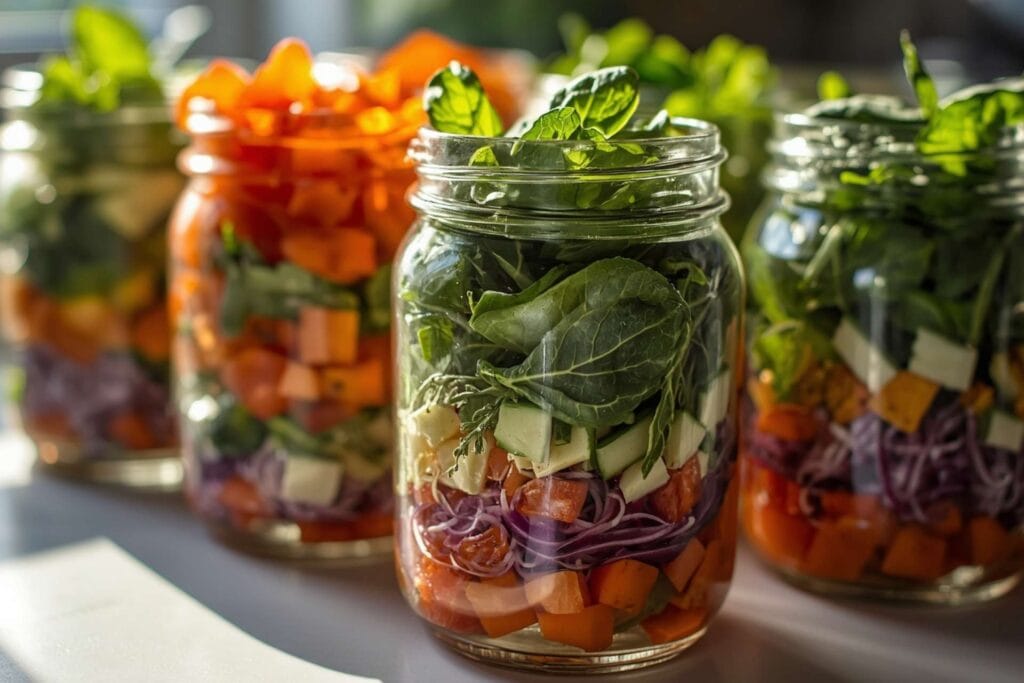
Chopped salad jars are one of the smartest ways to make low carb lunches feel fresh and organized.
The idea is simple: place dressing at the bottom, then add sturdy ingredients like chicken, tuna, egg, cabbage, cucumber, and cheese, and keep the greens near the top. When you are ready to eat, shake or pour it into a bowl, and everything stays crisp instead of soggy. That structure alone makes the lunch feel much more polished.
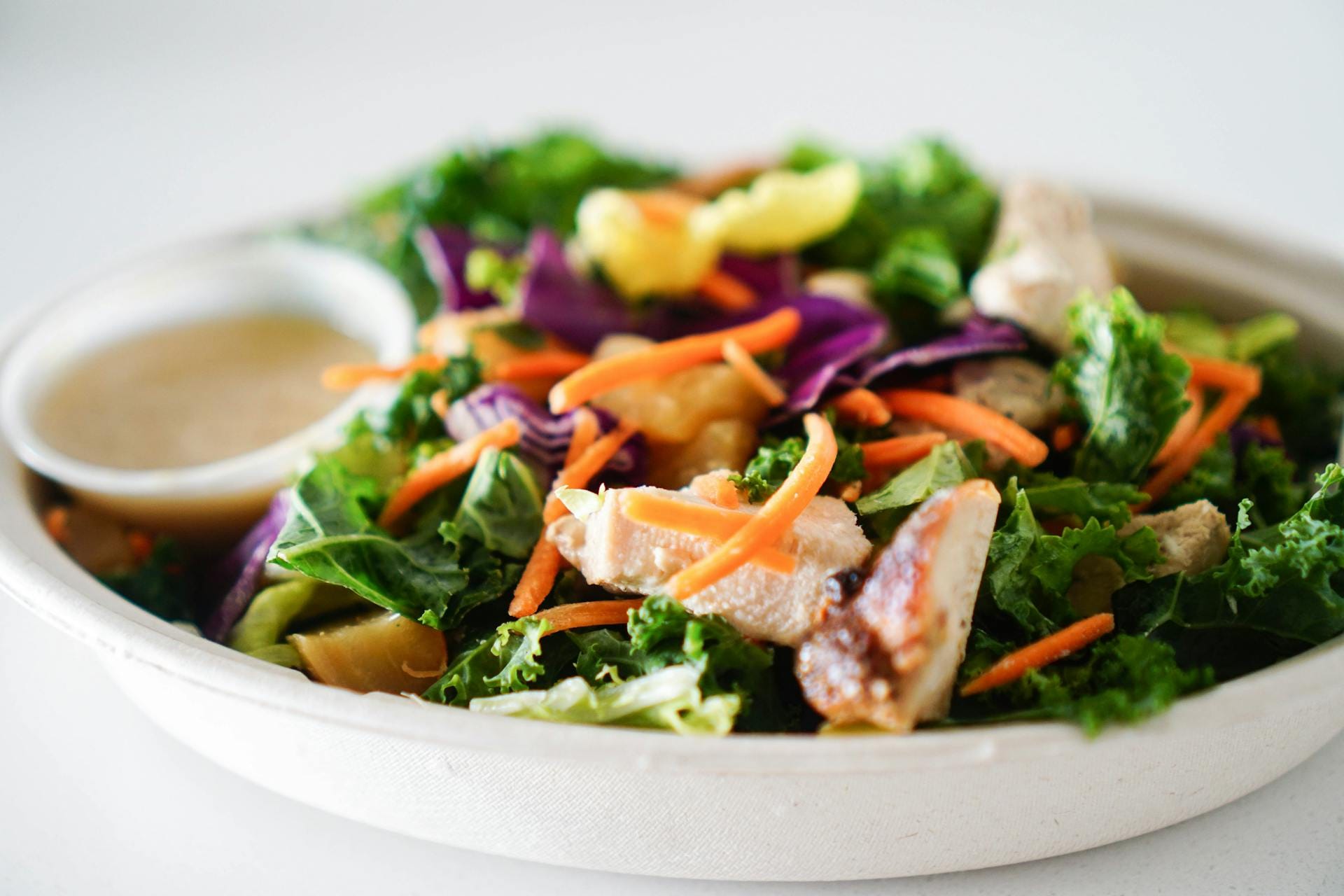
The restaurant level effect comes from the balance of color and texture. A chopped salad jar can include creamy, crunchy, salty, and fresh elements all in one container, which makes it feel like a composed meal instead of random leftovers. It is also a great way to use whatever small amounts of ingredients you already have in the fridge. A little chicken, a handful of cucumber, some shredded lettuce, and a simple dressing can become a lunch that looks far more deliberate than the cost suggests.
Warm tuna melt bowls

Warm tuna melt bowls are perfect for days when you want comfort food without bread. Mix tuna with a little mayo, mustard, and seasoning, then warm it with cheese until it becomes creamy and savory. Serve it over lettuce, cabbage, or cauliflower rice, and you get a bowl that feels cozy, rich, and satisfying. It is a clever way to capture the flavor of a tuna melt in a form that stays low carb and budget-friendly.
This lunch feels more restaurant level because it leans into warmth and richness instead of just convenience. A lot of budget lunches are cold, but this one gives you the comfort of a hot meal without much effort. You can make it even better with diced celery, pickles, green onion, or a sprinkle of paprika. The bowl format also makes it easy to portion and pack, which is ideal for work lunches or meal prep days when you want something that feels more substantial than a basic salad.
Common mistakes to avoid
The biggest mistake people make with budget-friendly low carb lunches is thinking the cheapest option is always the best option. It is not. A lunch only saves money if you actually eat it, enjoy it, and use the ingredients before they go bad. If you buy random low carb items without a plan, you can easily end up with a fridge full of half-used vegetables, forgotten sauces, and expensive proteins that never turn into a real meal. Smart low carb lunch planning is not about spending as little as possible on each item. It is about buying ingredients that work together and can be reused in different lunches across the week.
Another common mistake is relying too much on expensive specialty products. Low carb bread, packaged snacks, fancy keto bars, and niche substitutes can be helpful sometimes, but they are not the foundation of a budget lunch routine. Those products often cost far more than simple staples like eggs, canned tuna, chicken thighs, cabbage, or cauliflower. If your lunch plan depends on specialty items every day, your grocery bill will climb quickly. The better approach is to use ordinary ingredients and make them taste exciting with seasoning, texture, and smart combinations.
Portion balance is another area where people often go wrong. Some lunches are low carb but not filling enough because they are missing enough protein or enough volume from vegetables. Others are heavy on protein but so plain that they feel repetitive after two days. The sweet spot is a lunch that gives you staying power without feeling boring. A good low carb lunch should feel complete, not like a snack pretending to be a meal.
That is why the protein + vegetable formula works so well: it keeps the meal affordable, satisfying, and easy to repeat.
Overcomplicating recipes is another trap to avoid. A lot of people think a good low carb lunch needs a long ingredient list and several cooking steps, but that usually makes meal prep harder and more expensive. The more ingredients you use, the more likely you are to overspend and waste food. Simple meals often work better because they are faster to prep and easier to duplicate during a busy week. If a lunch takes too long to make, you will not keep doing it, and consistency matters more than perfection.
Bland food is a problem too, and it is one of the main reasons people give up on low carb eating. A cheap lunch should still taste good. If you skip seasoning, sauces, acids, herbs, and crunchy toppings, the food can feel flat even if the ingredients are solid. That is where many budget lunches fail. They are technically affordable and low carb, but they do not feel worth eating. The solution is not to spend more money. The solution is to use flavor boosters well, so a simple lunch still feels fresh and satisfying.
Food waste is another hidden mistake that can quietly wreck your budget. Buying a whole head of cabbage, a bag of lettuce, or a pack of cucumbers is smart only if you actually use them before they spoil. The same goes for proteins like chicken or egg salad, which can lose quality if they sit too long. A good lunch plan should match your real schedule, not your ideal one. If you only have time to prep twice a week, build around ingredients that stay fresh longer or can be frozen and reheated. That makes the system realistic instead of stressful.
People also forget that variety matters even when the base ingredients stay the same. If you eat the same lunch every day, boredom will catch up with you fast. The answer is not to buy a whole new set of groceries. The answer is to change the flavor profile. Tuna salad can become lettuce wraps one day and cucumber boats the next. Chicken can become a salad, a stuffed pepper filling, or a warm bowl. Small changes in presentation and seasoning can make a budget lunch feel new without increasing the cost.
A final mistake is not planning for convenience. A lunch can be cheap, low carb, and healthy, but if it is awkward to pack or messy to eat, it will not fit into a workday or school day very well. Good lunch planning includes containers, storage, and portability. The easiest lunches are the ones you can grab, pack, and eat without extra hassle. That convenience is part of the value. When lunch is easy to use in real life, you save money, save time, and stay much more consistent.
The Bottom Line
Budget-friendly low carb lunches work because they are built on a simple idea: use affordable ingredients, pair them wisely, and let flavor do the heavy lifting. When you start with low-cost staples like eggs, canned tuna, chicken thighs, cabbage, and cauliflower, you can make lunches that are filling, practical, and far more interesting than plain “diet food.” That is what makes this approach so useful for real life. It saves money without making lunch feel like a chore, and it gives you enough variety to stay consistent week after week.
The best part is that you do not need a complicated system to make it work. A protein anchor, low-cost vegetables, and a good seasoning strategy can turn a short grocery list into a full week of lunches. Add smart shopping habits, meal prep shortcuts, and a few mix-and-match ideas, and suddenly lunch becomes easier to plan, easier to pack, and easier to enjoy.
That is the real win: lower cost, lower stress, and more flavor in every bite.
FAQs
What are the cheapest low carb lunch ingredients?
Some of the most affordable low carb ingredients are eggs, canned tuna, canned salmon, chicken thighs, cabbage, lettuce, cucumbers, and cauliflower. These foods show up often in budget-friendly low carb guides because they are versatile, filling, and easy to turn into multiple meals.
Can I meal prep low carb lunches for the whole week?
Yes. Meal prep works especially well for low carb lunches when you prep ingredients in batches and mix them into different meals during the week. That might mean roasting chicken once, boiling eggs ahead of time, or chopping vegetables for several lunch boxes at once. EatingWell’s make-ahead lunch ideas follow this same pattern, which is why they are so practical for busy schedules.
How do I make low carb lunches filling on a budget?
The easiest way is to build around a strong protein source and add enough vegetables for volume. Eggs, tuna, chicken, and turkey help keep lunch satisfying, while cabbage, cucumber, cauliflower, and lettuce make the meal feel bigger without adding many carbs. That combination keeps the lunch affordable and balanced at the same time.
What can I use instead of bread or wraps?
Lettuce leaves, cucumber halves, cabbage leaves, and bell peppers are all great low carb alternatives to bread or wraps. They add crunch, structure, and freshness without raising the carb count much. Cauliflower can also work well as a rice-style base for bowls.
How do I keep budget low carb lunches from getting boring?
Rotate the flavor, not the grocery list. Use different seasonings, sauces, and textures so the same ingredients taste new. For example, tuna can become lettuce wraps one day and cucumber boats the next, while chicken can turn into salad, stuffed peppers, or a warm bowl. That simple shift keeps lunches interesting without making your shopping cart more expensive.


0 Comments