
Ketosis Explained: A Practical, Evidence-Backed Guide — How to Enter, Test, and Use Ketosis Safely
Learn what ketosis is, how it works, how to enter ketosis fast (safe methods), signs to look for, how to test ketones (blood/urine/breath), a 7-day ketosis meal plan, best ketone meters, risks (ketoacidosis), and evidence for weight-loss & therapeutic use — with clinical sources and practical tips.
Quick snapshot
- Ketosis is a normal metabolic state where the body burns fat and produces ketone bodies for fuel when carbs are scarce.
- Target blood ketone range for nutritional ketosis: ~0.5–3.0 mmol/L (most people aim ~0.5–1.5 mmol/L for weight/fat-loss benefits). Under 0.6 mmol/L is considered normal/non-ketotic.
- Danger to watch for: Diabetic ketoacidosis (DKA) is a medical emergency and is different from nutritional ketosis — people with type 1 diabetes (and some with type 2) must monitor closely.
This page covers how to get into ketosis safely, tests and meters, a 7-day plan and grocery list, electrolyte/keto-flu management, evidence, and safety checks.
What is ketosis? (simple definition)
Ketosis is a metabolic state in which the body shifts from using glucose as its main fuel to using fatty acids and ketone bodies (beta-hydroxybutyrate, acetoacetate, and acetone). It occurs during fasting, prolonged low-carb eating (ketogenic diet), or prolonged exercise. Nutritional ketosis is physiologic and controlled (not the same as disease states).
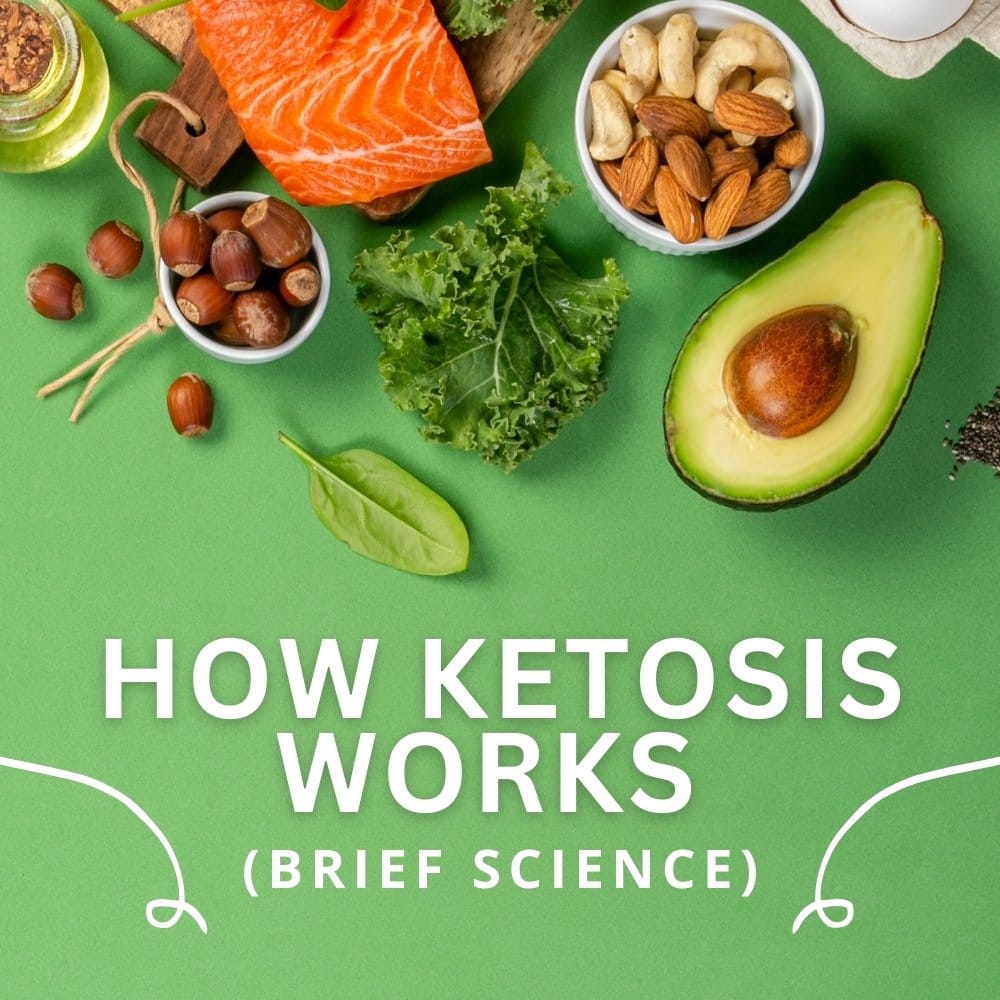
How ketosis works (brief science)
- Lower carbohydrate intake → blood glucose drops → insulin falls.
- Low insulin signals fat cells to release fatty acids.
- The liver converts fatty acids into ketone bodies (BHB, acetoacetate, acetone), which travel to the brain, muscle, and other tissues as an alternative fuel.
How long to enter ketosis & how to get into ketosis fast (safe methods)
Typical: 24–72 hours of very low carbs plus fasting will raise ketones; most people reach nutritional ketosis in 2–4 days, depending on carbs, activity, prior diet, and glycogen stores. Ways to speed entry safely:
- Lower carbs to ~20–30 g net/day (some tolerate up to 50 g). Track net carbs.
- Short water-fasting or prolonged overnight fasts (16–24 h) can accelerate ketone production.
- Increase healthy fats (MCT oil can raise ketone production faster).
- Prioritize moderate protein (too much protein can be gluconeogenic and slow ketosis).
- Add daily moderate exercise (depletes glycogen).
Remember: “fast” should still be safe — don’t do extreme energy deficits without supervision.
Carb limit & macros (practical)
- Typical starting target: 20–30 g net carbs/day for most people wanting rapid ketosis. Some people reach ketosis at 30–50 g, depending on activity and metabolism.
- Common macro split (starting point): 65–75% fat, 20–30% protein (moderate), 5–10% carbs — adjust by goals (weight loss vs therapeutic ketosis).
Signs of ketosis (what to feel/see)
Common, non-specific signs:
- Increased thirst, dry mouth; frequent urination (initial diuresis).
- Bad breath (acetone scent), reduced hunger, increased mental clarity for some, and a mild initial decrease in exercise power.
- Temporary effects: “keto flu” (fatigue, headache, lightheadedness) in the induction phase.
- Objective sign: elevated ketone readings via blood/urine/breath tests (see next section).
How to test for ketosis: blood vs urine vs breath
- Blood (capillary BHB): most accurate and quantitative. Target nutritional ketosis ~0.5–3.0 mmol/L. Use a blood ketone meter for reliable readings.
- Urine (acetoacetate strips): cheap and fine for early use, but less reliable over time (declines as body adapts). Good for quick checks.
- Breath (acetone monitors): noninvasive; device accuracy varies and is trending better, but less standardized than blood.
Testing frequency: once daily (morning) is enough for most; if experimenting with changes or if diabetic, test more often per clinician guidance.
Ketone ranges (blood BHB) — what they mean
- < 0.6 mmol/L: not in ketosis (normal).
- 0.5–1.5 mmol/L: light/nutritional ketosis (typical for fat-loss & metabolic benefits).
- 1.6–3.0 mmol/L: deeper nutritional ketosis; used in some therapeutic protocols (epilepsy, metabolic therapy) — clinical supervision recommended.
- >3.0 mmol/L: high — if accompanied by high blood sugar and illness, seek medical care (risk of DKA in insulin-deficient people).
Best ketone meter types (and examples)
- Blood meters (most accurate): Abbott Precision Xtra and Keto-Mojo GK+ are commonly used and have literature or field comparisons showing reasonable agreement with lab methods. Blood BHB is the best practical measure.
- Urine strips: cheap, ok for beginners.
- Breath meters: noninvasive, convenient; accuracy varies by brand and conditions.
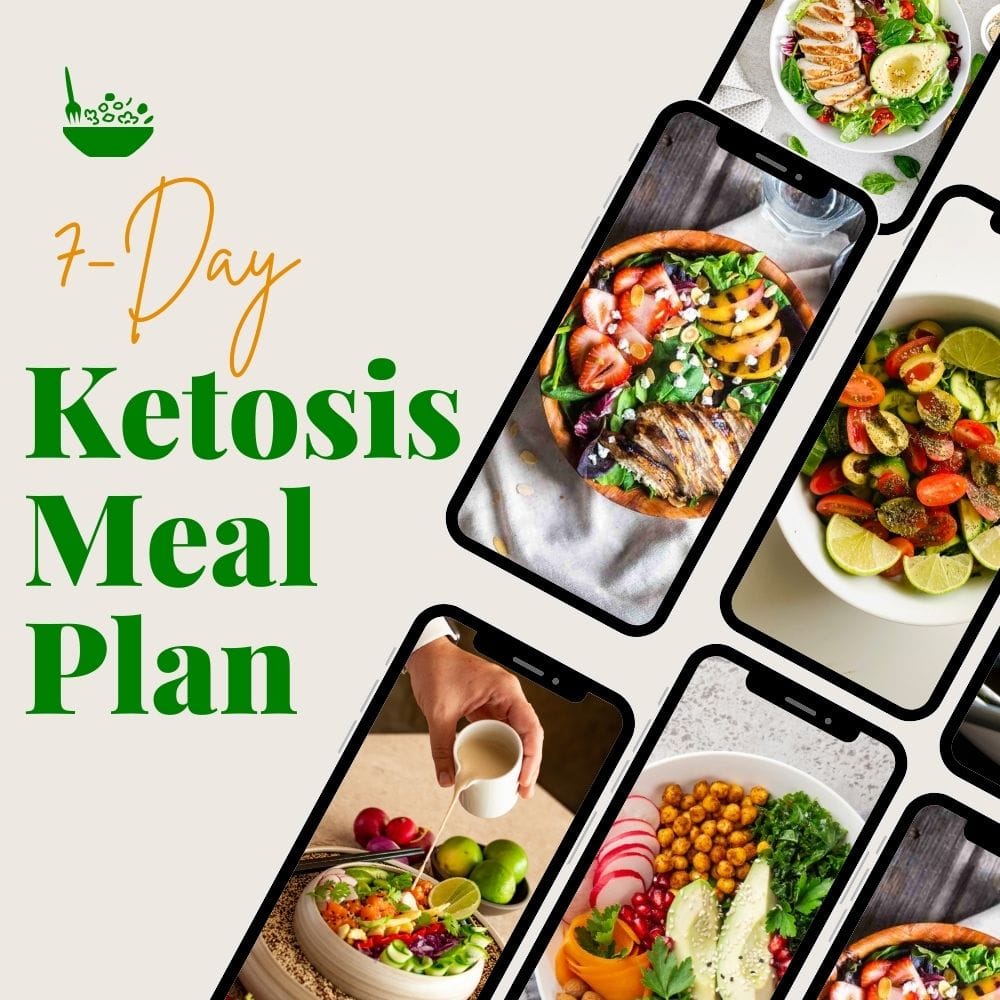
7-Day Ketosis Meal Plan (beginner, family-friendly — carb estimates included)
Notes: portions vary; aim for ~20–30 g net carbs/day. Keep protein moderate. Swap similar items for preferences/allergies.
Day 1 — Induction
- Breakfast: 2 eggs scrambled in butter + spinach + ½ avocado (2–4 g carbs)
- Lunch: Grilled chicken salad (mixed greens, olive oil, olives, feta) (5–7 g)
- Dinner: Salmon fillet, roasted asparagus (6–8 g)
- Snacks: handful of almonds, cheese stick
Day 2
- B: Greek yogurt (full-fat, unsweetened) + chia + few raspberries (6–8 g)
- L: Tuna mayo lettuce wraps (2–4 g)
- D: Beef stir-fry with broccoli & sesame oil (6–8 g)
Day 3
- B: Omelette (cheddar, mushrooms, spinach) (3–5 g)
- L: Cobb salad (egg, bacon, blue cheese, avocado) (4–6 g)
- D: Pork chops + green beans (6–8 g)
Day 4
- B: Bulletproof-style coffee (coffee + MCT oil + butter) — optional (0–1 g)
- L: Zucchini noodle pesto + shrimp (6–8 g)
- D: Roast chicken + Caesar salad (no croutons) (5–7 g)
Day 5
- B: Cottage cheese + cinnamon + walnuts (5–7 g)
- L: Leftover roast + mixed greens (4–6 g)
- D: Baked cod + cauliflower mash (6–8 g)
Day 6
- B: Smoothie (unsweetened almond milk, MCT, spinach, protein powder) (4–6 g)
- L: Avocado egg salad (2–4 g)
- D: Lamb chops + roasted Brussels sprouts (6–8 g)
Day 7
- B: 2 boiled eggs + smoked salmon (2–3 g)
- L: Grilled halloumi + tomato cucumber salad (6–8 g)
- D: Zucchini lasagna (sliced zucchini, ricotta, ground beef) (8–10 g)
(Adjust fats to meet calorie needs; if vegetarian/vegan, increase plant fats and low-carb proteins. For therapeutic ketosis, follow clinician-specified meal plans.)
Keto grocery list (essentials)
- Proteins: eggs, fatty fish (salmon), chicken, beef, pork, tofu/tempeh (if vegetarian)
- Fats: olive oil, avocado oil, butter/ghee, MCT oil, avocados, nuts & seeds
- Vegetables: leafy greens, broccoli, cauliflower, zucchini, asparagus, green beans
- Dairy: full-fat yogurt, cheeses, cream (if tolerated)
- Pantry: almond flour, coconut flour, low carb sweetener (optional), bone broth
- Electrolytes: salt, magnesium supplement, potassium-containing foods (spinach, avocado)


Keto flu & electrolyte tips (prevent/manage)
Common in the first 1–2 weeks: headache, fatigue, dizziness, nausea.
- Salt: increase sodium (add salt to food or drink broths).
- Potassium & magnesium: eat avocados, nuts, leafy greens; consider supplements if symptoms persist.
- Hydration: drink water and salt-containing broths.
- Rest & gradual carb reduction can help. If severe symptoms occur (fainting, severe palpitations), stop and see a clinician.
Evidence & benefits — what the research says
- Weight & metabolic effects: many trials show short-term weight loss and improvements in glucose/insulin markers on ketogenic diets; long-term comparative evidence is mixed and depends on adherence and calorie intake. More high-quality long-term trials are needed.
- Therapeutic uses: well-established for drug-resistant epilepsy; being studied for type-2 diabetes, neurodegenerative disease, cancer adjuncts — often under medical supervision.
Risks, side effects, and who should avoid or take extra care
- DKA risk: people with type-1 diabetes (and some with type-2 taking insulin) must not attempt unsupervised ketosis — DKA is life-threatening. Monitor glucose & ketones closely and follow medical advice.
- Potential issues: constipation, nutrient gaps, changes in lipid profile, bone health concerns in some reports — monitor labs and nutrient intake.
- Pregnancy & breastfeeding: avoid unless supervised by specialists.
- Kidney/liver disease, certain metabolic conditions: require clinician oversight.
Ketosis vs Ketoacidosis (clear difference)
- Nutritional ketosis: controlled rise in ketones (0.5–3 mmol/L), normal acid-base balance, usually safe for most healthy adults.
- Diabetic ketoacidosis (DKA): very high ketones often >10 mmol/L with high blood glucose and acid-base disruption — medical emergency. If you have diabetes and are ill, check your ketones immediately and seek care if high.

Supplements & exogenous ketones
- MCT oil: can raise ketone production and help energy/fasting tolerance.
- BHB salts/esters: raise blood ketone numbers quickly, used in research and some performance contexts — effects on long-term outcomes are not established. Consider cost, potential GI side-effects, and limited evidence for weight loss superiority.
Athletes & performance
Adaptation period: power and high-intensity performance may drop initially; fat-adaptation can restore some performance for endurance athletes, but evidence is mixed for strength/power sports. Tailor carb timing (targeted carb intake around workouts) if competing.
Common mistakes that prevent ketosis
- Hidden carbs (sauces, condiments).
- Too much protein (gluconeogenesis can raise glucose).
- Not enough fat (leaves you hungry).
- Inconsistent tracking and testing.
Quick troubleshooting: "Why am I not in ketosis?"
- Re-check total net carbs (including drinks & sauces).
- Cut or lower certain dairy, nuts, and fruit portions.
- Check protein intake — reduce if very high.
- Increase activity (short term) and ensure fasting window if safe.
- Confirm with a blood ketone test (most reliable).
Plan you can follow this week
- Aim for 20–30 g net carbs/day and moderate protein.
- Drink salt/bone broth and consider magnesium & potassium if you get “keto flu.”
- Test with a blood ketone meter for accurate feedback; use urine/breath as lower-cost alternatives.
- If you have diabetes, liver/kidney disease, are pregnant, or are taking medications, see a clinician before starting.
Trending Ketosis Articles

All Ketosis Articles

How Keto Burns Fat: Ketosis, Ketones & Fat Loss Science
If you have ever wondered how keto burns fat, you are not alone. The ketogenic diet has become one of the most talked-about ways to lose weight, but the real science behind it is often buried under hype, confusing claims, and too-good-to-be-true promises. At its core,...

What Is Ketosis? A Beginner’s Guide to Ketone Science, Benefits & How to Start
A friend of mine once joked that after three days of eggs and avocado, she’d become a walking fat-burning machine — and honestly, she wasn’t far off. When someone asks, " What is ketosis? " They’re asking exactly how that “fat-burning” switch flips: ketosis is the...

Low Carb Supplements for Ketosis: Top Picks to Boost Your Keto Journey
Have you ever wondered how some people breeze through their day with unwavering energy, razor-sharp focus, and that enviable “glow” that comes from burning fat instead of sugar? The secret often lies in mastering ketosis—that metabolic sweet spot where your body flips...

How Long Does it Take to Get Into Ketosis? (And How to Speed It Up)
Whether you're new to Keto or seeking to get back on track, you might wonder how long it takes to enter ketosis. It all depends. Your biology, food, exercise habits, genetics, and various other variables determine your ability to burn fat (and produce ketones). Even...

Does Ketosis Burn Belly Fat? 7 Simple Ways to Lose Belly Fat
Why is belly fat a matter of worry, aside from personal appearance? According to new research, the distribution of your body fat might predict your risk of heart disease and other disorders, and having a "spare tire" is worse than other forms of fat [1]. Indeed, if...

Ketosis vs. Ketoacidosis: What’s the Difference?
Ketosis vs ketoacidosis: Many people mix them up. Yes, both involve ketones, but ketosis is a normal way your body burns fat for fuel when carbs are scarce; ketoacidosis is a serious medical problem. Read on — this section breaks down the key differences. What is...

10 Signs and Symptoms That You’re in Ketosis
The ketogenic diet is a well-known and successful method for losing weight and improving your health. This low-carb, high-fat diet will increase blood ketone levels when followed appropriately. These provide a new fuel source for your cells and are responsible for...

Ketosis 101: Symptoms, Benefits, Risks, Tips
If you explore different strategies to lose weight, you'll encounter various diets and lifestyle changes that can transform your body into a fat-burning powerhouse. Increasing the intensity and regularity of your workout program is one method for losing body fat and...
FAQs
Is ketosis dangerous?
For most healthy adults, nutritional ketosis is safe when done sensibly; people with diabetes, pregnancy, or serious disease need medical supervision.
How often should I test ketones?
For most: once daily (morning). If experimenting or sick/diabetic: test more often per clinician instructions.
Are urine strips useless?
No — they’re a cheap way to check early on, but become less reliable as you adapt. For precise tracking, use blood BHB.